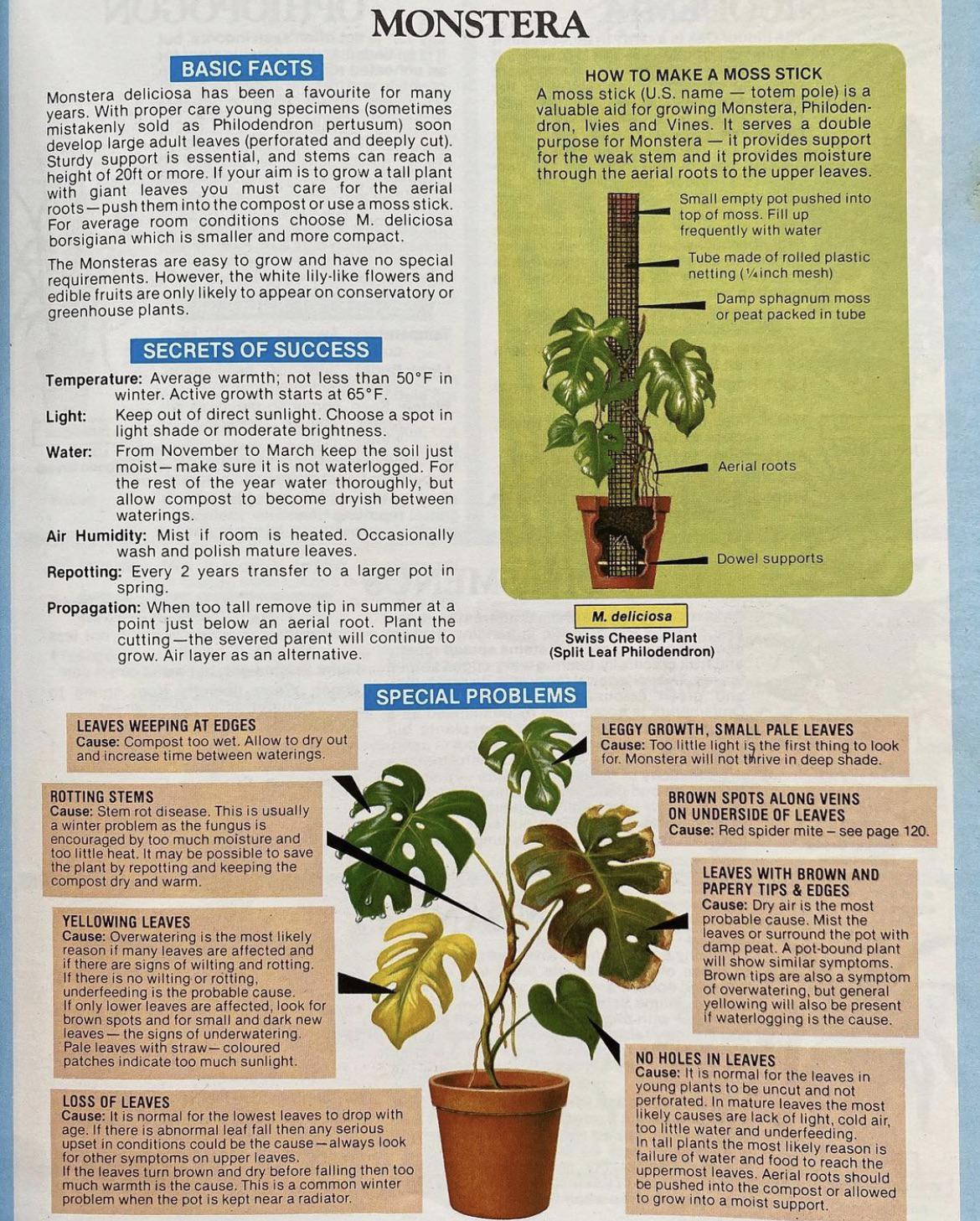
Want to grow a healthy Monstera? It’s simpler than you think.
Monstera plants, known for their beautiful split leaves, are popular houseplants. They thrive indoors with the right care. This guide will show you how to keep your Monstera happy and healthy. From proper watering to ideal light conditions, you’ll learn all you need.
Monstera plants are not only easy to maintain but also add a touch of nature to your home. With a few simple tips, you can enjoy a lush, green Monstera all year round. Ready to transform your space with a thriving plant? Let’s dive into the basics of Monstera care.

Choosing The Right Monstera
Selecting the right Monstera plant is key to growing it healthy. Choose a vibrant, green Monstera with no yellow leaves. Proper light and watering will help it thrive.
Selecting the right Monstera can make a big difference. Each variety has unique features and requirements. Understanding the differences helps ensure your plant thrives.Popular Varieties
Monstera Deliciosa, often called the Swiss Cheese Plant, is a favorite. Its large, holey leaves are stunning. Monstera Adansonii, or the Swiss Cheese Vine, has smaller, oval leaves with holes. It grows well in hanging baskets. Monstera Obliqua is rare but has even more holes in its leaves. This variety is delicate and needs extra care.Where To Buy
Local nurseries often carry Monstera plants. Visiting in person allows you to inspect the plant’s health. Online plant shops are another option. Many websites offer a variety of Monstera types. Reading reviews helps find reputable sellers. Farmers’ markets sometimes have unique Monstera plants. Talking to local growers provides helpful care tips. “`Ideal Growing Conditions
Growing a healthy Monstera requires understanding its ideal growing conditions. These tropical plants thrive best in specific environments. Meeting their needs ensures robust growth and vibrant foliage. Let’s explore the key elements for creating the perfect habitat for your Monstera.
Light Requirements
Monstera plants love bright, indirect light. Direct sunlight can scorch their leaves. Place them near a window with filtered light. East or west-facing windows work best. Avoid dark corners. They won’t grow well in low light. If natural light is scarce, use grow lights. Ensure they get at least 6 hours of light daily.
Temperature And Humidity
Monstera plants prefer warm temperatures. Keep them in a room between 65°F and 85°F. Avoid cold drafts and sudden temperature changes. They don’t like being near heating vents or air conditioners.
High humidity is essential for Monstera. Aim for humidity levels around 60%. Use a humidifier to increase moisture in the air. Misting the leaves can help too. A humidity tray with water and pebbles also works well.
Proper Potting Techniques
Growing a healthy Monstera plant requires the right potting techniques. This ensures the plant has the ideal environment to thrive. The following sections will guide you through the best practices for potting your Monstera.
Best Soil Mix
A good soil mix is crucial for Monstera plants. They need well-draining soil to prevent root rot. A mix of peat moss, perlite, and orchid bark works well. This combination provides the plant with nutrients and aeration.
- Peat moss: Holds moisture while providing nutrients.
- Perlite: Improves drainage and prevents soil compaction.
- Orchid bark: Increases aeration and mimics the plant’s natural habitat.
Mix these ingredients in equal parts for best results. Your Monstera will appreciate this rich, airy soil mix.
Choosing The Right Pot
The pot you choose plays a vital role in your Monstera’s health. It should have drainage holes to prevent waterlogging. A plastic or terracotta pot works well.
Consider the size of the pot too. A pot that is too small can restrict root growth. A pot that is too large can lead to overwatering. A pot that is 2-4 inches larger than the root ball is ideal.
| Pot Material | Pros | Cons |
|---|---|---|
| Plastic | Lightweight, affordable | May retain too much moisture |
| Terracotta | Breathable, prevents overwatering | Heavier, can break easily |
Ensure the pot is sturdy and provides enough room for growth. Your Monstera will thank you with lush, vibrant leaves.
Watering Guidelines
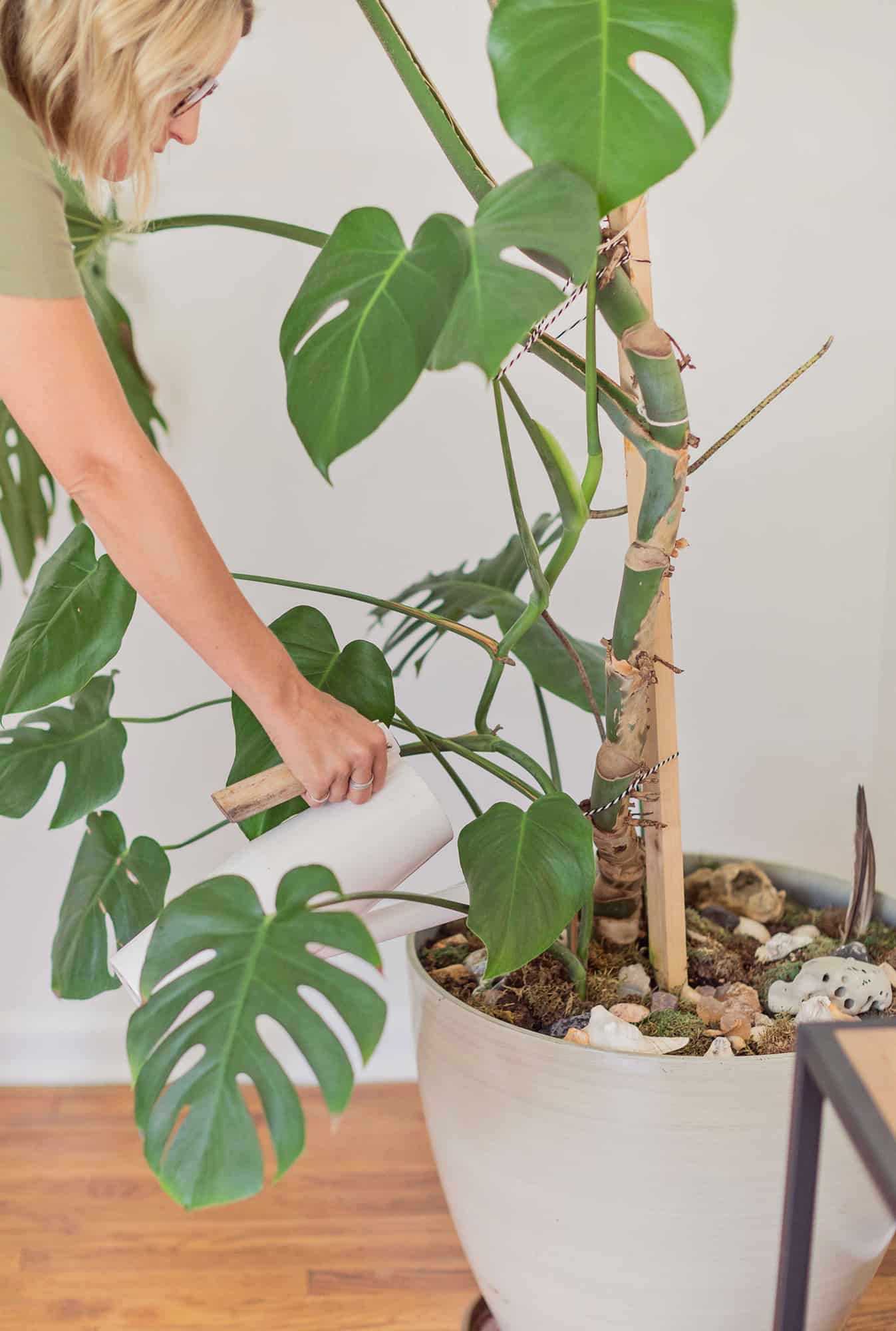
Growing a healthy Monstera involves understanding its watering needs. Proper watering keeps your Monstera lush and green. Learn the best practices for watering your Monstera below.
When To Water
Watering your Monstera at the right time is crucial. Check the soil moisture first. Insert your finger one inch into the soil. If it feels dry, it’s time to water. Typically, water your Monstera every 1-2 weeks.
Weather and location impact watering frequency. In summer, you may need to water more often. In winter, your Monstera may need less water.
Signs Of Overwatering
Overwatering harms your Monstera. Watch for these signs:
- Yellowing leaves
- Wilting
- Mushy stems
- Fungus gnats
If you see these signs, reduce watering. Allow the soil to dry out before the next watering.
| Sign | Description |
|---|---|
| Yellowing Leaves | Leaves turn yellow due to excess water. |
| Wilting | Plants wilt even with wet soil. |
| Mushy Stems | Stems become soft and mushy. |
| Fungus Gnats | Small flies around the plant indicate overwatering. |
Proper watering ensures your Monstera thrives. Use these guidelines to keep your plant healthy.
Fertilizing Your Monstera
Fertilizing is essential for the healthy growth of your Monstera. Proper fertilization ensures that the plant receives the nutrients it needs to thrive. By using the right fertilizers and knowing the correct frequency, your Monstera will grow lush and vibrant.
Best Fertilizers
Choosing the right fertilizer is crucial for your Monstera. Here are some of the best options:
- Balanced Liquid Fertilizer: A 20-20-20 formula works well.
- Organic Fertilizer: Compost tea or worm castings are great choices.
- Slow-Release Fertilizer: These provide nutrients over time.
Make sure to dilute liquid fertilizers to half strength. Over-fertilizing can harm your plant.
How Often To Fertilize
Knowing how often to fertilize your Monstera is key. Follow these guidelines:
- Spring and Summer: Fertilize every 2-4 weeks.
- Fall and Winter: Fertilize once a month or not at all.
During the growing season, feed your Monstera more frequently. In the dormant season, reduce the frequency or stop altogether.
Always observe your plant’s response to fertilization. Adjust if necessary.
Pruning And Maintenance
Growing a healthy Monstera involves regular pruning and maintenance. This care helps the plant thrive and prevents overgrowth. Let’s dive into the key aspects of keeping your Monstera in top shape.
Trimming Leaves
Pruning is essential for a healthy Monstera. It promotes new growth and keeps the plant looking tidy. Use sharp, clean scissors to trim any damaged or yellow leaves. Cut close to the main stem but avoid harming it.
Trim leaves that are too large or obstructing light. This improves airflow and light penetration. Always remove any dead or diseased leaves immediately. This prevents the spread of disease.
Supporting Growth
Monsteras need support as they grow. Use stakes or trellises to guide their stems. This keeps them upright and prevents damage. Tie the stems gently with soft ties to avoid injury.
Repot your Monstera if it outgrows its pot. Choose a pot that is 2 inches larger in diameter. Use well-draining soil to prevent root rot. Water the plant thoroughly after repotting.
| Task | Frequency |
|---|---|
| Trim damaged leaves | Monthly |
| Support stems | As needed |
| Repot | Every 2-3 years |
Dealing With Pests
Dealing with pests can be one of the most challenging aspects of caring for a Monstera. These beautiful plants can attract a variety of pests that can affect their health. Knowing how to identify and treat common pests can help keep your Monstera thriving.
Common Pests
Monstera plants can attract several types of pests. Here are some of the most common:
- Spider Mites: Tiny red or yellow insects that leave webbing on the leaves.
- Mealybugs: Small, white, cotton-like insects that cluster on the leaves and stems.
- Aphids: Small green, black, or white insects that feed on the plant’s sap.
- Scale Insects: Small brown or black bumps on the stems and leaves.
Natural Remedies
Using natural remedies can be effective in controlling pests without harming your Monstera. Here are some options:
- Neem Oil: Mix 1 teaspoon of neem oil with 1 liter of water. Spray on affected areas every week until pests are gone.
- Insecticidal Soap: Buy or make your own with 1 tablespoon of dish soap and 1 liter of water. Spray on pests and rinse off after a few hours.
- Rubbing Alcohol: Dip a cotton swab in rubbing alcohol. Dab it on the pests to kill them instantly.
- Garlic Spray: Crush 2 garlic cloves, mix with 1 liter of water. Let it sit for 24 hours, then spray on the plant.
Regularly inspect your Monstera to catch pest problems early. A healthy Monstera is less likely to suffer from pests.

Propagation Techniques
Propagating a Monstera is an exciting way to grow new plants. You can use different methods to multiply your Monstera collection. Here are two effective techniques: stem cuttings and air layering. Both methods are simple and yield great results.
Stem Cuttings
Stem cuttings are a popular method to propagate Monstera. Follow these steps:
- Choose a healthy stem with at least one node.
- Use a clean, sharp knife or scissors to cut below the node.
- Place the cutting in water or soil.
- Ensure the node is submerged in water or buried in soil.
- Keep the cutting in a warm, bright area, but out of direct sunlight.
- Wait for roots to develop, which may take a few weeks.
Once roots are established, you can transfer the cutting to a pot. Use well-draining soil for best results.
Air Layering
Air layering is another effective technique. This method is slightly more complex but worth the effort. Follow these steps:
- Select a healthy stem with a node.
- Make a small cut in the stem, about halfway through.
- Wrap moist sphagnum moss around the cut area.
- Cover the moss with plastic wrap to retain moisture.
- Secure the plastic with ties or tape.
- Keep the area moist and check for root growth.
Once roots are visible through the moss, cut below the root ball. Plant the new Monstera in a pot with well-draining soil.
Both stem cuttings and air layering are effective ways to propagate Monstera. Choose the method that suits your needs and enjoy growing your new plants!
Common Problems And Solutions
Growing a healthy Monstera can sometimes be a challenge. Like any plant, Monsteras are susceptible to common issues. Identifying and addressing these problems early can help your Monstera thrive. Below, we will discuss some typical issues and their solutions.
Yellowing Leaves
Yellow leaves on your Monstera can be concerning. Several factors might cause this issue. Let’s break them down:
- Overwatering: Too much water can lead to yellow leaves. Ensure the soil dries out between watering sessions. Overwatering is a common issue.
- Underwatering: Lack of water can also cause yellowing. Check the soil moisture regularly.
- Nutrient Deficiency: Lack of essential nutrients may result in yellow leaves. Use a balanced fertilizer to nourish the plant.
To fix yellowing leaves, adjust your watering schedule and consider fertilizing the plant. Always check the soil moisture before watering.
Slow Growth
Is your Monstera growing slower than expected? Several factors could contribute to this problem:
- Insufficient Light: Monsteras need bright, indirect light. Place your plant near a window.
- Poor Soil Quality: Ensure the soil is well-draining and rich in nutrients. Use a high-quality potting mix.
- Temperature Issues: Monsteras thrive in temperatures between 65°F and 85°F. Avoid placing them in drafty areas.
To encourage growth, provide adequate light and maintain the right temperature. Also, repot the plant if necessary to ensure it’s not root-bound.
Frequently Asked Questions
How Often Should I Water My Monstera?
Water your Monstera when the top inch of soil feels dry. Overwatering can lead to root rot. Ensure good drainage to keep the roots healthy.
What Kind Of Light Does Monstera Need?
Monstera prefers bright, indirect light. Avoid direct sunlight as it can scorch the leaves. Place it near a window with filtered light.
How Do I Fertilize My Monstera?
Fertilize your Monstera once a month during the growing season. Use a balanced, water-soluble fertilizer. Avoid over-fertilizing to prevent nutrient burn.
Why Are My Monstera Leaves Turning Yellow?
Yellow leaves can be caused by overwatering, underwatering, or poor light. Check the soil moisture and light conditions. Adjust watering and light accordingly.
Conclusion
Caring for a Monstera can be simple and rewarding. Provide bright, indirect light. Water when the top soil feels dry. Ensure proper drainage to avoid root rot. Use a balanced fertilizer monthly during growing season. Regularly clean the leaves to remove dust.
Prune to maintain shape and health. With these tips, your Monstera will thrive. Enjoy the beauty of your lush, green companion. Happy growing!
Leave a Reply