Monstera plants bring a touch of the tropics to any indoor space. Their large, glossy leaves are a sight to behold.
Keeping these leaves clean not only adds to your plant’s beauty but also promotes its health. Dust and grime can obstruct a leaf’s pores, hindering its ability to breathe and absorb sunlight. Caring for your Monstera involves more than just watering and proper lighting.
It’s crucial to keep its leaves free of dust and debris. Regular cleaning ensures your plant can photosynthesize efficiently and grow strong. This post will guide you through the simple steps to keep your Monstera’s leaves clean and the plant thriving. By maintaining a regular cleaning routine, you’ll enjoy a lush, healthy Monstera as a stunning addition to your home. Let’s dive into the world of plant care and learn the best methods to keep those striking leaves in pristine condition.
Tools Needed
Monstera plants bring a touch of the tropics to any indoor space, but like all indoor plants, their leaves can gather dust and debris. Keeping your Monstera’s leaves clean not only makes the plant look better but also promotes better health by allowing its leaves to absorb more light. Before we dive into the how-to, let’s talk about the tools you’ll need to get the job done right. From gentle cleaning agents to soft cloths, having the right tools on hand is key to making your Monstera shine without harming its delicate leaves.
Cleaning Supplies
To ensure your Monstera’s leaves get the best care, you’ll need the right cleaning supplies. These tools are gentle on the plant but tough on dirt:
- Soft cloth or sponge: Use a clean, soft cloth or sponge to wipe the leaves gently. It’s soft enough not to damage the leaves but effective at removing dust.
- Lukewarm water: It’s best to use lukewarm water to moisten the cloth or sponge, as extreme temperatures can shock the plant.
- Mild dish soap: If the leaves are very dirty, a drop of mild dish soap in water can help. Just be sure to dilute it well.
- Bucket or bowl: This will hold the soapy water solution if needed.
Here’s a simple table for a quick reference:
| Item | Use |
|---|---|
| Soft cloth/sponge | Wiping leaves |
| Lukewarm water | Moistening cloth |
| Mild dish soap | Cleaning tough dirt |
| Bucket/bowl | Holding cleaning solution |
Remember, always test your cleaning solution on a small part of a leaf first. This way, you can be sure it won’t harm your Monstera.
Protective Gear
While Monstera plants are not highly toxic, it’s always a good idea to use protective gear when cleaning plants. This ensures both your safety and the plant’s. Here’s what you might need:
- Gloves: To keep your hands clean and safe from any potential irritation, especially if you have sensitive skin.
- Apron: To protect your clothes from any splashes or spills during the cleaning process.
Below is a breakdown of the protective gear for your convenience:
| Protective Item | Purpose |
|---|---|
| Gloves | Hand protection |
| Apron | Clothing protection |
Using these protective tools not only keeps you clean but also prevents any soap or water from getting on your clothes. So, suit up, grab your cleaning supplies, and get ready to make your Monstera’s leaves gleam!

Preparing The Plant
Cleaning Monstera leaves is not just about making your plant look good. It’s about health and care. Dust and dirt can block sunlight and reduce the plant’s ability to photosynthesize. Before diving into the cleaning process, it’s essential to prepare your plant for a gentle cleaning session. This preparation ensures that your Monstera gets the most out of the cleaning without any harm.
Choose The Right Location
Choosing an appropriate location is crucial for cleaning Monstera leaves. You want a space that’s large enough for you to maneuver around the plant. It should also be safe from drafts and direct sunlight, which can harm the leaves when they’re wet. Here’s how to pick the perfect spot:
- Indoor space: A room with ample light but no direct sun works well.
- Temperature: Make sure the room is warm to prevent shock from cold water.
- Surface: Use a waterproof cover to protect floors or furniture.
Remember, your Monstera should feel at home in this temporary spot, as stress can affect its health.
| Location Feature | Why It Matters |
|---|---|
| Lighting | No direct sunlight to avoid leaf burn. |
| Temperature | Room temperature is ideal for comfort. |
| Space | Enough room to clean without damaging leaves. |
Inspect For Pests
Before you start the actual cleaning, it’s important to check for pests. Insects and bugs can hide on the underside of leaves or in the nodes. If you find any, you need to treat the plant before cleaning. Here’s a simple guide to inspect your Monstera:
- Visual check: Look closely at the top and bottom of each leaf.
- Touch test: Gently feel the leaf surface for any bumps or stickiness.
- Shake test: Lightly shake the plant to see if any pests fall off.
Spotting pests early can save your Monstera from damage. Here are common pests to look out for:
- Spider mites: Tiny spiders that weave webs on the leaves.
- Mealybugs: White, cottony bugs that leave a sticky residue.
- Thrips: Small, winged insects that suck on leaf juices.
If you detect pests, use a mild insecticidal soap or neem oil to treat them. Always follow the product instructions for the best results. After treating, give your plant time to recover before you proceed with cleaning.
Dusting Leaves
Monstera plants bring a tropical flair to any indoor space, but they require regular maintenance to stay healthy and vibrant. Dusting leaves is a key step in Monstera care. Over time, dust particles accumulate on the broad leaves, hindering the plant’s ability to photosynthesize efficiently. This section will guide you through the process of gently cleaning the leaves to keep your Monstera looking its best and breathing easy.
Using A Soft Cloth
Cleaning Monstera leaves with a soft cloth is gentle and effective. Start by choosing a clean, soft microfiber cloth or a duster specifically designed for plants. Here are simple steps to follow:
- Gather your materials: soft cloth, lukewarm water, and a small amount of leaf shine product if desired.
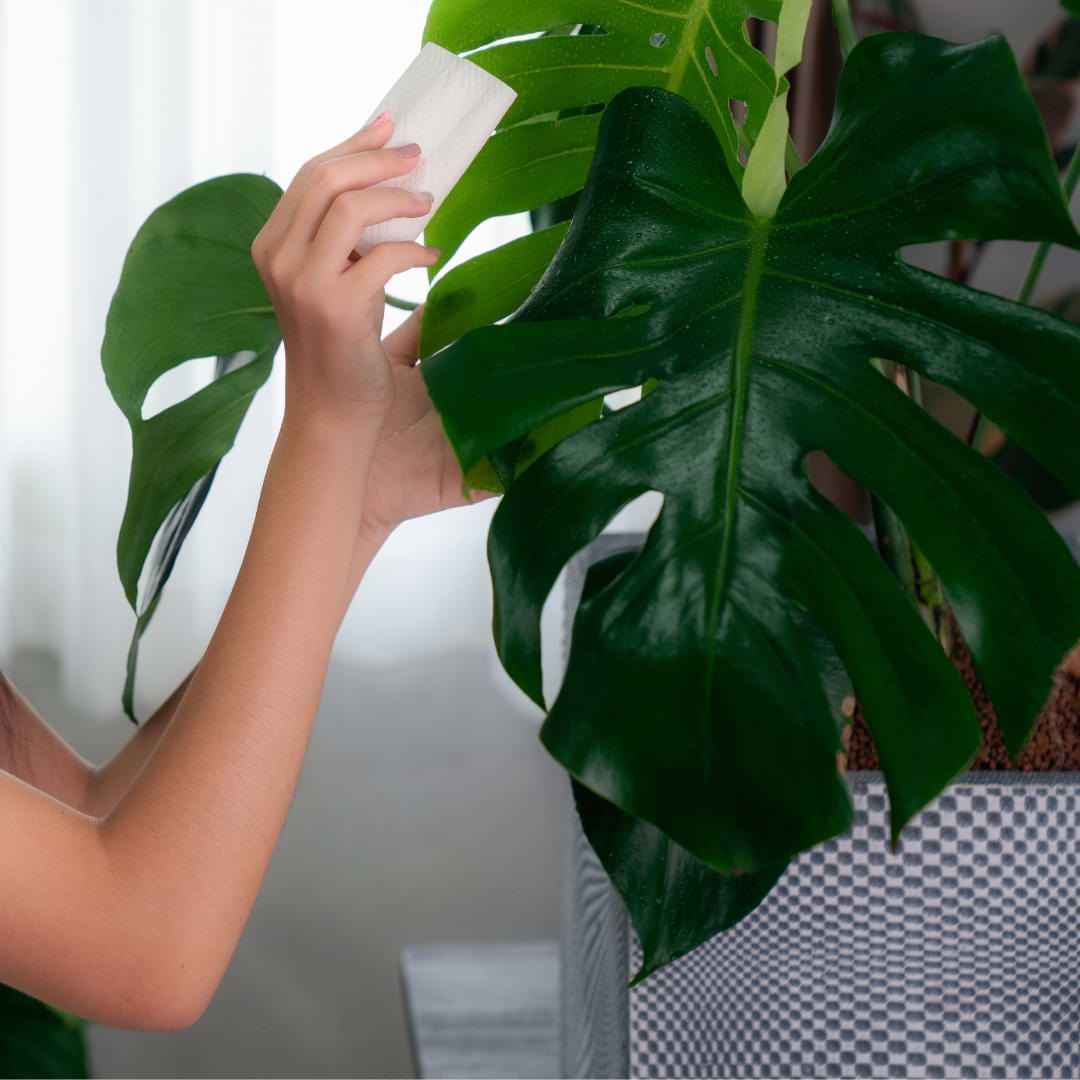
- Wipe gently: Dip the cloth in water and wring out excess moisture. Carefully wipe each leaf, supporting it with your free hand.
- Focus on undersides: Don’t forget the leaf undersides where pests often hide.
- Dry off: Use a dry cloth to blot any excess water, preventing water spots.
For stubborn dirt, make a cleaning solution with water and a drop of mild liquid soap. After cleaning, you might consider using a leaf shine product. Apply it sparingly to avoid clogging the leaf pores, known as stomata.
Feather Duster Method
If your Monstera is particularly dusty, a feather duster can be a quick and effective tool. The soft feathers are gentle on the leaves and can easily remove loose dust. Here’s how to use this method:
- Select the right duster: Opt for a high-quality feather duster that will not scratch the leaves.
- Light strokes: Gently brush the duster over the leaves in a sweeping motion to dislodge dust.
- Reach tight spots: Feather dusters are great for cleaning areas that are hard to reach with a cloth.
- Clean the duster: After dusting, shake the duster outside to remove the dust.
Remember to clean your feather duster regularly to prevent transferring dust back onto the leaves. For the best results, integrate the feather duster method into your weekly Monstera care routine.

Washing The Leaves
Cleaning Monstera leaves is important for their health. Dust and dirt can block sunlight. This makes it hard for the plant to grow. Washing the leaves can make your Monstera look fresh and healthy. Let’s learn two simple ways to clean them.
Water Rinse Technique
This method is easy and quick. You will need:
- A spray bottle or a gentle shower
- Lukewarm water
- A soft cloth or sponge
Follow these steps:
- Fill your spray bottle with lukewarm water.
- Gently spray the leaves. Make sure to cover both sides.
- Use the cloth or sponge to wipe off excess water.
- Let the plant air dry in a shaded area.
Remember, never use cold water as it can shock the plant. Also, avoid direct sunlight right after washing to prevent leaf burn.
Using Mild Soap
Sometimes, water is not enough. If you see sticky residue or pests, use mild soap. Here’s how:
- Mix a few drops of mild liquid soap with water in a spray bottle.
- Test the solution on a small leaf area first.
- If safe, spray lightly on the leaves.
- Gently wipe with a soft cloth or sponge.
- Rinse the leaves with lukewarm water to remove soap.
- Pat the leaves dry with a clean cloth.
Important: Choose a soap that is safe for plants. Avoid strong detergents. Always test before applying to all leaves. This keeps your Monstera happy and healthy.
Drying The Leaves
After a gentle cleaning, the next critical step in keeping your Monstera’s leaves shiny and healthy is drying them properly. A good drying technique prevents water spots and hinders bacterial growth that can lead to leaf damage. Let’s explore two effective methods to ensure your Monstera leaves are dried the right way, promoting a vibrant, dust-free appearance.
Air Drying
Letting nature take its course with air drying is an easy and gentle way to dry Monstera leaves. It’s a hands-off method that reduces the risk of leaf damage. Here’s how to do it right:
- Position the Plant: Place your Monstera in a well-ventilated room or near an open window. Airflow is key.
- Avoid Direct Sunlight: Direct sun can burn the leaves. Find a spot with indirect light.
- Rotate the Plant: Turn your Monstera occasionally to ensure all sides dry evenly.
While air drying is straightforward, it may take longer, especially in humid environments. Below is a table with estimated drying times based on room conditions:
| Room Condition | Estimated Drying Time |
|---|---|
| Well-Ventilated | 30 minutes to 1 hour |
| Humid | Up to a few hours |
Remember to check the leaves after the estimated time. If they’re not fully dry, give them more time.
Using A Soft Towel
When quicker drying is desired, or you want to ensure every droplet is gone, using a soft towel is your best bet. Follow these steps for the best results:
- Select the Right Towel: Use a soft, lint-free towel to avoid scratching the leaves or leaving debris.
- Gentle Patting: Gently pat the leaves dry. Do not rub, as this can damage the delicate surface.
- Support the Leaves: Hold the leaf from beneath with your free hand. This provides support and prevents bending or breaking.
Here’s a quick guide to help you through the process:
- Start at the Base: Begin at the base of the leaf, near the stem, and move outward.
- Follow the Veins: Pat along the veins to maintain the leaf’s structure and avoid damage.
- Check for Moisture: After patting, look for any remaining moisture. If present, gently dab it away.
Drying each leaf might take a minute or two, but it’s worth the effort. Your Monstera will thank you with healthy, glossy leaves free from water spots or blemishes.
Polishing For Shine
Giving your Monstera’s leaves a bit of shine not only makes the plant look more attractive, but it can also support leaf health. Dust and dirt can block sunlight, so a clean, glossy leaf is a happy leaf. Let’s dive into the best ways to polish those broad, beautiful leaves for a natural gleam.
Natural Oils
Cleaning Monstera leaves with natural oils is a safe and effective method to add shine without harming the plant. Below are steps and tips to make your Monstera’s leaves gleam naturally:
- Choose Your Oil: Mild, natural oils like olive oil or coconut oil work best. They’re gentle on leaves and safe for your plant.
- Use Sparingly: A little goes a long way. Use just a drop or two on a soft cloth.
- Gently Wipe: Carefully polish each leaf, avoiding the underside where the stomata are located.
- Avoid Overuse: Too much oil can clog pores, so limit this treatment to once a month.
Remember, your Monstera absorbs sunlight through its leaves, so keeping them clean enhances photosynthesis. Natural oils not only clean but also offer a protective layer that repels dust. Below is a simple guide on how to use these oils:
| Oil Type | Amount | Application Method |
|---|---|---|
| Olive Oil | 1-2 drops | Soft cloth |
| Coconut Oil | 1-2 drops | Soft cloth |
By using natural oils, you’re ensuring that your Monstera not only shines but thrives in a non-toxic environment, reflecting your care and attention.
Commercial Leaf Shine
For those seeking a quick fix, commercial leaf shine products can give Monstera leaves an instant gloss. These products are specifically designed to make plant leaves look shiny and healthy. Here’s how to use them effectively:
- Read Instructions: Each product is different. Always follow the label for the best results.
- Test First: Apply to a small area to ensure it doesn’t damage the leaf.
- Spray Lightly: Keep the bottle a few inches away and mist lightly over the leaves.
- Wipe Excess: Use a cloth to remove any excess product to prevent buildup.
These products usually contain ingredients that can add a protective layer against dust and water spots. Here’s a comparison of popular commercial leaf shines:
| Product Name | Active Ingredient | Application Frequency |
|---|---|---|
| Shine Bright | Mineral Oil | Every 4-6 weeks |
| Leafy Gloss | Natural Waxes | Every 3-5 weeks |
It’s crucial to note that while commercial shines offer convenience, they should be used sparingly. Over-application can harm your Monstera by blocking its pores, hindering respiration and photosynthesis. Choose wisely and enjoy the luster of your Monstera’s foliage.
Regular Maintenance
Keeping Monstera leaves clean is key for their health and shine. Regular maintenance ensures they stay beautiful. It’s not hard. Just simple steps, done right, keep your plant happy.
Cleaning Schedule
Set a routine for cleaning Monstera leaves. This keeps them dust-free and healthy. Aim for once every two weeks. But, adjust as needed. More dust might mean more cleaning. Less dust, less cleaning. Here’s a basic guide:
- Weekly: Quick dust-off with a soft brush.
- Bi-weekly: Wipe leaves with a damp cloth. Use water or a mild soap solution.
- Monthly: Deep clean. Shower leaves gently or use a leaf shine product.
Keep track of cleaning dates. A table helps:
| Week | Task |
|---|---|
| 1 | Dust-off |
| 2 | Wipe with damp cloth |
| 3 | Dust-off |
| 4 | Deep clean |
Adjust based on your plant’s needs. Some might need more care.
Preventive Care
Preventing dirt buildup is easier than cleaning. Here’s how:
- Location: Place your Monstera where it’s less likely to get dusty.
- Air Quality: Use air purifiers. They reduce dust in the air.
- Humidity: Monstera loves humidity. But, too much attracts dust. Keep it balanced.
Also, check leaves often. Early signs of pests or disease mean quick action is needed. Use natural pest control methods. They’re safe for your plant.
Remember, every Monstera is unique. What works for one might not work for another. Watch your plant. Learn its needs. Adjust care as necessary. Your Monstera will thank you with lush, green leaves.
Signs Of Healthy Leaves
Maintaining the luster of Monstera leaves is not just about aesthetics; it’s a vital part of plant care. Clean leaves can breathe better, soaking up light and air, essential for robust health. But how can you tell if your Monstera is in peak condition? Let’s dive into the signs of healthy leaves, which are your first clue that you’re doing everything right in your plant care routine.
Color Indicators
Healthy Monstera leaves boast a specific color palette that indicates they’re thriving. Here’s what to look for:
- Deep Green Hue: A vibrant, deep green color is the trademark of a flourishing Monstera. This shade suggests the plant is getting adequate light and nutrition.
- Uniform Color: The green should be even across the leaf. Watch out for yellow or brown spots, which can signal problems.
Remember, young leaves might start with a lighter green and darken as they mature. This is normal. However, discoloration can be a red flag. Use the table below to decode what your plant’s leaves are telling you:
| Color | Meaning |
|---|---|
| Yellowing | Overwatering, poor drainage, or lack of nutrients |
| Brown Tips/Edges | Underwatering, low humidity, or fertilizer burn |
| Dark Brown Spots | Root rot or fungal infection |
By keeping an eye on these color indicators, you can quickly address any issues and keep your Monstera in top shape.
Texture Checks
The feel of your Monstera’s leaves can tell you a lot about its health. Here’s what a texture check might reveal:
- Smooth and Firm: Healthy leaves should feel sturdy and have a smooth surface. They should also be free of any wrinkles or sagging, which can indicate a lack of water or nutrients.
- No Sticky Residue: A sticky film can be a sign of pests like aphids or scale insects. Regular cleaning helps prevent these critters from taking hold.
It’s also smart to touch your plant gently. If the leaves spring back, they’re well-hydrated. If they stay folded or feel flimsy, it’s time to check your watering schedule. Consider the following texture traits:
| Texture | Health Indicator |
|---|---|
| Brittle or Dry | Underwatering or too much direct sunlight |
| Soft and Droopy | Overwatering or poor light |
| Sticky or Gooey | Pest infestation or disease |
Regular leaf cleaning not only keeps your Monstera looking good but also encourages a healthy texture. Wipe leaves with a damp cloth to remove dust and boost their ability to absorb sunlight and moisture.
Troubleshooting Issues
Monstera plants are stunning indoors, with their unique split leaves that bring a touch of the tropics to any space. Yet, even these hardy plants can face challenges. Leaves can gather dust or suffer damage, and pests might decide to make a home out of your Monstera. In this section, we dive into common issues and provide clear solutions to keep your Monstera leaves clean and healthy. Let’s troubleshoot those leafy problems together!
Leaf Damage
Monstera leaves are tough, but they’re not indestructible. Leaf damage can come from various sources like water quality, improper care, or physical harm. Here’s what to look for and how to respond:
- Yellowing leaves: This could be a sign of overwatering. Ensure your Monstera’s soil is moist but not soggy.
- Brown spots: These often indicate a watering issue. It could be too little or too much. Check your watering routine and adjust as needed.
- Tears or cracks: Physical damage can occur from handling, pets, or even the wind. Trim any severely damaged areas with sterilized scissors to prevent further tearing.
For general care, wipe leaves with a soft, damp cloth to remove dust. This allows your Monstera to breathe and absorb light better. If you notice a buildup of minerals from tap water, switch to filtered water. This simple change can prevent unsightly spots on your plant’s leaves.
| Issue | Cause | Solution |
|---|---|---|
| Yellowing Leaves | Overwatering | Reduce frequency of watering |
| Brown Spots | Watering Issue | Adjust watering routine |
| Tears/Cracks | Physical Damage | Trim damaged areas |
Pest Control
Keep an eye out for unwelcome guests. Pests like spider mites, mealybugs, and scale can damage your Monstera. Regularly inspecting your plant is key to early detection and control. Here’s a quick guide:
- Spider mites: Tiny and tricky, they can cause yellow speckling on leaves. Wipe leaves with soapy water and rinse thoroughly.
- Mealybugs: These leave a cottony residue. Dab with alcohol using a cotton swab to remove them.
- Scale: Hard to spot, they look like bumps on stems and leaves. Scrape them off gently and apply neem oil as a deterrent.
Prevention is your best defense against pests. Keep your Monstera clean, and quarantine new plants to prevent the spread of infestations. If pests persist, consider using organic insecticidal soap or horticultural oil. Remember, regular care and vigilance are your Monstera’s best friends against pests.
Environmental Factors
Caring for Monstera plants involves more than just watering and potting. The environment plays a crucial role, especially when it comes to keeping their leaves pristine. Understanding the impact of humidity and light can lead to better growth and a healthier plant. Let’s dive into how these factors can affect the cleaning and overall well-being of Monstera leaves.
Humidity Levels
Monstera plants thrive in a humid environment, much like their natural tropical habitat. Keeping the right humidity level is key for glossy, dust-free leaves. Here’s what you need to know:
- Ideal Humidity: Aim for 60% to 80% humidity around your Monstera for optimal health.
- Misting: Regularly misting the leaves can simulate a humid environment and help in removing dust.
- Peat Moss: Include peat moss in your soil mix to retain moisture and maintain humidity.
However, too much moisture can invite pests and mold. Ensure adequate air circulation to prevent these issues. Use a humidity tray or a room humidifier if needed. Below is a table summarizing the importance of humidity for Monstera leaves:
| Humidity Level | Benefits | Risks |
|---|---|---|
| Low (<40%) | Less risk of mold | Leaves may dry out |
| Ideal (60%-80%) | Healthy leaf growth | Need to watch for pests |
| High (>80%) | May boost growth | Risk of mold and pests |
Remember to check the leaves for signs of pests or disease. Clean them gently with a soft, damp cloth, especially if the humidity is high.
Light Exposure
Light exposure is another key factor in keeping Monstera leaves clean and healthy. Here’s what you should consider:
- Bright, Indirect Light: Monsteras need this type of light for optimal health. Direct sunlight can harm the leaves, causing sunburn.
- Window Placement: Place your plant near an east-facing window for the best light exposure.
- Artificial Lighting: If natural light is limited, consider grow lights to provide sufficient light without the damage.
Proper light exposure ensures that the plant photosynthesizes efficiently, keeping the leaves strong and less prone to dust accumulation. Dust can block light, so keep the leaves clean to maximize light absorption. Use a soft brush or microfiber cloth to wipe the leaves gently. Below, find a guide to light exposure for Monstera plants:
| Light Condition | Impact on Monstera |
|---|---|
| Low Light | Slow growth, higher risk of pests |
| Bright, Indirect Light | Optimal growth, healthy leaves |
| Direct Sunlight | Risk of leaf burn and discoloration |
Adjust your plant’s position throughout the year to adapt to the changing angle of the sun. Keep those leaves clean, and your Monstera will thank you with lush, vibrant foliage.
Conclusion
Keeping your Monstera’s leaves clean is simple yet essential. Regular dusting keeps plants healthy. Clean leaves mean a happy Monstera. It breathes better and looks better. Use soft cloths and gentle cleaners. Never forget the power of pure water. Your plant will show its gratitude with robust growth.
Bright, dust-free leaves are just a wipe away. Show your Monstera love; keep it clean and thriving. Your efforts will pay off, and your green friend will flourish.
Leave a Reply