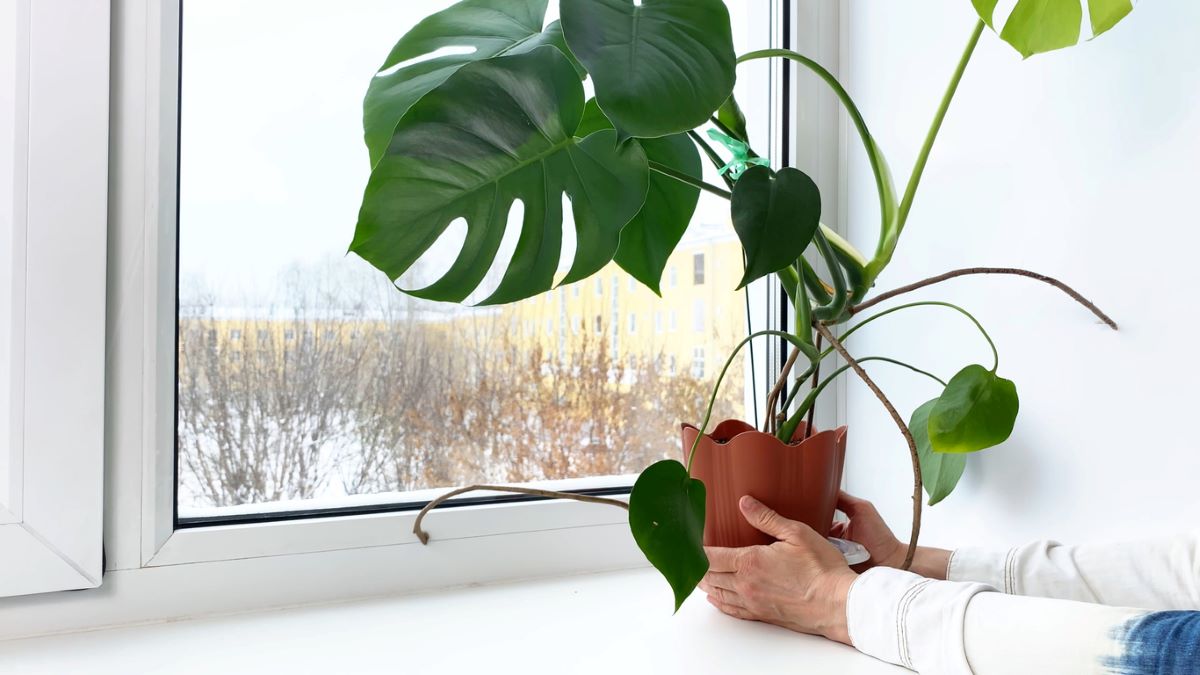
As temperatures drop, your Monstera needs special attention. Winter care is key to its health and growth.
The Monstera, with its lush leaves and tropical vibes, thrives in warm, humid conditions. But when winter’s chill sets in, this beloved houseplant faces new challenges. Without the right care, its vibrant green leaves can wilt, and its growth can stall.
That’s why understanding how to care for your Monstera during the colder months is crucial. Your home becomes a refuge for your green friend as winter bites. The season brings less light, drier air, and cooler temperatures. These changes can stress your Monstera, but don’t worry – with the right steps, you can keep it healthy and happy. This guide will walk you through the essential tips for Monstera winter care. From adjusting your watering routine to finding the perfect spot for your plant, we’ll cover all you need to know to help your Monstera flourish even when the weather outside is frightful. Let’s ensure your Monstera gets through winter without a scratch.
Winter Light Needs
As winter rolls in, Monstera plants face shorter days and less intense sunlight. The right light is crucial for keeping your Monstera happy during these chilly months. Understanding the winter light needs of your Monstera will ensure it continues to thrive, even as the sunny days of summer are a distant memory. Let’s explore how to brighten up your Monstera’s world when the temperatures drop.
Natural Light Sources
While Monstera plants adore bright, indirect light, winter’s gloomy days can pose a challenge. To meet your Monstera’s light needs, consider these tips for maximizing natural light sources:
- Position your Monstera near a window that receives ample daylight. A south-facing window is ideal, but east or west-facing will also work.
- Keep windows clean to allow every possible ray of sunshine to filter through.
- Use light-colored curtains or blinds to diffuse direct sunlight, which can be harsh and cause leaf burn.
- Rotate your plant regularly to ensure all sides receive equal light exposure.
In areas with extremely short days, you might need to get creative. Here’s a handy table to help you adjust your Monstera’s position for optimal light intake:
| Window Direction | Monstera Placement | Comments |
|---|---|---|
| South-facing | Directly in front | Best spot for winter light |
| East/West-facing | Close to the window | Morning or afternoon sun |
| North-facing | Next to the window | Lowest light; monitor for signs of stretching |
Artificial Light Options
On days when natural light just isn’t enough, artificial light options come to the rescue. Artificial lights can supplement or even replace natural light for your Monstera during winter. Consider these solutions:
- LED grow lights are energy-efficient and emit a light spectrum that supports plant growth.
- Fluorescent tubes, especially T5 or T8, can be hung above your Monstera to simulate overhead sun.
- Adjustable desk lamps with full-spectrum bulbs can spotlight areas that need more light.
- Use a timer to ensure your Monstera gets a consistent amount of light, mimicking natural day length.
It’s important to place these lights at the correct distance from your plant to prevent leaf scorch while still providing enough light for photosynthesis. Here’s a quick guide:
| Type of Light | Distance from Plant | Duration |
|---|---|---|
| LED Grow Light | 12-24 inches | 10-12 hours |
| Fluorescent Tube | 6-12 inches | 12-14 hours |
| Desk Lamp with Full Spectrum Bulb | 12-24 inches | As needed |
Remember to watch your Monstera for signs that it’s getting too much or too little light, such as yellowing or drooping leaves. Adjust the lighting setup as needed to keep your plant in top condition.
Temperature Preferences
As winter’s chill sets in, caring for your Monstera becomes a delicate dance with temperature. These tropical natives thrive in warm, humid environments and can struggle when the mercury dips. Understanding their temperature preferences is key to keeping your Monstera happy during the colder months. Let’s explore how to maintain the ideal conditions for your leafy friend to ensure it stays healthy and vibrant all winter long.
Ideal Indoor Temperatures
Monsteras are not fans of the cold. They prefer a cozy indoor climate similar to their natural habitat. Here’s what you need to know to keep the temperature just right:
- Consistent Warmth: Aim to keep your indoor temperature between 65 to 75°F (18 to 24°C) during the day.
- Nighttime Drop: At night, it’s okay if the temperature dips a bit, but try to keep it above 60°F (15°C).
- Thermometer Check: Use a room thermometer to monitor the temperature around your Monstera. This helps you make quick adjustments if needed.
Remember, your heating system can affect humidity levels, which are also crucial for Monstera care. Dry air from heaters can stress your plant. Consider using a humidifier to maintain a comfortable moisture level.
Avoiding Cold Drafts
While maintaining ideal indoor temperatures, it’s equally important to shield your Monstera from cold drafts. These sudden chills can shock your plant, leading to leaf damage and stunted growth. Protect your Monstera with these steps:
- Window Wisdom: Keep your Monstera away from windows that leak cold air. Even a small draft can harm your plant.
- Door Drafts: Ensure that doors leading outside are well-insulated. Use draft stoppers if necessary.
- Insulation Check: Examine your home for any insulation issues. Fixing these can prevent cold spots that might affect your Monstera.
Monitor your Monstera for signs of cold stress, like drooping leaves or brown spots. If you notice these symptoms, assess your room for drafts and adjust your plant’s location. Keeping your Monstera warm and draft-free is essential for its winter wellbeing.
Watering Routine
Caring for Monstera during winter is crucial. The key? A good watering routine. It’s different from summer. Let’s dive into how to water your Monstera right in the colder months.
Signs Of Overwatering
Too much water is a common mistake. It can harm your Monstera. Here are signs your plant has too much water:
- Yellow leaves: A classic sign. It means roots can’t take in oxygen well.
- Soft, mushy stems: They feel different than healthy ones.
- Mold on soil: Too much water leads to mold or fungus.
- Water sitting on the pot’s bottom: It shows water isn’t draining right.
Keep an eye out for these signs. If you see them, let the soil dry out more between watering. Check the pot’s drainage too. Make sure water can escape.
Signs Of Underwatering
Just like too much water, too little isn’t good. Your Monstera needs enough to stay healthy. Signs it’s too dry include:
- Dry, brown tips on leaves: They show the plant isn’t getting enough water.
- Leaves curling: They try to keep moisture in this way.
- Slow growth: All plants need water to grow. Less water, less growth.
- Soil pulls away from pot sides: This means soil is very dry.
If your Monstera shows these signs, water it more often. But, don’t overdo it. Find a balance. Check the soil before watering. It should feel slightly dry, not completely.

Humidity Levels
As winter approaches, your lush Monstera may face a new challenge: dry air. Heated homes often lack the moisture Monstera plants crave. Understanding and managing humidity levels is key to keeping your Monstera healthy during the colder months. Let’s dive into how you can maintain the right environment for your green friend.
Maintaining Humidity
To keep your Monstera happy in winter, aim for a humidity level between 40% and 60%. Here’s how you can achieve this:
- Group Plants Together: Create a mini indoor garden by placing plants close to each other. This helps raise humidity levels around them.
- Water Wisely: Keep the soil slightly moist. Avoid overwatering, as this can lead to root rot.
- Use a Pebble Tray: Fill a tray with pebbles and water, then place your Monstera pot on top. As the water evaporates, it increases the moisture in the air.
Here’s a simple table to help you monitor and adjust the humidity levels:
| Method | Benefits | How Often |
|---|---|---|
| Grouping Plants | Creates a microclimate | Continuous |
| Watering | Maintains soil moisture | As needed |
| Pebble Tray | Provides constant humidity | Refill as water evaporates |
Using Humidifiers
When the air gets too dry, humidifiers can be a Monstera’s best friend. Here are some tips to use them effectively:
- Choose the Right Size: Get a humidifier that matches the size of your room. Too small and it won’t make a difference; too big and you might get too much moisture.
- Positioning: Place the humidifier close to your Monstera, but not directly next to it. You want to avoid water droplets forming on the leaves, which can lead to fungal diseases.
- Clean Regularly: Keep your humidifier clean to prevent mold and bacteria growth. Follow the manufacturer’s instructions for maintenance.
Here’s a guideline to help you manage humidifier use:
| Humidifier Type | Room Size | Maintenance Frequency |
|---|---|---|
| Small Portable | Small to medium room | Every 2-3 days |
| Console | Large room | Weekly |
| Ultrasonic | Any size room | As per manual |
Remember, consistency is key. Monitor the humidity levels with a hygrometer and adjust your humidifier settings as needed to keep your Monstera thriving during winter.
Soil Considerations
As the chill of winter approaches, caring for your Monstera becomes crucial, especially when it comes to soil. The right soil mix can protect your plant from the cold and keep it healthy. During winter, Monstera plants need soil that supports root health and ensures proper moisture levels. Let’s delve into the best soil mixes and understand the importance of soil drainage for your Monstera during the colder months.
Best Soil Mixes
The ideal soil mix for a Monstera plant in winter should promote root aeration and provide the right nutrients. A soil that’s too dense can lead to waterlogging, which is harmful to the plant’s roots. Conversely, a mix that’s too light may not retain enough moisture, leading to dehydration. Here are some components for the perfect Monstera soil mix:
- Peat Moss: Retains moisture and provides a light, airy structure.
- Perlite: Improves aeration and drainage, preventing root rot.
- Pine Bark Fines: Enhance drainage and mimic the Monstera’s natural environment.
- Worm Castings: Offer nutrients and improve soil structure.
Aim for a mix that is part peat, part perlite, and part pine bark. A good starting ratio is 30% peat moss, 30% perlite, and 40% pine bark. This mix encourages healthy root growth while maintaining moisture balance. Adjust the mix based on your home’s humidity levels and the Monstera’s response.
Soil Drainage Importance
Soil drainage is essential for Monstera plants, especially in winter. Poor drainage can lead to water stagnation around the roots, causing root rot and fungal growth. This is a serious issue in colder months when plants are less active. To ensure good drainage, consider these tips:
- Use pots with drainage holes: They allow excess water to escape.
- Monitor watering: Water less in winter, only when the top inch of soil is dry.
- Elevate the pot: Use a stand or feet to improve airflow and drainage.
- Check the soil’s condition: If water pools on top, the soil may be too compact.
A well-draining soil mix will keep your Monstera’s roots oxygenated and healthy. It prevents water from sitting at the bottom of the pot, which can be detrimental. Always choose a potting mix that combines good drainage properties with the ability to hold some moisture, to support your Monstera throughout the winter season.
Fertilization Tips
During winter, caring for your Monstera requires a bit more attention. Fertilization plays a key role in keeping your plant healthy. Let’s talk about how to do it right. We’ll cover choosing the right fertilizer and how often to use it. These tips will help your Monstera thrive, even in the colder months.
Choosing The Right Fertilizer
Choosing the right fertilizer for your Monstera is crucial. Not all fertilizers are the same. They have different ingredients that feed plants. For Monsteras, you need a balanced mix. Look for a fertilizer that has equal parts nitrogen, phosphorus, and potassium. These are often labeled as N-P-K. For example, a 10-10-10 or a 20-20-20 mix is good.
- Nitrogen (N) helps leaves grow big and green.
- Phosphorus (P) is good for roots and helps flowers bloom.
- Potassium (K) fights off diseases and keeps the plant strong.
Also, consider organic versus synthetic fertilizers. Organic options are kinder to the environment. They release nutrients slowly. This is good for your Monstera in the long run. Synthetic fertilizers work fast but can harm the soil and roots if used too much.
Here’s a simple table to help you decide:
| Type | Pros | Cons |
|---|---|---|
| Organic | Safe for the environment, slow release | More expensive, slower results |
| Synthetic | Fast results, cheaper | Can damage soil and roots with overuse |
Frequency Of Application
How often should you fertilize your Monstera in winter? Less is more during these months. Monsteras grow slower in the cold. They don’t need as much food. A good rule is to fertilize once a month. This is less often than in the summer when they grow more.
Remember to follow the instructions on your fertilizer package. Using too much can hurt your Monstera. If the leaves turn yellow or brown, you might be overdoing it. Water your plant before fertilizing. This helps spread the nutrients evenly and prevents root burn.
Here are some quick tips:
- Use half the recommended amount in winter.
- Fertilize once a month or less.
- Water your Monstera before applying fertilizer.
Adjusting your fertilization routine for winter can make a big difference. Your Monstera will be healthier and ready to grow when spring comes. Remember, every plant is unique. Watch how your Monstera reacts and adjust as needed. Happy gardening!
Pest Management
Caring for your Monstera during the cold months involves more than just adjusting water and light. Pests can be a real problem in winter, too. Heated indoor air creates a cozy environment for unwanted guests on your plants. Let’s dive into pest management to keep your Monstera healthy and happy through winter.
Common Winter Pests
As temperatures drop outside, certain pests look for warmth and may find refuge in your indoor plants. Here are some common critters that could bother your Monstera during winter:
- Spider Mites: Tiny and troublesome, they create fine webs on leaves and stems.
- Mealybugs: Look for white, cottony masses in leaf axils and under leaves.
- Scale: These appear as small brown bumps sticking to leaves and stems.
- Fungus Gnats: Small black flies buzzing around the soil surface.
Monitoring your plant regularly is key to catching these pests early. If you spot them, isolate your Monstera to prevent spread to other houseplants. Here’s a quick guide on identifying and dealing with these pests:
| Pest | Identification | Immediate Action |
|---|---|---|
| Spider Mites | Webbing on leaves; yellow speckles. | Wipe leaves with soapy water; use miticide if needed. |
| Mealybugs | White, fluffy spots on leaf joints. | Remove with alcohol-dipped cotton swabs. |
| Scale | Brown, hard lumps on plant parts. | Scrape off gently; apply horticultural oil. |
| Fungus Gnats | Small black flies around soil. | Let soil dry out; use sticky traps. |
Preventive Measures
To stop pests from making your Monstera their winter home, prevention is your best friend. Here are effective steps to keep your plant pest-free:
- Inspect Regularly: Look at your Monstera’s leaves, stems, and soil weekly.
- Clean Leaves: Dust-free leaves are less inviting to pests. Wipe them gently with a damp cloth.
- Control Humidity: Keep humidity moderate. Too high can attract pests; too low is bad for the plant.
- Avoid Overwatering: Wet soil attracts fungus gnats. Let the topsoil dry between waterings.
- Quarantine New Plants: Keep new plants away from your Monstera for a few weeks to ensure they are pest-free.
Implementing these measures will go a long way in protecting your Monstera. Remember, a strong, healthy plant can fight off pests better than a weak one. Feed your Monstera with the right nutrients, and don’t forget to give it the love and care it deserves.
Pruning Practices
As winter casts its chilly spell, your Monstera’s growth slows, but your care for this lush beauty should not. Pruning becomes a crucial part of winter care, ensuring your plant stays healthy and vibrant. Understanding the right time and tools to prune can make a big difference. Let’s dive into the best practices to keep your Monstera thriving through the cold months.
When To Prune
Pruning your Monstera during winter is all about timing. You want to give your plant the best chance to recover and flourish when spring arrives. Here’s a simple guide:
- Early Winter: Prune sparingly. Only remove dead or yellow leaves to avoid stressing the plant.
- Mid-Winter: Hold off on pruning. The plant is in a resting phase, and cutting can cause more harm than good.
- Late Winter: Prepare for growth. Trim any overgrowth or leggy stems to encourage new, fuller growth in spring.
Remember, your Monstera’s health is the priority. Prune only when necessary to maintain its shape and remove any unhealthy parts. A table for reference:
| Winter Period | Pruning Action |
|---|---|
| Early Winter | Minimal pruning |
| Mid-Winter | No pruning |
| Late Winter | Prune for spring growth |
Pro Tip: Always check your plant’s specific needs. Some Monsteras may need more attention depending on their environment.
Tools For Pruning
Choosing the right tools for pruning is as important as the timing itself. Here’s what you need to keep your Monstera happy:
- Sharp Scissors: Ideal for snipping off smaller, easy-to-reach leaves and stems.
- Pruning Shears: Best for thicker stems and branches. Make sure they’re clean to prevent disease.
- Gloves: Protect your hands from the plant’s sap, which can be irritating to some.
Ensure your tools are sharp and clean before you begin. Dull or dirty tools can damage your Monstera and introduce harmful pathogens. A quick guide on tool care:
| Tool Type | Care Tip |
|---|---|
| Scissors and Shears | Sharpen and disinfect before use |
| Gloves | Wash after use to remove sap |
Remember: After pruning, clean your tools again. This helps to keep your Monstera and other houseplants safe from cross-contamination.
Repotting Guidelines
Caring for your Monstera during winter involves special attention, particularly regarding repotting. The cold season can stress these tropical plants. Understanding when and how to repot is key. Let’s dive into the guidelines to ensure your Monstera thrives even in the chilly months.
Signs For Repotting
Monstera plants need room to grow. Here are clear signs your plant is asking for a bigger home:
- Roots are visible at the pot’s surface or coming out of the drainage holes.
- Slowed growth despite proper care.
- Water runs through the pot too quickly, indicating the soil is too compact or the pot is too small.
- Soil dries out faster than usual, even in winter.
- The plant looks top-heavy and might tip over.
These signs show your Monstera is cramped and needs more space to continue thriving.
Best Times To Repot
Timing is everything when it comes to repotting. For Monstera, the best time is early spring before the growth season starts. This gives the plant a chance to settle in its new pot. Yet, if you missed this window, there’s still hope. Here are your options:
| Season | Is it okay to repot? |
|---|---|
| Spring | Yes, ideal time. |
| Summer | Yes, but ensure the plant gets enough water and not too much sun. |
| Fall | Possible, but growth may slow down. |
| Winter | Not recommended unless it’s an emergency. |
In emergency cases, like root rot, repot immediately, regardless of the season. Always choose a pot that is 2-3 inches larger in diameter than the current one. This provides ample space for growth without overwhelming the plant. Remember, a happy Monstera is a healthy Monstera.
Propagation Techniques
Growing a Monstera plant brings tropical flair to your home even during the cold winter months. When the temperature drops, it’s the perfect time to focus on indoor gardening tasks, like propagation. Let’s dive into some effective techniques for propagating your Monstera, ensuring you can expand your collection or share this stunning plant with friends.
Cuttings In Winter
Winter might seem like a dormant period for plants, but it’s an ideal time for propagating your Monstera. Here’s why:
- Less Stress: The plant is not focusing on growth, so it can recover more easily from the cutting.
- Pre-Spring Boost: Cuttings rooted in winter get a head start for spring growth.
- Indoor Activity: It’s a cozy, rewarding indoor project when outdoor gardening is off-limits.
First, find a healthy section of your Monstera with at least one node – the knobby part where leaves and roots grow. Here’s a step-by-step guide:
- Choose a stem with a node and a leaf.
- Use clean, sharp scissors to make your cut.
- Place the cutting in a warm spot with indirect light.
- Keep the humidity up around your cutting.
Remember, patience is key. Roots might take a few weeks to develop. Keep your cutting warm and moist, and soon enough, it’ll be ready to pot.
Water Vs. Soil Propagation
When propagating Monstera, two popular methods stand out: water and soil propagation. Each has its pros and cons, especially during winter. Let’s compare:
| Water Propagation | Soil Propagation | |
|---|---|---|
| Visibility | See roots growing | Roots hidden |
| Root Health | Less risk of rot | Risk of rot if overwatered |
| Transition | Roots may shock in soil | Seamless growth in final pot |
| Speed | Slower in cold | Faster if warm and humid |
Water propagation lets you watch the roots develop, which is fascinating and useful for monitoring their health. However, roots grown in water might experience shock when transferred to soil, a process that’s best done before the active growth season in spring.
Soil propagation, on the other hand, may be more straightforward since the cutting grows in its final medium from the start. Keep the soil consistently moist and warm to encourage root growth. Use a clear plastic bag to create a mini-greenhouse effect around the pot, trapping humidity and warmth.
Both methods require attention to moisture levels, warmth, and light. With proper care, your Monstera cuttings will thrive, even in winter’s chill.
Signs Of Stress
Monstera plants, with their lush green leaves, bring a tropical vibe to any space. As temperatures drop in winter, these tropical natives need extra care to stay healthy. It’s vital to know how to spot signs of stress in your Monstera. This way, you can take quick action to keep your green buddy thriving. Let’s dive into some common stress signals and understand what they mean.
Leaf Dropping
Leaf dropping in Monsteras during winter can be alarming. It’s often a sign the plant is not happy. Various factors might cause this issue. Here’s what to look out for:
- Temperature Fluctuations: Monsteras prefer a steady climate. Sudden cold drafts or a drop in temperature can lead to leaf loss.
- Overwatering: In winter, your Monstera’s water needs decrease. Too much water can cause root rot, leading to leaves dropping.
- Low Humidity: Heaters can dry out indoor air. Monsteras love humidity. A lack of it can stress them out.
Check these factors and adjust your care routine. Consider moving your plant away from cold windows and reduce watering. A humidifier can also help maintain the right moisture level in the air. Here’s a quick table to help you adjust your Monstera care:
| Care Aspect | Winter Adjustment |
|---|---|
| Location | Away from drafts, near a sunny window |
| Watering | Less frequent, let soil dry out more between waterings |
| Humidity | Use a humidifier or mist regularly |
Yellowing Leaves
Yellow leaves on a Monstera can be a sign that your plant is calling for help. During winter, it’s important to keep an eye out for these changes:
- Overwatering: Too much water can suffocate roots, causing leaves to yellow. Let the soil dry out between waterings.
- Poor Nutrition: Yellow leaves might signal a need for nutrients. Feed your Monstera with a balanced fertilizer suited for low-light conditions.
- Low Light: Shorter days mean less sunlight. Your Monstera may need a boost. Consider a grow light to supplement natural light.
Regularly check the soil moisture with your finger. If it’s wet, hold off on watering. A well-draining soil mix also helps prevent water buildup. Lastly, rotate your Monstera to ensure even exposure to light. This table can guide you to prevent yellowing leaves:
| Care Aspect | Winter Adjustment |
|---|---|
| Watering | Water only when top 2 inches of soil are dry |
| Fertilizing | Use a balanced, water-soluble fertilizer monthly |
| Lighting | Provide grow light if natural light is insufficient |
Winter Care Myths
As winter wraps its chilly arms around us, Monstera plant parents might fret over the right care tactics. There’s a jungle of myths out there! Let’s debunk the false whispers and ensure your green buddy thrives even when the mercury dips.
Common Misconceptions
Plant care in winter can be tricky, and Monstera is no exception. Many believe this tropical plant can’t handle the cold season, but it’s about adapting care, not surrendering to myths. Let’s clear the air:
- Myth: Monsteras need the same amount of water in winter as in summer.
- Truth: They actually prefer less. The soil should dry out more between waterings.
Another common myth is that Monsteras need frequent fertilization to survive the winter. In truth, their growth slows down, and they require less feeding. A table below illustrates some more misconceptions and the realities:
| Myth | Reality |
|---|---|
| Monstera leaves grow in winter. | Growth often pauses due to lower light levels and temperatures. |
| Monstera thrives in any indoor temperature. | They prefer temperatures above 60°F (15°C). |
| Winter drafts don’t affect Monstera. | Drafty windows can cause leaf damage. Keep them away from cold drafts. |
Fact Vs. Fiction
When it comes to winter care, the line between fact and fiction can seem blurred. It’s vital to separate the two to avoid harming your Monstera. Below, we’ll tackle some common claims:
- Claim: Monsteras can survive without any sunlight during winter.
- Verdict: Fiction. While they need less light, some is still essential for their health.
Many think that Monsteras must stay warm at all costs, leading to overuse of heaters. This can dry out the air too much, harming the plant. Here’s a breakdown of what’s true and what’s not:
| Statement | Fact or Fiction | Explanation |
|---|---|---|
| Keep Monsteras near heaters for warmth. | Fiction | Heaters can dry out the air and soil too quickly, stressing the plant. |
| Pruning in winter helps Monstera grow. | Fiction | It’s best to prune in the growing season when the plant can recover faster. |
| Humidifiers are good for winter care. | Fact | They help maintain humidity levels, mimicking the plant’s natural environment. |
By understanding these facts, you can give your Monstera the right winter care it deserves. Don’t let myths lead you astray. Keep your plant happy and healthy all year round!
Frequently Asked Questions
How Often Should Monstera Be Watered In Winter?
Monstera plants require less water during the winter months. It’s best to water them once the soil has completely dried out. Typically, watering every 2-3 weeks is sufficient. Over-watering can lead to root rot, so ensure the top inch of soil is dry before watering.
Does Monstera Need Sunlight During Winter?
Yes, Monstera still needs sunlight in winter but less direct exposure. Place it in a spot where it can receive bright, indirect light. Too little light can slow growth, but direct sunlight can scorch the leaves. Rotate the plant for even light distribution.
What Temperature Is Ideal For Monstera In Winter?
Monstera prefers temperatures between 65-75°F (18-24°C) during the day and not below 60°F (15°C) at night. Keep them away from cold drafts and heating vents to avoid sudden temperature changes. Consistent, warm temperatures will help maintain its health through winter.
Should I Fertilize Monstera In Winter?
Fertilization during winter is not necessary for Monstera plants. Growth slows in cooler months, so they require fewer nutrients. Resume fertilizing in spring when the growing season starts and the plant shows signs of new growth. Use a balanced, water-soluble fertilizer for best results.
Conclusion
Taking care of your Monstera during winter doesn’t have to be tough. Keep it warm, hydrated, and well-lit. Remember, less water, more humidity. Protect it from cold drafts. Your Monstera will thrive with these simple steps. Ready for spring’s growth.
A happy, healthy Monstera is just around the corner. Just follow these tips. Keep your green friend smiling through the chilly months!
Leave a Reply