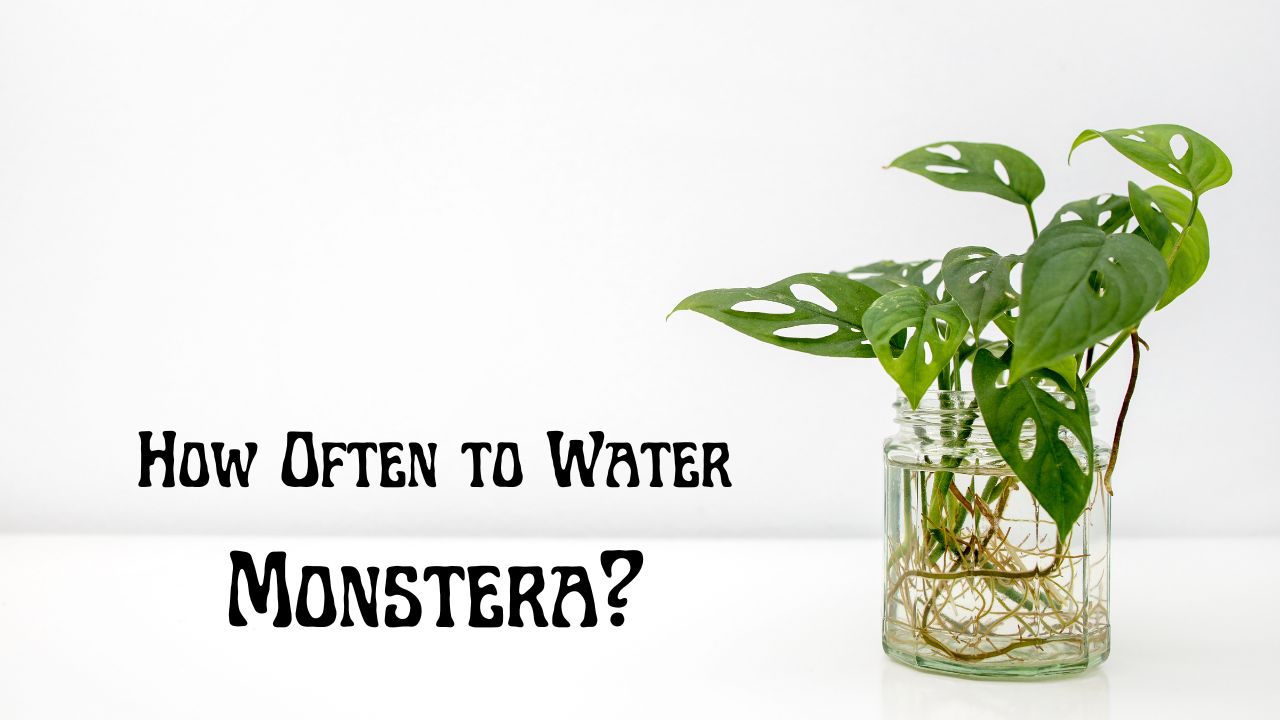
Water Monstera plants when the top inch of soil feels dry. Overwatering can harm them.
Monstera plants, also known as Swiss Cheese plants, are popular houseplants. They thrive in many indoor environments. Proper watering is key to their health. Too much water can lead to root rot, while too little can cause the leaves to wilt.
Finding the right balance is essential. This guide will help you understand how often to water your Monstera. We’ll discuss signs of overwatering and underwatering, and give tips for maintaining the perfect moisture level. By the end, you’ll feel confident in caring for your Monstera plant. Let’s dive in!
Introduction To Monstera Plants
Monstera plants need watering once every 1-2 weeks. Check if the top inch of soil is dry before watering. Overwatering can harm the plant.
Monstera plants are popular houseplants known for their unique leaves. Their leaves have striking splits and holes. This feature gives them a tropical look. Native to Central and South America, they thrive in warm, humid environments. Monstera plants are relatively easy to care for. They are perfect for beginners and seasoned plant enthusiasts alike. Their lush, green foliage adds a touch of nature indoors.Popular Varieties
Several Monstera varieties are popular among plant lovers. Monstera deliciosa is the most well-known. It has large, glossy leaves with deep splits. Monstera adansonii, also called the Swiss cheese plant, has smaller leaves with more holes. Monstera obliqua is rare and highly sought after. Its leaves have delicate, intricate patterns. Each variety offers a unique look, adding diversity to your plant collection.Basic Care Needs
Monstera plants need bright, indirect light to thrive. Direct sunlight can scorch their leaves. They prefer well-draining soil that retains some moisture. Watering needs vary based on the environment. Generally, water when the top inch of soil feels dry. Overwatering can lead to root rot. Ensure your plant has good drainage. Humidity is essential for healthy growth. Mist the leaves or use a humidifier. Fertilize monthly during the growing season with a balanced, water-soluble fertilizer. Prune occasionally to maintain shape and encourage new growth. “`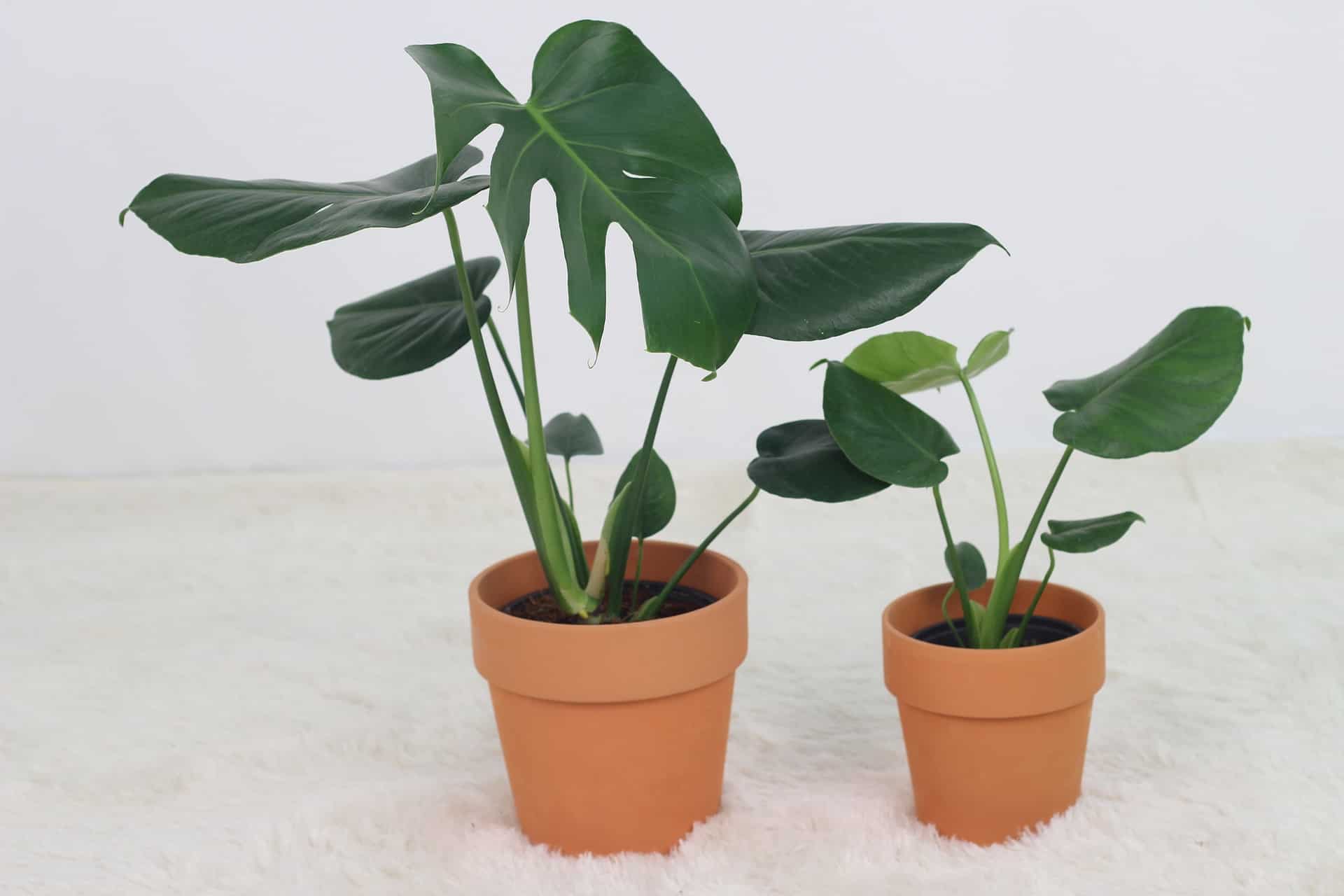
Watering Frequency
Knowing the correct watering frequency for your Monstera plants is essential. These tropical beauties thrive with the right balance of moisture. Overwatering or underwatering can harm their growth. Let’s dive into the factors that affect watering frequency and how seasonal changes play a role.
Factors Affecting Watering
Several factors impact the watering needs of Monstera plants. Understanding these can help maintain healthy and lush plants.
| Factors | Description |
|---|---|
| Soil Type | Well-draining soil retains the right moisture. Heavy soil can cause root rot. |
| Pot Size | Larger pots hold more water. Smaller pots dry out quickly. |
| Light Exposure | More light means faster water evaporation. Less light means water lasts longer. |
| Humidity | High humidity reduces watering needs. Low humidity increases it. |
Seasonal Changes
The seasons significantly influence watering frequency. Monstera plants need different care throughout the year.
- Spring and Summer: Water more often. Soil dries faster due to warmer temperatures.
- Autumn and Winter: Reduce watering. Cooler temperatures mean soil retains moisture longer.
Always check the soil before watering. Stick your finger 1-2 inches deep. If it feels dry, it’s time to water. If it’s still moist, wait a few days and check again.
Signs Of Overwatering
Proper watering is crucial for Monstera plants. Overwatering can harm your plant’s health. Identifying signs of overwatering early can save your plant. Let’s explore the common symptoms and how to fix overwatering issues.
Common Symptoms
Yellowing leaves are a primary sign of overwatering. If leaves turn yellow and wilt, check the soil moisture. Wet soil and a musty smell indicate excess water. Another symptom is root rot. This causes a foul odor from the soil. Brown spots on leaves can also occur. These spots are usually soft and mushy. Lastly, fungus growth on the soil surface is a clear sign.
How To Fix Overwatering
First, stop watering the plant. Allow the soil to dry out completely. Remove the plant from the pot and check the roots. Trim any brown, mushy roots with clean scissors. Repot the plant in fresh, well-draining soil. Use a pot with drainage holes to prevent future issues. Reduce the watering frequency. Only water when the top inch of soil feels dry. Monitor the plant for new growth and signs of recovery.
Signs Of Underwatering
Monstera plants thrive in tropical environments, meaning they love moisture. Underwatering can harm these plants. Recognizing the signs of underwatering is crucial. Let’s dive into the common symptoms and how to fix them.
Common Symptoms
Underwatered Monstera plants show several signs. Here are the most common ones:
- Dry Soil: Check the soil. If it’s dry, your plant needs water.
- Wilting Leaves: Wilting leaves are a clear sign of underwatering.
- Yellowing Leaves: Leaves turn yellow when the plant lacks water.
- Crispy Edges: Leaf edges become crispy and brown.
- Slow Growth: The plant’s growth slows down.
How To Fix Underwatering
Correcting underwatering involves simple steps. Follow these tips to revive your Monstera:
- Water Thoroughly: Ensure you water the plant until water drains from the bottom.
- Check Soil Moisture: Use a moisture meter to monitor soil moisture levels.
- Adjust Watering Schedule: Water your Monstera more frequently, especially in dry conditions.
- Mist the Leaves: Mist the leaves to increase humidity around the plant.
- Use Proper Soil: Ensure the soil retains moisture but drains well.
Remember, consistency is key. Your Monstera will recover with proper care.
Best Watering Techniques
Watering Monstera plants correctly ensures they thrive. Proper watering prevents root rot and promotes growth. Let’s explore the best techniques for watering these beautiful plants.
Top Watering Methods
There are a few effective ways to water Monstera plants. One popular method is bottom watering. Place the pot in a shallow dish of water. Let the plant soak up water through the drainage holes. This ensures deep and even hydration.
Another method is top watering. Pour water slowly onto the soil surface. Ensure water reaches the roots without flooding. This method is quick and efficient.
Tools To Use
Using the right tools makes watering easier. A watering can with a long spout helps reach the soil without wetting the leaves. This prevents mold and disease. A moisture meter is also useful. It checks soil moisture levels and tells you when it’s time to water.
Another helpful tool is a saucer. Place it under the pot to catch excess water. This protects your floors and furniture. Remember to empty the saucer to prevent waterlogging.
Soil And Drainage
Monstera plants need the right soil and proper drainage to thrive. The soil mix and drainage play a key role in keeping these plants healthy. If the soil is too dense or the pot does not drain well, your Monstera can suffer. Let’s explore the best soil and drainage solutions.
Choosing The Right Soil
Choosing the right soil is critical. Monstera plants prefer soil that is rich and well-draining. A mix of peat moss, pine bark, and perlite works best. This combination holds moisture without being too wet.
- Peat moss: Retains moisture and provides nutrients.
- Pine bark: Improves aeration and drainage.
- Perlite: Lightens the soil and enhances drainage.
Avoid using heavy garden soil. It compacts easily and prevents proper root growth. You can find specialized Monstera soil mixes at garden centers.
Improving Drainage
Good drainage prevents root rot. Ensure your pot has drainage holes. If not, water can accumulate and harm the plant. You can also improve drainage by adding a layer of gravel at the bottom of the pot.
| Component | Function |
|---|---|
| Drainage Holes | Allow excess water to escape |
| Gravel Layer | Prevents water from pooling |
Another method is to use a pot with a self-watering system. These pots have a water reservoir that supplies water as needed. This ensures the soil stays moist without being waterlogged.
Remember, proper soil and drainage are the keys to a healthy Monstera. Following these tips will help you provide the best care for your plant.
Humidity And Environment
Humidity and environment play a crucial role in the health of Monstera plants. These tropical plants thrive in specific conditions. Understanding and maintaining the right environment can make a big difference. Let’s dive into the ideal humidity levels and how to adjust your indoor conditions for optimal growth.
Ideal Humidity Levels
Monstera plants prefer high humidity levels. The ideal range is between 60% and 80%. This mimics their natural tropical habitat. Lower humidity can cause the leaves to dry out. It can also lead to brown edges and slower growth. Using a hygrometer can help you monitor the humidity levels in your home.
Adjusting Indoor Conditions
Increasing humidity indoors can be simple. Use a humidifier to maintain the desired levels. Placing a tray of water near your Monstera can help too. Grouping plants together can also create a more humid microclimate. Misting the leaves regularly can provide a quick humidity boost.
Avoid placing your Monstera near heating vents or air conditioners. These can dry out the air. Ensure good air circulation to prevent mold and mildew. Your Monstera will thrive in a stable, humid environment.

Expert Tips And Tricks
Watering Monstera plants can be tricky. These popular houseplants need the right balance. Too much or too little water can harm them. In this section, we will share expert tips and tricks. These will help you keep your Monstera healthy and thriving.
Proven Strategies
Understanding your Monstera’s needs is key. Follow these proven strategies to ensure proper watering:
- Check soil moisture: Use your finger to check the top inch of soil. If it feels dry, it’s time to water.
- Watering schedule: Generally, water your Monstera once a week. Adjust based on humidity and season.
- Drainage: Ensure the pot has drainage holes. This prevents water from pooling and causing root rot.
For best results, water your Monstera in the morning. This allows excess water to evaporate during the day. Use room-temperature water to avoid shocking the plant.
Common Mistakes To Avoid
Many plant owners make mistakes when watering their Monstera. Here are some common pitfalls to avoid:
- Overwatering: Too much water can lead to root rot. Ensure the soil dries out slightly between waterings.
- Underwatering: Dry, crispy leaves are a sign of underwatering. Maintain a consistent watering schedule.
- Ignoring the season: Monsteras need less water in winter. Adjust your watering habits with the changing seasons.
Remember, each Monstera is unique. Observe your plant and adjust your care routine as needed. Happy watering!
Frequently Asked Questions
How Often Should I Water My Monstera Plant?
Water your Monstera plant every 1-2 weeks. Check the top inch of soil. If it is dry, it’s time to water.
Can I Overwater A Monstera Plant?
Yes, overwatering can harm Monstera plants. Yellowing leaves indicate overwatering. Ensure proper drainage to prevent root rot.
What Is The Best Watering Technique For Monstera?
Water thoroughly until water drains from the pot’s bottom. Empty the saucer to avoid standing water. Avoid misting leaves frequently.
How Do I Know If My Monstera Is Underwatered?
Underwatered Monstera shows wilting leaves and dry soil. Brown edges and curling leaves are common signs. Water immediately.
Conclusion
Watering Monstera plants can be tricky but rewarding. Check the soil moisture regularly. Use your finger to feel the top inch of soil. Water thoroughly once it feels dry. Avoid overwatering to prevent root rot. Remember, these plants like humidity, too.
Mist the leaves occasionally for extra moisture. Consistency is key. With proper care, your Monstera will thrive and grow. Happy gardening!
Leave a Reply