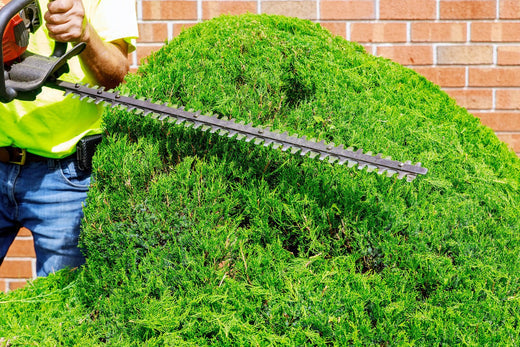
Your hedge trimmer is one of your best tools for keeping your garden neat and beautiful. But have you ever noticed it doesn’t cut as smoothly as before?
That’s usually a sign your blades need sharpening. Knowing how often you should sharpen hedge trimmer blades can save you time, effort, and even money. If you want your trimmer to work like new and make your yard work easier, keep reading.
You’ll discover simple tips to keep your blades sharp and your garden looking its best all season long.
Importance Of Sharp Blades
Sharp bladeshelp plants stay healthy. Dull blades can tear leavesand branches. This causes damageand makes plants weak. Sharp blades make clean cuts. Clean cuts heal faster and stop diseasefrom spreading.
Cutting with sharp blades is easier and faster. It saves energyand effort. Blades that are sharp cut branches smoothly. This reduces the time spent on trimming. Sharp blades also protect the machineand last longer.
Credit: www.bobvila.com
Signs Blades Need Sharpening
Difficulty cuttingis a clear sign the blades need sharpening. If the trimmer drags or stops often, blades are dull. Jagged or uneven cutson plants show the blades are not sharp enough. Clean, smooth cuts mean sharp blades.
Visible blade damagelike chips, rust, or bent parts means sharpening or replacement is necessary. Using damaged blades can hurt plants and the trimmer.
Recommended Sharpening Frequency
The sharpening frequencydepends on how often you use your hedge trimmer. For light use, sharpen blades once or twice a year. For regular use, sharpen every 4 to 6 weeks. Heavy use requires sharpening every 2 to 3 weeks. Dull bladesmake cutting harder and damage plants.
Seasonal changesalso affect sharpening. Before spring, sharpen blades to get ready for new growth. After fall, sharpen to clean and protect blades for winter. This keeps blades in good shape and lasts longer.
Credit: treecarezone.com
Tools For Sharpening
Manual sharpening toolsinclude files and sharpening stones. Files are good for fixing small nicks on blades. Sharpening stones help make the blade edges smooth and sharp again. These tools need steady hands and some practice to use well. They are cheap and work without electricity.
Electric sharpenersare faster and easier to use. They have motors that spin the sharpening wheel. This wheel grinds the blade edge quickly. Electric sharpeners save time, especially if you sharpen often. But, they cost more and need power to work. Also, they can remove too much metal if not used carefully.
Step-by-step Sharpening Process
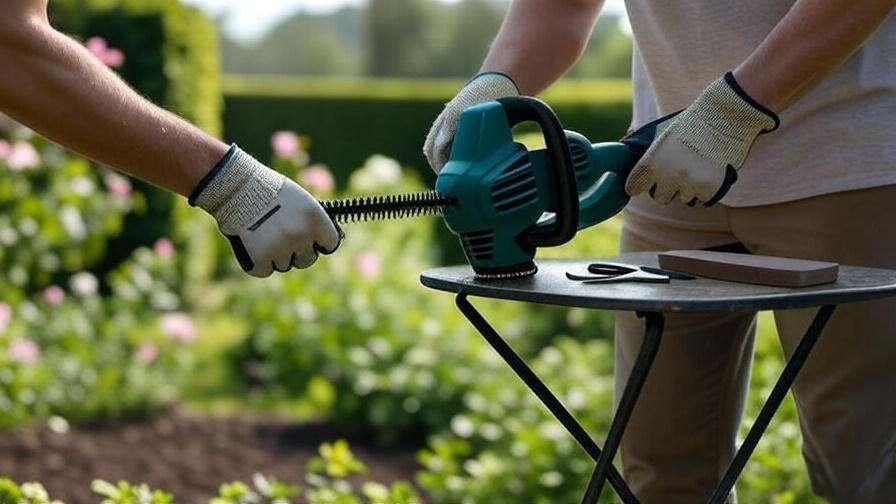
Wear thick gloves and safety glassesto protect hands and eyes. Unplug or remove the battery from the trimmer. Clear the work area to avoid accidents.
Clean the blades with a brush to remove dirt and sap. Use a cloth to dry the blades completely. Secure the trimmer on a stable surface to prevent movement.
- Use a flat file or sharpening stone for best results.
- Hold the tool at the same angle as the blade edge.
- Sharpen each blade edge with smooth, even strokes.
- Repeat until the blades look sharp and smooth.
Wipe the blades clean with a cloth to remove metal dust. Apply light oil to the blades to stop rust. Check the blades for smooth movement and proper alignment.
Maintenance Tips To Extend Blade Life
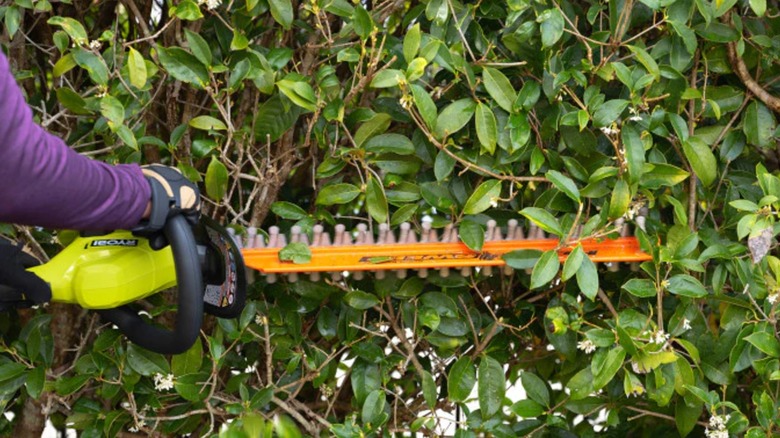
Cleaning blades after use keeps them sharp and rust-free. Remove dirt and sap with a soft brush or cloth. Wipe blades with a damp cloth, then dry well to avoid rust.
Proper storage stops blades from getting dull or damaged. Store the trimmer in a dry place away from moisture. Use blade covers or cases for extra protection.
Lubrication helps blades move smoothly and stay sharp longer. Use light oil or spray on the blades before and after each use. This reduces friction and stops rust from forming.
Credit: www.slashgear.com
Frequently Asked Questions
How Often Should Hedge Trimmer Blades Be Sharpened?
Hedge trimmer blades should be sharpened after every 20-30 hours of use. Regular sharpening ensures clean cuts and prevents damage. Frequent maintenance improves tool efficiency and extends blade life.
What Are Signs Blades Need Sharpening?
Dull blades cause uneven cuts, tearing, or stripped branches. If trimming feels harder or takes longer, blades likely need sharpening. Inspect blades for nicks, rust, or visible dullness regularly.
Can I Sharpen Hedge Trimmer Blades Myself?
Yes, you can sharpen blades using a flat file or sharpening stone. Always disconnect power before sharpening. Follow manufacturer guidelines and maintain blade angle for best results.
Does Sharpening Improve Hedge Trimmer Performance?
Sharpening restores blade sharpness, enabling cleaner and faster cuts. It reduces motor strain and prevents plant damage. Well-maintained blades improve overall trimming quality and tool longevity.
Conclusion
Sharpen your hedge trimmer blades regularly for best results. Dull blades make cutting harder and can damage plants. Check blades after every few uses or if cutting feels tough. Keeping blades sharp saves time and effort in the garden. A sharp blade gives clean cuts, helping your hedges stay healthy.
Don’t wait until blades get very dull. Small, frequent sharpening works better than rare, big fixes. Take care of your tools to keep your garden neat and tidy. Simple habits like this improve your trimming experience greatly.
Leave a Reply