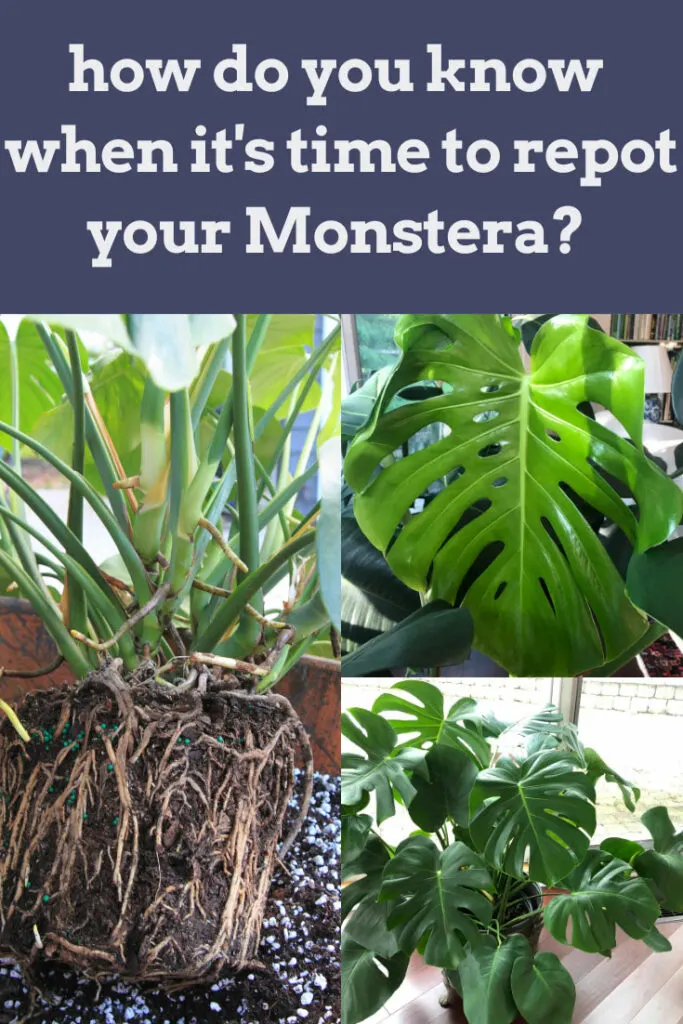
Repotting Monstera plants is essential for their health. So, how often should you do it?
Generally, repotting Monstera every 1-2 years is ideal. Monsteras thrive when they have room to grow. Their roots expand quickly, and fresh soil provides essential nutrients. But knowing exactly when to repot can be tricky. Factors like plant size, root health, and soil condition play a role.
Over time, your Monstera might show signs it needs more space. Yellowing leaves, stunted growth, or roots peeking out of the pot are clues. Understanding these signs helps keep your Monstera happy and healthy. In this guide, we’ll explore the best repotting practices for Monstera plants. You’ll learn when and how to give your plant the space it needs to flourish.

Importance Of Repotting
Repotting your Monstera is vital for its health. Over time, the plant outgrows its pot. This limits its growth and affects its well-being. Regular repotting ensures your Monstera thrives.
Why Repotting Matters
As the Monstera grows, its roots need space. A crowded pot can stunt growth. Repotting provides the necessary room. It allows the roots to spread and absorb nutrients effectively.
Old soil can lose nutrients. Fresh soil boosts plant health. It replenishes essential minerals. This keeps your Monstera vibrant and strong.
Benefits For Monstera
Repotting helps improve root health. Healthy roots mean a healthy plant. It also prevents root rot. This common issue arises in compact, waterlogged soil.
New soil enhances water drainage. It avoids standing water. This keeps the roots dry and happy. Better drainage promotes overall plant health.
Repotting also aids in pest control. Fresh soil reduces the risk of pests. It keeps your Monstera safe from harmful insects. Healthy plants are less prone to infestations.
Signs Your Monstera Needs Repotting
Monstera plants need repotting every 1-2 years. Roots growing out of the pot or slow growth are signs it’s time.
Your Monstera plant will show signs when it needs repotting. Recognizing these signs helps ensure your plant stays healthy. Here are the key indicators to watch for.Root Bound Indicators
Roots growing out of the drainage holes. This means the pot is too small. Roots circling the pot. This shows that the plant has no more room to grow. Stunted growth. If your Monstera stops growing, it might need more space.Soil Degradation Signs
Soil that dries out too quickly. This suggests the soil mix is no longer effective. Soil that stays too wet. This can lead to root rot. Nutrient deficiency. Yellowing leaves may indicate poor soil quality. Watch for these signs to keep your Monstera thriving. “`Best Timing For Repotting
Repotting your Monstera at the right time ensures healthy growth. It helps the plant thrive and prevents root-bound issues. Knowing when to repot can make a big difference in your plant’s health.
Seasonal Considerations
Spring is the best season for repotting Monstera. During spring, the plant is in its active growth phase. It can quickly adapt to the new pot and soil. Avoid repotting in winter. The plant’s growth slows down then, making it harder to recover.
Summer is also acceptable for repotting. But avoid extreme heat. The plant might get stressed. Early fall can work too. But ensure the plant has enough time to settle before winter.
Growth Stages
Young Monstera plants need repotting more often. Their roots grow fast and quickly fill the pot. Repot every year or two.
Mature Monstera plants grow slower. They need repotting every two to three years. Check the roots. If they start growing out of the pot, it’s time to repot. If the plant’s growth slows down and you see many roots on the soil surface, it needs more space.
Choosing The Right Pot
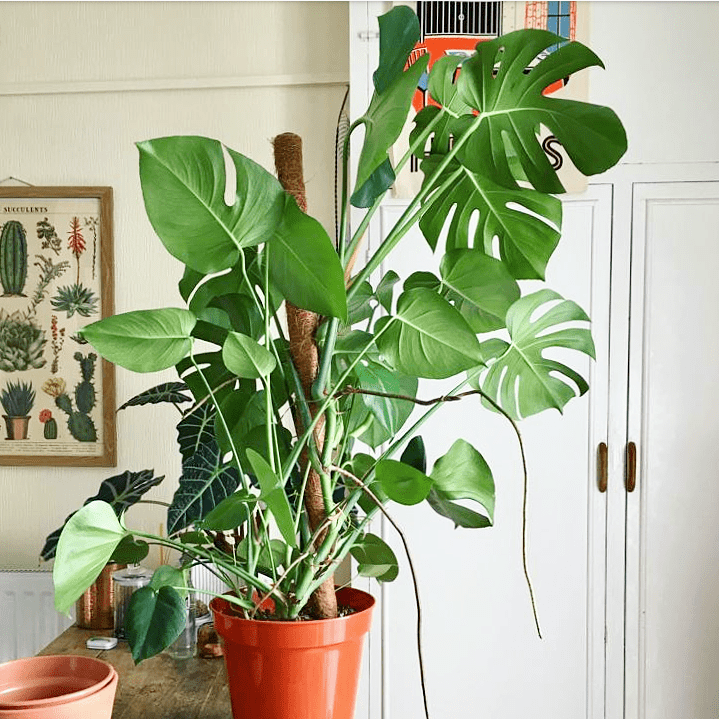
Repotting your Monstera is crucial for its growth and health. Choosing the right pot is a key step. The pot you select impacts the plant’s roots, water drainage, and overall well-being. Let’s explore the important factors to consider.
Pot Size And Material
Pot size is vital. A pot that is too small can restrict root growth. A pot that is too large can hold too much water, leading to root rot. A good rule is to choose a pot that is 2-4 inches larger in diameter than the current pot.
Material also matters. Clay pots are heavy and provide good stability. Plastic pots are lighter and retain moisture longer. Both have their pros and cons. Choose based on your plant’s needs and your home environment.
Drainage Importance
Drainage is essential for Monstera. Without proper drainage, water can accumulate at the bottom of the pot. This leads to root rot and other issues. Ensure your pot has drainage holes at the bottom.
If your chosen pot lacks drainage holes, you can add some. Alternatively, use a pot within a pot. Place the Monstera in a smaller pot with drainage holes inside a larger decorative pot.
| Pot Material | Benefits | Drawbacks |
|---|---|---|
| Clay | Stability, Breathability | Heavy, Can dry out quickly |
| Plastic | Lightweight, Retains moisture | Less stable, Can overheat roots |
Preparing For Repotting
Repotting your Monstera can seem daunting. But with the right preparation, it can be a smooth process. This section covers the steps you need to take before repotting.
Gathering Supplies
First, gather all necessary supplies. You will need a new pot. Ensure it is slightly larger than the current one. You will also need fresh potting soil. A well-draining mix works best. Keep a watering can and pruning shears handy. Finally, don’t forget gloves to protect your hands.
Prepping The Plant
Before repotting, prep your Monstera. Start by watering the plant a day before. This helps ease the plant out of its pot. Gently loosen the soil around the roots. Be careful not to damage them. Trim any dead or discolored leaves. This encourages healthy growth. Now, your Monstera is ready for its new home.
Repotting Process
Repotting a Monstera plant ensures healthy growth. It also prevents root-bound conditions. Let’s explore the repotting process to keep your plant thriving.
Removing The Monstera
Before you start, gather your tools. You will need:
- Garden gloves
- A new pot with drainage holes
- Fresh potting soil
- A trowel
First, water the Monstera. This makes it easier to remove. Gently tap the sides of the pot to loosen the soil. With one hand, hold the base of the plant. With the other, carefully pull the pot away.
If the roots are stuck, use a trowel. Gently slide it around the edges. Avoid damaging the roots. Once the plant is free, inspect the root ball. Trim any dead or rotten roots with clean scissors.
Transplanting Techniques
Choose a new pot that is 2 inches larger in diameter. Ensure it has drainage holes. Fill the bottom with fresh potting soil. Center the Monstera in the new pot.
Hold the plant steady. Add soil around the root ball. Firmly press the soil down. This removes air pockets. Leave a 1-inch gap from the top of the pot. This makes watering easier.
Water the plant thoroughly. Allow excess water to drain. Place the Monstera in a spot with bright, indirect light. Monitor it for the first few weeks. This helps it adjust to its new home.
Remember, regular repotting promotes healthy growth. It also gives your Monstera more room to spread its roots. Happy gardening!
Post-repotting Care
Repot Monstera plants every two years to ensure healthy growth. Fresh soil and a bigger pot help roots expand. Regular repotting keeps the plant thriving.
Repotting your Monstera can be a refreshing change for the plant. Yet, proper care after repotting is crucial. The plant needs time to adjust to its new environment. Let’s dive into the specific care steps to ensure your Monstera thrives.Watering Guidelines
After repotting, wait a few days before watering. This helps the plant settle into its new pot. When you water, do so thoroughly. Ensure the water drains well. Monstera roots need moisture but hate soggy soil. Overwatering can lead to root rot. Check the top inch of the soil. If it feels dry, it’s time to water.Monitoring Plant Health
Keep an eye on your Monstera’s leaves. Yellowing or drooping leaves may signal stress. This is common after repotting but should improve in a few weeks. Ensure your plant gets indirect sunlight. Bright, indirect light helps it recover faster. Also, inspect for pests. Repotting can sometimes attract unwanted guests. Catching pests early prevents bigger problems. Patience is key. Your Monstera will adjust and thrive with proper care. “`Common Repotting Mistakes
Repotting your Monstera can be tricky. Mistakes can harm the plant. Learn to avoid these common errors.
Overwatering Risks
Overwatering is a frequent mistake when repotting. Too much water causes root rot. Your Monstera’s roots need oxygen. Excess water drowns them.
Signs of overwatering include yellow leaves and a musty smell. To prevent this, use well-draining soil. Allow the soil to dry out between waterings.
Improper Pot Selection
Choosing the wrong pot size is another mistake. A pot that’s too big retains too much moisture. This can lead to overwatering issues.
Here are some tips for choosing the right pot:
- Select a pot 2 inches larger in diameter than the current one.
- Ensure the pot has drainage holes.
- Avoid pots that are too deep.
Proper pot selection helps your Monstera thrive. It encourages healthy root growth and prevents waterlogging.

Frequently Asked Questions
How Often Should You Repot Monstera?
Monstera plants typically need repotting every 1-2 years. This ensures they have enough space to grow. Check for roots growing out of the drainage holes as a sign.
What Is The Best Soil For Repotting Monstera?
Use well-draining soil with organic matter for repotting Monstera. A mix of potting soil, peat, and perlite works well. This combination promotes healthy growth.
When Is The Best Time To Repot Monstera?
The best time to repot Monstera is in spring or early summer. This is when the plant is actively growing. Avoid repotting in winter.
How Do You Know If Monstera Needs Repotting?
Signs Monstera needs repotting include roots growing out of the pot, slow growth, and yellowing leaves. These indicate it’s time for a larger pot.
Conclusion
Repotting your Monstera every two years keeps it healthy. Look for signs like roots circling the pot or slowed growth. Fresh soil gives the plant new nutrients. Larger pots allow roots to spread. Keeping an eye on your Monstera helps it thrive.
Regular care prevents rootbound issues. Happy plants grow better and look great. Enjoy your vibrant Monstera!
Leave a Reply