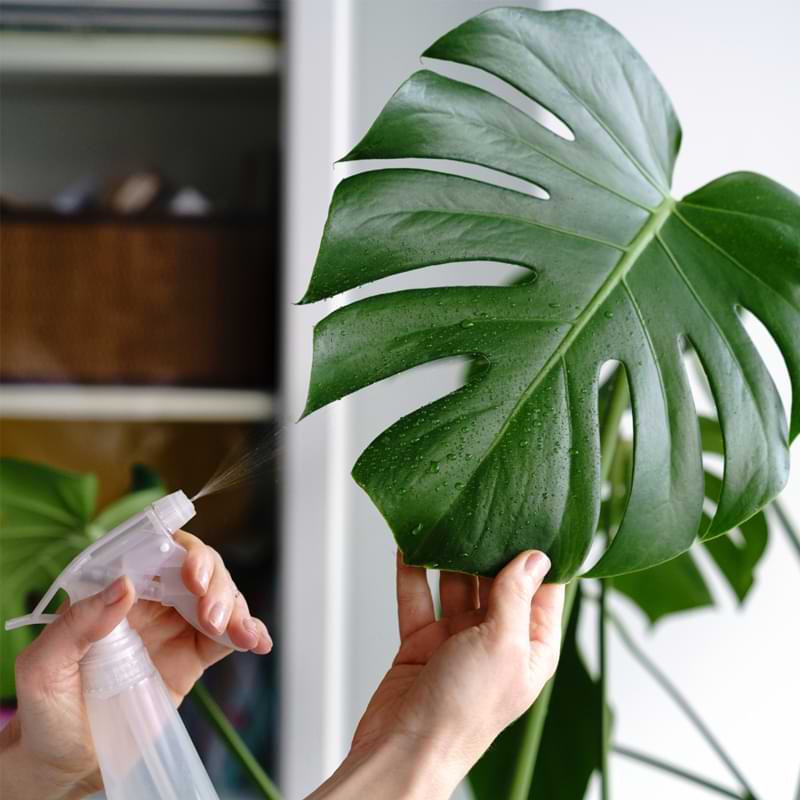
Mist your Monstera once a week. This helps keep its leaves healthy.
But is that enough? Let’s dive deeper. Monsteras are popular houseplants known for their unique leaves. They love humidity, but how much misting do they need? Over-misting can cause problems, while under-misting can leave the plant dry. Balancing this is crucial for a thriving Monstera.
In this blog post, we will explore the ideal misting frequency for your Monstera. We’ll discuss signs to look for, common mistakes, and tips to maintain the perfect environment. By the end, you’ll have a clear understanding of how to keep your Monstera happy and healthy. So, let’s get started and ensure your plant gets the right care.
Introduction To Monstera Care
Monstera plants, also known as Swiss cheese plants, are popular houseplants. Their unique leaves add beauty to any space. Proper care is essential to keep them healthy and thriving. One crucial aspect of Monstera care is misting. But how often should you mist your Monstera?
Importance Of Proper Care
Proper Monstera care ensures the plant grows well and remains vibrant. Here are some key reasons why care is important:
- Healthy Growth: Proper care promotes healthy and robust growth.
- Pest Prevention: A well-cared-for plant is less prone to pests.
- Leaf Health: Regular care maintains the leaves’ beauty and structure.
Common Varieties
There are several common varieties of Monstera plants. Each has its unique characteristics. Here are a few popular ones:
| Variety | Characteristics |
|---|---|
| Monstera Deliciosa | Large, split leaves with holes. |
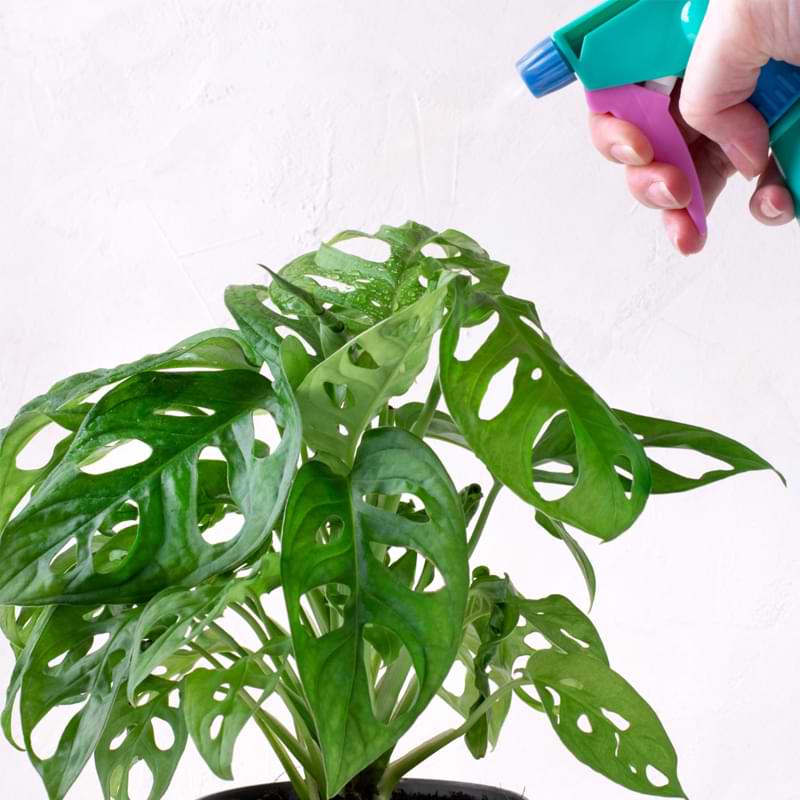
| Monstera Adansonii | Smaller leaves with more holes. |
| Monstera Obliqua | Very delicate leaves with large holes. |
Each of these varieties may have slightly different care needs. Understanding these differences helps ensure your Monstera thrives.
Understanding Humidity Needs
Monstera plants thrive in humid conditions. Mist the leaves every two to three days to maintain ideal moisture. Regular misting helps mimic their natural tropical environment.
Monstera plants thrive in their natural tropical habitats. They need a humid environment to grow well. Understanding their humidity needs is crucial for their health. Proper humidity levels help these plants stay vibrant and lush.Ideal Humidity Levels
Monsteras prefer humidity levels between 60% and 80%. This range mimics their natural surroundings. If your home is dry, consider using a humidifier. Another option is to place the plant on a tray with water and pebbles. Misting can also help. Regular misting keeps the leaves hydrated.Signs Of Low Humidity
Low humidity can harm your Monstera. Watch for dry leaf edges or browning tips. These are clear signs of low moisture levels. Curled or crispy leaves also indicate a problem. If the plant appears dusty or dull, it needs more humidity. Increase the humidity to see improvements. “`Benefits Of Misting Monstera
Keeping your Monstera healthy requires more than just watering and sunlight. Misting your Monstera can offer many benefits. It helps improve leaf health and prevents dust buildup. Let’s explore these benefits in detail.
Improving Leaf Health
Misting can help boost the overall health of your Monstera’s leaves. It adds humidity, which Monstera plants love. Tropical plants like Monstera thrive in humid environments. Misting helps mimic their natural habitat.
Dry air can cause leaf tips to turn brown. Regular misting prevents this. It keeps the leaves lush and green. Mist your Monstera at least twice a week. Increase the frequency if you live in a dry area.
Preventing Dust Buildup
Dust can settle on your Monstera’s leaves over time. This dust can block sunlight. It can make photosynthesis less effective. Misting helps remove this dust. Cleaner leaves can absorb more light.
When misting, use a fine spray. Ensure the entire leaf surface is misted. Wipe the leaves gently with a soft cloth. This ensures all dust is removed. Repeat this process regularly for best results.
| Benefit | How Misting Helps |
|---|---|
| Improving Leaf Health | Adds humidity, prevents browning, keeps leaves green |
| Preventing Dust Buildup | Removes dust, improves light absorption, enhances photosynthesis |

How Often To Mist
Misting your Monstera can be a great way to keep it healthy. It helps mimic its natural humid environment. But, how often should you mist your plant? Let’s dive into the details.
Factors Influencing Frequency
Several factors determine how often you should mist your Monstera:
- Humidity Levels: Monstera thrives in high humidity. If your home is dry, mist more often.
- Size of the Plant: Larger plants need more frequent misting than smaller ones.
- Air Circulation: Good air flow means less misting needed. Poor air flow means more frequent misting.
- Soil Moisture: If the soil is dry, your plant might need more misting.
Seasonal Adjustments
Different seasons require different misting routines:
| Season | Misting Frequency |
|---|---|
| Spring | Twice a week |
| Summer | Three times a week |
| Fall | Once a week |
| Winter | Once every two weeks |
Remember to adjust based on your home’s conditions. Always check the leaves and soil for signs of over or under-misting.
Best Practices For Misting
Misting your Monstera can help maintain its lush, green leaves. It’s important to follow best practices to ensure your plant thrives. Let’s explore the tools and techniques, and how to avoid over-misting.
Tools And Techniques
Using the right tools makes misting easy. A fine mist spray bottle works best. It evenly distributes water without drenching the plant. Mist your Monstera in the morning. This allows the water to evaporate throughout the day.
Keep the spray bottle a few inches away from the leaves. This ensures a gentle mist. Mist the top and underside of the leaves. The undersides are where pests tend to hide. Misting both sides helps keep pests away. Ensure the room has good air circulation. This prevents mold and mildew on the leaves.
Avoiding Over-misting
Over-misting can harm your Monstera. It can lead to root rot and fungal issues. Check the humidity level in your home. Monstera plants thrive in 60% humidity or higher.
If your home is naturally humid, misting once a week may be enough. In drier climates, mist your Monstera two to three times a week. Always ensure the soil is not soggy. Over-misting combined with wet soil can be detrimental. Monitor your plant’s leaves. If they appear too wet or show signs of mold, reduce misting frequency.
Remember, balance is key. Proper misting keeps your Monstera healthy and vibrant. Follow these best practices and watch your plant flourish.
Alternative Methods To Increase Humidity
Maintaining proper humidity levels is crucial for a healthy Monstera. While misting can help, there are other effective methods to boost humidity around your plant. These methods are not only easy but also improve the overall environment for your Monstera.
Humidifiers
Humidifiers are an excellent way to maintain consistent humidity levels. They can cover large areas, ensuring your Monstera gets enough moisture. Place the humidifier near your plant but not too close. This prevents water buildup on the leaves. Choose a model with a built-in hygrometer. This helps you monitor and adjust the humidity levels as needed.
Pebble Trays
Pebble trays are simple and effective. Fill a shallow tray with small stones. Add water until it reaches just below the tops of the pebbles. Place your Monstera pot on the tray. As the water evaporates, it increases the humidity around the plant. This method is low-cost and easy to maintain. Just refill the water when it gets low.
Common Mistakes To Avoid
Understanding the right way to mist your Monstera plant is crucial for its health. Yet, many plant owners make common mistakes that can harm their plants. Below are some errors to avoid to keep your Monstera thriving.
Overwatering
One common mistake is overwatering. Mistaking misting for watering can lead to excess moisture. This can cause root rot and fungal growth. Ensure the soil is dry before watering again. Overwatering can do more harm than good.
| Issue | Cause | Solution |
|---|---|---|
| Root Rot | Excess Moisture | Water Only When Soil is Dry |
| Fungal Growth | Too Much Water | Check Soil Moisture |
Ignoring Environment
The environment of your Monstera plays a big role. Ignoring the environment can harm the plant. Monstera plants prefer humid settings. Dry air from heaters can be a problem. Use a humidifier or place the plant on a tray of wet pebbles. This can help maintain the humidity.
- Monitor room humidity levels
- Avoid placing near heaters
- Use a humidifier if needed
Troubleshooting Common Issues
Mist Monstera plants once or twice a week for optimal health. Adjust frequency based on room humidity. Ensure leaves stay moist, but not soggy.
Mistakes in misting frequency can cause problems for your Monstera. Let’s address some common issues you might face. These tips will help keep your Monstera healthy and thriving.Yellow Leaves
Yellow leaves can indicate overwatering. Check the soil moisture. Make sure the pot has drainage holes. If the soil is too wet, reduce misting and let it dry out. Too much water can lead to root rot. Another cause of yellow leaves is a lack of light. Monsteras need bright, indirect light. Move your plant to a better-lit spot if necessary. Yellow leaves might also mean nutrient deficiency. Consider using a balanced fertilizer.Brown Tips
Brown tips on Monstera leaves often point to low humidity. Monsteras thrive in humid conditions. Increase humidity by misting more frequently. You can also use a humidifier to help. Dry air can stress the plant. Check for drafts or heaters near your Monstera. These can lower humidity. Brown tips might also be a sign of too much direct sunlight. Move your plant to a spot with indirect light. Lastly, check the water quality. Tap water with high chlorine or fluoride can cause brown tips. Use distilled or filtered water for misting. This can help reduce brown tips and keep your plant healthy. “`Final Tips For Monstera Care
Monstera plants, known for their stunning leaves, need proper care to thrive. Misting is essential, but other care tips ensure a healthy plant. Here, you will find final tips to keep your Monstera happy and growing.
Regular Monitoring
Check your Monstera’s leaves for signs of dryness or pests. Yellow leaves indicate overwatering, while crispy edges suggest dryness. Regularly inspect the soil moisture. Use your finger to gauge if it’s time to water.
Consistency In Care
Maintain a consistent watering schedule. Avoid drastic changes in watering habits. Consistency helps Monstera adapt and flourish. Stick to a routine for misting, watering, and feeding.
Provide stable humidity levels. Invest in a humidifier for dry climates. Keep your Monstera away from drafty windows or heating vents.
Frequently Asked Questions
How Often Should You Mist Monstera?
Mist your Monstera 2-3 times a week. Increase frequency in dry climates. Ensure the leaves are not constantly wet.
Is Misting Monstera Necessary?
Misting is helpful but not essential. It boosts humidity, which Monstera loves. It’s particularly beneficial in dry environments.
What Time Of Day Is Best For Misting?
Mornings are ideal for misting. This allows leaves to dry during the day, preventing mold or mildew.
Can You Mist Monstera Too Much?
Yes, excessive misting can cause fungal issues. Ensure leaves dry between misting sessions. Balance is key for healthy growth.
Conclusion
Mist your Monstera regularly for a happy, healthy plant. Aim for once a week. Adjust based on your home’s humidity. Too much misting can cause problems. Too little can dry out your plant. Observe your Monstera’s leaves for signs. They will tell you what they need.
Keep experimenting until you find the right balance. Consistent care will make your Monstera thrive. Remember, happy plants grow better.
Leave a Reply