
How often should you mist Monstera? Misting frequency depends on your plant’s environment.
Generally, mist once or twice a week. Monstera plants are popular for their unique leaves and easy care. But proper humidity is crucial for their health. Misting helps replicate their natural, humid habitat. Too much misting can lead to mold, while too little may cause dry leaves.
So, finding the right balance is key. This guide will help you understand the best misting practices. Learn how to keep your Monstera thriving and looking its best. Discover tips to create the perfect misting routine. Let’s dive into the details and ensure your Monstera gets the care it deserves.

Introduction To Monstera Care
Monsteras are known for their large, beautiful leaves. They add a tropical touch to any home. But how do you care for them? Let’s break it down.
Origin And Popularity
Monstera plants come from the tropical rainforests of Central America. They are popular because of their unique leaf patterns. The leaves have holes and cuts, making them stand out.
Many people love Monsteras for their easy care. They are also known as the Swiss Cheese Plant. This name comes from the holes in the leaves.
Basic Care Requirements
Monsteras need the right conditions to thrive. Here are some basic care tips:
- Light: Bright, indirect light is best. Avoid direct sunlight.
- Water: Water when the top inch of soil is dry.
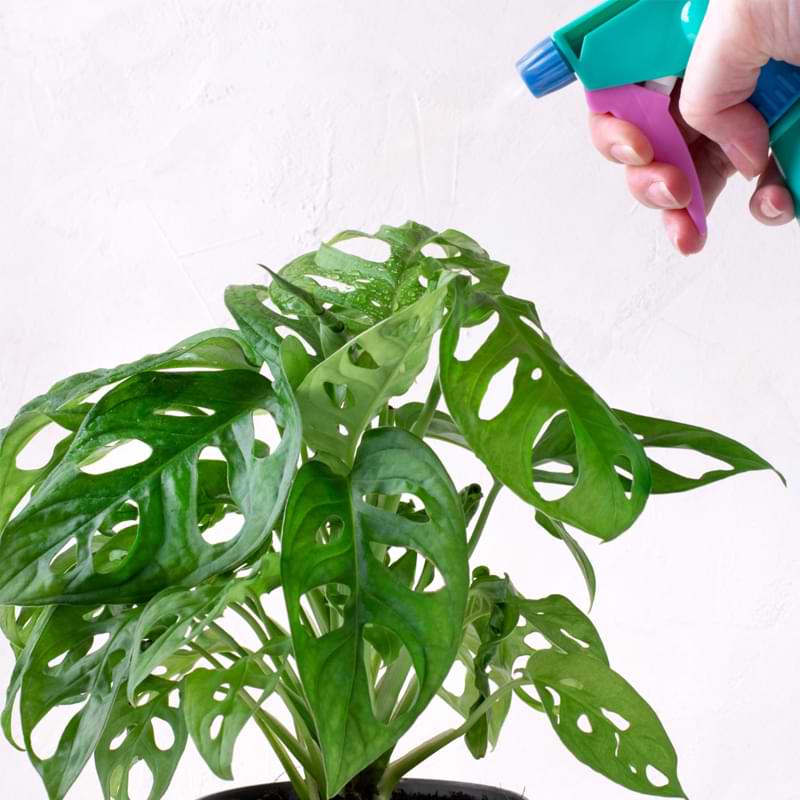
- Humidity: High humidity is ideal. Mist the leaves regularly.
- Temperature: Keep between 65°F and 85°F.
- Soil: Well-draining soil is important.
- Fertilizer: Feed monthly during the growing season.
These basic care steps will help keep your Monstera healthy. Remember to check the plant often for signs of stress.
Importance Of Humidity
Monstera plants thrive in humid environments. Knowing the importance of humidity is key to maintaining their health. Without the right humidity, Monstera can struggle to grow. Understanding why humidity matters can help you care for your plant better.
Monstera’s Natural Habitat
Monstera plants come from tropical rainforests. These areas have high humidity and consistent moisture. In their natural habitat, Monstera plants absorb moisture from the air. This keeps them hydrated and healthy.
Role Of Humidity In Plant Health
Humidity helps Monstera plants maintain their moisture levels. It prevents the leaves from drying out and getting brown edges. Proper humidity also aids in nutrient absorption. This leads to better overall growth and vibrant leaves.
Misting your Monstera mimics its natural environment. It helps maintain the right humidity level around the plant. Regular misting can prevent common issues such as leaf yellowing or wilting. Understanding and maintaining proper humidity is crucial for a thriving Monstera.
Signs Your Monstera Needs Misting
Understanding the signs your Monstera needs misting can help keep it healthy and vibrant. These signs are easy to spot. They indicate that your plant may need more moisture. Below, we explore some key indicators.
Dry And Crispy Leaves
If you notice dry and crispy leaves on your Monstera, it may need misting. This usually means the air is too dry. Leaves should feel soft and pliable. When they become crispy, moisture levels are too low. Misting can help restore the balance.
Curling Or Drooping Foliage
Curling or drooping foliage is another sign of low humidity. Healthy Monstera leaves are flat and slightly glossy. If they start to curl or droop, it signals stress. Regular misting can alleviate this problem. It helps the leaves retain their natural shape.
Optimal Misting Frequency
Optimal misting frequency for Monstera plants can vary. Several factors influence how often you should mist your Monstera. Understanding these factors ensures your plant thrives.
Seasonal Considerations
Monstera plants need different misting frequencies in different seasons. During summer, the air is often dry. Mist your Monstera every few days. In winter, indoor heating can dry the air. Mist once or twice a week. Spring and fall may need less frequent misting. Adjust based on humidity levels.
Indoor Environment Factors
Your home’s environment affects misting frequency. In a humid room, mist less often. In a dry room, increase misting. Use a hygrometer to check humidity levels. Aim for 60% humidity for Monstera.
Placement of your Monstera also matters. Near a window, it may dry out faster. Mist more often in such places. Away from direct sunlight, misting needs may decrease. Observe the plant and adjust as needed.
Proper Misting Techniques
Mist Monstera leaves once or twice a week to keep them healthy. Ensure the leaves stay moist but not soaking wet. Adjust frequency based on humidity levels in your home.
Misting your Monstera can help maintain the right humidity levels. This encourages healthy growth. But, using the right techniques is crucial. Proper misting ensures your plant receives the necessary moisture evenly. Let’s explore how to mist your Monstera effectively.Choosing The Right Tools
The first step is selecting the right tools. Use a spray bottle with a fine mist setting. This helps avoid over-watering. It also ensures a light, even coverage. Avoid using a bottle that produces large droplets.Best Practices For Even Coverage
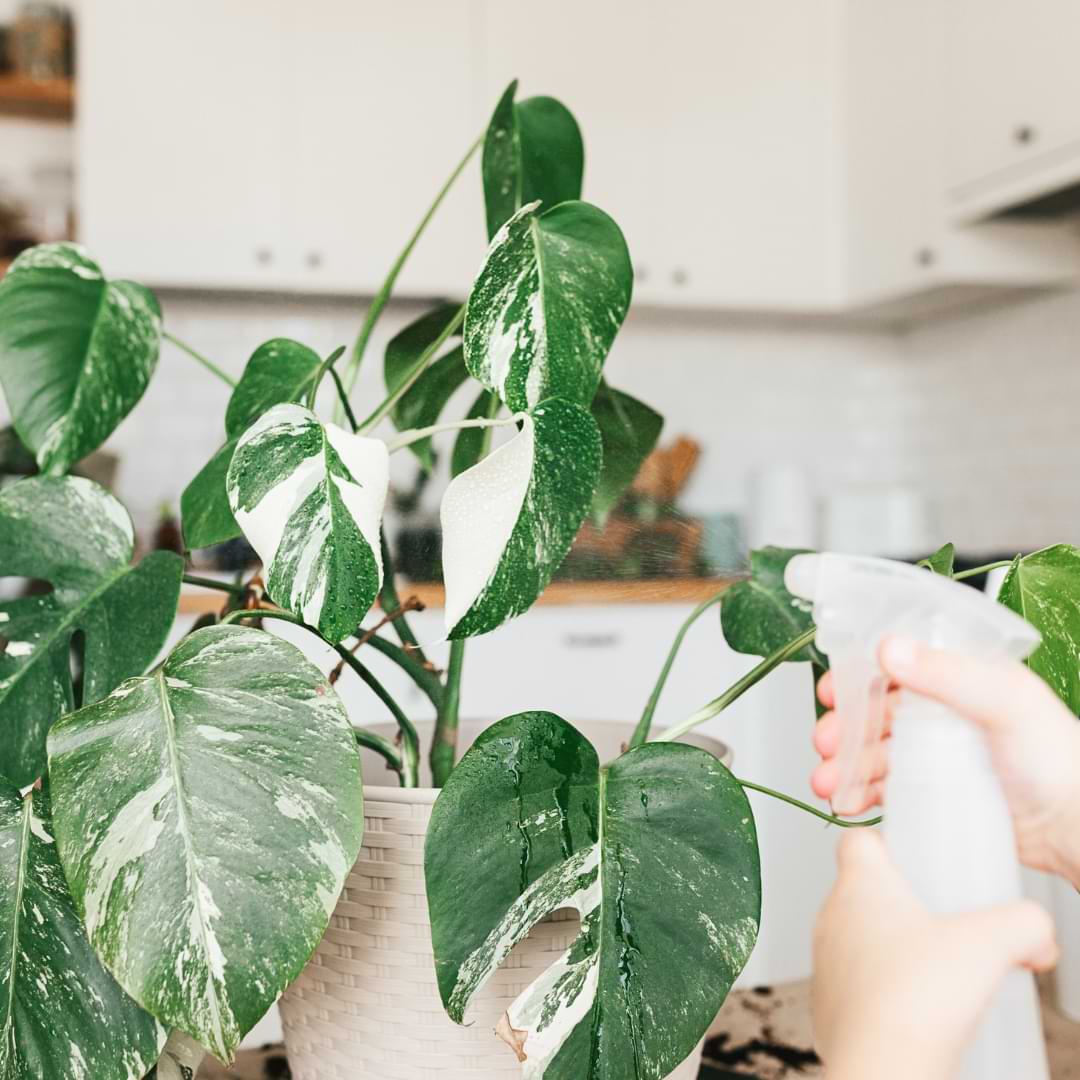
Hold the spray bottle about 6-12 inches away from the plant. Mist the leaves, ensuring an even distribution. Don’t drench the leaves. Aim for a light mist. Mist both the top and underside of the leaves. This helps the plant absorb moisture better. Aim to mist your Monstera in the morning. This allows the leaves to dry throughout the day. Repeat misting 2-3 times a week. Adjust based on your home’s humidity levels. Less frequent misting may be needed in more humid environments. Always observe your plant’s response. This helps you determine the best misting frequency. By using proper misting techniques, you support your Monstera’s health and growth. The right tools and methods make all the difference. “`Alternative Humidity Solutions
Maintaining the right humidity for your Monstera is crucial for its health. Misting is one way, but there are other methods to ensure your plant gets the moisture it needs. Here are some alternative humidity solutions:
Using A Humidifier
A humidifier can be a great way to maintain consistent moisture levels. It adds water vapor to the air, providing a stable environment for your Monstera. Choose a humidifier with adjustable settings for better control.
Benefits of Using a Humidifier:
- Provides consistent humidity
- Easy to adjust settings
- Can benefit other houseplants
Place the humidifier near your Monstera but not too close. This prevents water droplets from directly hitting the leaves. Aim for 50-60% humidity levels for best results.
Grouping Plants Together
Grouping plants together can naturally increase humidity. As plants transpire, they release moisture into the air. This creates a micro-environment with higher humidity.
Advantages of Grouping Plants:
- Boosts humidity naturally
- Creates a mini ecosystem
- Enhances aesthetic appeal
Arrange your Monstera with other humidity-loving plants. Ferns, peace lilies, and calatheas are good companions. Ensure there is enough space for air circulation to prevent mold growth.
By using these alternative solutions, you can maintain optimal humidity for your Monstera. This ensures your plant thrives and stays healthy.
Common Misting Mistakes
Misting your Monstera can be tricky. Common misting mistakes can harm your plant. These mistakes often stem from too much or too little misting. By understanding these, you can ensure your Monstera thrives.
Over-misting Risks
Over-misting can cause many problems. Excess moisture can lead to root rot. Fungal diseases also thrive in damp conditions. Your Monstera’s leaves may develop spots. These spots are a sign of too much water. Over-misting can also attract pests. Pests like spider mites love humid environments. Keep the misting to a balanced level.
Under-misting Consequences
Under-misting can also be harmful. Your Monstera needs some humidity. Dry air can cause leaf tips to brown. The plant may also become more prone to pests. Under-misted leaves can curl and look unhealthy. This can stress the plant. Make sure to mist enough to keep the air moist.
Additional Monstera Care Tips
Taking care of a Monstera plant involves more than just misting. To ensure your Monstera thrives, you should pay attention to other important care tips. Here are some additional Monstera care tips that can help your plant stay healthy and grow beautifully.
Fertilizing Schedule
Monstera plants benefit from regular fertilization. Use a balanced, water-soluble fertilizer during the growing season. Fertilize once a month from spring through summer. Reduce feeding during fall and winter when growth slows. Always follow the instructions on the fertilizer package.
Pruning And Training
Pruning helps your Monstera stay healthy and well-shaped. Remove yellow or damaged leaves as soon as you notice them. Trim back overgrown vines to encourage bushier growth. Use sharp, clean scissors or pruning shears. To train your Monstera, provide a support structure like a moss pole or trellis. Gently tie the vines to the support as they grow. This encourages upward growth and helps the plant stay upright.
Frequently Asked Questions
How Often Should You Mist Monstera?
Monstera plants should be misted about 2-3 times a week. Mist more often in dry environments.
Is Misting Monstera Necessary?
Misting Monstera isn’t strictly necessary, but it helps maintain humidity. This is beneficial for the plant’s health.
What Time Of Day Is Best To Mist Monstera?
The best time to mist Monstera is early in the morning. This allows the leaves to dry by evening.
Can I Mist Monstera With Tap Water?
Yes, you can mist Monstera with tap water. However, using filtered or distilled water is better.
Conclusion
Misting your Monstera can be simple. Keep it consistent and moderate. Avoid over-misting to prevent mold. Pay attention to your plant’s needs. Adjust misting based on your environment. Watch for signs of too much moisture. Healthy Monsteras will thrive with proper care.
Remember, balance is key for a happy plant. So, keep misting in check and enjoy your vibrant Monstera.