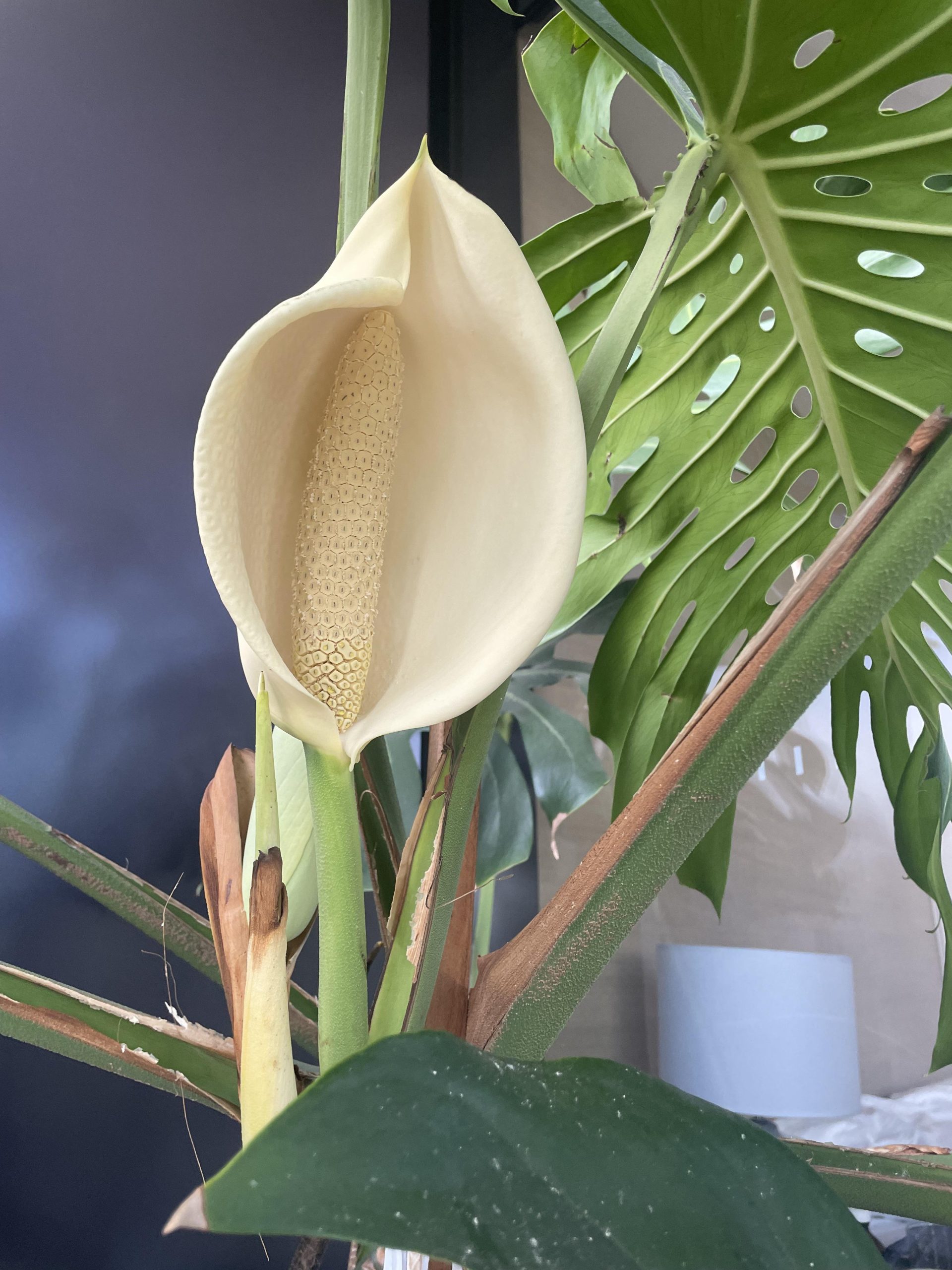
Monstera plants are famous for their striking leaves and tropical charm. But how often do these plants produce fruit?
Monstera plants, also known as Swiss cheese plants, are popular indoor plants. Their unique leaves and low maintenance make them a favorite. But, many plant enthusiasts wonder about their fruiting habits. Monstera fruit, also called Monstera deliciosa, is rare but exciting.
The fruit’s flavor is a blend of pineapple and banana. It can take a Monstera plant several years to mature enough to bear fruit. The right conditions, such as humidity, light, and temperature, are crucial. Understanding how often Monstera plants fruit can help you better care for your plant and perhaps enjoy its delicious fruit. Let’s explore this fascinating topic further.
Introduction To Monstera Fruit
Monstera fruit is a unique and intriguing delicacy. Known for its distinctive appearance and tropical flavor, it captures the curiosity of many plant enthusiasts. This blog post will explore the fascinating details about Monstera fruit, focusing on its growth and fruiting patterns.
The Monstera Plant
The Monstera plant, also known as Monstera deliciosa, is a tropical species. It originates from the rainforests of Central America. The plant is famous for its large, perforated leaves. These leaves give it a unique and exotic look.
Monstera plants are popular as houseplants. They are relatively easy to care for and can grow quite large. With the right conditions, they can produce fruit, which is a rare treat for many growers.
Unique Characteristics
Monstera fruit has an unusual appearance. It resembles a green ear of corn with hexagonal scales. As the fruit ripens, these scales fall off, revealing the edible flesh underneath.
The fruit’s flavor is a mix of pineapple and banana. It is sweet and tropical, making it a delightful addition to various dishes. The texture is creamy and smooth, adding to its appeal.
One should consume Monstera fruit only when fully ripe. Unripe fruit contains oxalic acid, which can irritate the mouth and throat. Patience is key to enjoying this tropical delight safely.

Monstera Fruit Basics
The Monstera fruit, also known as the Swiss Cheese Plant fruit, is a tropical delight. This fascinating plant produces a unique and delicious fruit that many people enjoy. Let’s dive into the basics of Monstera fruit and explore its intriguing characteristics.
Appearance And Taste
Monstera fruit has a distinct look. It resembles a green ear of corn, covered with hexagonal scales. As the fruit ripens, these scales fall off, revealing the edible flesh inside. The taste is a mix of pineapple and banana, making it a tropical treat. The texture is creamy and smooth.
Nutritional Value
Monstera fruit is not only delicious but also nutritious. It is rich in vitamins and minerals. It provides a good source of vitamin C, which boosts the immune system. The fruit also contains vitamin B6, which supports brain health. Additionally, Monstera fruit has dietary fiber, aiding in digestion.
Ideal Growing Conditions
Understanding the ideal growing conditions for Monstera plants can help ensure they produce fruit. These tropical plants thrive under specific conditions that mimic their natural habitat. Below, we’ll explore the climate requirements, soil, and watering needs for optimal growth.
Climate Requirements
Monstera plants prefer warm and humid environments. They thrive in temperatures ranging from 65°F to 85°F. Consistent temperatures are key. Avoid placing them in areas with cold drafts or sudden temperature changes.
Humidity levels should be around 60% or higher. If you live in a dry area, consider using a humidifier. This helps replicate their natural, tropical habitat.
Place Monstera in bright, indirect light. Direct sunlight can scorch their leaves, while too little light can stunt their growth.
Soil And Watering
Monstera plants need well-draining soil. A mix of peat, perlite, and pine bark works well. This mixture retains moisture but allows excess water to drain away.
Watering should be consistent but not excessive. Let the top inch of soil dry out before watering again. Overwatering can lead to root rot, which can damage the plant.
Here’s a simple watering schedule:
- Spring and Summer: Water once a week.
- Fall and Winter: Water every two weeks.
Monitor the soil moisture regularly. Adjust watering frequency based on your plant’s needs.
| Season | Watering Frequency |
|---|---|
| Spring/Summer | Once a week |
| Fall/Winter | Every two weeks |
Proper soil and watering practices are crucial. They ensure your Monstera stays healthy and productive.
Growth Cycle Of Monstera
Monstera plants bear fruit once a year, typically in the summer. The fruit takes several months to ripen. Each stage of growth is fascinating.
The Monstera plant, also known as the Swiss Cheese Plant, is famous for its unique leaves. Understanding its growth cycle can help you care for it better. Let’s explore the journey from a tiny seedling to a mature plant that bears fruit.Seedling To Mature Plant
Monstera seeds start their journey in moist, fertile soil. They need warmth and indirect light to germinate. Small shoots appear within a few weeks. The seedlings grow rapidly in the right conditions. Healthy roots and leaves develop soon after. As the plant matures, its leaves become larger and develop characteristic holes. This process takes several months. The plant needs regular watering and occasional fertilizing during this time. Support structures like stakes help the plant grow upright. Once mature, the plant shows more vigorous growth. This stage is crucial for future flowering and fruiting.Flowering And Fruiting Stages
Mature Monstera plants produce flowers under ideal conditions. These conditions include high humidity and indirect sunlight. Flowers are white and spathe-like, similar to those of peace lilies. Pollination is the next step. Pollinators or hand-pollination can help. Successful pollination leads to fruit development. Monstera fruit, also called Mexican breadfruit, is unique. It takes several months to ripen. The fruit changes color and becomes softer when ready. It’s important to handle the fruit carefully to avoid irritation from its outer skin. In summary, understanding the growth cycle helps in nurturing a healthy Monstera plant. From a seedling to a fruit-bearing plant, each stage is fascinating. “`Frequency Of Fruiting
The Monstera plant, also known as the Swiss cheese plant, is famous for its unique leaves. But did you know it also bears fruit? Understanding the frequency of Monstera fruiting can help gardeners and plant enthusiasts plan better. This section will explore how often Monstera plants produce fruit.
Annual Patterns
Monstera plants usually follow a yearly pattern. They often fruit once a year. This annual cycle depends on various factors, including climate and care. In tropical regions, Monstera plants may fruit more regularly. In less ideal conditions, the frequency can vary.
Factors Affecting Frequency
Several factors influence how often Monstera plants bear fruit. Climate plays a big role. Monstera plants thrive in warm, humid environments. Adequate sunlight is also crucial. They need bright, indirect light to produce fruit.
Soil quality affects fruiting as well. Monstera plants need well-draining soil. Nutrient-rich soil promotes healthy growth and fruit production. Proper watering is essential. Overwatering or underwatering can harm the plant and reduce fruiting frequency.
Pruning can also impact fruiting. Removing dead or damaged leaves helps the plant focus on fruit production. Proper care and attention can increase the chances of your Monstera plant bearing fruit.

Care Tips For Better Yield
The Monstera plant, known for its lush foliage and delicious fruit, requires specific care. For a better yield, focus on pruning, maintenance, and proper fertilization. These steps ensure your Monstera thrives and produces more fruit.
Pruning And Maintenance
Pruning is essential for a healthy Monstera plant. It helps manage growth and encourages fruit production. Follow these simple steps:
- Remove dead or yellowing leaves. This keeps the plant healthy.
- Trim back overgrown stems. This directs energy to fruit production.
- Use clean, sharp tools. This prevents disease spread.
Regular maintenance includes checking for pests and ensuring proper humidity levels. Monstera plants love a humid environment. Mist the leaves or use a humidifier to maintain moisture.
Fertilization Strategies
Proper fertilization boosts the fruit yield of your Monstera. Here’s a simple guide:
- Use a balanced, water-soluble fertilizer. Apply it every two weeks during the growing season.
- Reduce fertilization in winter. The plant’s growth slows down, needing fewer nutrients.
- Incorporate organic matter into the soil. Compost or aged manure works well.
Avoid over-fertilizing as it can harm the plant. Stick to the recommended dosage for best results.
| Task | Frequency |
|---|---|
| Pruning | Monthly |
| Fertilizing | Bi-weekly during growth season |
| Checking for pests | Weekly |
By following these care tips, your Monstera will flourish and bear more fruit. Happy gardening!
Common Issues And Solutions
Monstera plants produce delicious fruit, but sometimes face issues that prevent fruiting. Understanding and addressing these common problems can help ensure your Monstera thrives.
Pests And Diseases
Monstera plants are prone to pests like spider mites, aphids, and scale insects. These pests suck sap, weakening the plant. Yellowing leaves are a sign of infestation. Regularly inspect your plant for these insects. Washing leaves with soapy water helps remove pests. Neem oil is also effective.
Diseases such as root rot and leaf spot can hinder fruiting. Overwatering often causes root rot. Ensure proper drainage and let the soil dry between waterings. Leaf spot disease shows as brown spots on leaves. Remove affected leaves and apply a fungicide if needed.
Environmental Stress
Environmental factors greatly impact Monstera fruiting. Insufficient light can reduce fruit production. Place your plant in bright, indirect light. Direct sunlight can scorch leaves. Monstera plants thrive in temperatures between 65°F and 85°F. Avoid placing your plant near drafty windows or vents.
Humidity levels also affect Monstera health. Low humidity can cause leaf edges to brown. Maintain humidity around 60% for optimal growth. A humidifier or pebble tray can increase humidity. Also, misting the leaves helps keep them moist.
Proper care and attention to these issues can help your Monstera fruit more frequently. Keep an eye on your plant’s needs and address any problems promptly.
Harvesting And Enjoying Monstera Fruit
Monstera fruit is a rare delight for plant lovers. This tropical fruit, known for its unique taste, can be a rewarding treat. Learning to harvest and enjoy Monstera fruit is essential for any enthusiast.
When To Harvest
The right time to harvest Monstera fruit is crucial. Look for changes in the fruit’s appearance. The fruit’s outer scales will start to lift. The color will change from green to yellow. These signs indicate that the fruit is ready to be picked.
Wait for the scales to begin falling off naturally. This is a clear signal that the fruit is ripe. Harvesting too early can result in an inedible, toxic fruit. Always use clean, sharp tools to cut the fruit from the plant.
Preparation And Recipes
Once you have harvested the Monstera fruit, proper preparation is key. Start by peeling off the outer scales. Use a knife if needed. The edible part of the fruit lies beneath these scales.
Monstera fruit can be enjoyed fresh. It has a sweet, tropical flavor. Some compare it to a mix of pineapple and banana.
Here are some simple ways to enjoy Monstera fruit:
- Eat it fresh and raw.
- Add it to fruit salads for a tropical twist.
- Blend it into smoothies.
- Use it as a topping for yogurt or oatmeal.
For those who enjoy cooking, Monstera fruit can be used in recipes. Create exotic desserts or refreshing drinks. Its unique taste can add a new dimension to your culinary creations.

Frequently Asked Questions
How Often Does Monstera Fruit?
Monstera plants typically fruit once a year. The exact frequency can vary depending on growing conditions and care.
When Does Monstera Produce Fruit?
Monstera produces fruit mainly in the late summer or early fall. This timing can vary based on climate and care.
What Conditions Do Monstera Need To Fruit?
Monstera needs bright, indirect light and high humidity to fruit. Consistent watering and proper fertilization are also essential.
How Long Does Monstera Fruit Take To Ripen?
Monstera fruit takes about 10-12 months to ripen. The ripening process can be influenced by environmental factors.
Conclusion
Monstera plants can be a rewarding addition to your home. Their unique fruit doesn’t appear often, but the wait is worth it. Patience is key for fruiting success. Ensure proper care and environment. Enjoy the journey of growing a Monstera.
Happy gardening!
Leave a Reply