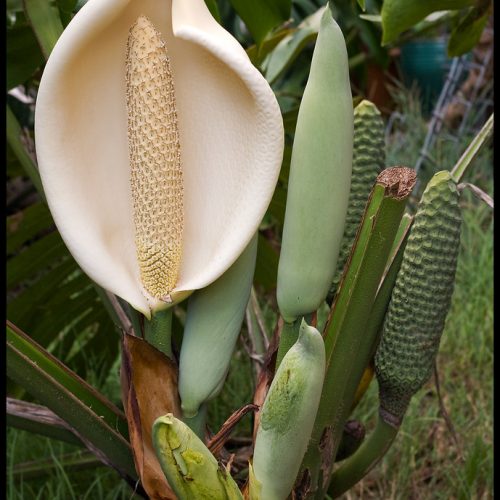
Monstera plants are famous for their unique leaves. But did you know they also bear fruit?
Monstera fruit is rare and special. This tropical plant, also known as the Swiss cheese plant, grows in rainforests. Its fruit is a delicious treat, but how often can you expect to see it? Unlike common fruits, Monstera fruiting is unpredictable.
The right conditions are crucial. This blog will explore the factors that influence Monstera fruiting. We’ll look at the plant’s natural habitat and care tips. You’ll understand what it takes for your Monstera to bear fruit. Keep reading to learn more about this fascinating plant and its fruiting cycle.
Introduction To Monstera Fruit
Monstera plants produce fruit once a year in optimal conditions. These tropical fruits take 10-12 months to ripen. Patience is key for enjoying their unique flavor.
Monstera fruit, also known as the Swiss cheese plant fruit, is unique. This tropical plant has gained popularity among plant lovers. Its fruit is both intriguing and delicious.What Is Monstera Fruit?
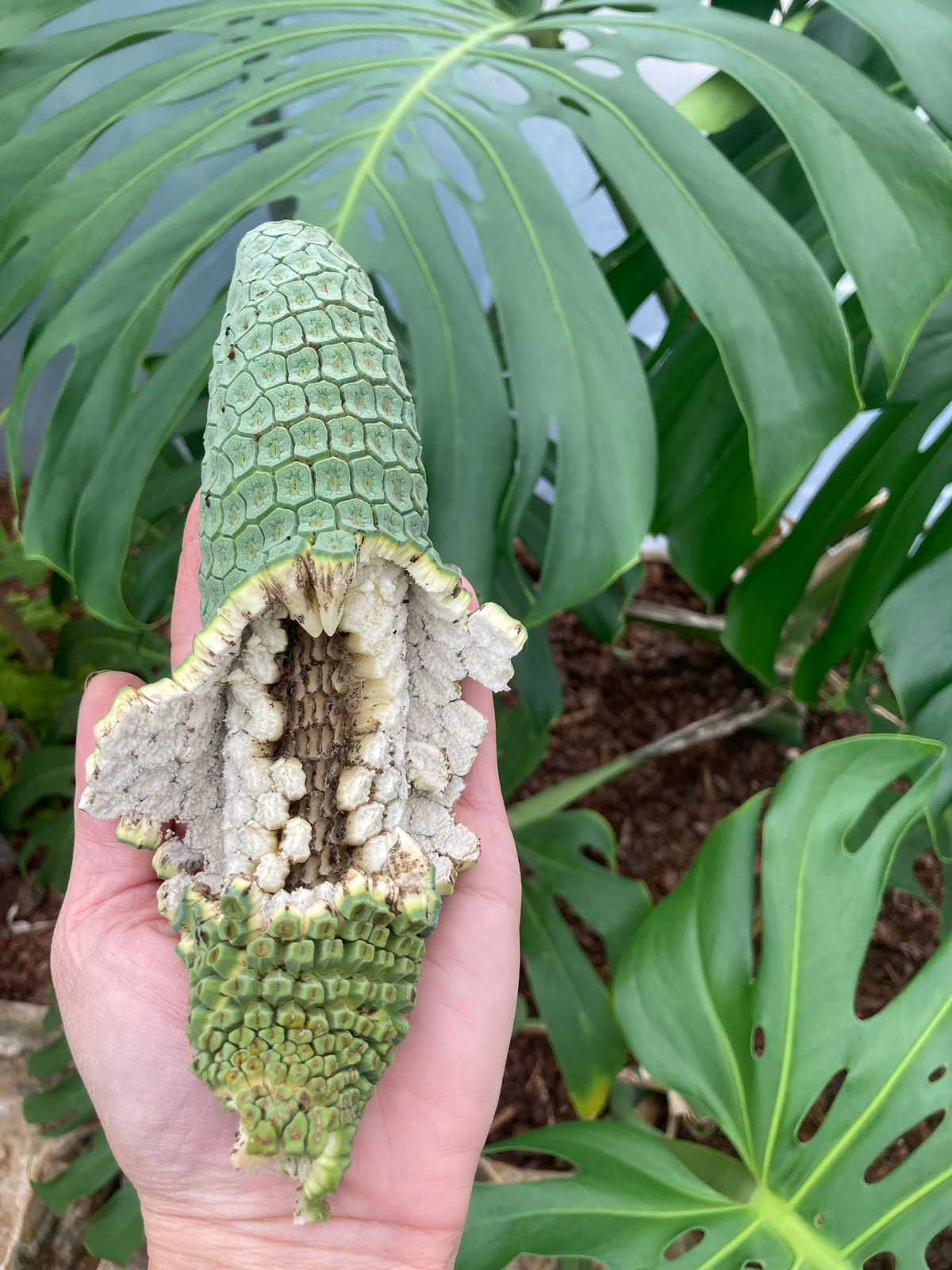
Monstera fruit comes from the Monstera deliciosa plant. The fruit looks like a green corn on the cob. It is covered with hexagonal scales. When ripe, the scales fall off, revealing the juicy flesh underneath.Why Is Monstera Fruit Special?
Monstera fruit has a unique taste. It combines flavors of pineapple, banana, and mango. The texture is creamy and smooth. It is a rare treat for those who can find it. The fruit also has health benefits. It is rich in vitamin C and fiber. These nutrients help boost the immune system and aid digestion. Growing Monstera fruit requires patience. The plant needs the right conditions to flower and fruit. This makes the fruit even more special for those who grow it successfully. “`
Botanical Characteristics
Understanding the botanical characteristics of the Monstera plant is fascinating. Monstera is famous for its large, perforated leaves. These plants are native to tropical regions. They thrive in warm, humid environments. Knowing their structure and growth conditions helps in growing them successfully.
Plant Structure
Monstera plants have unique features. Their leaves are heart-shaped and glossy. They can grow up to three feet wide. The leaves develop holes as the plant matures. This process is called fenestration. The stems are thick and sturdy. They support the weight of the large leaves. Monstera also has aerial roots. These roots help in climbing and absorbing moisture.
Growth Conditions
Monstera plants prefer bright, indirect light. Direct sunlight can scorch their leaves. They need well-draining soil. Water the plant when the top inch of soil is dry. High humidity levels are crucial. Mist the leaves regularly to maintain moisture. They grow best in temperatures between 65-85°F (18-29°C). Avoid placing them near cold drafts. Fertilize the plant every month during the growing season. Use a balanced, water-soluble fertilizer.
Fruiting Cycle
The fruiting cycle of Monstera plants is a fascinating process. Many plant enthusiasts eagerly await the appearance of the unique and exotic Monstera fruit. Understanding the typical frequency and factors affecting this cycle can help you better care for your Monstera plant.
Typical Frequency
Monstera plants typically produce fruit once a year. This usually happens in late summer or early fall. The plant needs to mature before it can bear fruit. Generally, this takes about 2-3 years.
Factors Affecting Fruiting
Several factors can influence the fruiting cycle of Monstera plants. Light is one of the most important factors. Monstera plants need bright, indirect sunlight to thrive. Too little light can hinder fruit production.
Temperature also plays a crucial role. Monstera plants prefer warm, tropical climates. Temperatures between 65-85°F (18-29°C) are ideal. Cold temperatures can delay or prevent fruiting.
Proper watering is essential. Overwatering or underwatering can stress the plant. This stress can affect its ability to produce fruit. Water the plant when the top inch of soil feels dry.
Nutrient availability is another factor. Monstera plants need a balanced fertilizer. A lack of nutrients can slow down growth and fruiting. Feed your plant every 4-6 weeks during the growing season.
Lastly, the plant’s overall health affects its fruiting cycle. Healthy plants are more likely to produce fruit. Regularly check for pests and diseases. Treat any issues promptly to keep your plant healthy.
Environmental Influences
Environmental influences play a crucial role in the fruiting of Monstera plants. These factors determine how often your Monstera will produce fruit. Proper care and conditions can encourage regular fruiting. This section explores how climate and soil impact Monstera fruiting.
Climate Impact
Climate is a significant factor for Monstera fruiting. Monstera plants thrive in warm, humid environments. They need temperatures between 60°F and 80°F (15°C to 27°C). These plants are native to tropical regions. Thus, they require conditions similar to their natural habitat.
Humidity levels also influence Monstera fruiting. The ideal humidity level is around 60% to 80%. Lower humidity can stress the plant. This reduces the chances of fruiting. In colder climates, Monstera plants need protection. They must be kept indoors or in greenhouses. Consistent temperatures and humidity levels are essential.
Soil Requirements
Soil quality impacts the health and fruiting of Monstera plants. Well-draining soil is crucial. It prevents root rot and promotes healthy growth. A mix of peat moss, perlite, and orchid bark is ideal. This mix ensures proper drainage and aeration.
Soil pH also affects Monstera fruiting. The optimal pH range is between 5.5 and 7.0. This slightly acidic to neutral pH supports nutrient absorption. Fertilizing the soil is essential. Use a balanced, slow-release fertilizer. Apply it every few months during the growing season.
Here’s a quick overview:
| Factor | Requirement |
|---|---|
| Soil Type | Well-draining mix (peat moss, perlite, orchid bark) |
| pH Level | 5.5 to 7.0 |
| Fertilizer | Balanced, slow-release |
Proper soil care ensures your Monstera gets the nutrients it needs. Healthy plants are more likely to fruit regularly.
Cultivation Practices
Monstera plants, known for their stunning foliage, can also bear unique fruit. Proper cultivation practices are essential for encouraging fruit production. This section will cover essential aspects of growing Monstera, focusing on watering and fertilization.
Watering Guidelines
Monstera plants thrive with consistent moisture. Water them once the top inch of soil is dry. Use room temperature water to avoid shocking the roots. Ensure the pot has drainage holes to prevent waterlogging.
Overwatering can lead to root rot. Underwatering can cause the leaves to yellow. Monitor soil moisture regularly to maintain optimal hydration.
Fertilization Tips
Fertilize Monstera plants during the growing season. Use a balanced liquid fertilizer every two weeks. Dilute the fertilizer to half strength to avoid over-fertilization.
During winter, reduce fertilization to once a month. Excessive fertilization can harm the plant. Look for signs like burnt leaf edges to adjust feeding practices.
Common Challenges
Monstera plants are known for their beautiful leaves and unique fruit. Growing them can be rewarding, but it comes with challenges. Understanding these challenges can help you maintain a healthy plant and enjoy its fruits.
Pest Control
Pests can be a major problem for Monstera plants. Common pests include:
- Spider mites: These tiny pests suck sap from the leaves, causing damage.
- Mealybugs: White, cotton-like insects that feed on plant sap.
- Scale insects: Small, round insects that attach to stems and leaves.
To control pests, you can use natural remedies or insecticidal soap. Regularly inspect your plant for signs of pests. Quarantine any new plants before adding them to your collection.
Disease Management
Diseases can also affect Monstera plants. Common diseases include:
| Disease | Symptoms | Prevention |
|---|---|---|
| Root rot | Yellowing leaves, mushy roots | Ensure proper drainage, avoid overwatering |
| Leaf spot | Brown spots on leaves | Remove affected leaves, ensure good air circulation |
Managing diseases involves maintaining good hygiene. Remove any diseased leaves and ensure the plant has proper air circulation. Avoid overwatering to prevent root rot.
Harvesting Monstera Fruit
Monstera plants are famous for their broad, unique leaves. But did you know they also produce delicious fruit? Harvesting Monstera fruit can be both fun and rewarding. The fruit is not only tasty but also a unique addition to your diet. Below, we will explore the best times and methods to harvest this exotic fruit.
When To Harvest
The right time to harvest Monstera fruit is critical. The fruit must be ripe to enjoy its sweet taste. Look for these signs of ripeness:
- The fruit changes from green to a yellowish color.
- The hexagon-shaped scales start to lift off.
- A sweet fragrance can be noticed.
Monstera fruit typically ripens between 10 to 12 months after flowering. Be patient. The wait is worth it.
How To Harvest
Harvesting Monstera fruit is simple if done correctly. Follow these steps:
- Use a sharp knife or scissors to cut the fruit stem.
- Handle the fruit gently to avoid bruising.
- Place the fruit in a cool, dry place to ripen further.
Remember, Monstera fruit can cause irritation if eaten unripe. Always ensure the fruit is fully ripe before consuming.
Culinary Uses
The unique taste of Monstera fruit adds a tropical flair to various dishes. Its sweet, pineapple-like flavor is a delightful addition to many recipes. Whether you enjoy it fresh, in desserts, or as part of savory dishes, Monstera fruit can elevate your culinary creations.
Popular Recipes
Monstera fruit can be used in numerous delicious recipes. Here are a few popular ones:
- Monstera Smoothie: Blend Monstera fruit with bananas, yogurt, and a splash of coconut milk. Enjoy a refreshing and nutritious drink.
- Monstera Salad: Combine diced Monstera fruit with avocados, cucumbers, and a light vinaigrette. This makes a perfect summer salad.
- Monstera Sorbet: Freeze Monstera fruit puree and serve it as a cool, tropical dessert.
Nutritional Benefits
Monstera fruit not only tastes great but also offers several health benefits. Here is a quick look at its nutritional profile:
| Nutrient | Benefit |
|---|---|
| Vitamin C | Boosts the immune system |
| Fiber | Supports digestive health |
| Antioxidants | Protects cells from damage |
Including Monstera fruit in your diet can contribute to overall well-being. Its rich vitamin content and natural sugars make it a healthy choice for both children and adults.
Frequently Asked Questions
How Often Do Monstera Plants Bear Fruit?
Monstera plants typically bear fruit once a year. The fruiting frequency depends on the plant’s environment and care. Optimal conditions include bright, indirect light and regular watering.
What Conditions Are Needed For Monstera Fruiting?
Monstera plants need bright, indirect light and high humidity for fruiting. Consistent watering and a balanced fertilizer also help. Proper care ensures healthy fruit development.
How Long Does Monstera Fruit Take To Ripen?
Monstera fruit takes about a year to ripen. Patience is key as the fruit matures slowly. Ensure the plant gets adequate light and water.
Can Indoor Monstera Plants Produce Fruit?
Yes, indoor Monstera plants can produce fruit. They need sufficient light, humidity, and care. Replicating their natural tropical environment indoors helps in fruit development.
Conclusion
Monstera plants produce fruit irregularly, depending on their care and environment. Patience is key. Proper sunlight, watering, and fertilization help. Consistency in care boosts the chances of fruiting. Remember, each plant is unique. Some may take years to bear fruit.
Enjoy the journey of watching your Monstera grow. Celebrate small milestones along the way. Your effort will eventually pay off. Happy gardening!
Leave a Reply