How Often Do Monstera Deliciosa Fruit: A Grower’s Guide
Monstera deliciosa, also known as the Swiss cheese plant, is famous for its unique leaves and exotic fruit. But how often does this tropical beauty actually produce fruit?
The answer varies based on several factors. Monstera deliciosa plants are tropical by nature, thriving in warm, humid environments. Fruit production depends largely on growing conditions. In ideal indoor settings, these plants might not fruit as often as they would in their natural habitat.
Proper care, such as adequate light, humidity, and nutrients, plays a crucial role. Understanding these factors can help you cultivate a Monstera that has a higher chance of bearing its delicious fruit. This blog will explore the frequency of fruiting and provide tips to enhance your plant’s fruit production. Stay with us to learn more about nurturing your Monstera deliciosa.
Introduction To Monstera Deliciosa
Monstera Deliciosa, also known as the Swiss Cheese Plant, typically fruits once a year. Patience is key as it can take several years to produce its first fruit.
Monstera Deliciosa is a fascinating plant. It catches the eye with its large, split leaves. Known as the Swiss Cheese Plant, it adds a tropical touch to any home. But there is more to this plant than its looks. It can produce fruit.Plant Origins
Monstera Deliciosa comes from the tropical forests of Central America. Found in countries like Mexico and Panama, it thrives in humid, warm climates. In its natural habitat, it climbs trees and reaches for sunlight. Its aerial roots help it cling to surfaces and absorb moisture.Popularity And Uses
Many people love Monstera Deliciosa for its decorative appeal. Its striking leaves make it a popular houseplant. Interior designers often use it to add a lush, green touch to spaces. Beyond its beauty, the plant has other uses. In its native regions, people sometimes eat the fruit. It tastes like a mix of pineapple and banana. Yet, the fruit is rare indoors. Proper care and conditions are needed for it to grow. Understanding the background and uses of Monstera Deliciosa helps us appreciate it more. It is not just a pretty plant. It’s a piece of the tropical world in our homes. “`
Identifying Monstera Deliciosa Fruit
Monstera Deliciosa, also known as the Swiss Cheese Plant, is famous for its unique and tasty fruit. Recognizing the fruit of this tropical plant can be tricky, but with a keen eye, you can easily identify it. This section will help you understand the key characteristics of Monstera Deliciosa fruit and when to expect it.
Fruit Characteristics
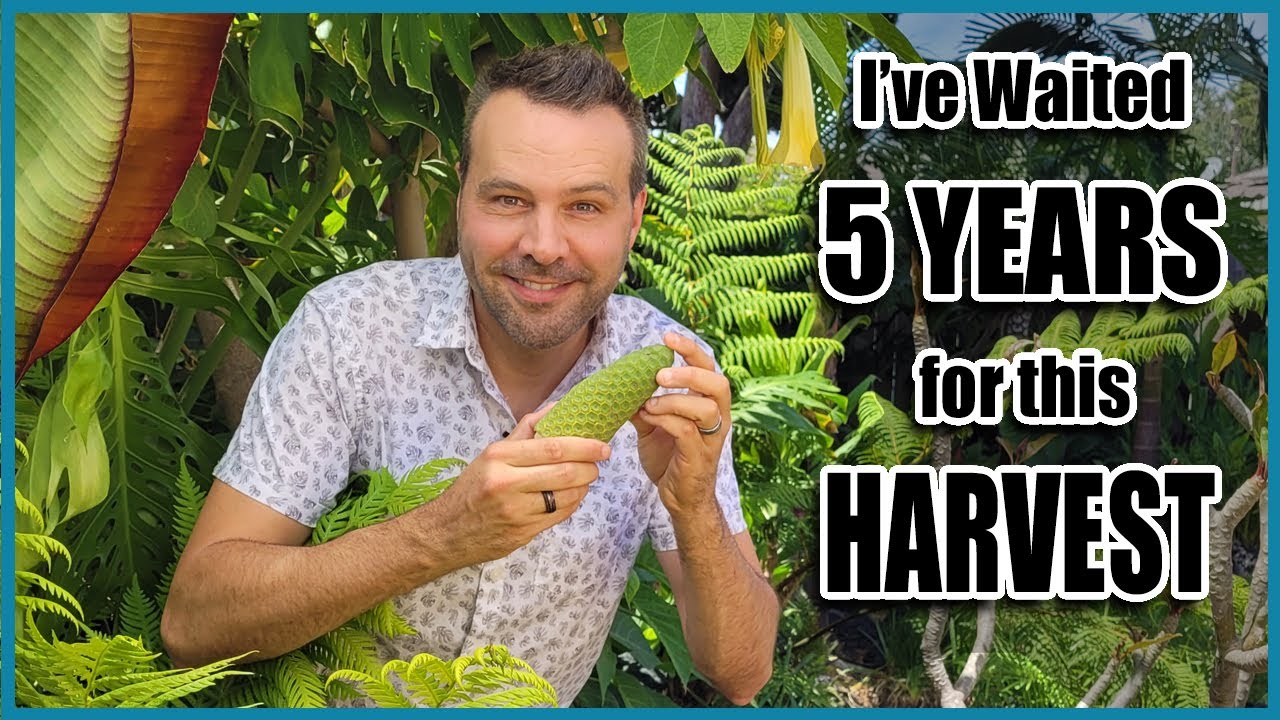
The Monstera Deliciosa fruit is long and looks like an ear of corn. It can grow up to 12 inches in length. The outer skin is green and scaly, resembling a green pine cone. As the fruit ripens, these scales fall off, revealing the edible flesh underneath.
The inner flesh is creamy and white, with a sweet and tangy flavor. It tastes similar to a mix of pineapple, banana, and mango. The texture is smooth and juicy, making it a delightful tropical treat.
Here are the key characteristics of Monstera Deliciosa fruit:
- Length: Up to 12 inches
- Outer Skin: Green and scaly
- Inner Flesh: Creamy and white
- Flavor: Sweet and tangy
- Texture: Smooth and juicy
When To Expect Fruiting
Monstera Deliciosa plants typically start fruiting when they are mature, which is usually after 2-3 years. The fruiting season can vary depending on the climate and growing conditions, but it generally occurs in the warmer months.
In tropical climates, you can expect the plant to bear fruit year-round. In cooler regions, fruiting may occur less frequently, usually in late spring to early summer. Providing the right conditions, such as ample sunlight, proper watering, and suitable humidity, can enhance the chances of your Monstera Deliciosa producing fruit.
To summarize, here is a table showing the fruiting timeline and conditions:
| Condition | Fruiting Timeline |
|---|---|
| Mature Plant | 2-3 years |
| Tropical Climate | Year-round |
| Cooler Regions | Late spring to early summer |
| Ample Sunlight | Enhanced fruiting |
| Proper Watering | Enhanced fruiting |
| Suitable Humidity | Enhanced fruiting |
Ideal Growing Conditions
Ideal growing conditions play a crucial role in how often Monstera deliciosa fruit. To ensure your plant thrives and produces fruit, you need to provide the right environment. Let’s dive into the key factors that contribute to the ideal growing conditions for Monstera deliciosa.
Climate Requirements
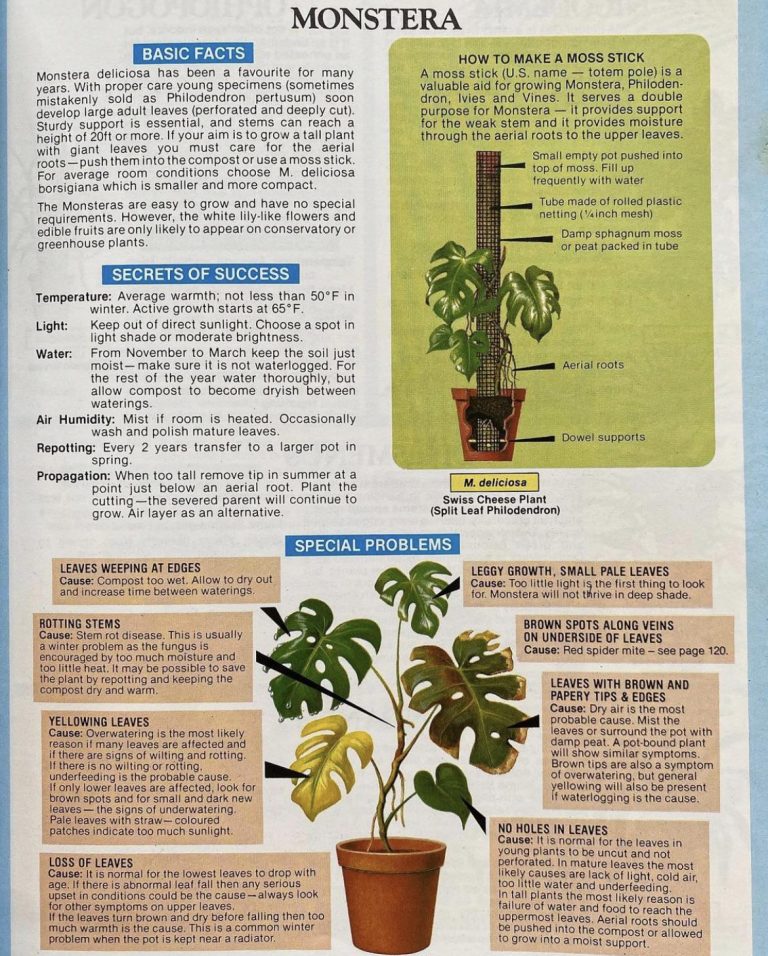
Monstera deliciosa thrives in warm, humid climates. They grow best in temperatures between 65°F and 85°F. Avoid exposing the plant to temperatures below 50°F. They also need high humidity levels, around 60-80%. If you live in a dry area, consider using a humidifier. This will help maintain the moisture levels the plant needs.
Soil And Watering Needs
The right soil mix is essential for Monstera deliciosa. Use a well-draining potting mix with peat, perlite, and pine bark. This mix ensures good drainage and prevents root rot. Water the plant when the top inch of soil feels dry. Overwatering can harm the plant, so always check the soil before watering.
Monstera deliciosa also benefits from regular feeding. Use a balanced liquid fertilizer every month during the growing season. This helps the plant get the nutrients it needs to produce fruit. Remember to reduce feeding in the winter months when the plant’s growth slows down.
Seasonal Growth Patterns
Understanding the seasonal growth patterns of Monstera Deliciosa can help you nurture your plant effectively. The growth and fruiting cycles vary with the seasons. This guide explores how to care for your Monstera Deliciosa throughout the year, helping ensure it thrives and fruits optimally.
Spring And Summer Growth
During spring and summer, Monstera Deliciosa experiences its most vigorous growth period. Warmer temperatures and increased sunlight contribute to this rapid growth phase.
- Temperature: Ideal temperatures range between 65°F and 85°F.
- Sunlight: Bright, indirect light is best. Avoid direct sunlight.
- Watering: Water thoroughly when the top inch of soil is dry.
- Fertilization: Use a balanced liquid fertilizer every 4-6 weeks.
During this period, you may notice new leaves and aerial roots forming. It’s also the time when Monstera Deliciosa is most likely to produce its unique fruit.
Fall And Winter Care
In fall and winter, growth slows down as temperatures drop. The plant enters a more dormant state, requiring different care.
- Temperature: Keep temperatures between 60°F and 75°F.
- Sunlight: Ensure it receives bright, indirect light. Shorter days can affect light availability.
- Watering: Reduce watering frequency. Water only when the soil is mostly dry.
- Humidity: Maintain humidity around 40-60% to prevent leaf damage.
During this time, avoid fertilizing the plant as it’s not in its active growth phase. Focus on providing a stable environment to keep the plant healthy.
| Season | Temperature Range | Watering Frequency | Light Requirements |
|---|---|---|---|
| Spring/Summer | 65°F – 85°F | When top inch of soil is dry | Bright, indirect light |
| Fall/Winter | 60°F – 75°F | When soil is mostly dry | Bright, indirect light |
Understanding these seasonal growth patterns ensures your Monstera Deliciosa remains healthy and vibrant throughout the year.
Encouraging Fruit Production
Monstera Deliciosa, also known as the Swiss Cheese Plant, can produce unique and tasty fruits. But getting these plants to fruit requires some effort. This section will guide you on how to encourage fruit production in your Monstera Deliciosa.
Pruning Techniques
Pruning helps in stimulating fruit growth. Remove dead or damaged leaves. This directs the plant’s energy towards fruit production. Use sharp, clean tools to make precise cuts. Cut just above a node to promote new growth.
Regular pruning also helps in maintaining the plant’s shape. It ensures better air circulation. This reduces the risk of disease. Prune during the growing season for best results.
Fertilization Tips
Proper fertilization is crucial for fruit production. Use a balanced fertilizer with equal parts of nitrogen, phosphorus, and potassium. Fertilize every 4 to 6 weeks during the growing season. Avoid over-fertilizing. It can harm the plant.
Organic fertilizers can also be beneficial. They improve soil quality. They provide slow-release nutrients. Compost or worm castings are good options. Ensure you water the plant after fertilization. This helps in nutrient absorption.
| Fertilization Schedule | Type of Fertilizer |
|---|---|
| Every 4 to 6 weeks (Growing Season) | Balanced Fertilizer (NPK 10-10-10) |
| Once a month (Winter) | Organic Fertilizer (Compost, Worm Castings) |

Common Challenges
Growing Monstera Deliciosa can be rewarding. Yet, several common challenges may arise. These challenges include managing pests and diseases, and addressing environmental stress factors. Understanding these issues can help ensure healthy growth and fruiting.
Pest And Disease Management
Monstera Deliciosa is susceptible to pests and diseases. Common pests include:
- Spider mites
- Scale insects
- Aphids
These pests can damage the plant by sucking sap. This weakens the plant and may reduce fruit production.
To manage pests:
- Inspect your plant regularly.
- Use insecticidal soap for treatment.
- Maintain proper humidity levels.
Disease management is also crucial. Common diseases include:
| Disease | Symptoms |
|---|---|
| Root rot | Yellowing leaves, mushy roots |
| Leaf spot | Brown spots on leaves |
To prevent diseases:
- Ensure proper drainage.
- Avoid overwatering.
- Keep foliage dry.
Environmental Stress Factors
Environmental stress can affect the health of Monstera Deliciosa. Key stress factors include:
- Light
- Temperature
- Humidity
The plant needs bright, indirect light. Too much direct sunlight can scorch the leaves. Insufficient light can reduce fruit production.
Temperature is also important. Monstera Deliciosa thrives in temperatures between 65°F and 85°F. Extreme temperatures can cause stress and affect growth.
Humidity levels should be between 60% and 80%. Low humidity can cause brown leaf edges. Use a humidifier or mist the plant to maintain humidity.
Harvesting Monstera Deliciosa Fruit
Monstera Deliciosa, also known as the Swiss Cheese Plant, is famous for its unique leaves. But did you know this plant also produces delicious fruit? Harvesting Monstera Deliciosa fruit can be a rewarding experience. Before picking, you need to understand the signs of ripeness and safe harvesting methods.
Signs Of Ripeness
Knowing when Monstera fruit is ripe is key. Look for the fruit’s color change. The fruit turns from green to a lighter shade. Another sign is the fruit’s texture. Ripe fruit feels soft to the touch. Notice the fruit’s scales. They start to lift and separate when the fruit is ready.
Safe Harvesting Methods
Harvesting Monstera fruit carefully ensures both your safety and the plant’s health. Use clean tools to avoid infection. Gently twist the fruit until it detaches from the stem. Do not pull hard to avoid damaging the plant. After harvesting, wash the fruit to remove any dirt or debris.
Uses Of Monstera Deliciosa Fruit
Monstera Deliciosa fruit is rarely seen in markets. It takes about a year to ripen. Eaten fresh, it tastes like a mix of pineapple and banana.
Monstera Deliciosa, also known as the Swiss Cheese Plant, is a popular houseplant. Its fruit is not just beautiful but also versatile. People use it in various ways for its unique taste and health benefits.Culinary Applications
The fruit of Monstera Deliciosa has a sweet, tropical flavor. It tastes like a mix of pineapple and banana. Chefs use it to create exotic dishes. You can add it to salads for a fresh twist. It also makes a delicious addition to desserts like ice cream and sorbet. Some people blend it into smoothies. This adds a tropical flair and boosts flavor. It’s also great in fruit salads. Simply peel and slice the fruit for a quick treat.Nutritional Benefits
Monstera Deliciosa fruit is not only tasty but nutritious. It is packed with vitamins and minerals. It contains a good amount of vitamin C. This helps boost your immune system. It also has vitamin B, which supports energy levels. The fruit is rich in fiber. Fiber aids digestion and keeps you full longer. Additionally, it has antioxidants. These help fight free radicals and promote good health. Eating this fruit can be a healthy choice for a balanced diet. “`Conclusion And Final Tips
Monstera Deliciosa fruit every year with proper care. Ensure optimal conditions for consistent fruiting. Regular watering and adequate sunlight are crucial.
Cultivating a Monstera Deliciosa that bears fruit can be a rewarding journey. As you care for your plant, remember that patience and consistent care are key. This section will recap the key points and provide some long-term care advice to help you succeed.Recap Of Key Points
Monstera Deliciosa fruit once a year in ideal conditions. They need the right environment to thrive. Warm temperatures and humidity are essential. Regular watering and fertilizing are important. Adequate sunlight is crucial for fruiting. Pruning helps maintain plant health and encourages growth.Long-term Care Advice
Ensure your plant gets enough light. Place it near a window but avoid direct sunlight. Water your Monstera Deliciosa regularly. Let the soil dry out between waterings. Humidity levels should be kept high. Use a humidifier if necessary. Fertilize your plant every month during the growing season. Use a balanced fertilizer to support growth. Prune your Monstera Deliciosa to promote air circulation. Remove dead or yellowing leaves. This keeps the plant healthy and strong. Repot your plant every two years. This provides fresh soil and more space for roots. Check for pests regularly. Treat any infestations promptly to prevent damage. By following these tips, you can enjoy a healthy, fruit-bearing Monstera Deliciosa for years. “`
Frequently Asked Questions
How Often Does Monstera Deliciosa Produce Fruit?
Monstera Deliciosa typically produces fruit once a year. The frequency can vary based on growing conditions and care.
What Conditions Help Monstera Deliciosa Fruit?
Bright, indirect sunlight and high humidity help Monstera Deliciosa fruit. Proper watering and well-draining soil also contribute.
How Long Does It Take For Monstera Deliciosa To Fruit?
It can take Monstera Deliciosa around two to three years to produce fruit. This depends on care and environment.
Is Monstera Deliciosa Fruit Edible?
Yes, Monstera Deliciosa fruit is edible and delicious. It has a tropical flavor, similar to a mix of pineapple and banana.
Conclusion
Monstera Deliciosa fruits are unique and worth the wait. Patience is essential. These plants can take years to mature and fruit. Regular care helps. Provide the right environment and nutrients. Enjoy the process and beauty of your Monstera. The reward is a delicious and exotic fruit.
Your dedication will pay off. Keep nurturing your plant, and soon you’ll taste the fruit. Happy gardening!