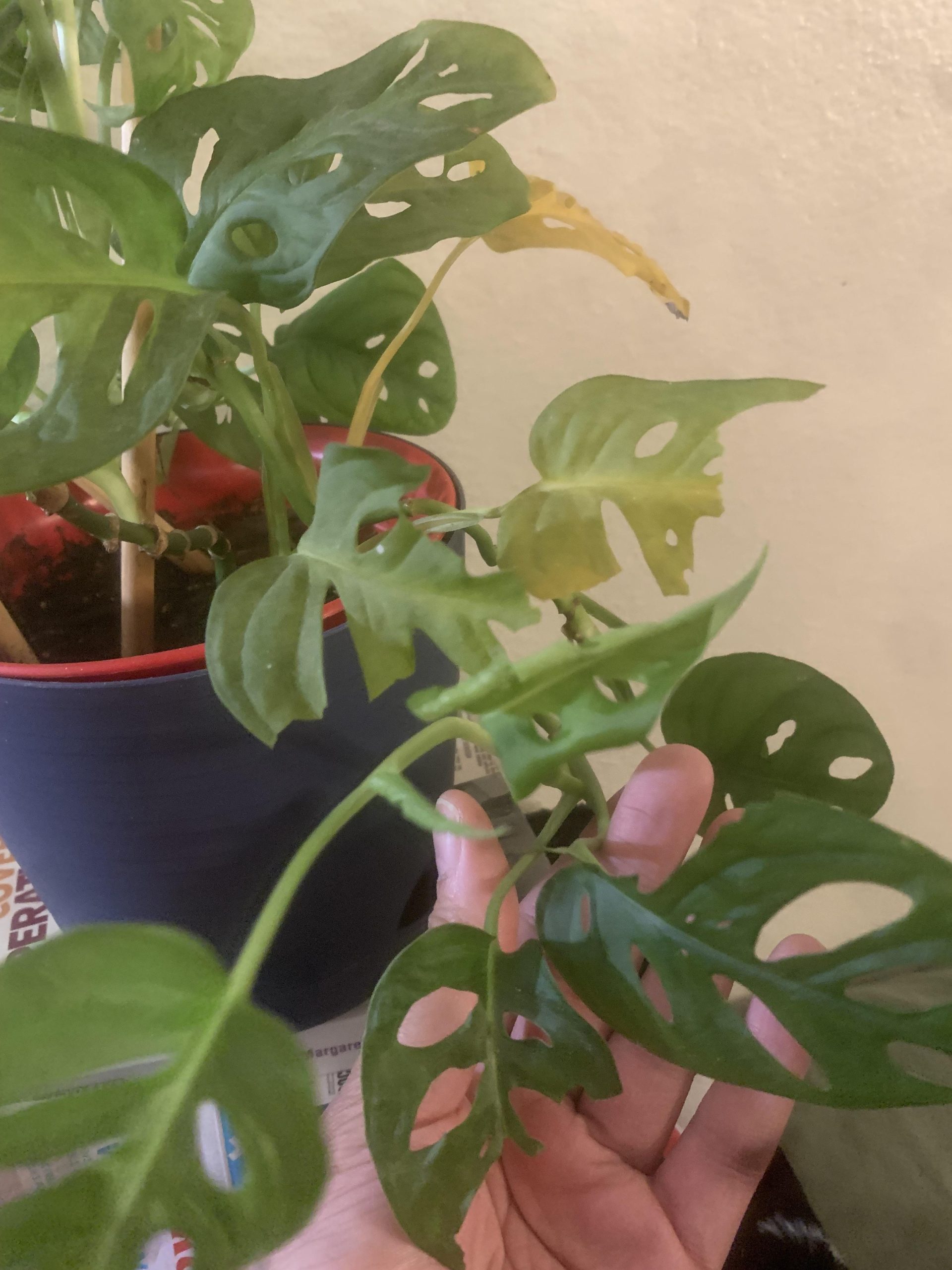
Monstera plants are toxic to rabbits. Even small amounts can be harmful.
Rabbits are known for their curious nature, and they often nibble on plants. As a pet owner, it’s crucial to know which plants are safe. Monstera, a popular houseplant, poses a danger to rabbits. Its leaves contain calcium oxalate crystals, which can cause severe health issues in rabbits.
Ingesting Monstera can lead to mouth irritation, digestive problems, and even more serious conditions. Understanding the risks and keeping such plants out of reach is vital for your rabbit’s health. In this blog, we will discuss the effects of Monstera on rabbits and how to ensure their safety.

Introduction To Monstera And Rabbits
Rabbits are adorable pets, known for their playful nature and gentle disposition. However, their curious habits can sometimes lead them into trouble. One common household plant, Monstera, poses a potential risk. Understanding the relationship between Monstera and rabbits is crucial for pet owners.
What Is Monstera?
Monstera is a popular houseplant recognized for its large, glossy leaves. It originates from tropical regions and thrives in indoor environments. Many people love it for its aesthetic appeal. However, Monstera contains calcium oxalates, which are toxic to many animals.
Rabbits As Pets
Rabbits are social animals and can make great companions. They enjoy exploring their surroundings and often chew on various objects. This behavior can be problematic if they encounter toxic plants. It’s essential to rabbit-proof your home to ensure their safety.
Providing a safe environment for your rabbit involves knowing which plants are harmful. Monstera is one such plant that should be kept out of reach. If ingested, it can cause severe health issues in rabbits.
Toxicity Levels In Monstera
Monstera plants are popular indoor plants known for their large, split leaves. But they are toxic to rabbits. Understanding the toxicity levels in Monstera is vital. This helps keep your pets safe. It’s important to know which parts of the plant are harmful.
Toxic Compounds
Monstera plants contain calcium oxalate crystals. These crystals are the main toxic compounds. They can cause severe health issues in rabbits. The crystals are present in the leaves, stems, and roots. Even a small amount can be dangerous.
Effects On Animals
When rabbits eat Monstera, they may experience serious symptoms. These include:
- Mouth irritation
- Swelling of the mouth and throat
- Excessive drooling
- Difficulty swallowing
- Vomiting
- Decreased appetite
If you suspect your rabbit has ingested Monstera, contact your vet immediately. Early treatment can prevent serious harm.
Symptoms Of Monstera Poisoning In Rabbits
Monstera plants are popular houseplants. But they pose a danger to rabbits. Monstera contains calcium oxalates. These can cause severe health problems in rabbits. Knowing the symptoms of Monstera poisoning in rabbits is crucial. Early detection can save your rabbit’s life.
Early Signs
Early signs of Monstera poisoning are often subtle. But they should not be ignored. Watch for these symptoms:
- Drooling
- Decreased appetite
- Swollen mouth or tongue
- Gagging or choking
These symptoms indicate irritation in the mouth and throat. If you see any of these signs, contact a vet immediately.
Severe Symptoms
If Monstera poisoning progresses, more severe symptoms will appear. These symptoms require urgent veterinary care:
- Difficulty breathing
- Severe swelling
- Diarrhea
- Vomiting
- Seizures
Severe symptoms indicate that the toxins are affecting your rabbit’s internal organs. Quick action can prevent long-term damage or death.

Immediate Actions For Poisoned Rabbits
Monstera plants are toxic to rabbits. Even a small amount can cause serious health issues. If your rabbit eats monstera, contact a vet immediately.
If your rabbit has nibbled on a Monstera plant, act quickly. Monstera plants are toxic to rabbits. Knowing the right steps can save your pet’s life. Here are immediate actions to take if your rabbit is poisoned by Monstera.First Aid Steps
First, remove the plant from your rabbit’s reach. Check your rabbit’s mouth for any plant pieces. Gently remove any visible pieces. Rinse your rabbit’s mouth with water. This can help reduce the toxins. Keep your rabbit calm and comfortable. Stress can make things worse.When To Contact A Vet
Contact your vet immediately after first aid. Explain what happened and the plant involved. Follow their instructions carefully. If your rabbit shows signs like drooling, vomiting, or trouble breathing, it’s urgent. Get to the vet right away. Early treatment can save your rabbit’s life. “`Preventing Monstera Exposure
Preventing Monstera exposure is crucial to keep your rabbit safe. Monstera plants are toxic to rabbits. Even a small bite can cause health issues. Follow these steps to ensure your rabbit stays healthy.
Safe Plant Placement
Place your Monstera plants in areas your rabbit can’t reach. Elevated shelves or hanging baskets work well. Keep plants out of hopping zones. Make sure there are no easy jumping paths to the plants. This reduces the risk of accidental nibbles.
| Plant Placement Tips | Benefits |
|---|---|
| High Shelves | Rabbits can’t jump that high. |
| Hanging Baskets | Out of reach and decorative. |
| Closed Rooms | Completely inaccessible to rabbits. |
Rabbit-proofing Your Home
Make your home safe for your rabbit. Secure toxic plants behind barriers. You can use baby gates or pet playpens. Block off rooms that contain toxic plants. Inspect your home for any gaps or holes. Rabbits are curious and can squeeze through small spaces.
- Use baby gates to block off rooms.
- Place plants in closed cabinets.
- Use pet playpens to create safe zones.
Be vigilant and check your home regularly. Rabbits can be sneaky and persistent. Ensuring their safety is an ongoing task.
Alternative Rabbit-safe Plants
Monstera plants can be harmful to rabbits. Finding safe alternatives is crucial. Rabbit-safe plants ensure your pet’s health and happiness. Below are some non-toxic plant options and tips for creating a safe environment.
Non-toxic Plant Options
Consider growing basil. It is safe and easy to grow. Mint is another good choice. It adds a fresh scent to your space. Parsley is both safe and nutritious. Your rabbit will love nibbling on it. Cilantro is also a great option. It offers a unique flavor and is rabbit-friendly.
Dandelions are safe and can be grown indoors. They are also nutritious. Marigolds add color and are safe for rabbits. Clover is another excellent choice. It grows well and is safe. These plants can keep your rabbit happy and healthy.
Creating A Safe Environment
Place plants out of reach. Use high shelves or hang them. Make sure your rabbit cannot jump to them. Watch your rabbit closely. Ensure it does not chew on harmful plants. Remove toxic plants from its area. Create a safe zone for your pet.
Use barriers to limit access. Baby gates or fences work well. Make sure the barriers are secure. Check them often for stability. Provide safe plants within reach. This keeps your rabbit engaged and safe.
Long-term Care For Affected Rabbits
If your rabbit eats Monstera, it can become very sick. Even small amounts can be dangerous. Recovery takes time and care. Proper care is important to help your rabbit heal and thrive.
Monitoring Health
Keep a close watch on your rabbit’s health. Check for any signs of illness like:
- Loss of appetite
- Diarrhea
- Weakness
- Breathing issues
If you see any of these signs, contact your vet right away. Regular vet visits help catch problems early. Note any changes in behavior or habits.
Dietary Adjustments
Diet plays a big role in recovery. Make sure your rabbit eats a balanced diet. Include:
- Fresh hay
- Leafy greens
- Fresh water
- Limited pellets
Avoid foods that might upset the stomach. Some good options for leafy greens are:
- Romaine lettuce
- Parsley
- Cilantro
Offer small amounts of new foods slowly. This helps avoid any digestive issues.
Conclusion And Safety Tips
Monstera plants are popular for their striking appearance. But they pose risks to rabbits. In this section, we will summarize the key points. We will also provide safety tips to protect your rabbits from Monstera toxicity.
Summary Of Key Points
Monstera plants contain calcium oxalate crystals. These crystals are toxic to rabbits. Even small amounts can cause harm. Symptoms include drooling, mouth irritation, and difficulty swallowing. Severe cases may lead to more serious health issues.
Final Safety Recommendations
Keep Monstera plants out of reach of rabbits. Consider placing them in rooms inaccessible to your pets. Educate everyone in the household about the dangers. Monitor your rabbits for any signs of poisoning. If symptoms appear, contact a vet immediately. Ensure your rabbits have safe plants to chew on. This helps prevent accidental ingestion of toxic plants.

Frequently Asked Questions
Is Monstera Toxic To Rabbits?
Yes, Monstera plants are toxic to rabbits. They contain calcium oxalates, which can cause irritation and serious health issues.
What Symptoms Occur If Rabbits Eat Monstera?
If rabbits eat Monstera, they may show symptoms like drooling, mouth irritation, vomiting, and difficulty swallowing.
How Much Monstera Is Harmful To Rabbits?
Even a small amount of Monstera can be harmful to rabbits. It’s best to keep them away entirely.
Can Rabbits Recover After Eating Monstera?
Rabbits can recover if treated promptly. Seek veterinary assistance immediately if your rabbit consumes Monstera.
Conclusion
Monstera plants can be dangerous for rabbits. Even small amounts are toxic. Symptoms include drooling, swelling, and difficulty eating. Always keep Monstera out of reach. Opt for rabbit-safe plants instead. Prioritize your rabbit’s health. Consult a vet if ingestion occurs.
Stay informed and protect your furry friend. Your rabbit’s safety depends on your choices. Choose wisely.
Leave a Reply