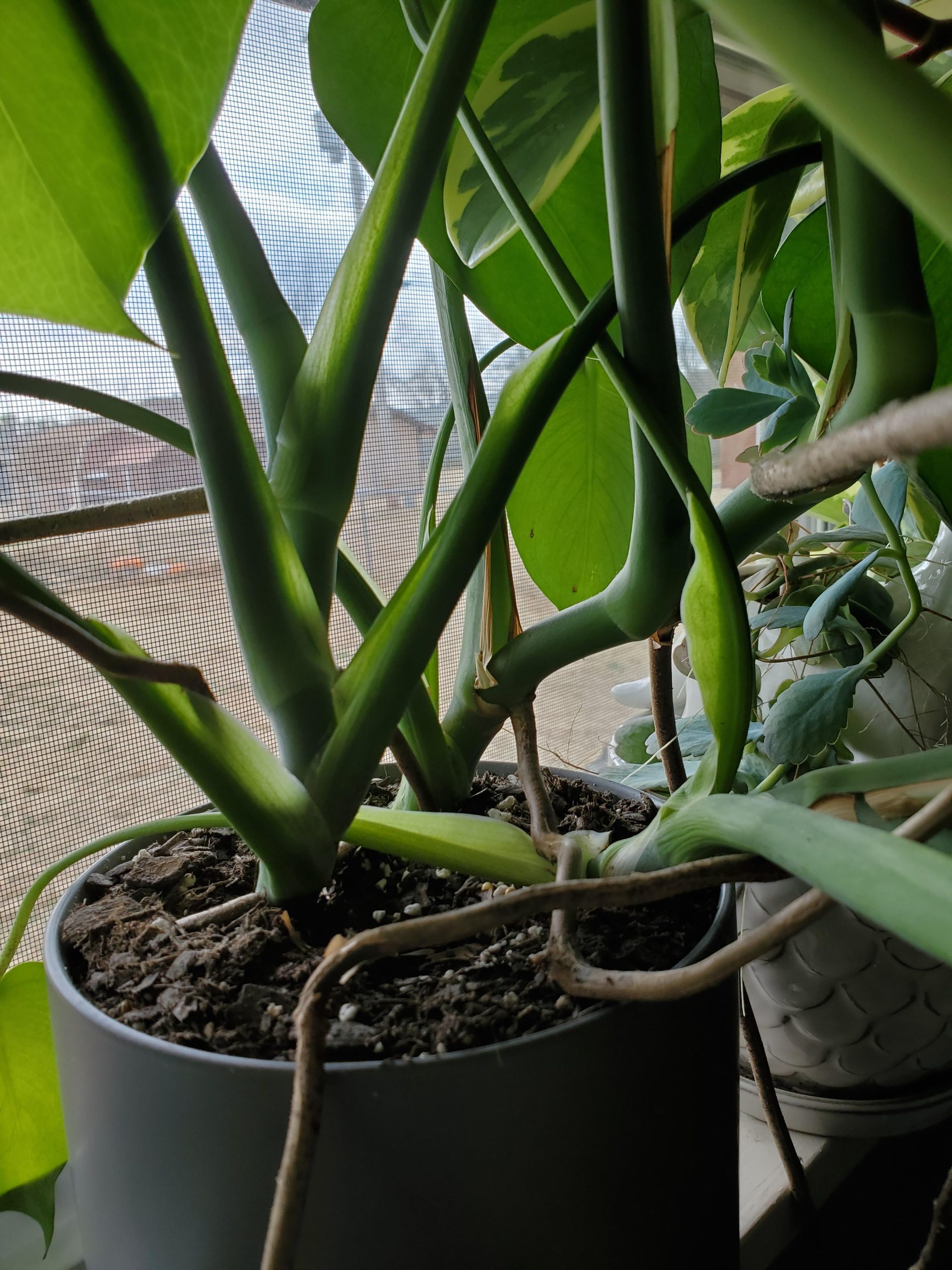
You can place two to three Monstera plants in one pot. This depends on the pot size and the plants’ health.
Monstera plants are popular for their stunning, large leaves. They thrive indoors and can grow big and beautiful. But how many can you put in one pot? This question often arises among plant lovers. Understanding the needs of Monstera plants is key to their growth.
Placing multiple Monstera plants in one pot can save space and create a lush look. But it’s essential to consider their root systems and growth patterns. Let’s explore the best practices for potting multiple Monstera plants together, ensuring they stay healthy and vibrant. This guide will help you make an informed decision.

Choosing The Right Pot
Choosing the right pot for your Monstera plants is crucial. It impacts their health and growth. The pot needs to be spacious and made from the right material. Let’s dive into the details.
Size Matters
The pot size should accommodate the roots of your Monstera. A large pot allows roots to spread easily. This promotes healthy growth. Choose a pot at least two inches wider than the root ball. This gives the plant room to grow. Avoid pots that are too large. They can cause water to pool, leading to root rot.
Material Options
Pot material affects plant health. Common choices include plastic, ceramic, and terracotta. Plastic pots are lightweight and affordable. They retain moisture well. Ceramic pots look attractive. They offer good insulation for roots. Terracotta pots are porous. They allow better air circulation. This helps prevent overwatering. Choose the material based on your needs and environment.

Benefits Of Multiple Monstera Plants
Keeping several Monstera plants in one pot offers many advantages. These benefits include a visually striking display and enhanced growth. Let’s explore these benefits in detail.
Aesthetic Appeal
Having more than one Monstera plant in a pot creates a lush, tropical look. The leaves of multiple plants overlap and create a dense, green canopy. This adds a vibrant touch to any room.
Also, the varying sizes and shapes of the leaves make the arrangement more interesting. This natural diversity adds depth and texture to your indoor garden. You can enjoy a mini jungle right in your home.
Enhanced Growth
Multiple Monstera plants in one pot can support each other’s growth. They create a microclimate that benefits all the plants. This environment is more humid, mimicking their natural habitat.
Additionally, the roots of the plants can intertwine and support each other. This shared root system can lead to stronger and healthier plants. They also compete for nutrients, encouraging faster growth.
Here’s a quick summary of the benefits:
- Improved humidity: Multiple plants increase the moisture around them.
- Stronger roots: Intertwined roots help support each other.
- Faster growth: Competition for nutrients can speed up growth.
By combining Monstera plants in one pot, you can enjoy a thriving, beautiful display that enriches your space.
Potential Drawbacks
Having multiple Monstera plants in one pot may lead to overcrowding. This can limit growth and health. Also, roots might struggle to find enough space.
Placing multiple Monstera plants in one pot can seem appealing. It’s space-efficient and can create a lush, full look. But there are potential drawbacks. These challenges can affect the health and growth of your plants.Root Competition
Roots need space to grow and spread. Multiple plants in one pot can cause root competition. The roots fight for space, water, and nutrients. This struggle can stunt growth. It can also lead to weaker plants. Each plant might not get what it needs to thrive.Disease Spread
Disease can spread more easily in crowded pots. If one plant gets sick, others may follow. The close proximity allows pathogens to travel quickly. Fungus, bacteria, and pests can move from one plant to another. This can cause widespread damage. It may even kill all the plants in the pot. “`
Ideal Monstera Combinations
Monstera plants are popular for their beautiful and unique leaves. Planting them together in one pot can create a lush and vibrant display. But what are the best combinations of Monstera plants for a single pot? Let’s explore the ideal combinations.
Same Species
Combining Monstera plants of the same species can be a great choice. They have similar growth patterns and care needs. This makes it easier to manage them in one pot. Here are some tips:
- Use a large pot to give roots enough space.
- Ensure proper drainage to avoid root rot.
- Place the pot in bright, indirect light.
Planting multiple Monstera deliciosa together can create a fuller look. They will grow harmoniously, providing a lush green display.
Different Varieties
Mixing different Monstera varieties in one pot adds diversity. This can create a more interesting and unique appearance. Here are some popular combinations:
| Variety | Feature |
|---|---|
| Monstera deliciosa | Large, split leaves |
| Monstera adansonii | Smaller, fenestrated leaves |
| Monstera siltepecana | Silver markings on leaves |
Combining these varieties will give your pot a mix of leaf shapes and textures. Make sure to provide enough space for each plant to grow.
Follow these tips for mixing different varieties:
- Choose plants with similar light and water needs.
- Use a well-draining potting mix.
- Rotate the pot regularly to ensure even growth.
With the right combinations, your Monstera pot will thrive and become a stunning focal point in your home.
Planting Techniques
Planting multiple Monstera plants in one pot can be a great idea. It not only saves space but also creates a lush, tropical look. To ensure success, follow the right planting techniques. Proper spacing and soil preparation are crucial for healthy growth.
Proper Spacing
Monstera plants need room to grow. Place each plant at least 12 inches apart. This ensures each plant gets enough light and air. Crowded plants can lead to poor growth and disease. Proper spacing helps the roots spread out and grow strong.
Soil Preparation
Monstera plants thrive in well-draining soil. Use a potting mix that contains peat moss, perlite, and orchid bark. This mix provides good drainage and aeration. Avoid heavy, clay-based soils. They can retain too much water and cause root rot.
Before planting, make sure the pot has drainage holes. This prevents water from sitting at the bottom. Waterlogged soil can harm the plants. After planting, water thoroughly and let the soil dry out between waterings. This keeps the roots healthy and prevents overwatering.
Care Tips For Multiple Plants
Monstera plants can thrive together in one pot if given proper care. Ensuring their health requires attention to specific aspects of their growth. Here are some essential care tips for multiple Monstera plants in one pot.
Watering Schedule
Watering multiple Monstera plants needs careful planning. Check the soil moisture regularly. Water when the top inch is dry. Avoid overwatering. It can cause root rot. Use a pot with good drainage.
Fertilization Needs
Monstera plants need nutrients to grow well. Use a balanced fertilizer monthly. During growing seasons, like spring and summer, they need more nutrients. Follow the instructions on the fertilizer package. Do not over-fertilize. It can harm the plants.
Troubleshooting Common Issues
When growing multiple Monstera plants in a single pot, you may face some common issues. These problems can affect the health and appearance of your plants. Understanding these issues will help you maintain your Monstera plants better.
Yellowing Leaves
Yellowing leaves indicate various issues. Overwatering is a common cause. Ensure the soil dries out between waterings. Poor drainage can also lead to yellowing leaves. Check the pot’s drainage holes. Inadequate light might be another reason. Place your pot in a well-lit area. Nutrient deficiency can cause yellow leaves too. Use a balanced fertilizer to nourish your Monstera plants.
Root Rot
Root rot is a serious problem. Overwatering and poor drainage cause root rot. The roots sit in water and begin to decay. To prevent this, ensure good drainage. Use well-draining soil and a pot with drainage holes. If root rot occurs, remove the plant from the pot. Trim the affected roots with clean scissors. Repot the plant in fresh soil. Water the plant sparingly until it recovers.
Repotting Guidelines
Repotting your Monstera plants is crucial for their health and growth. Understanding when and how to repot can make a significant difference. This guide will help you navigate the repotting process with ease.
When To Repot
Knowing when to repot your Monstera is important. Here are some signs:
- Roots are growing out of the drainage holes.
- The plant looks top-heavy and unstable.
- Soil dries out quickly after watering.
- Growth has slowed down noticeably.
If you notice any of these signs, it’s time to repot.
Step-by-step Process
Follow these simple steps to repot your Monstera plant:
- Choose the right pot: Pick a pot that is 2-4 inches larger in diameter than the current one. Ensure it has drainage holes.
- Prepare the soil: Use a well-draining mix. A blend of peat, perlite, and pine bark works well.
- Remove the plant: Gently take the plant out of its current pot. Be careful not to damage the roots.
- Loosen the roots: Shake off excess soil and gently loosen the roots with your fingers.
- Place in new pot: Put a layer of soil in the bottom of the new pot. Place the plant in the center and fill around it with soil.
- Water thoroughly: Water the plant well to help it settle in its new home.
Repotting is a simple process but it can make a big difference in your Monstera’s growth.
Frequently Asked Questions
How Many Monstera Plants Can I Put In One Pot?
You can typically place 2-3 Monstera plants in a single pot. Ensure the pot is large enough to accommodate their growth and root spread. Proper spacing helps them thrive.
Can Multiple Monstera Plants Share A Pot?
Yes, multiple Monstera plants can share a pot. Ensure the pot is spacious and has proper drainage. This allows healthy growth and prevents overcrowding.
What Size Pot For Multiple Monstera Plants?
For multiple Monstera plants, use a pot at least 18-24 inches in diameter. This size provides adequate space for root expansion and prevents over-crowding.
Do Monstera Plants Need Separate Pots?
Monstera plants don’t necessarily need separate pots. They can share a large pot. Ensure proper care, spacing, and nourishment to support their growth together.
Conclusion
Planting multiple Monstera plants in one pot can be a rewarding experience. It offers a fuller look and saves space. Ensure proper care and spacing for healthy growth. Monitor soil moisture and provide adequate light. Avoid overcrowding to prevent root problems.
Remember, happy plants equal a happy home. Experiment with different arrangements and enjoy the beauty of your Monstera plants.
Leave a Reply