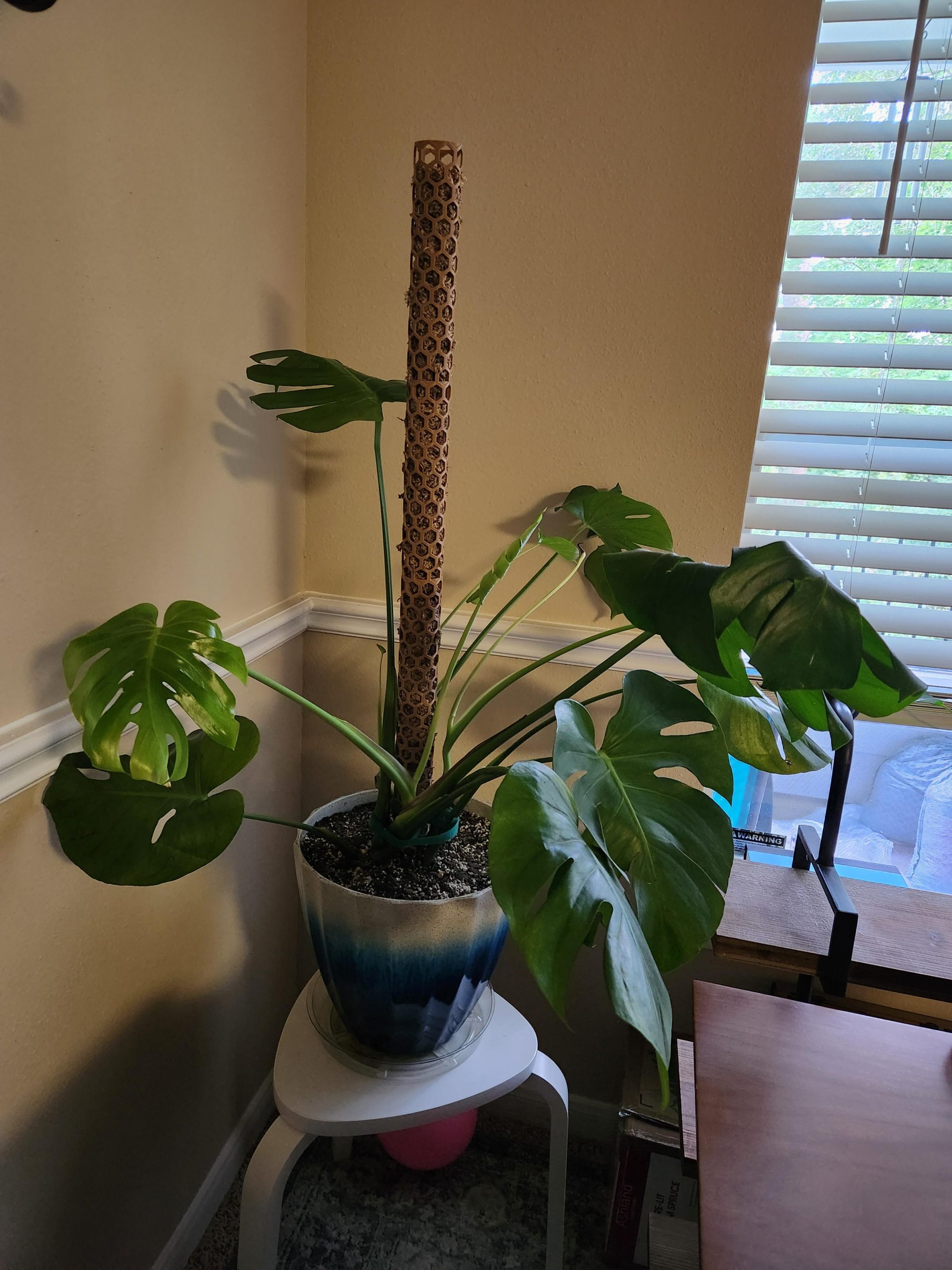
You can place multiple Monstera plants in one pot. The number depends on the pot size and plant health.
Monstera plants are popular for their beautiful, split leaves and easy care. Many plant lovers wonder how many can thrive together in a single pot. The key factors include the pot size, soil quality, and space for roots to grow.
Overcrowding can lead to competition for nutrients, affecting plant health. In this guide, we will explore the best practices for planting multiple Monstera in one pot. This will help you create a lush, thriving green display without harming your plants. Let’s dive into the details to ensure your Monstera plants grow happy and healthy together.

Choosing The Right Pot
Selecting the right pot for your Monstera plants is crucial for their health. It can affect their growth and overall well-being. Let’s explore the key factors to consider.
Size Matters
Pot size is important for Monstera plants. A small pot can restrict their roots. A pot that is too large can cause root rot. Choose a pot that is 2 inches larger in diameter than the root ball. This allows space for growth.
For multiple Monsteras, ensure the pot is big enough. Use a pot that is at least 18 inches in diameter. This gives each plant enough room. Crowded roots can lead to poor growth and health.
Material Choices
The material of the pot also matters. Different materials have different properties. Common choices include plastic, terracotta, and ceramic.
Plastic pots are lightweight and affordable. They retain moisture well but may not be as breathable. This can be an issue for Monstera plants. Terracotta pots are more breathable. They allow better air circulation to the roots. However, they dry out faster and need more frequent watering.
Ceramic pots are durable and attractive. They provide good stability for larger plants. Ensure they have drainage holes to prevent waterlogging. Choosing the right material can help your Monstera thrive.
Monstera Plant Basics
Planting Monstera in one pot depends on the pot size and plant maturity. For best growth, plant one Monstera per pot to allow adequate space for roots. Too many plants can lead to overcrowding and poor health.
Monstera plants are popular houseplants known for their large, unique leaves. They thrive indoors, adding a tropical feel to any room. Understanding their basics helps you grow them successfully.Growth Patterns
Monstera plants grow quickly, especially in the right conditions. They can reach significant heights. Their leaves develop characteristic splits and holes as they mature. These plants climb and spread out. They need space to grow well.Root Structure
Monstera plants have extensive root systems. Their roots spread out to find nutrients. They need a pot that allows roots to grow. Overcrowded roots can harm the plant’s health. Ensure the pot has enough room for root expansion. “`Determining Number Of Plants
Choosing the right number of Monstera plants for one pot can be tricky. Several factors come into play, such as space requirements and growth potential. By understanding these elements, you can ensure your Monstera thrives.
Space Requirements
Monstera plants need ample space to grow. Each plant needs at least 12 inches of space around its base. This spacing allows the leaves to spread without crowding. Consider the pot size carefully. A pot with a diameter of 18 inches can comfortably hold one Monstera plant.
Here’s a simple table to illustrate:
| Pot Diameter | Number of Monstera Plants |
|---|---|
| 12 inches | 1 |
| 18 inches | 1 |
| 24 inches | 2 |
Remember, too many plants in one pot can lead to overcrowding. This can cause poor air circulation and increase the risk of disease.
Growth Potential
Monstera plants are known for their rapid growth. They can grow up to 10 feet tall indoors. As they grow, their roots spread out and need more space. Overcrowding can stunt their growth. Each plant should have enough room to reach its full potential.
Consider the following points:
- Root space: Ensure the pot has enough depth for root expansion.
- Leaf spread: Allow room for the leaves to spread without touching other plants.
- Air circulation: Good air flow helps prevent mold and pests.
To sum up, understanding the space requirements and growth potential of Monstera plants will help you determine the right number of plants for one pot.
Soil And Nutrient Needs
When growing multiple Monstera plants in one pot, understanding their soil and nutrient needs is crucial. The right soil mix and proper fertilization ensure healthy growth and vibrant leaves. Let’s dive into the details.
Soil Composition
Monstera plants thrive in well-draining soil. This prevents root rot and other issues. A good mix includes peat moss, perlite, and pine bark. These components offer good aeration and moisture retention.
| Component | Benefits |
|---|---|
| Peat Moss | Retains moisture, provides nutrients |
| Perlite | Improves drainage, prevents compaction |
| Pine Bark | Enhances aeration, adds organic matter |
Mix these in a 2:1:1 ratio for best results. This blend ensures your Monstera plants get the right balance of moisture and air.
Fertilization Tips
Monstera plants benefit from regular feeding. Use a balanced, water-soluble fertilizer. Aim for an NPK ratio of 20-20-20. Fertilize every 4-6 weeks during the growing season.
- Spring: Fertilize every 4 weeks
- Summer: Fertilize every 4 weeks
- Fall: Fertilize every 6 weeks
- Winter: Reduce or stop fertilizing
Over-fertilizing can harm your plants. Always follow package instructions. Dilute the fertilizer to half-strength for young plants. This prevents nutrient burn.
With the right soil composition and fertilization, your Monstera plants will flourish. Happy growing!
Watering Practices
Watering practices are crucial for the health of your Monstera plants. Proper watering ensures your Monstera thrives and avoids issues like root rot. Let’s dive into two key aspects of watering practices: frequency and drainage importance.
Frequency
Watering frequency depends on various factors like pot size, soil type, and climate. Generally, Monsteras need water every 1-2 weeks. Check the top inch of soil. If dry, it’s time to water. Overwatering can lead to yellow leaves and root rot. Underwatering causes wilting and brown leaf edges.
Drainage Importance
Good drainage is vital for Monstera plants. Ensure the pot has drainage holes. This prevents water from sitting in the soil. Excess water can cause root rot. Use a well-draining soil mix. It helps excess water escape and keeps roots healthy. Adding perlite or orchid bark improves drainage.
Light And Temperature
Light and temperature play crucial roles in the health of Monstera plants. Knowing the right conditions can help your Monstera thrive. These factors affect their growth, appearance, and overall health. Understanding these needs ensures your plant stays vibrant.
Optimal Light Conditions
Monstera plants prefer bright, indirect light. Direct sunlight can scorch their leaves. Place your plant near a window with filtered light. Use sheer curtains to diffuse sunlight. Avoid placing them in low-light areas. This can hinder their growth and make them leggy.
Temperature Preferences
Monstera plants thrive in warm temperatures. Ideal range is between 65°F and 85°F. Avoid exposing them to temperatures below 55°F. Cold drafts can damage the plant. Keep them away from heating vents. Sudden temperature changes can stress the plant.
Humidity is also important for Monstera. They prefer high humidity levels. Use a humidifier if the air is dry. Mist the leaves occasionally. This keeps the plant healthy and vibrant.
Pruning And Maintenance
Pruning and maintenance are essential for healthy Monstera plants. Ideally, one Monstera per pot ensures enough space for growth. Overcrowding can hinder their development and overall health.
Proper pruning and maintenance ensure the health of your Monstera plants. Pruning helps control the plant’s size and shape. It also promotes new growth. Regular maintenance keeps pests at bay and maintains overall plant health.Pruning Techniques
Pruning your Monstera correctly is essential. Use clean, sharp scissors or pruning shears. Cut just above a node, where leaves and roots grow. Remove yellow or damaged leaves. They drain the plant’s energy. Trim any leggy stems to encourage bushier growth. Prune in spring or early summer. This is the plant’s active growing period.Pest Control
Monstera plants can attract pests like spider mites and aphids. Inspect your plant regularly for signs of pests. Look for tiny webs or sticky residue. If you see pests, isolate the plant. Use insecticidal soap or neem oil. Spray the affected areas thoroughly. Clean your plant’s leaves with a damp cloth. This helps prevent pests from settling. Keep your Monstera in a well-ventilated area. Proper air circulation reduces the risk of infestations. “`
Common Problems
Growing multiple Monstera plants in one pot can create a lush, tropical display. But it also comes with its own set of challenges. Understanding these common problems can help you keep your plants healthy and thriving.
Overcrowding
Overcrowding happens when you place too many Monstera plants in one pot. This limits their growth and can cause several issues:
- Stunted growth: The plants may not grow as large as they should.
- Leaf yellowing: Leaves can turn yellow due to lack of nutrients.
- Poor air circulation: Limited space can reduce air flow around the plants.
To avoid overcrowding, use a large enough pot. Ensure each plant has enough space to grow. This helps them access the nutrients and air they need.
Root Rot
Root rot is another common problem when growing multiple Monstera plants in one pot. It occurs when the roots sit in water for too long. This can lead to several issues:
- Wilting: The leaves may start to wilt and look unhealthy.
- Foul smell: A bad odor may come from the soil.
- Black or brown roots: Healthy roots should be white or light tan. Dark roots indicate rot.
To prevent root rot, ensure the pot has good drainage. Use a well-draining soil mix. Water the plants only when the top inch of soil feels dry.

Frequently Asked Questions
How Many Monstera Can I Plant In One Pot?
You can plant up to two Monstera in one pot. Ensure the pot is large enough to accommodate their root systems and provide enough space for growth.
Can Monstera Plants Share A Pot?
Yes, Monstera plants can share a pot. Make sure the pot is spacious and has good drainage to avoid root crowding and promote healthy growth.
What Pot Size For Two Monstera Plants?
A pot with a diameter of at least 12-16 inches is recommended for two Monstera plants. This size allows enough room for roots to expand and ensures proper growth.
Do Monsteras Need Big Pots?
Monsteras need big pots as they have extensive root systems. A larger pot supports their growth and prevents root-bound conditions, promoting healthier plants.
Conclusion
Choosing the right number of Monstera plants for one pot is important. Overcrowding can harm growth and health. Aim for balance and proper spacing. This ensures each plant gets enough light and nutrients. Happy, healthy Monsteras thrive in well-planned pots.
Enjoy nurturing your beautiful indoor jungle. Your Monstera plants will thank you with lush, vibrant leaves.
Leave a Reply