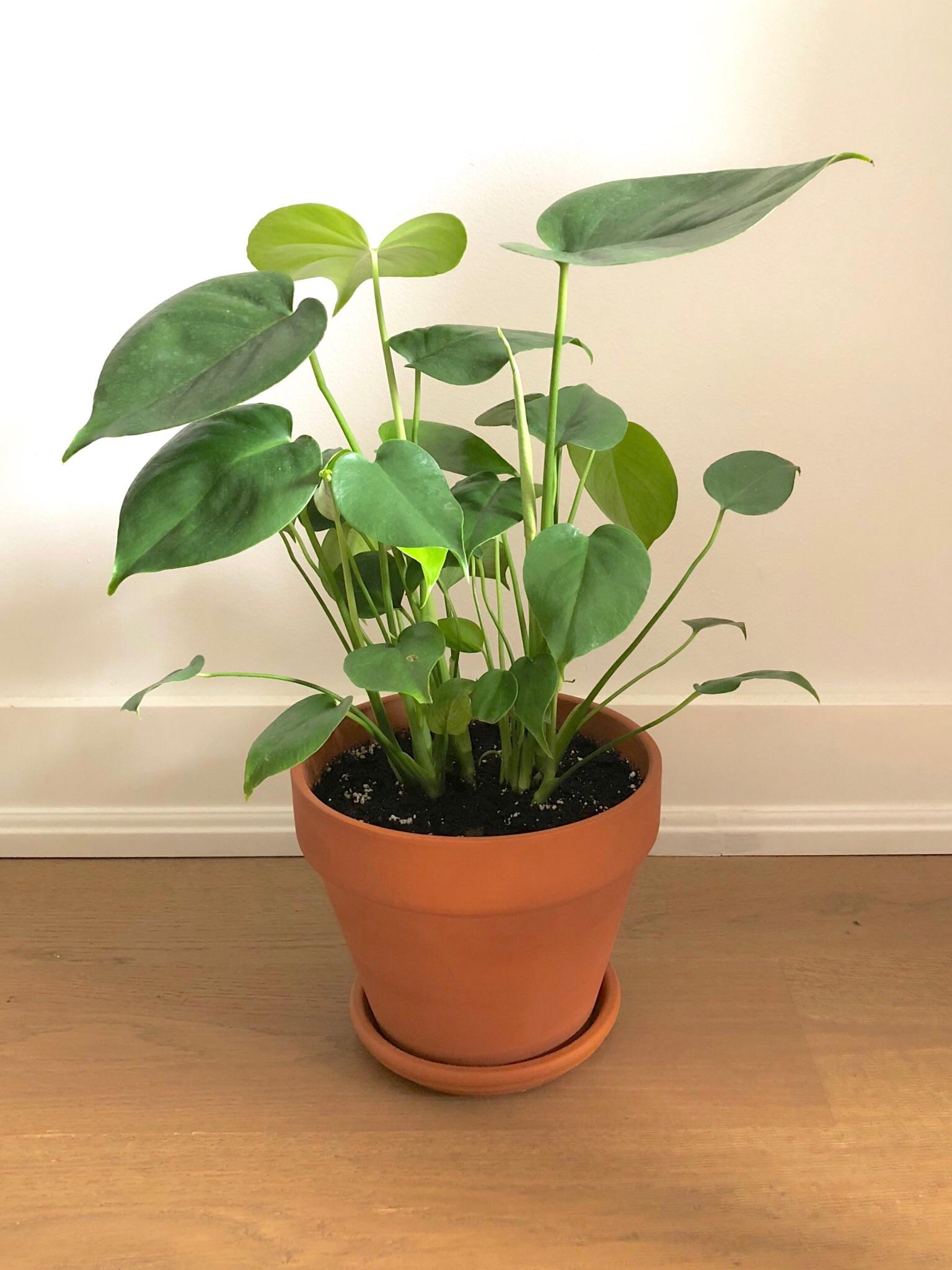
Monstera plants are popular for their unique, large leaves. But how long do they take to grow?
Typically, a Monstera takes a few months to start showing noticeable growth. Within a year, it can grow several feet under the right conditions. Monstera plants, also known as Swiss cheese plants, are beloved by plant enthusiasts. Their iconic leaves and manageable care make them a favorite.
Growth speed depends on several factors, like light, water, and soil quality. With proper care, these plants can thrive and grow quickly. Patience is key, as they establish roots first. Over time, you will see new leaves and a taller plant. Understanding Monstera growth can help you provide the best care and enjoy watching your plant flourish.

Introduction To Monstera Growth
Monstera plants are famous for their unique, split leaves. They are a favorite among houseplant enthusiasts. Knowing how long Monstera takes to grow helps you care for it better. Let’s dive into the growth journey of this popular plant.
Brief Overview
Monstera plants are native to tropical forests. They can grow both indoors and outdoors. These plants can reach impressive heights of up to 10 feet indoors. Outdoors, they can grow even taller.
The growth rate of Monstera varies. It depends on factors like light, water, and temperature. A healthy Monstera can grow up to 1-2 feet per year. This growth rate is for well-cared-for plants in ideal conditions.
Importance Of Growth
Understanding Monstera growth is essential. It helps you provide the right care. Proper growth indicates a healthy plant.
Healthy growth means your Monstera is getting what it needs. This includes enough light, water, and nutrients. When you see new leaves, it’s a good sign. It shows your plant is thriving.
Monitoring growth helps you spot problems early. If your Monstera is not growing, it may need more care. Adjusting light or water can make a big difference.
Monstera Growth Stages
Monstera Growth Stages are fascinating. Each stage shows how the plant evolves over time. From a tiny seed to a lush green plant, the journey is mesmerizing. Let’s break down the stages to understand the process better.
Germination
The first stage is germination. This is when the seed starts to grow. For Monstera, this usually takes about 10 to 14 days. During this period, the seed absorbs water and swells. You will notice a small sprout emerging from the soil.
Here are the key steps in germination:
- Soak the seeds for 12-24 hours.
- Plant the seeds in moist soil.
- Keep the soil warm and humid.
- Wait for the sprout to appear.
Juvenile Stage
The juvenile stage follows germination. This stage can last several months. The plant will develop small, heart-shaped leaves. These leaves are usually solid green without holes. During this time, the plant focuses on growing roots and stems. Water the plant regularly and provide indirect sunlight.
To help your plant thrive:
- Ensure the soil is well-draining.
- Water when the top inch of soil is dry.
- Place in a spot with indirect sunlight.
- Use a balanced liquid fertilizer once a month.
Mature Stage
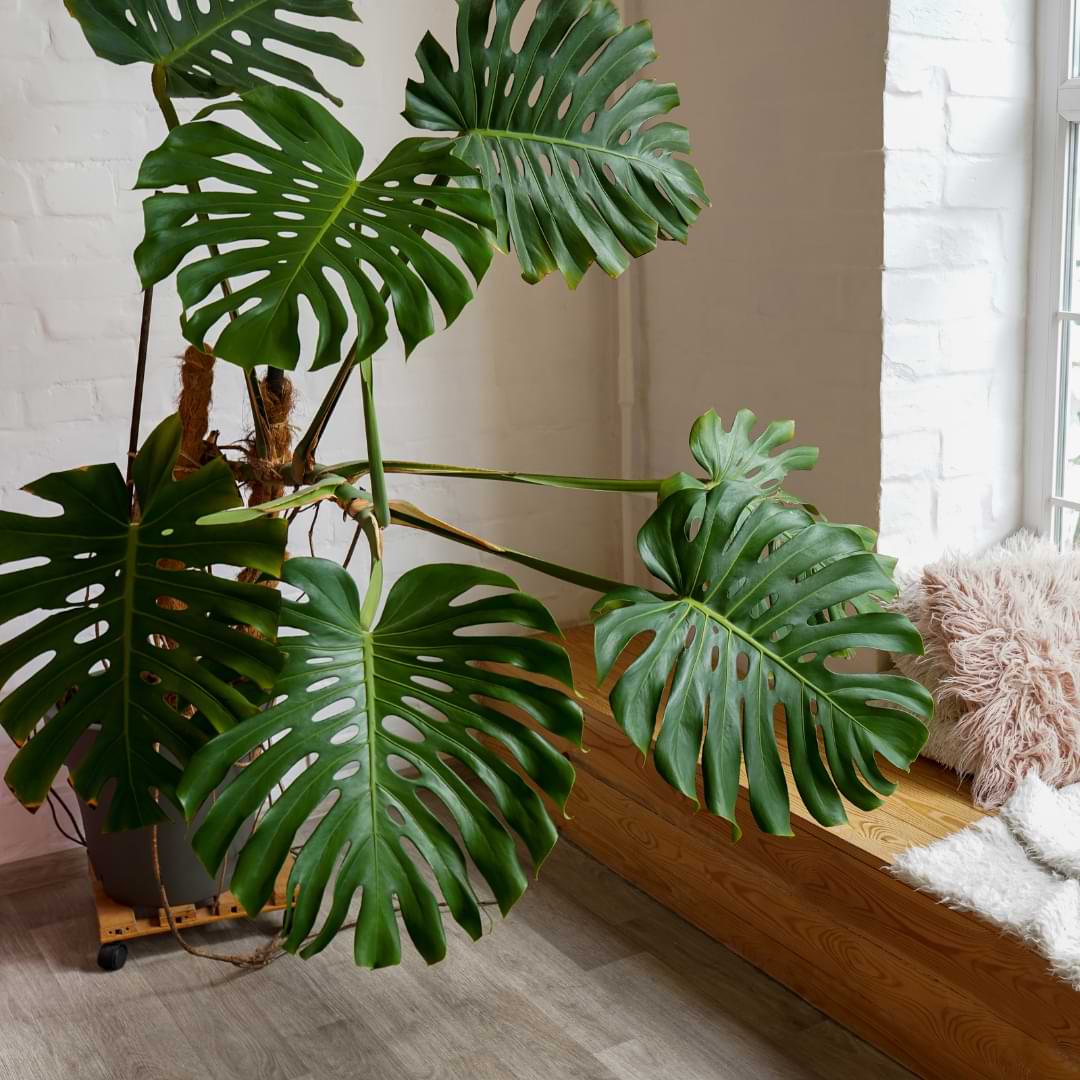
The final stage is the mature stage. Monstera plants reach maturity in about 2-3 years. The leaves become larger and develop their iconic holes. These holes help the plant withstand high winds in its natural habitat. At this stage, the plant may also start producing flowers and fruit.
To care for a mature Monstera:
- Provide a moss pole for support.
- Increase humidity around the plant.
- Prune dead or yellow leaves.
- Repot every 2 years to refresh the soil.
Understanding these stages helps in providing the right care at each phase. Enjoy watching your Monstera grow and thrive!
Factors Influencing Growth Rate
Monstera plants are popular for their unique, large, and fenestrated leaves. The growth rate of Monstera can vary based on several factors. Understanding these factors can help you optimize the conditions for your plant to thrive. Let’s explore the primary factors influencing Monstera’s growth rate.
Light Requirements
Monstera plants thrive in bright, indirect light. Too much direct sunlight can scorch the leaves. Insufficient light can slow down growth. Place your Monstera near a window with filtered light. A north or east-facing window is ideal. Artificial grow lights can also help, especially during shorter days.
Watering Needs
Proper watering is crucial for Monstera growth. The soil should be kept moist but not waterlogged. Water the plant when the top inch of soil feels dry. Overwatering can lead to root rot. Underwatering can cause the leaves to turn brown and crispy. Use a pot with drainage holes to prevent excess water buildup.
Soil Quality
Monstera plants prefer well-draining soil. A mix of peat moss, perlite, and pine bark works well. This type of soil provides good aeration and retains moisture without becoming soggy. Avoid heavy, clay-based soils. They can suffocate the roots and hinder growth.
Humidity Levels
Monstera plants thrive in high humidity environments. Indoor humidity should be around 60%. Low humidity can cause the leaves to curl and edges to brown. Use a humidifier to maintain proper humidity levels. Misting the leaves can also help. Placing the plant on a pebble tray with water can increase humidity.
Optimal Growing Conditions
Growing a Monstera plant requires understanding its optimal growing conditions. These conditions help ensure that your Monstera thrives and grows at a healthy pace. Let’s explore the ideal temperature, best locations, and fertilization tips for your Monstera plant.
Ideal Temperature
The ideal temperature for a Monstera plant ranges between 65°F to 85°F (18°C to 29°C). These plants prefer warm environments. Avoid exposing them to temperatures below 50°F (10°C). Cold temperatures can stunt their growth. Ensure the temperature remains consistent. Sudden changes can stress the plant.
Best Locations
Place your Monstera in a location with indirect sunlight. Direct sunlight can burn its leaves. A spot near a north or east-facing window works well. Alternatively, use sheer curtains to filter the light. Monitor the light levels. Too little light can slow growth.
| Location | Light Condition |
|---|---|
| North-Facing Window | Indirect Sunlight |
| East-Facing Window | Morning Sunlight |
| South/West-Facing Window | Filtered Sunlight |
Fertilization Tips
Fertilize your Monstera plant every 4 to 6 weeks during the growing season. Use a balanced, water-soluble fertilizer. Dilute it to half strength. Over-fertilizing can harm the plant. Always follow the instructions on the fertilizer package.
- Mix the fertilizer with water.
- Water the plant thoroughly.
- Do not fertilize in winter.
During the winter months, the plant’s growth slows down. Skip fertilization during this period. Resume in the spring when the plant starts actively growing again.
Common Growth Issues
Growing a Monstera plant can be rewarding. Yet, it comes with its challenges. Understanding common growth issues helps maintain a healthy plant. Let’s explore some of the most common problems.
Pests And Diseases
Pests can be a serious problem for Monstera plants. Common pests include spider mites, mealybugs, and aphids. These pests can damage the leaves and stunt growth. Regularly check for pests and treat them promptly.
Diseases can also affect Monstera growth. Root rot is a common issue caused by overwatering. Ensure proper drainage to avoid this problem. Fungal infections can also occur. Keep the plant’s environment clean and well-ventilated.
| Pest | Symptoms | Solution |
|---|---|---|
| Spider Mites | Webbing on leaves | Use insecticidal soap |
| Mealybugs | White, cottony spots | Wipe with alcohol-soaked cloth |
| Aphids | Sticky residue on leaves | Spray with neem oil |
Yellowing Leaves
Yellowing leaves are a common issue in Monstera plants. This can be due to several reasons. Overwatering is a frequent cause. Ensure the soil dries out between watering sessions.
Nutrient deficiencies can also cause yellow leaves. A balanced fertilizer can help. Ensure the plant gets enough light. Insufficient light can lead to yellowing as well.
Slow Growth
Slow growth is another common issue. Insufficient light is a primary cause. Monstera plants thrive in bright, indirect light. Move the plant to a brighter spot if growth is slow.
Temperature can also affect growth. Monstera prefers warm, humid conditions. Ensure the environment is suitable for the plant. Nutrient deficiencies can also slow growth. Use a balanced fertilizer to provide necessary nutrients.
Understanding these common issues can help maintain a healthy Monstera. Regular care and attention will ensure your plant thrives.
Pruning And Maintenance
Pruning and maintenance are crucial for the healthy growth of a Monstera plant. Regular care ensures that your Monstera remains vibrant and thrives in its environment. Let’s explore the essentials of pruning and maintenance.
When To Prune
Pruning should be done during the growing season. This is typically in spring and summer. Avoid pruning in fall and winter. The plant is dormant during these times.
How To Prune
Use clean, sharp scissors or pruning shears. Cut just above a leaf node. This promotes new growth. Remove any yellow or brown leaves. Trim away any leggy or overgrown stems. Be gentle to avoid damaging the plant.
Cleaning Leaves
Wipe the leaves with a damp cloth. This removes dust and pests. Clean leaves can photosynthesize better. They also look more attractive. Avoid using chemicals. These can harm the plant.
Propagation Methods
Propagating Monstera plants can be very rewarding. There are several methods to do this, each with its own set of steps. Understanding these methods can help you grow your Monstera faster and healthier.
Stem Cuttings
Stem cuttings are a popular way to propagate Monstera. It is simple and effective. Here is how you can do it:
- Choose a healthy stem with at least one node.
- Use a clean, sharp knife to cut the stem below the node.
- Place the cutting in water or moist soil.
- Keep the cutting in a warm, bright place.
- Roots should appear in a few weeks.
Ensure the water or soil is kept moist. This will encourage root growth.
Air Layering
Air layering is another effective method for propagating Monstera. It allows the plant to develop roots while still attached to the parent plant. Follow these steps:
- Select a healthy stem with at least one node.
- Make a small cut below the node.
- Wrap the cut area with damp sphagnum moss.
- Cover the moss with plastic wrap to keep it moist.
- Secure the plastic wrap with tape or string.
- Roots should form in a few weeks. Once roots develop, cut the stem below the roots and plant it in soil.
This method is great for ensuring strong, healthy roots.
Seed Propagation
Seed propagation is less common but possible. This method requires patience. Here is how to propagate Monstera from seeds:
- Obtain fresh Monstera seeds.
- Soak the seeds in water for 24 hours.
- Plant the seeds in a mix of peat and perlite.
- Keep the soil moist but not wet.
- Place the seeds in a warm, bright location.
- Germination can take several weeks.
Seed propagation can take longer than other methods. Patience is key.
Tips For Faster Growth
Monstera plants, known for their stunning leaves, can grow quickly with the right care. Many plant lovers want to see their Monstera thrive and grow faster. Here are some tips to help you boost the growth of your Monstera and avoid common mistakes.
Boosting Growth
To boost growth, ensure your Monstera gets the right amount of light. They love bright, indirect sunlight. Direct sunlight can damage the leaves, while too little light can slow growth. Place your plant near a window with filtered light.
Watering your Monstera properly is also crucial. Overwatering can lead to root rot. Allow the soil to dry out between waterings. A good rule of thumb is to water when the top inch of soil is dry.
Fertilizing your Monstera can give it a growth boost. Use a balanced, water-soluble fertilizer every month during the growing season. This provides essential nutrients to support healthy growth.
Healthy Habits
Maintaining healthy habits ensures your Monstera grows strong. Regularly clean the leaves to remove dust. This helps the plant absorb light more efficiently.
Repotting your Monstera every two years helps it grow. Choose a pot that is 2 inches larger in diameter than the current one. This gives the roots more room to expand.
Pruning is another healthy habit. Remove any yellow or damaged leaves. This encourages new growth and keeps the plant looking its best.
Common Mistakes
Avoiding common mistakes is key to fast growth. Overwatering is one of the biggest issues. Ensure your pot has drainage holes to prevent water from sitting at the bottom.
Another mistake is not providing enough humidity. Monstera plants thrive in humid environments. Use a humidity tray or a humidifier to keep the air moist.
Lastly, neglecting to rotate your plant can cause uneven growth. Rotate your Monstera every few weeks. This ensures all sides get equal light exposure.
| Tips | Actions |
|---|---|
| Light | Bright, indirect sunlight |
| Watering | Allow soil to dry between waterings |
| Fertilizing | Use balanced, water-soluble fertilizer monthly |
| Cleaning Leaves | Remove dust regularly |
| Repotting | Every two years |
| Pruning | Remove yellow or damaged leaves |
| Humidity | Use a humidity tray or humidifier |
| Rotation | Rotate plant every few weeks |
Frequently Asked Questions
How Long Does Monstera Take To Mature?
Monstera plants typically take 2 to 3 years to mature. Proper care and optimal conditions can speed up growth.
What Factors Affect Monstera Growth Rate?
Light, water, soil quality, and temperature affect Monstera growth. Provide bright, indirect light and well-draining soil.
How Often Should I Water Monstera?
Water Monstera when the top inch of soil is dry. Overwatering can cause root rot.
Can Monstera Grow In Low Light?
Monstera can survive in low light but prefers bright, indirect light. Low light slows growth.
Conclusion
Patience is key with Monstera growth. It takes time, but the wait is rewarding. Ensure proper light, water, and soil for optimal growth. Healthy plants grow faster and look better. Monitor your Monstera regularly. Small adjustments can make a big difference.
Enjoy the process and watch it thrive. Happy growing!
Leave a Reply