
Monstera plants, also known as Swiss cheese plants, are popular houseplants. They are loved for their large, unique leaves and easy care.
How long does it take Monstera to mature? Typically, Monstera plants take around 2-3 years to reach maturity. This can vary depending on growing conditions and care. Monstera plants thrive in bright, indirect light and need regular watering. They also enjoy a humid environment.
With proper care, these plants can grow quite fast. Understanding their growth stages can help you care for them better. This guide will walk you through the factors affecting Monstera’s growth and what to expect as your plant matures. Let’s explore how to help your Monstera reach its full potential.
Introduction To Monstera Plants
Monstera plants, also known as Swiss Cheese Plants, are popular houseplants. They are loved for their unique leaves and easy care.
These tropical beauties add a touch of jungle to any room. But how long does it take for Monstera to mature? Let’s dive in.
Popular Varieties
There are several popular varieties of Monstera plants. Each has its unique charm.
- Monstera Deliciosa: Known for large, split leaves.
- Monstera Adansonii: Features smaller, holey leaves.
- Monstera Obliqua: Rare, with thin, delicate leaves.
Unique Characteristics
Monstera plants have several unique characteristics that make them stand out. Here are a few:
- Fenestrations: The holes and splits in the leaves are called fenestrations. They help the plant withstand heavy rains in the wild.
- Climbing Nature: Monstera plants are climbers. They use aerial roots to cling to surfaces.
- Air Purifying: Monstera plants help clean the air. They remove toxins and improve air quality.
Knowing these characteristics helps you understand and care for your Monstera better.
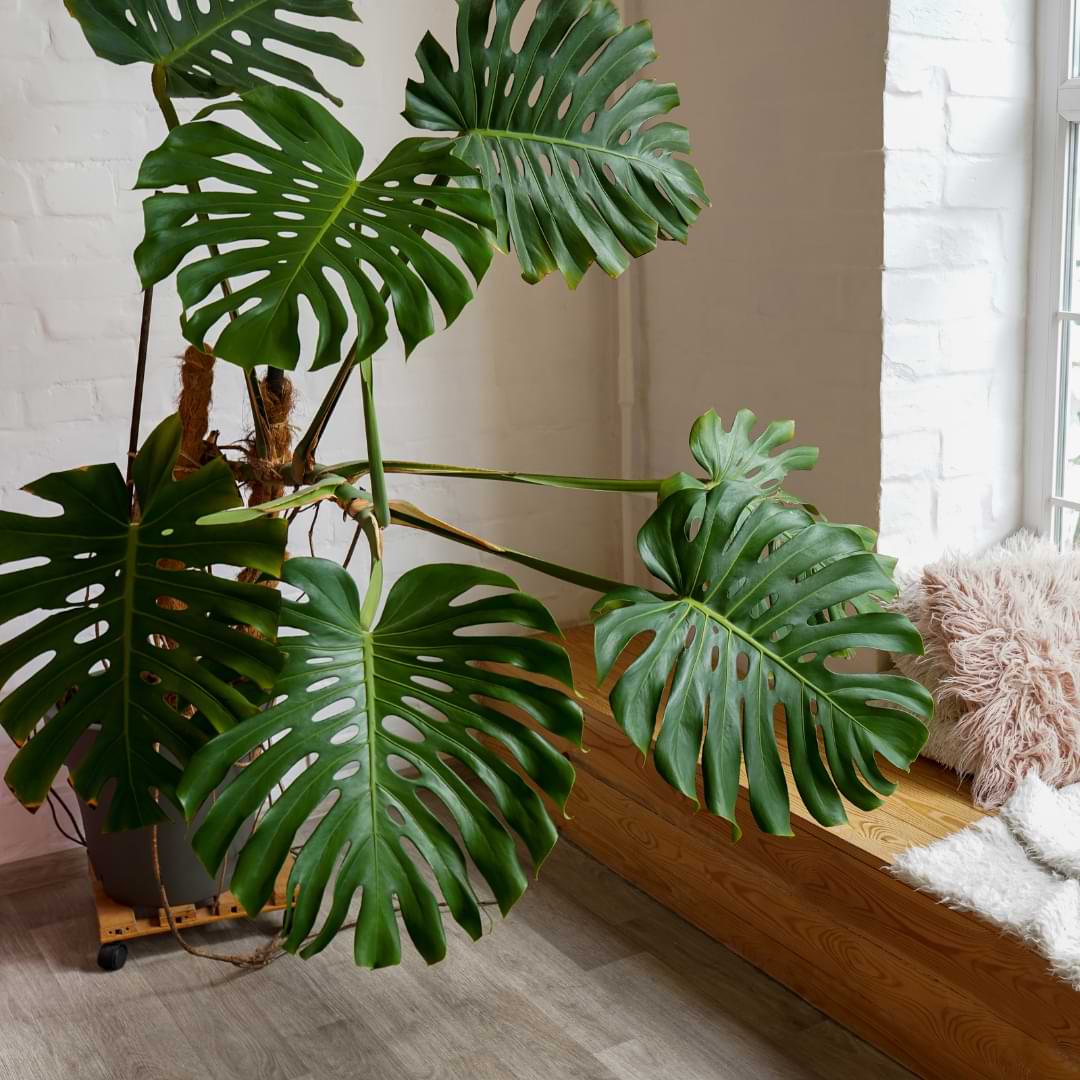
Growth Stages Of Monstera
Understanding the growth stages of Monstera is key to nurturing these popular houseplants. Monstera plants, known for their unique leaves, go through distinct phases from seedling to maturity. Each stage has its own requirements and characteristics. Let’s explore these stages to help you care for your Monstera effectively.
Seedling Phase
The first stage in the growth of a Monstera is the seedling phase. In this stage, the plant is just sprouting from the soil. The leaves are small and simple, without the characteristic holes. During this phase, the plant needs a lot of attention. Ensure it gets enough light and water, but don’t overwater. The soil should be moist, not soggy.
It’s also important to maintain a warm environment. The seedling phase can last several weeks to a few months. Patience is key. Your Monstera is building a strong foundation for future growth.
Juvenile Phase
Next is the juvenile phase. In this phase, the Monstera begins to develop its iconic leaves. The leaves will start to show splits or holes, which are the plant’s unique feature. This phase can last from a few months to a couple of years.
During this phase, your Monstera will grow rapidly. It’s important to provide a support structure, as the plant may need to climb. Ensure it receives bright, indirect light. Regular watering is crucial, but allow the soil to dry slightly between waterings. Fertilizing every month can also support healthy growth.
Mature Phase
The final stage is the mature phase. At this point, your Monstera has fully developed leaves with numerous splits and holes. The plant is strong and can reach impressive heights. This phase can take several years to reach, depending on conditions.
In the mature phase, the plant requires regular maintenance. Pruning may be necessary to manage its size. Continue to provide ample light and water. Fertilizing every few months will help maintain its health. Your Monstera can now thrive and become a stunning focal point in your home.
Factors Influencing Growth
Understanding the factors influencing the growth of Monstera plants is crucial. Various elements impact how fast and well your Monstera matures. Each of these factors plays a significant role in ensuring your plant reaches its full potential. Let’s explore these factors in detail.
Light Requirements
Monstera plants thrive in bright, indirect light. Direct sunlight can burn their leaves. Lack of adequate light slows their growth. Place your Monstera near a north or east-facing window. Use sheer curtains to filter the light if necessary.
Watering Needs
Proper watering is essential for Monstera growth. Overwatering can cause root rot, while underwatering can stunt growth. Water your Monstera when the top inch of soil feels dry. Ensure the pot has drainage holes to prevent waterlogging.
Soil Type
Monstera plants prefer well-draining soil. A mix of peat, perlite, and potting soil works well. This combination ensures good aeration and prevents root rot. Avoid using heavy clay soils which retain too much moisture.
Humidity Levels
Monstera plants love high humidity. Low humidity can cause brown leaf edges. Aim for a humidity level of around 60%. Use a humidifier or place a tray of water near the plant. Misting the leaves occasionally can also help.
Typical Timeline For Maturation
Monstera plants, also known as Swiss Cheese plants, are popular for their unique leaves. Understanding their growth timeline helps in providing the right care. Here, we will discuss the typical timeline for Monstera maturation.
Early Growth Period
The early growth period of a Monstera plant spans the first year. During this time, the plant focuses on establishing its roots. The leaves are small and heart-shaped. It requires consistent watering and indirect light. New leaves appear every few weeks, reflecting healthy growth.
Intermediate Growth Period
The intermediate growth period occurs between the second and fourth years. The plant starts to show its characteristic split leaves. Growth becomes more vigorous. Support with a moss pole or stake is beneficial. The plant needs more water and nutrients. Regular pruning helps maintain its shape and encourages healthy growth.
Full Maturity
Monstera plants reach full maturity around five years. The leaves are large and fully split. The plant can grow up to 10 feet tall. It requires regular feeding and proper support. At this stage, the plant can produce flowers and fruit. The care routine remains consistent, focusing on watering, light, and pruning.
Care Tips For Faster Growth
Monstera plants are known for their stunning foliage and unique leaf patterns. Proper care can help them reach maturity faster. Let’s explore some essential tips to boost their growth.
Fertilizing Strategies
Fertilizing is crucial for Monstera growth. Use a balanced liquid fertilizer every two weeks. During the growing season, increase feeding frequency. Avoid over-fertilizing. It can harm the plant. Choose organic fertilizers for better results.
Pruning Techniques
Pruning helps Monstera grow faster and healthier. Remove yellow or damaged leaves. Cut back overgrown stems. Use clean, sharp scissors. Pruning encourages new growth. It also keeps the plant in shape.
Supporting Vines
Monstera plants need support as they grow. Use stakes or trellises. Tie the vines gently to the support. This helps them climb and grow upright. Adjust ties as the plant grows. Ensure the support is sturdy. It prevents the plant from toppling over.

Common Growth Challenges
Growing a Monstera plant can be very rewarding. Yet, it is not without its challenges. Ensuring your Monstera grows healthily involves understanding and addressing common growth issues. Let’s explore some of the most frequent challenges you may face.
Pest Control
Monstera plants are prone to pests like spider mites, mealybugs, and aphids. These pests can damage leaves and stunt growth. Regularly inspect your plant for signs of pests. Look for small bugs, webbing, or sticky residue on the leaves.
If you spot any pests, act quickly. You can use insecticidal soap or neem oil to treat the plant. Make sure to follow the product instructions for the best results. Maintaining a clean environment around the plant can also help prevent infestations.
Disease Prevention
Disease can also be a significant challenge. Common diseases include root rot and leaf spot. Root rot is often caused by overwatering. Ensure your Monstera has well-draining soil and that the pot has drainage holes.
Leaf spot disease shows up as dark, wet spots on the leaves. This can be due to high humidity or poor air circulation. To prevent leaf spot, make sure the plant has good air flow and avoid getting the leaves wet when you water the plant.
Nutrient Deficiencies
Nutrient deficiencies can slow down the growth of your Monstera. Yellowing leaves or stunted growth are signs of nutrient issues. Monstera plants need a balanced fertilizer to grow well.
| Symptom | Possible Deficiency |
|---|---|
| Yellowing Leaves | Nitrogen |
| Pale New Growth | Iron |
| Brown Leaf Tips | Potassium |
Use a balanced, water-soluble fertilizer every few weeks during the growing season. Follow the instructions on the fertilizer package to avoid overfeeding.
Signs Of A Mature Monstera
A mature Monstera plant exhibits several distinct features. Recognizing these signs can help you understand your plant’s growth stage. Observing changes in leaf size, aerial roots, and potential flowering are key indicators.
Leaf Size And Shape
One of the most noticeable signs of a mature Monstera is its leaves. Young Monstera plants have smaller, heart-shaped leaves. As the plant matures, the leaves become larger and develop unique splits and holes.
These splits, known as fenestrations, are a clear indicator of maturity. The more fenestrated the leaves, the older the plant. Mature leaves can reach up to 3 feet in length.
Aerial Roots Development
Aerial roots are another sign of a mature Monstera. These roots grow from the stem and seek out surfaces to anchor the plant. They help in climbing and absorbing moisture and nutrients from the air.
In young plants, aerial roots may be small or absent. As the plant matures, these roots become more prominent and numerous. Ensuring support for these roots can help in the plant’s overall health.
Flowering
Mature Monstera plants may also produce flowers, though this is less common indoors. The flowers are typically white and resemble a calla lily. Flowering indicates that the plant has reached a significant age and is in optimal conditions.
While flowering is a rare event, it is a clear sign that your Monstera is thriving. Providing the right care and environment increases the chances of seeing these beautiful blooms.
Long-term Maintenance
Long-term maintenance is crucial for a healthy and thriving Monstera plant. Proper care ensures the plant matures beautifully. This section covers essential maintenance tasks like repotting, seasonal care, and propagation methods.
Repotting Guidelines
Repot your Monstera every 2-3 years. This allows for growth. Use a pot that is 2 inches larger in diameter than the current one. Ensure the new pot has drainage holes.
Follow these steps for repotting:
- Water the plant a day before repotting.
- Gently remove the plant from its current pot.
- Loosen the roots with your fingers.
- Place the plant in the new pot.
- Fill with fresh soil, leaving space at the top.
- Water the plant thoroughly.
Seasonal Care
Seasonal care ensures your Monstera stays healthy year-round. Each season requires specific attention:
| Season | Care Tips |
|---|---|
| Spring | Begin fertilizing. Increase water as growth resumes. |
| Summer | Water more frequently. Ensure indirect sunlight. |
| Fall | Reduce watering. Stop fertilizing. |
| Winter | Water sparingly. Keep the plant away from drafts. |
Propagation Methods
Propagating Monstera can be done in several ways. The most common methods are:
- Stem Cuttings: Cut a stem with a node and place it in water. Roots will develop in a few weeks.
- Air Layering: Wrap a stem with moist sphagnum moss. Enclose in plastic. Roots will form in a few months.
- Division: Separate the plant into smaller sections. Each section should have its own root system.
Choose the method that suits you best for a thriving Monstera.
Frequently Asked Questions
How Long Does It Take For A Monstera To Mature?
A Monstera typically takes about 2-3 years to reach maturity. This timeframe depends on growing conditions and care.
What Factors Affect Monstera Growth?
Monstera growth is influenced by light, water, temperature, and soil. Proper care can speed up the maturing process.
How Can I Speed Up Monstera Growth?
Provide bright, indirect light, regular watering, and occasional fertilizing. Ensure the plant has adequate humidity and warmth.
Do Monsteras Grow Faster Indoors Or Outdoors?
Monsteras can grow faster outdoors in tropical climates. However, they also thrive indoors with the right care.
Conclusion
Growing a Monstera plant requires patience and care. The plant matures in two to three years. Provide it with proper light, water, and nutrients. Regular pruning helps it grow healthy and strong. Watch for those iconic split leaves. Enjoy the journey as your Monstera develops.
Remember, each plant grows at its own pace. Stay consistent with your care routine. Soon, you’ll have a stunning mature Monstera. Happy gardening!