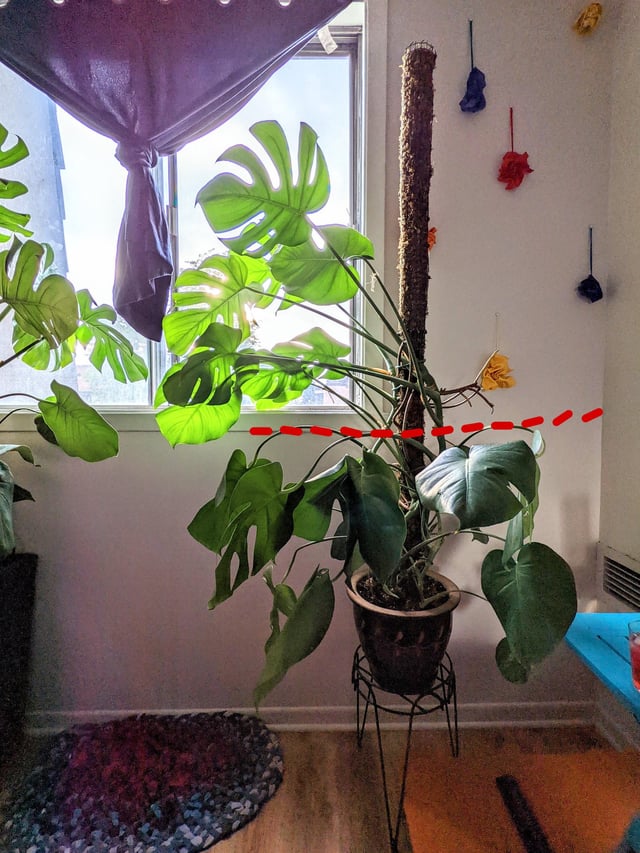
Pruning a Monstera helps it stay healthy and beautiful. To prune a Monstera, cut the stems and leaves strategically.
This encourages new growth and prevents overgrowth. Monstera plants, with their unique, perforated leaves, are popular among plant lovers. Proper pruning is essential to maintain their health and appearance. When pruned correctly, a Monstera can grow fuller and more vibrant.
Pruning might seem intimidating, but it’s quite simple once you understand the basics. By removing certain parts, you help the plant focus its energy on new growth. This guide will walk you through the steps to prune your Monstera effectively, ensuring it remains a stunning centerpiece in your home. Ready to give your Monstera the care it deserves? Let’s get started!
Introduction To Pruning Monstera
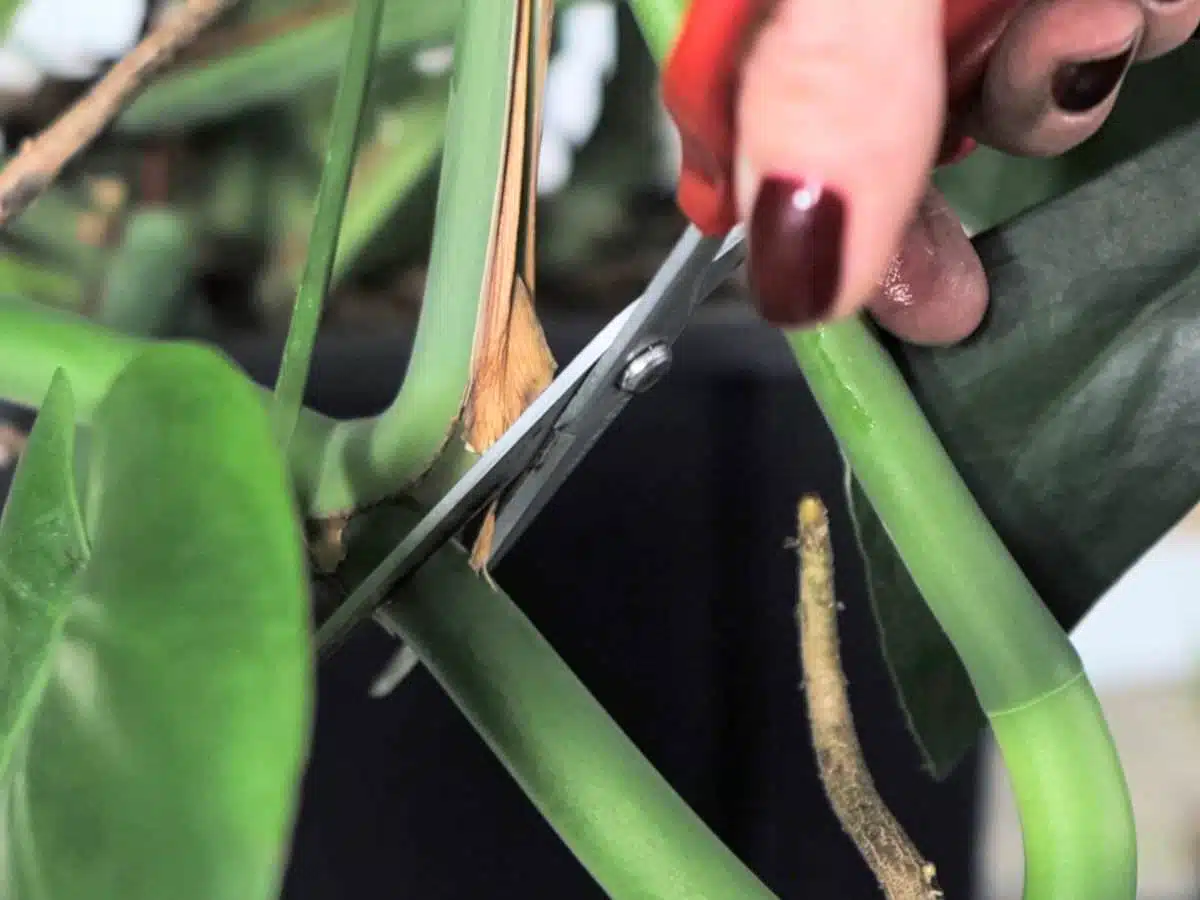
Pruning Monstera helps maintain its shape and promote healthy growth. Cut just above a node using clean, sharp scissors. Remove yellow or damaged leaves to keep the plant vibrant.
Pruning your Monstera plant can seem like a daunting task. But fear not! It’s a necessary step to keep your plant healthy and beautiful. Monstera plants, with their large, unique leaves, can grow quite large indoors. Pruning helps manage their size and shape. It also encourages new growth, making your plant fuller and more vibrant.Why Prune Monstera
Plants can get unruly as they grow. Monstera is no exception. Pruning helps control its size. It also prevents the plant from becoming too leggy. Leggy means the plant has long stems with few leaves. This is not ideal for an indoor setting. Pruning also removes dead or damaged leaves. This keeps the plant looking its best.Benefits Of Pruning
Pruning offers several benefits. First, it promotes new growth. By cutting back old stems, you encourage the plant to produce new ones. This results in a bushier appearance. Second, it improves air circulation around the plant. Better air flow helps prevent diseases. Third, pruning removes any pests that might be hiding. Lastly, it makes your plant more aesthetically pleasing. A well-pruned Monstera looks tidy and vibrant. “`Best Time To Prune
Pruning your Monstera at the right time helps keep it healthy and thriving. The best time to prune your Monstera is during its growing season. This period usually falls between late spring and early summer. During this time, the plant is most active, so it will recover quickly from the cuts.
Seasonal Considerations
Pruning during the growing season ensures your Monstera heals faster. Avoid pruning in winter or late autumn. During these times, the plant is dormant and won’t recover as quickly. Pruning then can stress the plant.
Signs Your Monstera Needs Pruning
Your Monstera gives several signs when it needs pruning. Look for these indicators:
- Overcrowded leaves: When leaves overlap and block light from reaching lower leaves.
- Yellowing leaves: Old or damaged leaves turning yellow need removal.
- Leggy growth: Stems that grow too long with few leaves.
- Dead or diseased parts: Remove dead or infected leaves to prevent disease spread.
Pruning not only improves the plant’s appearance but also its health. Always use clean, sharp tools to make clean cuts.
Essential Tools For Pruning
Pruning your Monstera is essential for its health and growth. The right tools make the task easier and more effective. In this section, we’ll discuss the essential tools for pruning your Monstera, ensuring you have everything you need for a successful pruning session.
Choosing The Right Tools
Choosing the right tools for pruning is crucial. Here are the tools you need:
- Pruning Shears: Sharp pruning shears are a must. They make clean cuts and minimize damage to the plant.
- Pruning Saw: Useful for cutting thicker stems. A small, sharp saw works best.
- Gloves: Protect your hands from dirt and potential irritants. Choose gloves that are comfortable and durable.
- Disinfectant: Essential for sanitizing your tools. Common options include rubbing alcohol or a bleach solution.
Sanitizing Your Tools
Sanitizing your tools before and after pruning is important. It prevents the spread of diseases and pests. Follow these simple steps:
- Clean: Remove any dirt or debris from your tools.
- Disinfect: Use a disinfectant like rubbing alcohol. Wipe down the blades thoroughly.
- Dry: Ensure your tools are completely dry before using them. Moisture can lead to rust or corrosion.
By using clean, sharp tools, you can ensure your Monstera stays healthy and vibrant. Happy pruning!
Preparing Your Monstera
Before you start pruning your Monstera, it is essential to prepare the plant. Proper preparation helps ensure the health and appearance of your Monstera. Follow these steps to get your plant ready for pruning.
Inspecting The Plant
First, inspect your Monstera. Look at its overall health and structure. Check for any signs of disease or pests. Healthy plants are easier to prune and recover faster.
- Check leaves for spots or holes.
- Look for pests like spider mites or aphids.
- Examine stems for rot or damage.
Make sure your Monstera is in a stable condition. Healthy plants handle pruning stress better.
Identifying Parts To Prune
Next, identify the parts of your Monstera that need pruning. Focus on removing damaged or unhealthy parts first. This will help your plant grow stronger.
- Look for yellow or brown leaves.
- Identify any broken or damaged stems.
- Pinpoint crowded areas that need thinning.
- Check for aerial roots that need trimming.
Prune any leaves or stems that are blocking light or airflow. This encourages new growth and keeps your Monstera looking its best.
| Part | Reason to Prune |
|---|---|
| Yellow/Brown Leaves | Unhealthy, may spread disease |
| Broken Stems | Prevent further damage |
| Crowded Areas | Improve airflow |
| Aerial Roots | Control growth |
Once you have identified the parts to prune, gather your tools. Sharp, clean scissors or pruning shears work best. This ensures clean cuts and reduces the risk of infection.
Pruning Techniques
Pruning your Monstera plant is essential for its health and growth. Proper pruning encourages new growth, maintains shape, and prevents overgrowth. Let’s dive into some effective pruning techniques to keep your Monstera thriving.
Making The First Cut
Start by identifying the stems you need to prune. Use sharp, clean pruning shears to avoid harming the plant. Locate a node or a leaf junction on the stem. Make your cut just above this node. This will promote new growth from this point.
If your Monstera has aerial roots, avoid cutting them. These roots help the plant absorb moisture and nutrients. They also aid in climbing and support.
Dealing With Overgrowth
Overgrown Monsteras can become unruly. Trim back stems that are too long or dense. This will improve air circulation and light penetration. Focus on removing older, larger leaves first.
Cut back stems that are growing in unwanted directions. This helps maintain the shape and size of your Monstera. Regular pruning prevents the plant from becoming too large for its space.
Discard pruned leaves and stems properly. They can attract pests or cause mold if left near the plant.

Caring For Pruned Monstera
Prune Monstera by cutting just above a node or leaf. Remove old or damaged leaves. Use clean, sharp scissors.
Pruning your Monstera can lead to a healthier and more beautiful plant. After pruning, it’s crucial to care for your Monstera properly. This will help it recover and thrive. Here are some tips to ensure your pruned Monstera stays healthy.Post-pruning Care
Place your pruned Monstera in a spot with indirect sunlight. Direct sunlight can damage the newly pruned plant. Water the Monstera when the top inch of soil feels dry. Overwatering can lead to root rot. Ensure the plant’s pot has good drainage. Check the leaves for any signs of stress. Yellowing leaves can indicate overwatering or too much sunlight. Remove any dead or damaged leaves to keep the plant healthy. Clean the leaves with a damp cloth to remove dust.Encouraging New Growth
To encourage new growth, consider using a balanced fertilizer. Use it once a month during the growing season. This will provide essential nutrients for your Monstera. Ensure the plant has enough humidity. Monstera plants thrive in humid environments. Mist the leaves or use a humidifier if the air is dry. Rotate the plant every few weeks. This ensures all sides receive equal light. Pruning can also encourage more growth. Trim leggy stems to promote a fuller appearance. Regularly inspect your Monstera for pests. Spider mites and mealybugs can harm the plant. If you find pests, treat them promptly with insecticidal soap. Healthy Monstera plants are less likely to suffer from pest infestations. By following these care tips, your pruned Monstera will flourish. Enjoy the beauty and health of your thriving plant. “`Common Mistakes To Avoid
Pruning a Monstera can be tricky. Many plant enthusiasts make mistakes that can harm the plant. Knowing these common errors can help you avoid them and keep your Monstera healthy.
Over-pruning
One common mistake is over-pruning. Removing too many leaves at once can stress the plant. This can slow its growth and make it vulnerable to diseases.
Follow these tips to avoid over-pruning:
- Trim no more than 20% of the plant at a time.
- Prune only dead or yellow leaves.
- Space out pruning sessions by a few months.
Improper Cutting Techniques
Another mistake is using improper cutting techniques. Cutting the plant incorrectly can damage it. This can lead to infections or poor growth.
Here are some tips for proper cutting:
- Use sharp, clean scissors or pruning shears.
- Make cuts at a 45-degree angle.
- Cut just above a leaf node for best results.
By avoiding these mistakes, you can help your Monstera thrive. Proper pruning keeps the plant healthy and beautiful.
Troubleshooting Pruning Issues
Pruning your Monstera can be challenging. Sometimes, issues arise even with the best care. Here are some solutions to common problems.
Dealing With Pests
Pruning can expose your Monstera to pests. These pests include spider mites, aphids, and mealybugs. Inspect your plant regularly for signs of infestation.
- Spider mites: Look for tiny webs on leaves. Use insecticidal soap to remove them.
- Aphids: These are small, green insects. Spray them off with water or use neem oil.
- Mealybugs: White, cotton-like masses on stems. Dab them with rubbing alcohol.
Handling Plant Stress
Pruning can stress your Monstera. Signs of stress include yellowing leaves and drooping stems. Follow these tips to reduce stress:
- Prune during the growing season. This is usually spring and summer.
- Avoid over-pruning. Remove no more than 25% of the plant at once.
- Water your plant well after pruning. This helps with recovery.
Monitor your Monstera after pruning. Adjust care as needed to help it thrive.
Expert Tips For Healthy Growth
Pruning Monstera helps in promoting healthy growth. Trim dead or damaged leaves with clean, sharp scissors. Cut close to the main stem for best results.
Pruning Monstera plants ensures they grow strong and healthy. Proper pruning promotes new growth and removes damaged leaves. Follow these expert tips to maintain a thriving Monstera.Fertilization After Pruning
After pruning, give your Monstera a nutrient boost. Use a balanced fertilizer to support new growth. Apply the fertilizer according to the package instructions. Avoid over-fertilizing, as it can harm the plant. Ensure the soil is moist before fertilizing to prevent root burn.Optimal Light And Water Conditions
Monstera plants thrive in bright, indirect light. Place your plant near a window with filtered sunlight. Avoid direct sunlight, which can scorch the leaves. Water your Monstera when the top inch of soil feels dry. Use room-temperature water for best results. Overwatering can lead to root rot, so let the soil dry out between waterings. “`
Frequently Asked Questions
When Is The Best Time To Prune Monstera?
The best time to prune Monstera is in spring or early summer. This is when the plant is actively growing and can recover quickly.
How Often Should I Prune Monstera?
Prune your Monstera once a year or as needed. Regular pruning helps manage its size and encourages healthy growth.
What Tools Do I Need To Prune Monstera?
Use clean, sharp pruning shears or scissors for pruning Monstera. This ensures clean cuts and reduces the risk of infection.
Can I Propagate Monstera From Cuttings?
Yes, you can propagate Monstera from cuttings. Place the cuttings in water or soil, and they will develop roots.
Conclusion
Pruning Monstera helps keep the plant healthy and beautiful. Regular trimming promotes growth and prevents overcrowding. Use clean, sharp tools to avoid damage. Always cut at a node for best results. Check for damaged or yellow leaves and remove them.
Pruning also shapes the plant to fit your space. Remember to wear gloves to protect your hands. With these tips, your Monstera will thrive and look stunning. Happy gardening!
Leave a Reply