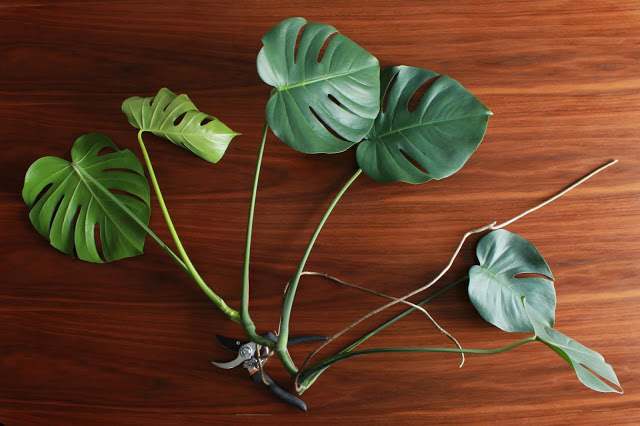
To propagate a Monstera plant, start by selecting a healthy stem. Cut below a node, ensuring the cutting has at least one leaf and an aerial root.
Monstera plants, known for their striking foliage, can be a delightful addition to any home. Propagating them is a rewarding process that allows you to grow new plants from an existing one. This method is not only cost-effective but also ensures that you maintain the genetic characteristics of your beloved Monstera.
Whether you are a seasoned plant enthusiast or a beginner, propagating Monstera can be a fun and straightforward task. In this guide, we will walk you through the steps to successfully propagate your Monstera plant and help it thrive in its new environment.
Introduction To Monstera Propagation
Monstera plants are popular for their unique and stunning leaves. Propagating Monstera can be a rewarding experience for plant lovers. It’s a great way to grow your collection or share plants with friends. This guide will help you understand the basics of Monstera propagation.
Why Propagate Monstera
Propagation is a simple method to create new plants from an existing Monstera. This process ensures that you have healthy and identical plants. It is a cost-effective way to expand your indoor garden. Here are some common reasons to propagate Monstera:
- Expand your plant collection without buying new plants
- Share cuttings with friends and family
- Replace old or unhealthy plants
- Maintain plant health by trimming and propagating
Benefits Of Propagation
Propagation offers several benefits for both you and your Monstera plants. These benefits include:
| Benefit | Explanation |
|---|---|
| Cost-Effective | Save money by growing new plants from cuttings. |
| Plant Health | Trimming and propagating can improve the health of the parent plant. |
| Environmentally Friendly | Reduce waste by reusing plant parts. |
| Personal Satisfaction | Enjoy the process and reward of growing new plants. |
Propagation is not only beneficial but also a fun and educational activity. Start your journey with Monstera propagation today and watch your garden flourish.

Essential Tools And Materials
Propagating a Monstera plant can be a fun and rewarding experience. Having the right tools and materials is essential for success. In this section, we will discuss the necessary tools and materials you need to propagate your Monstera plant effectively.
Required Tools
Having the right tools makes the propagation process smoother and more efficient. Here are the essential tools you will need:
- Sharp Pruning Shears: Clean cuts help the plant heal faster.
- Gloves: Protect your hands from dirt and cuts.
- Small Container: Ideal for holding water or soil mix.
- Labeling Tags: Helps keep track of different cuttings.
Necessary Materials
Alongside the tools, you will need some materials to ensure successful propagation. These materials include:
- Potting Soil: Use a well-draining mix for healthy roots.
- Water: Essential for keeping the cuttings hydrated.
- Rooting Hormone: Encourages faster root growth.
- Plastic Bags: Maintains humidity around the cuttings.
With these tools and materials, you’re ready to propagate your Monstera plant. Ensure everything is prepared before starting the process.
Choosing The Right Time
Propagating a Monstera plant can be a rewarding experience. But, it’s essential to choose the right time for propagation. Timing plays a crucial role in the success of your plant propagation efforts. Below, we will discuss the best season and optimal plant conditions for propagating a Monstera plant.
Best Season For Propagation
The best season for propagating Monstera plants is spring or early summer. During these months, the plant is in its growing phase. This is when the plant has the most energy. It increases the chances of successful propagation.
Spring offers the perfect conditions for new growth. The temperatures are mild, and there is ample sunlight. Avoid propagating in late fall or winter. The plant’s growth slows down in these seasons. It makes it harder for the cutting to establish roots.
Optimal Plant Condition
Ensure the mother plant is in good health before propagation. A healthy plant has a better chance of successful propagation. Look for a Monstera with strong, vibrant leaves and no signs of disease.
Check for pests. Remove any pests before taking a cutting. Choose a stem that has at least one or two nodes. Nodes are crucial as they will develop into roots. Make a clean cut with a sterilized knife or scissors. This reduces the risk of infection.
Watering the mother plant a day before taking the cutting is beneficial. It ensures the cutting has enough moisture to support initial growth. Place the cutting in water or directly into soil. Both methods can work, but water propagation allows you to monitor root development closely.
Preparing The Monstera Cuttings
Propagating a Monstera plant is an exciting process. It begins with preparing the cuttings. This involves selecting healthy parts of the plant and making precise cuts. Proper preparation ensures that the new plants will thrive. Let’s dive into the details.
Selecting Healthy Cuttings
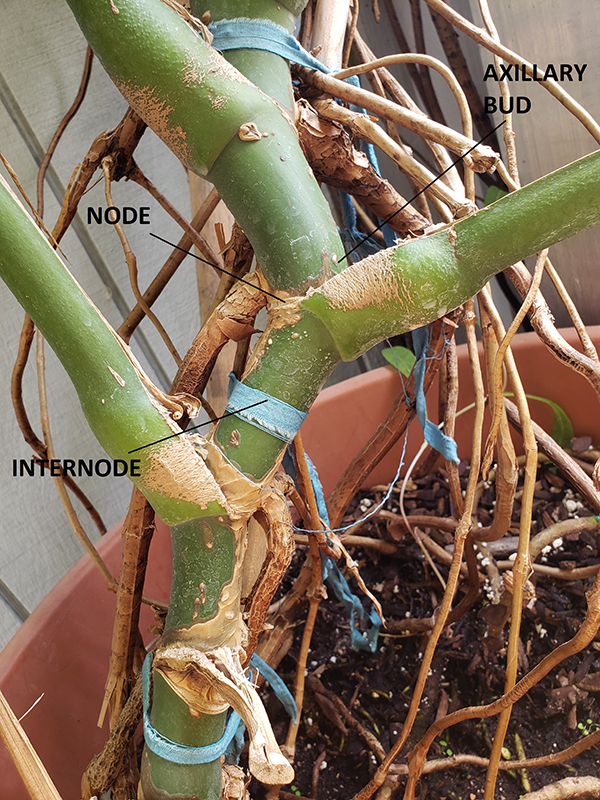
Start by choosing a healthy Monstera plant. Look for stems that are strong and green. Avoid any parts that look weak or diseased. Healthy cuttings will have at least one node. The node is the part where leaves and roots grow. It is usually a small bump on the stem.
To help you identify the right part, here is a simple checklist:
- Strong and green stem
- At least one node
- No signs of disease
Making The Cut
Use a clean, sharp knife or scissors to cut the stem. Make a clean cut just below the node. This ensures the cutting has the best chance to root. A sharp tool prevents damage to the plant.
Here are the steps:
- Clean your knife or scissors with rubbing alcohol.
- Locate the node on the stem.
- Make a clean cut just below the node.
After making the cut, you can place the cutting in water or soil. If you choose water, make sure the node is submerged. If you choose soil, plant the cutting deep enough to cover the node.
Remember, patience is key. The Monstera cuttings will need time to develop roots. Keep them in a warm, bright spot, but out of direct sunlight. With the right care, your Monstera cuttings will soon grow into beautiful new plants.
Propagation Methods
Propagate a Monstera plant by using stem cuttings. Place the cuttings in water until roots form. Then, transfer to soil.
Propagating a Monstera plant can be a rewarding experience. There are two main methods: water propagation and soil propagation. Each method has its own advantages and can help you expand your Monstera collection.Water Propagation
Water propagation is a simple and popular method. Start by cutting a healthy stem with at least one node. Remove any lower leaves to prevent rot. Place the cutting in a jar of clean water. Make sure the node is submerged. Change the water every few days to keep it fresh. Within a few weeks, roots should start to appear. Once the roots are a few inches long, you can transfer the cutting to soil.Soil Propagation
Soil propagation is another effective method. Cut a healthy stem with at least one node. Allow the cut end to dry for a few hours. This helps prevent rot. Plant the cutting in a pot filled with well-draining soil. Make sure the node is buried. Water the soil lightly to keep it moist but not soggy. Place the pot in a warm, bright spot. Roots should develop in a few weeks. Both methods are effective and can lead to a thriving Monstera plant. Choose the method that suits your preference and enjoy the process. “`Caring For New Cuttings
After successfully propagating your Monstera plant, proper care for new cuttings is essential. Ensuring the right conditions helps the cuttings grow into healthy plants. Focus on light, water, and humidity to support your new cuttings.
Providing Proper Light
New Monstera cuttings need bright, indirect light for optimal growth. Direct sunlight can scorch the leaves. A north or east-facing window is ideal. You can also use sheer curtains to filter the light. Monitor the cuttings regularly to ensure they receive consistent light.
Watering And Humidity
Watering new cuttings requires balance. Over-watering can cause root rot, while under-watering can dry out the plant. Water the cuttings when the top inch of soil feels dry. Use a pot with drainage holes to prevent waterlogging.
Monstera cuttings thrive in high humidity. Aim for a humidity level between 60-80%. Use a humidity tray or place a humidifier nearby. Misting the leaves occasionally can also help maintain humidity. Ensure good air circulation to prevent mold growth.
| Care Aspect | Recommendation |
|---|---|
| Light | Bright, indirect light |
| Water | Water when top inch of soil is dry |
| Humidity | 60-80% |
Transplanting Rooted Cuttings
Transplanting rooted cuttings helps propagate Monstera plants. Gently plant the cuttings in moist soil. Provide bright, indirect light for healthy growth.
Transplanting rooted cuttings is a crucial step in propagating Monstera plants. Once your cuttings have developed strong roots, it’s time to move them to a new pot. This process allows the plant to grow bigger and healthier.Choosing The Right Pot
Select a pot with drainage holes. Proper drainage prevents root rot. The pot should be slightly larger than the root ball. This gives the roots enough space to expand. Avoid using a pot that is too big. It can lead to waterlogged soil.Best Soil Mix
Choose a soil mix that is well-draining. A mix of peat, perlite, and pine bark works well. It provides the right balance of moisture and aeration. Monstera plants thrive in this type of soil. Avoid using heavy clay soils. They retain too much water and can harm the roots. “`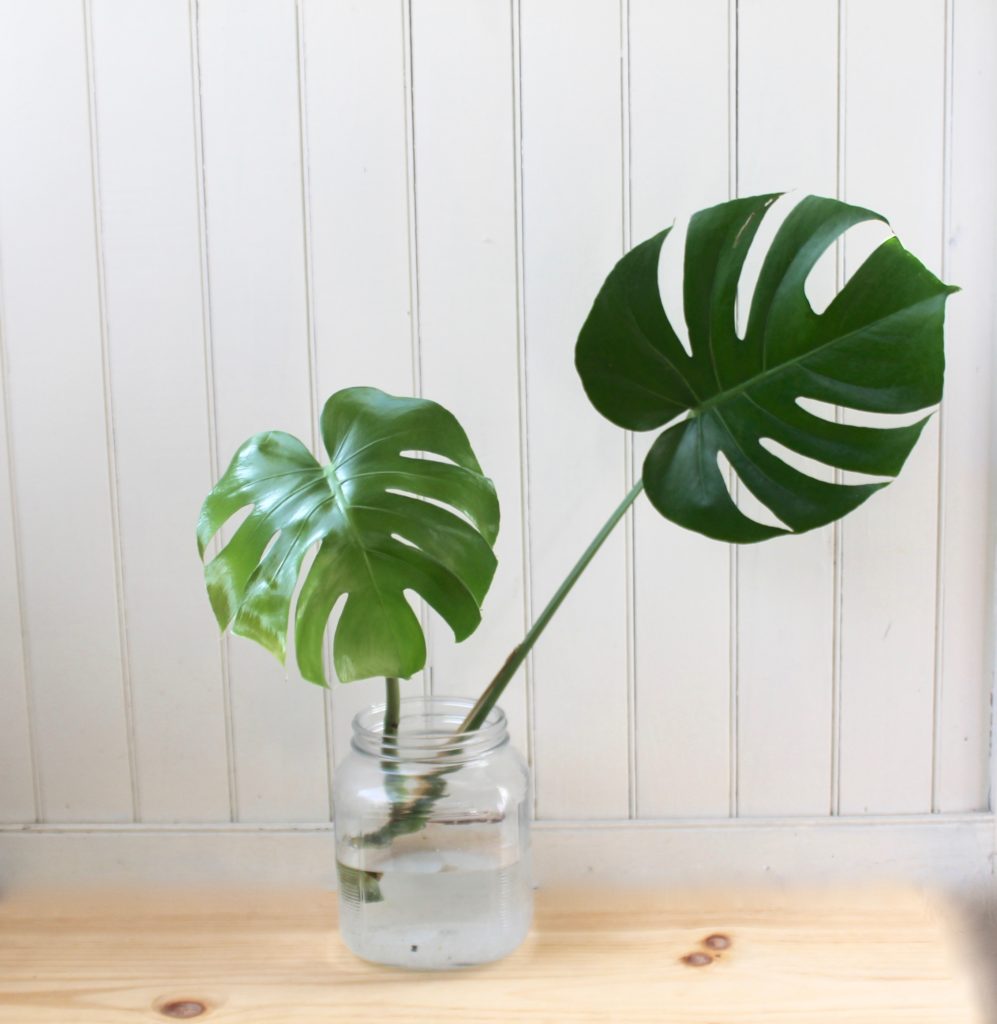
Common Issues And Solutions
Propagating a Monstera plant can be a rewarding experience. Yet, it can come with its own set of challenges. In this section, we will explore common issues and solutions for successful Monstera propagation. This guide will help you identify and address typical problems like root rot and slow growth.
Root Rot
Root rot is a common issue for Monstera plants. It happens when roots stay too wet for too long. Here’s how to identify and solve root rot:
- Symptoms: Yellowing leaves, mushy roots, and a foul smell.
- Solution:
- Remove the plant from its pot.
- Cut away any mushy, rotten roots.
- Let the healthy roots dry for a few hours.
- Repot the plant in fresh, well-draining soil.
Slow Growth
Slow growth can be frustrating when propagating Monstera plants. Various factors can cause this issue. Here’s how to address them:
- Insufficient Light: Place the plant in bright, indirect sunlight.
- Overwatering: Water only when the top inch of soil is dry.
- Poor Soil Quality: Use a high-quality, well-draining potting mix.
- Temperature: Keep the plant in a warm environment, ideally between 65-80°F (18-27°C).
By understanding these common issues and their solutions, you’ll increase your chances of successfully propagating a Monstera plant. Happy gardening!
Tips For Healthy Growth
Monstera plants are well-loved for their unique, large, and glossy leaves. Ensuring healthy growth for these plants involves proper care and attention. Let’s dive into some essential tips to keep your Monstera thriving.
Fertilization Tips
Monstera plants benefit from regular fertilization. Use a balanced, water-soluble fertilizer. Apply it every 4-6 weeks during the growing season. This provides essential nutrients for optimal growth. Avoid over-fertilizing, which can harm the plant. Dilute the fertilizer to half strength to prevent nutrient burn.
Pruning And Maintenance
Regular pruning keeps your Monstera healthy and encourages new growth. Trim dead or yellowing leaves with clean, sharp scissors. Remove any damaged or diseased parts promptly. Prune to shape the plant and control its size. This also improves air circulation around the leaves. Maintenance is key to a happy, healthy Monstera.
Frequently Asked Questions
What Are The Steps To Propagate Monstera?
To propagate Monstera, cut a stem with a node. Place it in water or soil. Ensure the node is submerged. Provide indirect sunlight and wait for roots to develop.
Can You Propagate Monstera In Water?
Yes, you can propagate Monstera in water. Simply place the cutting with a node in a jar of water. Change the water weekly.
How Long Does Monstera Propagation Take?
Monstera propagation typically takes 2-4 weeks. This duration depends on light, temperature, and water conditions. Be patient and consistent.
Which Part Of Monstera Is Best For Propagation?
The best part for Monstera propagation is a stem cutting with at least one node. Nodes are essential for root development.
Conclusion
Propagating a Monstera plant can be easy and rewarding. With the right steps, you can grow new plants from cuttings. Just remember to use clean tools and provide proper care. Place cuttings in water or soil, and watch for roots.
Patience and care will lead to healthy new Monsteras. Enjoy the process and happy planting!
Leave a Reply