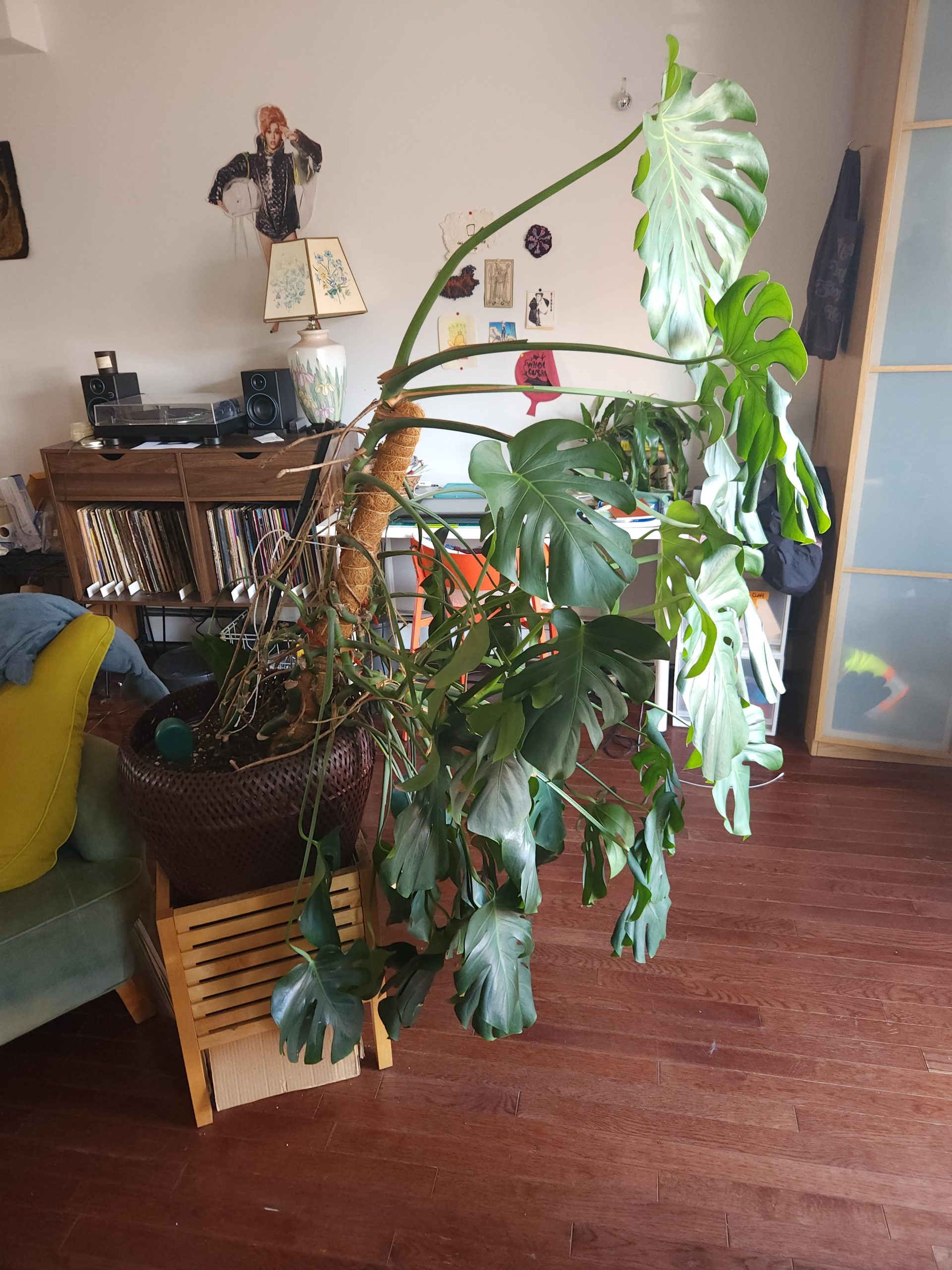
How do you keep Monstera upright? It’s a common concern for plant lovers.
The key lies in proper support and care. Monstera plants, with their broad, beautiful leaves, can grow quite large. They need help to stand tall and avoid falling over. Without proper support, their stems can droop, leading to a messy appearance and potential damage.
Understanding the right techniques to keep your Monstera upright ensures it remains a stunning centerpiece in your home. In this blog post, we’ll explore practical tips and tricks to help your Monstera grow strong and upright. Whether you’re a seasoned plant parent or a beginner, these easy-to-follow methods will keep your Monstera thriving and looking its best. Let’s dive in!
Introduction To Monstera Care
Monstera plants are beloved for their stunning, unique leaves. They bring a touch of the tropics to any home. To keep your Monstera healthy, you need to ensure it stays upright. This involves understanding its care needs and addressing common issues.
Importance Of Upright Growth
Upright growth is crucial for Monstera plants. It allows for even light distribution. This helps every part of the plant thrive. Upright plants also look more attractive. They make a striking addition to your indoor garden.
Support structures can help maintain upright growth. These include stakes, trellises, and moss poles. They guide the plant as it grows. Proper support prevents the plant from toppling over.
Common Issues With Monstera Plants
Several issues can affect Monstera plants. They may lead to a lack of upright growth. One common problem is weak stems. Weak stems can result from insufficient light or nutrients. Strengthen your plant with proper care.
Another issue is overwatering. This can cause root rot. Root rot makes the plant unstable. Check your watering routine. Ensure the soil drains well.
Finally, pests can weaken your Monstera. They sap the plant’s strength. Regularly inspect your plant. Treat any infestations promptly.
Choosing The Right Pot
Choosing the right pot for your Monstera is essential for its health and growth. The pot’s size, material, and drainage ability all play a role in keeping your plant upright and thriving. Let’s explore these factors to help you make the best choice.
Size And Material
The pot size matters. A pot too small can restrict root growth. A pot too large can lead to waterlogging. Choose a pot that is just 2-4 inches larger than the root ball. This gives enough space for growth without drowning the roots. The material also affects the plant’s health. Clay pots are breathable and help with soil aeration. Plastic pots retain moisture longer. Pick the material based on your watering habits and environment.
Drainage Considerations
Proper drainage is crucial for Monstera plants. Without good drainage, the roots can rot. Ensure your pot has drainage holes at the bottom. This helps excess water escape. You can also place pebbles at the bottom to improve drainage. Avoid pots without holes, as they can trap water and harm the roots. Good drainage keeps the soil balanced and prevents overwatering.
Proper Soil Mix
Monstera plants thrive with the right soil mix. Proper soil helps them stand upright and flourish. Focus on nutrient-rich soil and proper drainage. The right mix supports healthy roots and strong growth.
Nutrient-rich Soil
Monstera needs soil full of nutrients. Organic matter like compost enriches the soil. Use a balanced potting mix with peat moss. This mix provides essential nutrients for your Monstera. Avoid using garden soil as it lacks necessary nutrients.
Soil Drainage And Aeration
Good drainage is crucial for Monstera. Excess water can harm the roots. Use a mix with perlite or pumice for proper drainage. These materials help water pass through the soil easily. Aeration is also important. Loose soil allows roots to breathe. Compact soil suffocates the roots and hinders growth. Make sure your soil mix is light and airy.
Watering Techniques
Proper watering is essential to keep your Monstera plant healthy and upright. Understanding the right techniques can prevent common issues like root rot and yellowing leaves. Let’s dive into the best watering practices to maintain your Monstera.
Ideal Watering Schedule
Monstera plants thrive with a consistent watering schedule. Water your Monstera when the top inch of soil feels dry. Use your finger to check the soil’s moisture level. Ideally, this will be about once a week.
During winter, reduce the watering frequency. The plant’s growth slows down in colder months. Watering every two weeks should be sufficient. Always adjust based on your specific environment and the plant’s needs.
Avoiding Overwatering
Overwatering is a common mistake that can harm your Monstera. It leads to root rot, which can be fatal. Ensure the pot has drainage holes to allow excess water to escape.
Use a well-draining soil mix to prevent water from sitting in the pot. Mix perlite or sand into your soil to improve drainage. Let the soil dry out between waterings to avoid soggy conditions.
| Watering Frequency | Season |
|---|---|
| Once a week | Spring and Summer |
| Every two weeks | Fall and Winter |
- Check soil moisture: Top inch should be dry.
- Use drainage holes: Prevents water accumulation.
- Well-draining soil: Mix perlite or sand.
Following these watering techniques will help your Monstera stay upright and healthy. Always monitor your plant and adjust as needed.
Light Requirements
Monstera plants need proper light to grow upright and healthy. Correct lighting ensures the plant’s leaves stay vibrant and stems strong.
Optimal Light Conditions
Monstera thrives in bright, indirect light. Place the plant near a window with filtered sunlight. Avoid direct sunlight as it can scorch the leaves. A sheer curtain can help diffuse the light.
Rotating the plant weekly ensures even light exposure. This prevents the plant from leaning towards one side. Consistent light helps maintain an upright structure.
Effects Of Insufficient Light
Insufficient light weakens Monstera stems. The plant becomes leggy and struggles to stay upright. Leaves may turn yellow or develop brown spots.
In low light, the plant’s growth slows down. The stems become thin and floppy. This makes it hard for the plant to support its own weight.

Using Support Structures
Keeping your Monstera upright can be a challenge. Especially when it grows tall. Using support structures helps. They guide and support your plant. This way, your Monstera stays healthy and beautiful.
Types Of Support Stakes
There are different types of support stakes. Choose one based on your Monstera’s needs.
| Type | Description |
|---|---|
| Moss Poles | These are covered with moss. They help the plant’s aerial roots. |
| Bamboo Stakes | Strong and durable. Ideal for heavy plants. |
| Coir Poles | Made from coconut fibers. They retain moisture. |
How To Properly Install
Installing support stakes is simple. Follow these steps:
- Select a stake that suits your Monstera.
- Place the stake near the base of the plant.
- Gently tie the plant to the stake using soft ties.
- Adjust ties as the plant grows.
- Check stability regularly to ensure the stake remains firm.
Remember, proper support helps your Monstera thrive. It also prevents damage and promotes healthy growth.
Pruning And Trimming
Pruning and Trimming are essential to keep your Monstera upright. Regular maintenance helps the plant stay healthy and grow in the right direction. It also prevents the plant from getting too heavy and falling over. Let’s explore the best ways to prune and trim your Monstera.
When To Prune
Prune your Monstera in spring or early summer. This is when the plant grows actively. Avoid pruning in winter when growth slows down. Look for signs like yellow leaves, overgrown stems, or crowded branches. These are indicators that it’s time to prune.
Tools And Techniques
Use sharp and clean tools for pruning. A pair of garden shears or scissors will work well. Sterilize the tools with rubbing alcohol to prevent infection.
Follow these steps:
- Identify the stems or leaves to prune.
- Make a clean cut close to the main stem.
- Remove any dead or yellow leaves.
- Trim back overgrown stems to control the size.
Be careful not to remove more than 25% of the plant at one time. This helps the Monstera recover quickly and stay healthy.
Using the right tools and techniques ensures your Monstera remains upright and thrives.
Fertilizing For Growth
Keeping your Monstera upright and thriving involves more than just staking it. Fertilizing is a key factor in promoting healthy growth. Proper fertilization provides the nutrients your Monstera needs to grow strong and upright. In this section, we’ll explore how to choose the right fertilizer and how often to apply it.
Choosing The Right Fertilizer
Choosing the right fertilizer is essential for your Monstera’s health. Look for a balanced, water-soluble fertilizer with an equal ratio of nitrogen, phosphorus, and potassium. For example, a 20-20-20 or 10-10-10 formula works well. These numbers represent the percentage of each nutrient in the fertilizer.
Here are some key nutrients to look for:
- Nitrogen (N): Promotes leafy growth.
- Phosphorus (P): Encourages root development.
- Potassium (K): Enhances overall plant health.
Organic options like compost or worm castings are also beneficial. They improve soil health and provide a slow-release source of nutrients. Avoid over-fertilizing, as this can harm your plant and cause nutrient burn.
Application Frequency
Applying fertilizer at the right frequency ensures your Monstera gets a steady supply of nutrients. During the growing season, from spring to early fall, fertilize every 4-6 weeks. Reduce or stop fertilizing in winter, as the plant’s growth slows down.
| Season | Frequency |
|---|---|
| Spring to Early Fall | Every 4-6 weeks |
| Winter | Reduce or Stop |
Here are some tips for fertilizing:
- Mix the fertilizer with water as per the package instructions.
- Apply the solution to moist soil to prevent root burn.
- Ensure even distribution around the base of the plant.
Regular fertilization supports healthy, upright growth. This, combined with proper staking, keeps your Monstera looking its best.
Pest And Disease Control
Keeping your Monstera upright involves more than just physical support. Ensuring your plant is free from pests and diseases is crucial. Healthy plants stand tall and look vibrant. Let’s explore how to protect your Monstera from common threats.
Common Pests To Watch For
Several pests can harm your Monstera. Scale insects are small and attach themselves to stems and leaves. They suck sap and weaken the plant. Spider mites are another threat. They are tiny but can cause significant damage. These mites create fine webs and leave leaves speckled and yellow. Mealybugs are also common. They are white, cotton-like bugs that gather in leaf joints. They feed on plant juices and can stunt growth.
Preventative Measures
Regular inspection is key. Check your Monstera weekly for any signs of pests. Clean the leaves with a damp cloth. This removes dust and deters pests. Use insecticidal soap if you notice an infestation. It is safe for your plant and effective against many pests. Ensure your Monstera gets enough light and proper watering. Healthy plants are less likely to be attacked. Avoid overwatering as it can lead to root rot. Root rot weakens the plant, making it more susceptible to pests.

Final Tips For Healthy Monstera
Ensuring your Monstera is upright and healthy can be a rewarding experience. Regular care and attention will keep your plant thriving. Below are some final tips to help you maintain a healthy Monstera.
Monitoring Plant Health
Regularly inspect your Monstera for signs of stress or disease. Look for yellowing leaves, which can indicate overwatering or nutrient deficiencies. Check the soil moisture level with your fingers. Ensure it is neither too dry nor too wet.
Watch for pests like spider mites or aphids. They can damage your plant. If you spot any, treat them immediately with a mild soapy water solution or a suitable insecticide.
Adapting Care Routines
Your Monstera’s needs may change with the seasons. Adjust watering frequency based on the temperature and humidity levels. In winter, water less frequently. In summer, water more often.
Ensure your Monstera receives enough light. Place it near a window with indirect sunlight. Rotate the plant occasionally so that all sides receive light equally.
Support your Monstera with stakes or a moss pole. This will help it grow upright. Tie the stems gently to the support to guide its growth.
| Care Routine | Frequency | Tips |
|---|---|---|
| Watering | Weekly | Adjust based on soil moisture |
| Fertilizing | Monthly | Use a balanced liquid fertilizer |
| Pest Control | As needed | Inspect regularly and treat immediately |
- Prune dead or yellow leaves to promote new growth.
- Clean the leaves regularly to remove dust.
- Repot your Monstera every two years to provide fresh soil.
By monitoring plant health and adapting your care routines, your Monstera will stay upright and vibrant. Follow these tips to enjoy a beautiful and healthy plant in your home.

Frequently Asked Questions
How Do You Support A Monstera Plant?
Use stakes or a moss pole to support your Monstera. Tie the stems gently with soft plant ties. This helps the plant grow upright and stay healthy.
Why Is My Monstera Leaning?
Monstera plants lean towards light sources. Rotate the plant regularly to ensure even light exposure. This encourages upright growth.
How Do I Make Monstera Grow Straight?
Train your Monstera to grow straight by using a support structure. Prune any unruly stems and ensure even light exposure.
What Kind Of Stake Is Best For Monstera?
A moss pole or bamboo stake works best for Monstera. These provide natural support and help the plant climb easily.
Conclusion
Keeping your Monstera upright is simpler than you think. Use stakes or moss poles for support. Regular pruning helps manage its growth. Rotate the plant for even sunlight exposure. Water and fertilize it as needed. Consistent care keeps your Monstera healthy and upright.
Enjoy the beauty of your thriving plant!
Leave a Reply