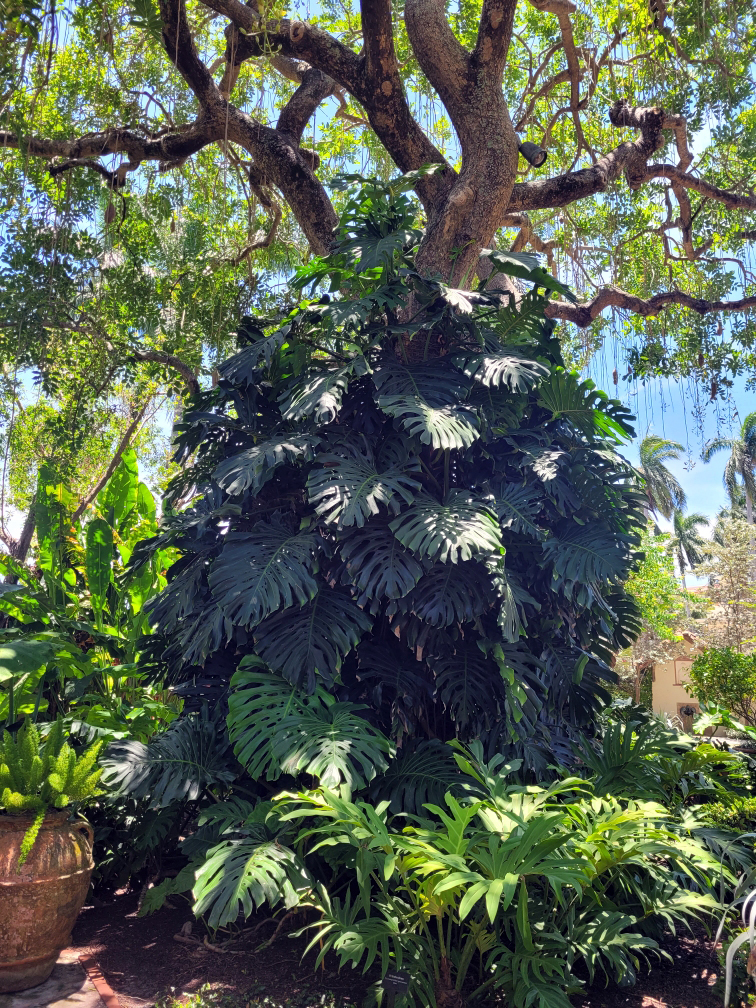
Monstera plants reproduce in the wild through seeds and vegetative methods. Seeds come from their fruit, while vegetative reproduction happens via stem cuttings.
In the lush rainforests where they thrive, Monstera plants have developed fascinating ways to ensure their survival. These tropical giants have unique strategies to spread and grow. Understanding how Monstera reproduce in the wild can help us appreciate their resilience and adaptability.
This knowledge also provides insight into how to care for them in our homes. From their intriguing fruit to the way they use their surroundings, Monstera plants showcase nature’s creativity. Let’s explore the remarkable reproduction methods of these beautiful plants and uncover the secrets behind their thriving existence in the wild.
Monstera Plant Basics
The Monstera plant is known for its unique and attractive leaves. Understanding its basics helps us learn how it reproduces in the wild.
Key Characteristics
Monstera plants are part of the Araceae family. They are also known as Swiss cheese plants due to their large, perforated leaves.
Here are some key characteristics:
- Scientific Name: Monstera deliciosa
- Common Name: Swiss cheese plant
- Leaf Structure: Large, with holes and splits
- Growth Habit: Climbing vine
- Size: Can grow up to 70 feet tall in the wild
Natural Habitat
Monstera plants thrive in tropical rainforests. They are native to Central and South America.
Here are some important aspects of their natural habitat:
| Aspect | Description |
|---|---|
| Climate | Warm and humid |
| Soil | Well-draining, rich in organic matter |
| Light | Filtered sunlight, partial shade |
In the wild, Monstera plants use their aerial roots to climb trees. This allows them to reach sunlight in dense forests.
Reproductive Anatomy
Understanding how Monstera plants reproduce in the wild starts with their reproductive anatomy. These tropical plants have unique structures that enable them to thrive in natural habitats. Let’s explore the fascinating details of their reproductive system.
Flowers And Fruits
Monstera plants produce distinctive flowers. These flowers are often hidden within their lush foliage. The flowers consist of a spadix, surrounded by a spathe. The spadix holds numerous tiny flowers tightly packed together.
Once pollinated, these flowers transform into fruits. The fruits are long and cylindrical. They resemble small, green corn cobs. Over time, the fruits ripen and become edible. They have a sweet, pineapple-like flavor.
Pollination Mechanism
Pollination in Monstera plants is mainly carried out by insects. Beetles play a significant role in this process. They are attracted to the flowers by their strong scent. As they move between flowers, they transfer pollen.
This cross-pollination ensures genetic diversity. The plant benefits from this diversity, enhancing its survival chances. Once pollinated, the flowers develop into fruits. These fruits contain seeds that will grow into new Monstera plants.
Understanding this process helps us appreciate the complexity and beauty of Monstera reproduction in the wild.
Pollinators’ Role
Monstera plants, known for their stunning leaves, reproduce in the wild with the help of pollinators. These pollinators play a crucial role in the plant’s life cycle. They transfer pollen from one plant to another, allowing fertilization and the production of seeds. Without them, Monstera plants would struggle to reproduce and thrive.
Insect Pollinators
Insects are vital for Monstera pollination. Bees, ants, and beetles visit the flowers seeking nectar. As they move, pollen sticks to their bodies. They carry it from flower to flower. This movement ensures cross-pollination, which leads to healthy seed production.
Birds And Other Animals
Birds also help Monstera plants. Certain bird species visit the flowers. They are attracted by the nectar. As birds drink, pollen attaches to their beaks and feathers. When they visit another flower, the pollen transfers, aiding in fertilization.
Small mammals and reptiles can also be involved. They brush against the flowers while searching for food. Pollen sticks to their fur or scales, which helps in pollination. These animals contribute significantly to the Monstera’s reproduction process.
Seed Formation
Monstera plants are fascinating not only for their unique leaves but also for their reproduction process. In the wild, seed formation plays a vital role in the propagation of Monstera. This section will explore how these amazing plants form seeds, from the fertilization process to seed development.
Fertilization Process
The fertilization process in Monstera begins with the flowers. These flowers are often hidden within the plant’s dense foliage. Each flower has both male and female parts, allowing for self-pollination.
Pollinators like bees and birds are crucial. They carry pollen from one flower to another, facilitating fertilization. This process is essential for the seeds to form.
Once fertilization occurs, the plant’s energy shifts. It starts focusing on developing seeds within the flower’s ovary.
Seed Development
After fertilization, the ovary begins to swell. This indicates the start of seed development. The seeds grow inside the ovary, protected by the plant’s outer layers.
Over time, the seeds mature and gain the ability to germinate. Mature seeds are then ready to be dispersed into the environment.
The Monstera relies on various methods to spread its seeds. These include animals, wind, and water. Each method helps ensure the seeds find suitable places to grow.
Once dispersed, the seeds face the challenge of germination. They need the right conditions to grow into new Monstera plants.
Understanding the seed formation process in Monstera offers insight into their survival and propagation in the wild. It highlights the intricate relationship between the plant and its environment.
Seed Dispersal Methods
Monstera plants, known for their iconic split leaves, reproduce through seed dispersal. In the wild, these methods ensure the spread and growth of new plants. The main methods include wind dispersal and animal dispersal. Each method plays a crucial role in the natural propagation of Monstera.
Wind Dispersal
Wind dispersal is one way Monstera seeds spread. The seeds are light and small, making them easy to carry by wind. Wind can blow seeds far from the parent plant. This helps in spreading the species over a wide area.
A gentle breeze can lift the seeds into the air. They float and travel to new locations. This method is effective in open areas where wind flow is strong. Wind dispersal ensures that Monstera seeds reach diverse habitats.
Animal Dispersal
Animals also play a significant role in dispersing Monstera seeds. Birds, mammals, and insects interact with the plant. They help in spreading the seeds to new locations.
Birds often eat the Monstera fruits. The seeds pass through their digestive systems unharmed. When the birds defecate, the seeds are deposited in new areas. This helps in germination and growth of new plants.
Mammals like rodents and monkeys are attracted to the fruits. They carry the seeds on their fur or in their mouths. The seeds drop off as the animals move around. This helps in spreading the seeds over a wide area.
Insects such as ants can also assist in seed dispersal. They may carry the seeds to their nests. This offers a safe place for the seeds to germinate. Animal dispersal ensures the seeds find suitable environments to grow.
Germination Conditions
Understanding the germination conditions for Monstera is essential for anyone interested in their natural propagation. These tropical plants thrive in very specific environmental conditions. Let’s explore what makes their seeds sprout in the wild.
Optimal Soil And Light
Monstera seeds need rich, well-draining soil to germinate successfully. The soil should be loose and airy to allow the roots to breathe. Organic matter such as compost or leaf mold can be mixed in to improve soil quality.
Light plays a critical role in the germination of Monstera seeds. They prefer bright, indirect light. Direct sunlight can scorch the delicate seedlings. In the wild, they often grow under the canopy of larger trees which provides filtered sunlight.
Water Requirements
Proper water levels are crucial for Monstera seed germination. The soil should be kept consistently moist but not waterlogged. Overwatering can lead to root rot, which can kill the seedling before it has a chance to grow.
Using a spray bottle can help maintain the right moisture level. This ensures the soil stays damp but not soaked. Regularly checking the soil’s moisture can prevent over or under-watering.
Growth Stages
Understanding the growth stages of the Monstera plant is fascinating. These stages span from the tiny seedling to the majestic mature plant. This journey is crucial for anyone interested in the natural propagation of these tropical beauties.
Seedling Stage
The seedling stage begins once the seed of the Monstera germinates. This stage is vital for the plant’s future health. During this time, the seedling requires plenty of moisture and warmth. Proper sunlight is also essential.
In the wild, Monsteras often find themselves in humid, shaded areas. Here, they are protected from direct sunlight and can thrive. The seedling stage lasts until the plant develops its first true leaves. These leaves are usually small and heart-shaped.
Let’s break down the key factors for a Monstera seedling’s growth:
- Moisture: Consistent watering keeps the soil damp.
- Warmth: Ideal temperatures range between 70-85°F (21-29°C).
- Light: Indirect sunlight is best.
Mature Plant Stage
The mature plant stage is when the Monstera truly shines. By now, the plant has developed its characteristic split leaves. These leaves help the plant manage water and sunlight efficiently.
During this stage, the Monstera continues to grow vertically. It uses aerial roots to anchor itself to trees and other structures. These roots absorb moisture and nutrients from the air, aiding in the plant’s survival.
Key characteristics of a mature Monstera include:
- Split Leaves: These leaves can grow up to three feet wide.
- Aerial Roots: These roots help the plant climb and stabilize.
- Fruiting: Some mature plants may even produce fruit.
Each stage of growth is a testament to the resilience and adaptability of the Monstera plant. Observing these stages offers a deeper appreciation of nature’s wonders.
Challenges In The Wild
Monstera plants face many challenges in the wild. These challenges affect their ability to reproduce. Let’s explore some of the main threats they face.
Predators And Diseases
Monstera plants have several natural predators. Insects and small animals often feed on their leaves. This damages the plant and hinders its growth.
Diseases are another major threat. Fungal infections can spread quickly. This can kill the plant before it has a chance to reproduce.
Environmental Threats
Environmental conditions can also be harsh. Droughts and floods both pose risks. Droughts dry out the soil, making it hard for Monstera to get water.
Floods can wash away seeds and young plants. Strong winds can break branches and cause further damage. This makes it hard for Monstera to thrive and reproduce.
Frequently Asked Questions
How Do Monstera Reproduce Naturally?
Monstera reproduce naturally through seed dispersal and vegetative propagation. Seeds are spread by birds and animals. They also produce new plants from stem cuttings.
What Conditions Are Needed For Monstera Reproduction?
Monstera need a humid environment and indirect sunlight for successful reproduction. Nutrient-rich soil and proper watering also promote healthy growth.
Can Monstera Reproduce Without Human Intervention?
Yes, Monstera can reproduce without human intervention. They naturally propagate through seeds and stem cuttings in the wild.
How Long Does Monstera Take To Reproduce?
Monstera seeds can take a few weeks to germinate. Stem cuttings usually root and grow within a few months.
Conclusion
Monstera plants reproduce naturally in the wild. They use seeds and vegetative methods. Seeds spread through animal droppings. This helps new plants grow far from the parent plant. Vegetative reproduction happens when stems touch the ground. Roots form and a new plant starts.
Understanding these methods aids in better care for your Monstera. Reproducing naturally ensures their survival in diverse environments. This knowledge helps in appreciating these fascinating plants.
Leave a Reply