Monstera plants reproduce through seeds and cuttings. Seeds need specific conditions to grow, while cuttings are easier for home gardeners.
Monstera, known for its stunning leaves, is a favorite among plant lovers. Understanding how these plants reproduce can help you grow more of them at home. Seeds from Monstera plants require warmth, moisture, and time to sprout. This method is fascinating but can be slow.
On the other hand, cuttings are a quick and simple way to propagate Monsteras. You just need to cut a piece of the plant, place it in water or soil, and wait for roots to develop. Both methods have their charm and challenges. Let’s explore each process in detail to help you decide which suits you best.
Monstera Reproduction Basics
Understanding how Monstera plants reproduce helps in caring for them. They have unique methods to propagate. This guide will explain the basics of Monstera reproduction.
Natural Habitat
Monsteras thrive in tropical rainforests. Their natural habitat influences their reproduction. They grow under large tree canopies. The climate is warm and humid. These conditions are perfect for their growth and reproduction.
In the wild, Monsteras climb trees to reach light. They use aerial roots to anchor themselves. These roots absorb moisture from the air. This helps them grow and reproduce.
Growth Patterns
Monstera plants have specific growth patterns. They start as small seedlings. As they grow, they develop large, split leaves. These leaves are a sign of a mature Monstera. Mature plants are more likely to reproduce.
Monsteras reproduce through seeds and cuttings. In the wild, they produce flowers. These flowers turn into fruit containing seeds. The seeds fall and grow into new plants.
Propagation by cuttings is common for houseplants. Here’s how to do it:
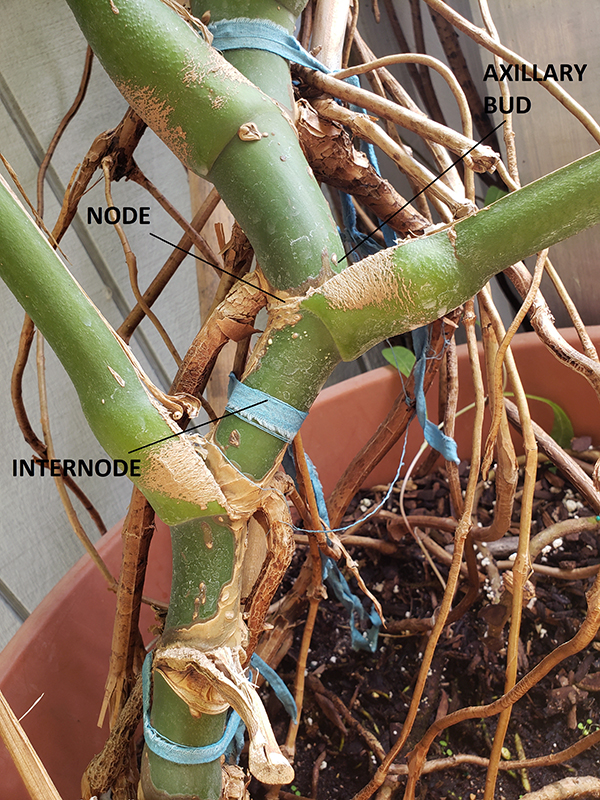
- Cut a stem below a node.
- Place the cutting in water or soil.
- Keep it in a warm, humid place.
- Wait for roots to develop, then plant it.
By understanding these basics, you can successfully propagate Monstera plants. Happy growing!
Types Of Propagation
Monstera plants are popular for their stunning, perforated leaves. They can be propagated in two main ways: sexual propagation and asexual propagation. Both methods have unique processes and benefits. Let’s explore these types of propagation in detail.
Sexual Propagation
Sexual propagation involves using seeds to grow new Monstera plants. This method is less common because it requires a mature plant to produce flowers and seeds. Here are the steps for sexual propagation:
- Wait for the Monstera to flower and produce fruit.
- Collect the seeds from the fruit.
- Dry the seeds for a few days.
- Plant the seeds in moist soil.
- Keep the soil consistently moist and warm.
- Wait for germination, which may take weeks to months.
Asexual Propagation
Asexual propagation, also known as vegetative propagation, does not involve seeds. Instead, it uses parts of the plant to create new plants. This method is faster and more reliable. There are several techniques for asexual propagation:
| Technique | Description |
|---|---|
| Stem Cuttings | Take a section of stem with at least one node and place it in water or soil. |
| Air Layering | Make a small cut in the stem, wrap it with moist sphagnum moss, and cover with plastic until roots form. |
| Division | Separate the plant into smaller sections, each with roots, and plant them individually. |
Let’s break down the stem cuttings method further:
- Choose a healthy stem with at least one node.
- Cut below the node using a clean, sharp tool.
- Place the cutting in water or directly in soil.
- Keep the environment humid and warm.
- Wait for roots to develop, usually in a few weeks.
The air layering technique involves these steps:
- Identify a healthy stem on the Monstera plant.
- Make a small cut in the stem.
- Wrap the cut area with moist sphagnum moss.
- Cover the moss with plastic to retain moisture.
- Wait for roots to grow, which can take several weeks.
- Cut below the new roots and plant the new Monstera.
Division is another simple method:
- Remove the Monstera from its pot.
- Gently separate the plant into smaller sections.
- Ensure each section has roots.
- Plant each section in its own pot.
- Water and care for the new plants as usual.
Sexual Propagation Process
The sexual propagation process in Monstera plants is fascinating. This method involves the combination of male and female genetic material. This leads to the formation of seeds. These seeds then grow into new plants.
Pollination
Pollination is the first step in the sexual propagation process. Monstera plants have both male and female flowers. Insects or wind help transfer pollen from male flowers to female flowers. This process ensures the mixing of genetic material. Successful pollination is crucial for seed formation.
Seed Formation
After pollination, the fertilized female flowers begin to develop seeds. These seeds contain genetic information from both parent plants. Seed formation takes some time. The seeds mature within the fruit of the Monstera plant. Once mature, the seeds are ready to be dispersed and grow into new plants.
Asexual Propagation Methods
Monstera plants are beloved for their beautiful, unique leaves. They can be propagated asexually, allowing you to grow new plants from the parent plant. Asexual propagation is a simple and efficient way to expand your Monstera collection. Here are two popular methods: Stem Cuttings and Air Layering.
Stem Cuttings
Stem cuttings are a common method for propagating Monstera plants. This technique is straightforward and effective.
- Choose a healthy stem with at least one node.
- Cut below the node using a clean, sharp knife.
- Remove any leaves near the cut end.
- Place the cutting in water or moist soil.
- Wait for roots to develop, which can take a few weeks.
- Once roots are established, transfer the cutting to a pot.
Air Layering
Air layering is another asexual propagation method that encourages roots to grow while the stem is still attached to the parent plant. This method is slightly more complex but highly effective.
- Select a healthy stem and make a small cut.
- Wrap damp sphagnum moss around the cut area.
- Cover the moss with plastic wrap to retain moisture.
- Secure the wrap with twist ties or tape.
- Keep the moss moist until roots form, usually in a few months.
- Once roots are visible, cut the stem below the new root growth.
- Plant the newly rooted stem in a pot with soil.
Preparing For Propagation
Propagating Monstera plants is an exciting process. Before starting, proper preparation ensures success. This involves gathering the right tools and selecting healthy plants. Follow these steps to prepare for propagation.
Gathering Tools
First, gather all necessary tools. You will need a sharp knife or pruning shears. Clean them with rubbing alcohol to avoid infections. Prepare a clean container with fresh water or well-draining soil. Have rooting hormone powder ready for faster root development. Finally, keep labels and a pen handy to mark your cuttings.
Selecting Healthy Plants
Choose a healthy Monstera plant for propagation. Look for vibrant, green leaves. Avoid plants with yellowing or damaged leaves. Ensure the plant has at least one node, as this is where new roots will grow. A strong, healthy plant increases the chances of successful propagation.

Propagating With Stem Cuttings
Monstera plants, known for their iconic split leaves, are a favorite among plant lovers. One effective way to reproduce Monstera is through stem cuttings. This method is simple and has a high success rate. Let’s dive into the steps involved in propagating Monstera using stem cuttings.
Cutting Technique
Start by selecting a healthy stem with a few nodes. Nodes are the points on the stem where leaves and roots grow. Use a clean, sharp knife or scissors to make a cut just below a node. Ensure each cutting is 4-6 inches long and has at least one node and one leaf.
Rooting In Water
Place the cuttings in a jar of water, ensuring the node is submerged. Avoid submerging the leaves. Change the water every few days to keep it fresh. Within a few weeks, you should see roots forming. Once the roots are 2-3 inches long, the cutting is ready for planting.
Planting In Soil
Prepare a pot with well-draining soil. Create a small hole and gently place the rooted cutting into the soil. Firm the soil around the base of the cutting. Water the soil lightly to settle it around the roots. Place the pot in a spot with indirect sunlight. Keep the soil moist but not waterlogged.
Air Layering Technique
The Air Layering Technique is a popular method to propagate Monstera plants. This technique encourages new root growth while the stem is still attached to the parent plant. It’s a reliable way to clone your favorite Monstera and ensure a healthy new plant.
Choosing The Stem
First, select a healthy stem. Look for a stem that is at least 12 inches long. It should have several nodes and healthy leaves. Avoid stems with any signs of disease or damage.
Creating The Air Layer
Next, you need to create the air layer. Follow these steps:
- Make a small cut about one-third through the stem, just below a node.
- Insert a small piece of toothpick or a matchstick to keep the cut open.
- Wrap the cut area with damp sphagnum moss.
- Cover the moss with plastic wrap and secure it with tape or string.
Make sure the moss stays moist but not soggy. Check it regularly.
Transplanting
After a few weeks, roots will develop in the moss. Once you see plenty of roots, it’s time to transplant. Carefully cut the stem below the new root ball. Plant it in a pot with fresh soil. Water it well and place it in a spot with bright, indirect light. Your new Monstera plant will thrive.
Caring For Propagated Plants
Caring for newly propagated Monstera plants can be rewarding and fun. Proper care ensures healthy growth and vibrant leaves. Attention to water, light, and potential issues is essential.
Watering Schedule
Water your propagated Monstera regularly. Overwatering can harm the roots. Ensure the soil is moist but not soggy. Check the top inch of soil. If dry, it’s time to water. Use room-temperature water for best results.
Light Requirements
Monstera plants thrive in bright, indirect light. Avoid direct sunlight. It can scorch the leaves. A spot near a window with filtered light is ideal. Too little light can slow growth.
Common Issues
Watch for yellowing leaves. This often means overwatering. Brown edges usually indicate underwatering or low humidity. Pests like spider mites can be a problem. Regularly check the leaves and stems. Use insecticidal soap if needed.

Frequently Asked Questions
How Do Monstera Plants Reproduce?
Monstera plants reproduce through both seeds and vegetative propagation. Seeds form after flowering, but vegetative propagation is more common. Cuttings from a healthy plant root easily in water or soil.
Can Monstera Grow From Cuttings?
Yes, Monstera can grow from cuttings. Simply take a stem cutting with a node and place it in water or soil. Roots will develop within a few weeks.
What Is The Best Way To Propagate Monstera?
The best way to propagate Monstera is by stem cuttings. Cut a healthy stem with a node and root it in water or soil. Ensure proper light and humidity.
How Long Do Monstera Cuttings Take To Root?
Monstera cuttings typically take 2-4 weeks to root. Ensure they are kept in a warm, humid environment with indirect light for optimal growth.
Conclusion
Monstera reproduce through seeds or cuttings. Both methods are simple and effective. Seeds require patience, as they take time to grow. Cuttings offer quicker results and are easier for beginners. Keep the cuttings in water until roots appear. Then, plant them in soil.
Proper care ensures healthy growth. Understanding these methods helps you propagate Monstera successfully. Happy gardening!
Leave a Reply