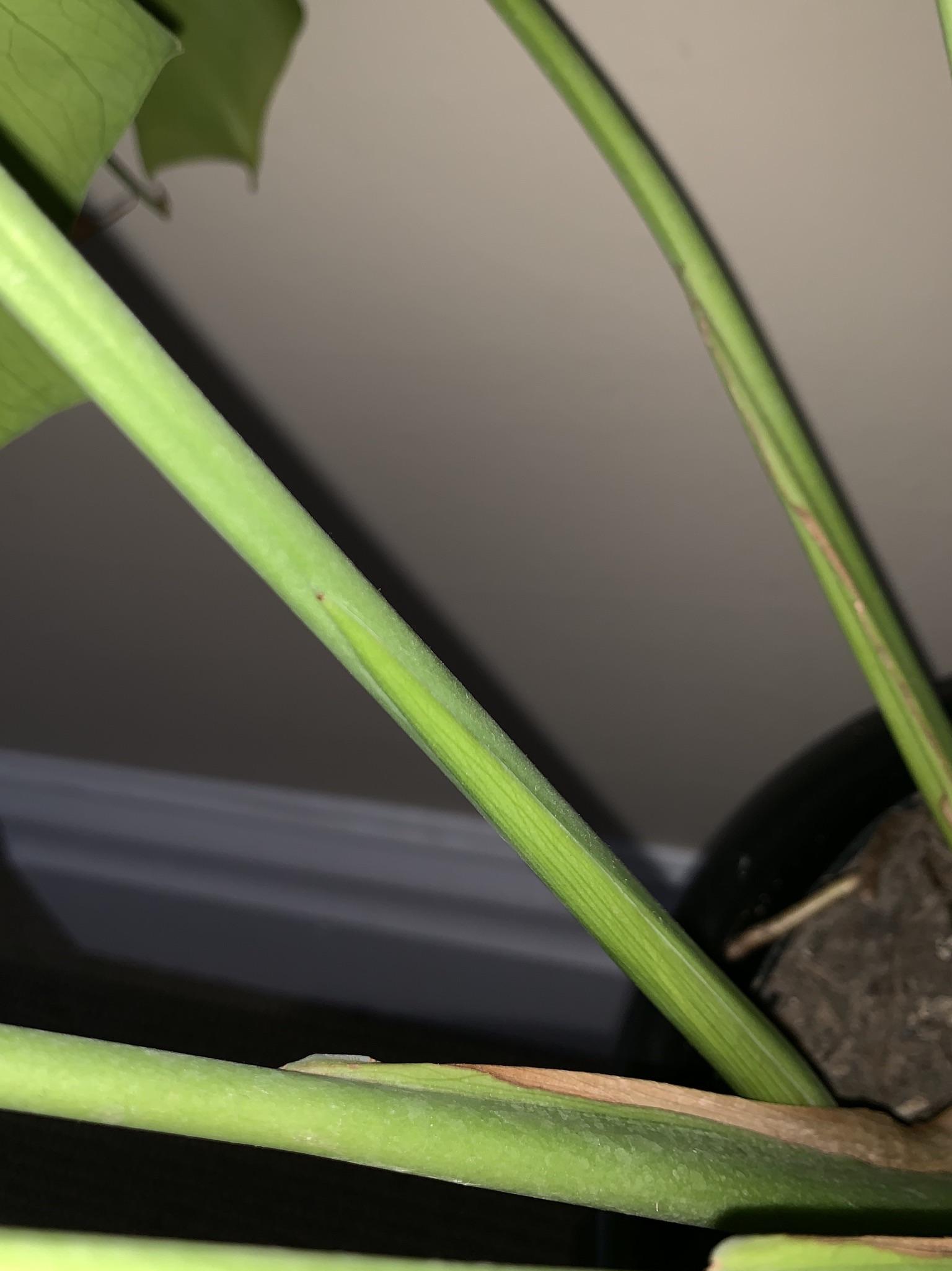
Monstera leaves are known for their unique, split appearance. They add a tropical touch to any space.
But how do these leaves grow? Monstera leaves grow through a fascinating process. Starting as small, heart-shaped leaves, they slowly develop splits and holes as they mature. This transformation is influenced by factors like light, water, and humidity. Understanding this growth can help you care for your Monstera plant better.
In this blog, we will explore the stages of Monstera leaf growth, the conditions that promote healthy leaves, and tips to ensure your plant thrives. Whether you’re a seasoned plant parent or a beginner, this guide will provide valuable insights into the captivating growth of Monstera leaves.

Introduction To Monstera Plants
Monstera plants, often known as Swiss Cheese plants, are a favorite among houseplant enthusiasts. Their large, glossy leaves and unique patterns make them a standout in any indoor garden. Let’s dive into the world of Monstera plants and discover what makes them so special.
Overview Of Monstera Species
There are several species of Monstera plants. The most popular include Monstera deliciosa and Monstera adansonii. Each species has its own unique characteristics.
- Monstera deliciosa: Known for its large, split leaves. These can grow up to 3 feet wide.
- Monstera adansonii: Smaller leaves with more holes. Often called the “Swiss Cheese Vine.”
Both types are climbing plants. They thrive with support, like a moss pole.
Popularity And Uses
Monstera plants are popular for many reasons. Their striking appearance adds a tropical feel to any space. They are easy to care for, making them perfect for beginners.
Here are some common uses:
- Indoor Decor: Their lush leaves create a vibrant indoor jungle.
- Air Purification: They help clean the air by removing toxins.
- Gifts: They make great gifts for plant lovers.
Monstera plants are versatile. Whether in a pot or climbing a trellis, they enhance any room.
Basic Plant Requirements
Understanding the basic needs of a Monstera plant is crucial for its growth. These tropical beauties thrive with the right light, water, and care.
Light Conditions
Monstera plants prefer bright, indirect light. Direct sunlight can scorch their leaves. Place them near a north or east-facing window. If the light is too low, their growth will slow. They can tolerate low light, but will not grow as vigorously.
Watering Needs
Monstera plants need consistent moisture. Water them when the top inch of soil is dry. Overwatering can lead to root rot. Ensure the pot has drainage holes. During winter, reduce watering as the plant’s growth slows.
Check the soil moisture regularly. Use a moisture meter if needed. Proper watering helps the Monstera thrive and grow beautiful leaves.
Soil And Potting Mix
Understanding the importance of soil and potting mix is vital for your Monstera plants. The right soil helps your plant grow strong and healthy. Let’s explore the best soil types and potting tips for Monstera leaves.
Ideal Soil Types
Monsteras need well-draining soil. This prevents root rot. Here are some ideal soil types:
- Peat-based soil: Retains moisture but drains well.
- Perlite mix: Improves aeration and drainage.
- Coco coir: Sustainable and retains water.
A good mix includes peat, perlite, and coco coir. This combination ensures the right balance of moisture and drainage. Your Monstera will thrive in this blend.
Potting And Repotting Tips
Monsteras grow fast. Repotting helps them stay healthy. Follow these tips for potting and repotting:
- Select a pot: Choose a pot with drainage holes.
- Add soil mix: Fill the pot with the soil blend.
- Place the plant: Center the Monstera in the pot.
- Fill and firm: Add more soil around the roots and firm it down.
- Water thoroughly: Water the plant until it drains out.
Repot your Monstera every 1-2 years. This prevents root-bound issues and promotes healthy growth. When repotting, choose a pot 2 inches larger in diameter.
Leaf Development Stages
Monstera plants, known for their large, split leaves, have unique growth stages. Understanding these stages helps in caring for the plant better. Let’s explore the leaf development stages in detail.
Emergence Of New Leaves
New leaves emerge from the plant’s stem as small, tightly rolled structures. This stage is crucial. The plant directs its energy to develop these new leaves. The leaves slowly unfurl, revealing their shape and structure. During this time, providing proper light and water is essential for healthy growth.
Maturation Process
As the leaves mature, they begin to grow larger and develop splits. This process can take several weeks. The splits allow light to reach lower leaves, aiding overall growth. Mature leaves are typically darker green and have a glossy texture. It’s important to monitor the plant for any signs of distress during this period. Healthy leaves indicate a well-cared-for Monstera plant.
Fenestration In Monstera Leaves
Monstera plants are famous for their unique leaves. These leaves are large, glossy, and have natural splits known as fenestrations. Fenestration adds beauty to these tropical plants and helps them thrive in their native environment. Let’s dive into the fascinating world of Monstera leaf fenestration.
What Is Fenestration?
Fenestration refers to the natural holes and splits that develop in Monstera leaves. These openings help the plant adapt to its surroundings. They allow light and air to pass through the leaves. This is important for plants that grow in dense jungles.
Factors Influencing Leaf Splits
Several factors influence the development of fenestrations in Monstera leaves. Let’s explore them:
- Age of the Plant: Younger Monstera plants may have fewer or no splits. As the plant matures, more fenestrations appear.
- Light Exposure: Adequate light is crucial. Plants that receive enough light are more likely to develop splits.
- Watering: Consistent watering helps. Overwatering or underwatering can stress the plant and affect leaf development.
- Humidity: High humidity levels encourage fenestration. Monstera plants thrive in moist environments.
- Genetics: Some Monstera varieties naturally have more fenestrations. The plant’s genetic makeup plays a significant role.
Understanding these factors can help you care for your Monstera plant better. Keep these points in mind to enjoy the beauty of fenestrated leaves.
Nutrient Requirements
Monstera leaves grow best with the right nutrients. These nutrients ensure healthy growth and vibrant leaves. Understanding what your Monstera needs can make all the difference.
Essential Nutrients
Monstera plants need several key nutrients. Nitrogen supports leafy growth. Phosphorus helps with root development. Potassium strengthens the plant and improves resistance to disease.
Calcium is also important. It helps cell structure and leaf formation. Magnesium aids in photosynthesis and ensures deep green leaves. Sulfur plays a role in overall growth.
Trace elements like iron, manganese, and zinc are crucial too. They help with various plant functions. Make sure your Monstera gets these essential nutrients.
Fertilization Schedule
A regular fertilization schedule is important. During the growing season, feed your Monstera every two weeks. Use a balanced, water-soluble fertilizer. Dilute it to half strength.
In the dormant season, reduce feeding. Fertilize once a month or not at all. Over-fertilizing can harm the plant. Always follow the fertilizer instructions.
Observe your Monstera. Yellowing leaves can indicate nutrient deficiency. Adjust the fertilization schedule if needed. Healthy leaves mean a happy Monstera.
Common Growth Issues
Monstera plants are cherished for their lush, unique leaves. But they can face some growth issues. Identifying these issues early can help your Monstera thrive. Let’s explore common growth problems and their solutions.
Pest Problems
Pests can harm Monstera leaves. Common pests include spider mites, scale, and aphids. These tiny invaders suck sap from the plant. This weakens the leaves and causes damage. Look for small, discolored spots or a sticky residue. Regular inspection helps catch pests early. Treat infestations with insecticidal soap or neem oil. Keep your plant clean to deter pests.
Disease Prevention
Diseases can stunt Monstera growth. Fungal infections like root rot are common. Overwatering usually causes root rot. Ensure proper drainage to prevent it. Yellowing leaves are a sign of root issues. Cut back on watering and check the roots. Bacterial infections can also occur. They cause black or brown spots on leaves. Remove affected leaves and use a copper-based fungicide. Good air circulation helps prevent diseases.

Pruning And Maintenance
Pruning and maintaining your Monstera plant is essential for its growth. Proper care ensures your plant stays healthy and looks beautiful. Knowing when and how to prune can make a big difference.
When To Prune
Prune your Monstera during the growing season. This is typically in spring and summer. Avoid pruning in winter when growth slows down.
- Spring and summer are ideal times.
- Avoid winter pruning.
- Look for signs of overgrowth or damaged leaves.
Proper Pruning Techniques
Use clean, sharp scissors or pruning shears. Cut just below a node, where a leaf joins the stem. This encourages new growth.
- Identify the node.
- Make a clean cut just below the node.
- Remove any yellow or damaged leaves.
Always prune at an angle. This helps water run off and prevents disease. Remove any dead or damaged leaves immediately. This keeps your plant healthy.
| Step | Description |
|---|---|
| 1 | Identify the node |
| 2 | Make a clean, angled cut |
| 3 | Remove damaged leaves |
Regular pruning controls the shape and size of your Monstera. It also improves air circulation, which prevents mold. Monitor your plant and prune as needed.
Propagation Techniques
Monstera plants are popular for their unique leaves. To grow more, try these propagation techniques. They are simple and effective.
Stem Cuttings
Stem cuttings are a common way to propagate Monstera. Follow these steps:
- Choose a healthy stem with at least one node.
- Cut below the node using clean, sharp scissors.
- Place the cutting in water or soil.
- Keep it in a warm, bright spot.
In a few weeks, roots will develop. Then, transfer the cutting to a pot.
Air Layering
Air layering is another method to propagate Monstera. It helps create new plants without cutting off a stem. Follow these steps:
- Choose a healthy stem with a node.
- Make a small cut below the node.
- Wrap the cut area with moist sphagnum moss.
- Cover the moss with plastic wrap to keep it moist.
- Wait a few weeks for roots to form.
Once roots appear, cut below the new roots and plant the new Monstera in soil.
| Method | Tools Needed | Time to Root |
|---|---|---|
| Stem Cuttings | Scissors, water or soil | 2-4 weeks |
| Air Layering | Sphagnum moss, plastic wrap | 3-6 weeks |
Both methods are effective. Choose one that suits your preference. Happy planting!
Conclusion And Tips
Understanding how Monstera leaves grow can help you take better care of your plant. They are unique and fascinating plants that can thrive with the right care. Here are some key points to remember and additional tips to ensure your Monstera remains healthy and vibrant.
Summary Of Key Points
- Monstera leaves grow larger and develop splits as they mature.
- They need indirect, bright light to thrive.
- Regular watering is essential, but avoid waterlogging.
- High humidity levels benefit Monstera leaves.
- Use well-draining soil and a balanced fertilizer.
Additional Care Tips
To ensure your Monstera thrives, follow these additional tips:
- Pruning: Remove dead or yellow leaves to encourage new growth. Use clean, sharp scissors.
- Support: Provide a moss pole or stake for climbing. It mimics their natural habitat.
- Cleaning Leaves: Wipe leaves with a damp cloth to remove dust. It helps the plant breathe.
- Repotting: Repot every 2-3 years to provide fresh soil. This promotes healthy root growth.
- Pests: Watch for pests like spider mites. Use neem oil if needed.
Following these tips can help your Monstera plant grow lush and beautiful. They are rewarding plants that add a tropical touch to any space.

Frequently Asked Questions
How Do Monstera Leaves Develop?
Monstera leaves develop from small buds. These buds gradually unfurl into large, fenestrated leaves. Proper light, water, and nutrients are essential for healthy leaf growth.
Why Do Monstera Leaves Split?
Monstera leaves split to allow more light to reach lower leaves. This adaptation helps the plant thrive in its natural habitat.
How Fast Do Monstera Leaves Grow?
Monstera leaves can grow rapidly in ideal conditions. Typically, a new leaf emerges every few weeks, depending on light and care.
What Do Monstera Leaves Need To Grow?
Monstera leaves need bright, indirect light, regular watering, and well-draining soil. Humidity and occasional fertilization also support healthy growth.
Conclusion
Monstera leaves grow in fascinating ways. They start small, then split and develop holes. Proper care is crucial. Light, water, and humidity play a big role. Healthy monstera plants reward you with striking foliage. Watching them unfold is a joy.
Enjoy growing your monstera. Happy gardening!
Leave a Reply