
Monstera plants are native to tropical forests. They grow in the wild under dense canopies.
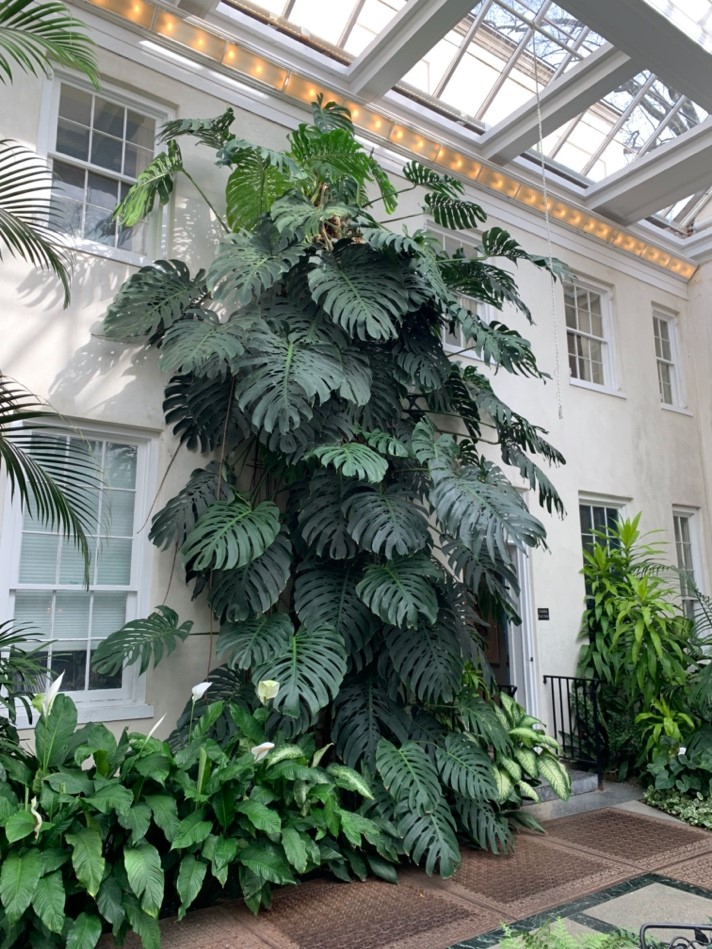
In nature, Monstera plants thrive in the warm, humid environments of Central and South America. They are known as epiphytes, meaning they grow on other plants rather than in the soil. This climbing habit allows them to reach sunlight in the thick forest.
Their large, perforated leaves help them capture light while allowing rain to pass through. Monstera plants use aerial roots to cling to trees and absorb moisture from the air. Understanding their natural habitat can help in caring for these popular houseplants. By mimicking their wild conditions, you can ensure your Monstera thrives. Let’s dive deeper into the natural growth patterns of Monstera plants.
Introduction To Monstera
Monstera plants are a fascinating species that thrive in the wild. Known for their large, perforated leaves, they are a popular choice for plant enthusiasts. Understanding how these plants grow in their natural habitat can provide insights into their care and cultivation.
Origin And Distribution
Monstera plants originate from the tropical regions of Central and South America. They are commonly found in rainforests where the environment is warm and humid. These plants grow abundantly in countries like Mexico, Panama, and Costa Rica.
In the wild, Monstera plants climb trees and spread across the forest floor. Their natural habitat allows them to receive filtered sunlight through the dense canopy. This environment supports their growth and development.
Unique Characteristics
Monstera plants have several unique characteristics that help them thrive in the wild. One of the most notable features is their aerial roots. These roots allow the plant to anchor itself to trees and absorb moisture from the air.
Their leaves are another distinctive feature. The large, perforated leaves help the plant withstand heavy rain and strong winds. These holes allow water to pass through, reducing the risk of damage.
Monstera plants also have a unique way of spreading. They produce berries that contain seeds, which animals and birds disperse. This method helps the plant colonize new areas and ensures its survival.

Natural Habitat
Monstera plants thrive in their native environments. Their natural habitat is fascinating and rich in biodiversity. Understanding these conditions helps us care for them better at home.
Tropical Rainforests
Monstera plants originate from the dense tropical rainforests of Central and South America. These forests provide a humid and shaded environment. The trees create a canopy that filters sunlight.
In these forests, Monsteras grow on the forest floor. They climb trees to reach light. Their aerial roots help them anchor to tree trunks. This climbing habit allows them to get more sunlight, which is crucial for their growth.
Climate And Soil Conditions
Monstera plants need a warm and humid climate. Temperatures between 70°F to 85°F (21°C to 29°C) are ideal. They do not tolerate cold. High humidity levels, around 60% to 80%, are beneficial.
The soil in their natural habitat is rich in organic matter. It is loose and well-draining. This soil type prevents waterlogging, which can cause root rot. Here’s a quick overview:
| Condition | Details |
|---|---|
| Temperature | 70°F to 85°F (21°C to 29°C) |
| Humidity | 60% to 80% |
| Soil | Rich, loose, well-draining |
To summarize, Monsteras thrive in warm, humid, and shaded environments. They need rich, well-draining soil to avoid waterlogging. Understanding these conditions helps us mimic their natural habitat.
Growth Patterns
Monstera plants, also known as Swiss cheese plants, exhibit fascinating growth patterns in their natural habitats. These tropical plants thrive in the dense rainforests of Central and South America. Their unique growth patterns help them survive and flourish in these environments.
Climbing Mechanisms
Monstera plants use aerial roots to climb trees. These roots anchor onto tree trunks and branches. This climbing ability allows them to reach sunlight in the dense forest. The aerial roots also absorb nutrients and moisture from the air. This helps the plant grow stronger and taller.
Leaf Development
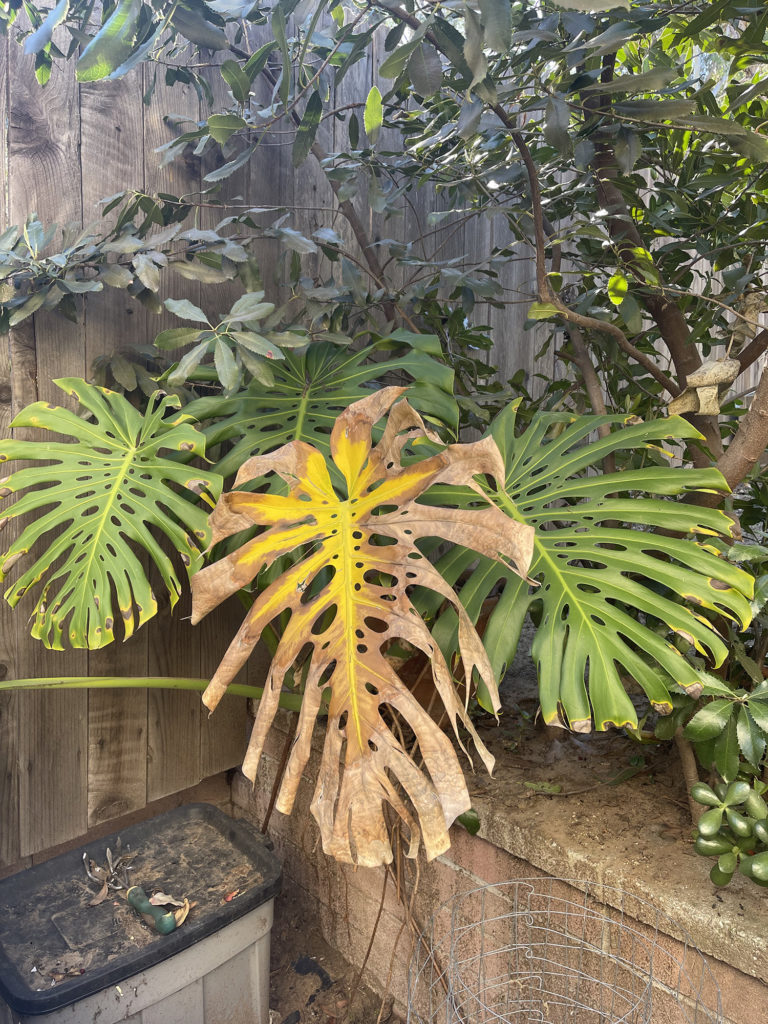
Monstera leaves start small and solid in shape. As they grow, the leaves develop holes and splits. This unique feature is called fenestration. Fenestration helps the plant withstand strong winds and heavy rains. It also allows light to pass through to lower leaves. This efficient leaf design is vital for their survival in the wild.
Interactions With Other Species
Monstera plants thrive in the wild by climbing trees and spreading their leaves to capture sunlight. They often interact with other plants and animals, creating a diverse ecosystem. Their aerial roots help them attach to other surfaces, ensuring steady growth.
Monstera plants thrive in the wild through various interactions with other species. These interactions help them grow and spread. Understanding these relationships can give us a glimpse into their natural habitat.Symbiotic Relationships
Monstera plants often form symbiotic relationships with trees. They climb trees to reach sunlight. This climbing does not harm the trees. Instead, it helps Monstera get the light they need to grow. Ants also have a special relationship with Monstera. The plant offers shelter to ants in its hollow stems. In return, ants protect Monstera from pests. This mutual aid benefits both species.Predators And Threats
Monstera faces several threats in the wild. Herbivores like deer and insects feed on its leaves. This can slow down its growth. Environmental factors also pose a threat. Strong winds can damage its large leaves. Heavy rainfall might cause root rot. Despite these challenges, Monstera has adapted well. Its aerial roots help it cling to surfaces and absorb moisture. These adaptations enable it to survive and thrive in its natural habitat. “`Reproduction
Monstera plants have a fascinating way of reproducing in the wild. They rely on natural processes to ensure their species thrives. These processes include pollination and seed dispersal. Let’s explore each of these mechanisms in detail.
Pollination
Pollination is the first step in Monstera reproduction. In the wild, insects, birds, and wind help transfer pollen. The flowers of the Monstera plant attract pollinators. These pollinators visit the flowers to collect nectar. As they move, they carry pollen from one flower to another. This process fertilizes the flowers, leading to seed production.
Seed Dispersal
Once the seeds are formed, the next step is seed dispersal. Seed dispersal ensures the seeds spread over a wide area. Animals, wind, and water play a role in this process. Animals eat the Monstera fruit and later excrete the seeds. The wind and water carry the seeds to new locations. This way, Monstera plants can grow in various places in the wild.
Adaptive Features
Monstera plants, often called Swiss Cheese plants, thrive in their natural habitats. Their unique adaptive features help them survive and grow. These features allow Monsteras to flourish in tropical forests. Let’s explore two key adaptations: aerial roots and fenestrations.
Aerial Roots
Aerial roots are a remarkable adaptation in Monsteras. These roots grow above the ground. They anchor the plant to trees and other structures. This helps the plant climb towards sunlight. The roots also absorb moisture from the air. This is crucial in humid environments.
Aerial roots can grow to impressive lengths. This enables the Monstera to reach higher light levels. It also ensures stability in its natural habitat. These roots play a vital role in the plant’s survival.
Fenestrations
Fenestrations are the unique holes in Monstera leaves. These holes serve several purposes. First, they allow light to pass through to lower leaves. This ensures all parts of the plant get enough light.
Second, fenestrations reduce wind resistance. This is important in the wild. It prevents the leaves from tearing in strong winds. Third, the holes allow rain to pass through. This helps prevent water buildup on the leaves.
Fenestrations also help with temperature regulation. They enable better air circulation around the leaves. This keeps the plant cool in hot environments.
The combination of aerial roots and fenestrations makes Monstera an adaptable and resilient plant.
Seasonal Changes
Monstera plants, known for their unique leaves, thrive in tropical regions. They undergo various transformations through the year. Understanding these seasonal changes can help in their cultivation.
Growth Cycles
Monstera plants experience distinct growth cycles throughout the year. During the rainy season, they grow rapidly. Their leaves become larger and develop unique splits. In the dry season, growth slows down.
Here is a simple table to illustrate the growth patterns:
| Season | Growth Pattern |
|---|---|
| Rainy Season | Rapid growth, larger leaves |
| Dry Season | Slower growth, smaller leaves |
Environmental Impact
The environment greatly impacts Monstera growth. In the wild, they adapt to changes in temperature and humidity. They prefer warm and humid climates.
Environmental factors include:
- Temperature: Monstera thrives in temperatures between 70-85°F (21-29°C).
- Humidity: High humidity levels are ideal, often above 60%.
- Light: Indirect sunlight is best. Direct sun can burn their leaves.
These environmental conditions ensure Monstera plants grow healthily. By mimicking these conditions, you can cultivate them successfully indoors.
Conservation Efforts
Monstera plants are stunning and unique. They grow naturally in tropical forests. These forests are under threat. Conservation efforts aim to protect these habitats. Let’s explore how we can preserve Monstera in the wild.
Preservation Of Habitats
Healthy habitats are crucial for Monstera growth. Forests provide the perfect environment. They offer shade and moisture. Conservationists work to protect these areas. They fight against deforestation and pollution. By doing so, they help Monstera thrive.
Challenges And Solutions
Conserving Monstera habitats is not easy. Deforestation is a big challenge. Illegal logging harms forests. Climate change also affects these areas. Conservationists face many obstacles. Yet, they find solutions. They create protected areas. They promote sustainable logging. They educate locals. These actions help safeguard Monstera habitats.
Frequently Asked Questions
Where Do Monstera Plants Grow Naturally?
Monstera plants grow naturally in tropical rainforests of Central and South America. They thrive under the forest canopy, climbing trees.
What Conditions Do Wild Monstera Need?
Wild Monstera need high humidity, indirect sunlight, and well-drained soil. They also require support to climb.
How Do Monstera Spread In The Wild?
Monstera spread by producing aerial roots that cling to trees. These roots help them climb and find sunlight.
Do Wild Monstera Produce Flowers?
Yes, wild Monstera produce flowers. The flowers are usually white and hidden beneath the foliage.
Conclusion
Monstera thrive in wild settings with ample light and humidity. These tropical plants climb trees, reaching for sunlight. Their aerial roots help them cling and absorb nutrients. Understanding their natural habitat helps in growing them at home. Replicate their environment for healthier, happier plants.
Remember, good care mimics nature’s balance. Happy growing!