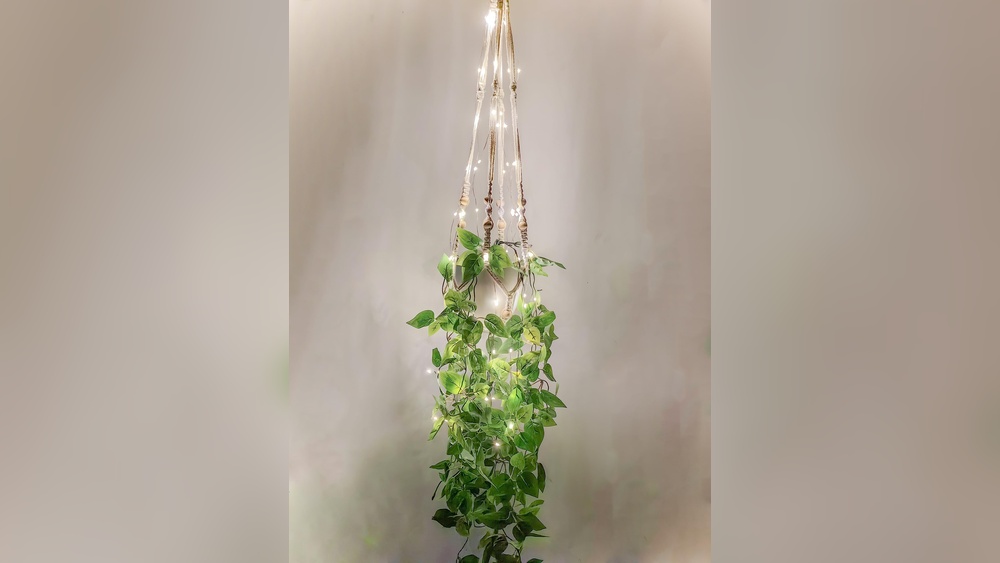
Are you looking to add a fresh, vibrant touch to your living space without taking up precious floor or shelf space? Hanging plants are the perfect solution to bring life and color right into your home.
They create a calming atmosphere, improve air quality, and make any room feel more inviting. You’ll discover simple and stylish ways to use hanging plants in your indoor decor. By the end, you’ll have easy ideas to transform your space into a green oasis that reflects your personality.
Ready to see how a little greenery can make a big difference? Keep reading!
Credit: www.letifly.com
Benefits Of Hanging Plants
Hanging plants bring many benefits to indoor spaces. They improve the air, save space, and make rooms look beautiful. These green additions fit well in any home or office. Discover how hanging plants can enhance your space with simple and natural charm.
Air Purification
Hanging plants help clean the air inside your home. They absorb harmful chemicals and produce fresh oxygen. This process makes the air healthier to breathe. Plants like spider plants and pothos are known for strong air-purifying abilities. Adding hanging plants creates a fresher, cleaner indoor environment.
Space Optimization
Hanging plants save floor and table space. They use vertical areas such as walls and ceilings. This is perfect for small rooms or crowded places. You can place plants where there is no other space. Hanging plants keep your living area neat and open.
Aesthetic Appeal
Hanging plants add natural beauty to any room. Their leaves and vines create a soothing look. They bring color, texture, and life to plain walls. The gentle sway of hanging plants adds movement and calm. These plants fit all styles, from modern to rustic.
Choosing The Right Plants
Choosing the right plants for your hanging indoor decor is key to a beautiful space. The right plants bring life, color, and texture. They also need to fit your home’s light and care conditions. Picking plants that match your lifestyle keeps them healthy and vibrant. Explore different types to find what suits your space best.
Low-maintenance Varieties
Low-maintenance plants save time and effort. They stay green and healthy with little care. Examples include pothos, spider plants, and philodendrons. These plants can survive occasional watering and adapt to many conditions. Perfect for busy people or beginners. They add greenery without the stress of constant care.
Plants For Low Light
Many homes have rooms with little natural light. Choose plants that thrive in shade or indirect light. Snake plants and ZZ plants do well in low light. They keep their shape and color without bright sun. These plants help brighten dark corners and small rooms. A great choice if windows are limited.
Colorful And Flowering Options
Hanging plants with flowers add color and charm. African violets and fuchsias offer bright, beautiful blooms. They need a bit more care but reward with vibrant flowers. Choose flowering plants to create a lively and cheerful atmosphere. Great for kitchens, bathrooms, or living rooms.
Styles Of Hanging Planters
Hanging planters bring life and style to any indoor space. They save floor space and add a fresh, natural look. Different styles fit various home decors and personal tastes. Choosing the right style can highlight your plants beautifully. Here are some popular styles of hanging planters.
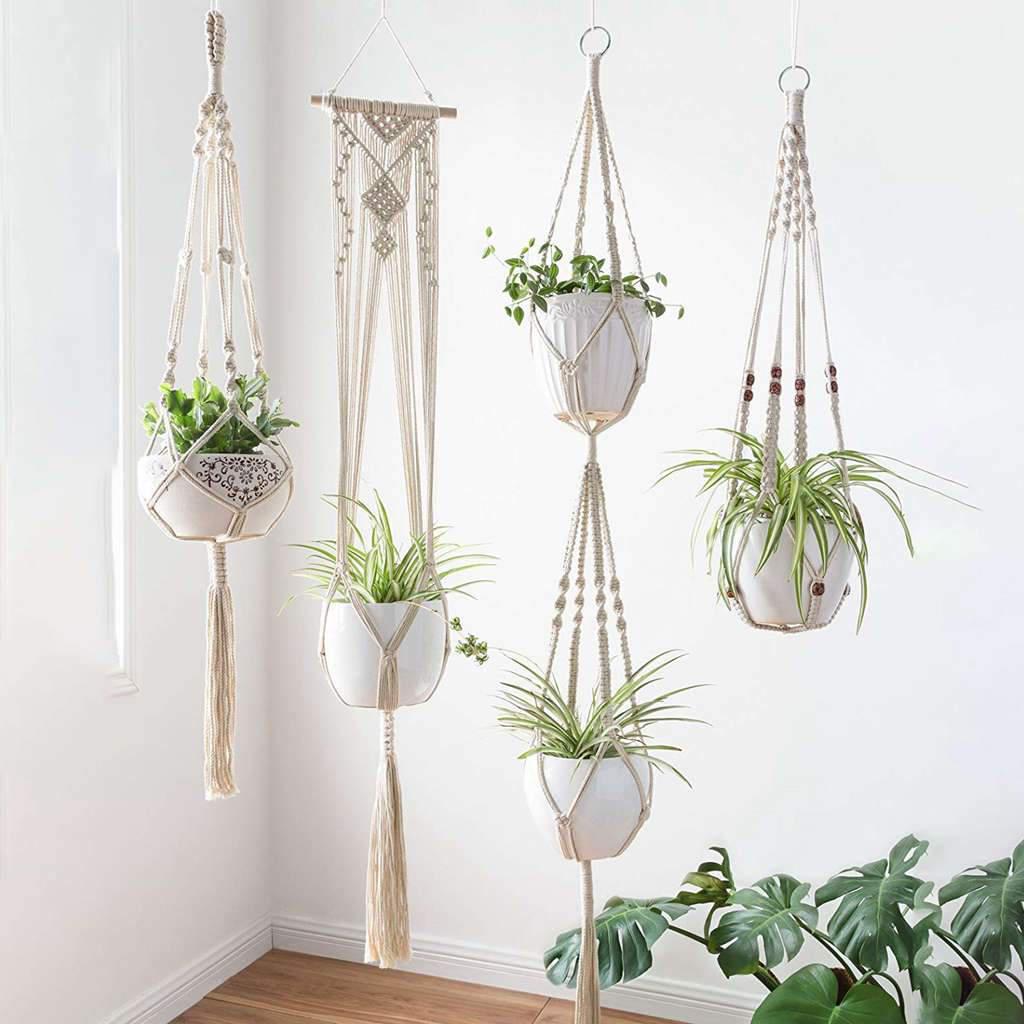
Macrame And Rope Holders
Macrame holders use knotted rope to hold pots. They give a boho and rustic feel to rooms. The ropes create patterns that look decorative and delicate. These holders are lightweight and easy to hang anywhere. They suit small to medium pots and add texture to walls.
Ceramic And Clay Pots
Ceramic and clay pots offer a classic and earthy look. They come in many colors and shapes. These pots keep plants cool and help soil breathe. Their weight helps them stay stable when hanging. Perfect for traditional and natural room styles.
Modern Geometric Designs
Geometric planters use shapes like triangles and hexagons. They look sleek and fit modern, minimalist spaces well. These planters often use metal or wood frames. The clean lines make plants stand out as decor. Ideal for adding a trendy touch to your home.
Credit: www.domino.com
Placement Tips
Placing hanging plants indoors needs some thought. Good placement helps plants grow well and makes your room look great. Think about light, space, and style when choosing spots for your plants. Here are some tips to help you place hanging plants perfectly in your home.
Maximizing Natural Light
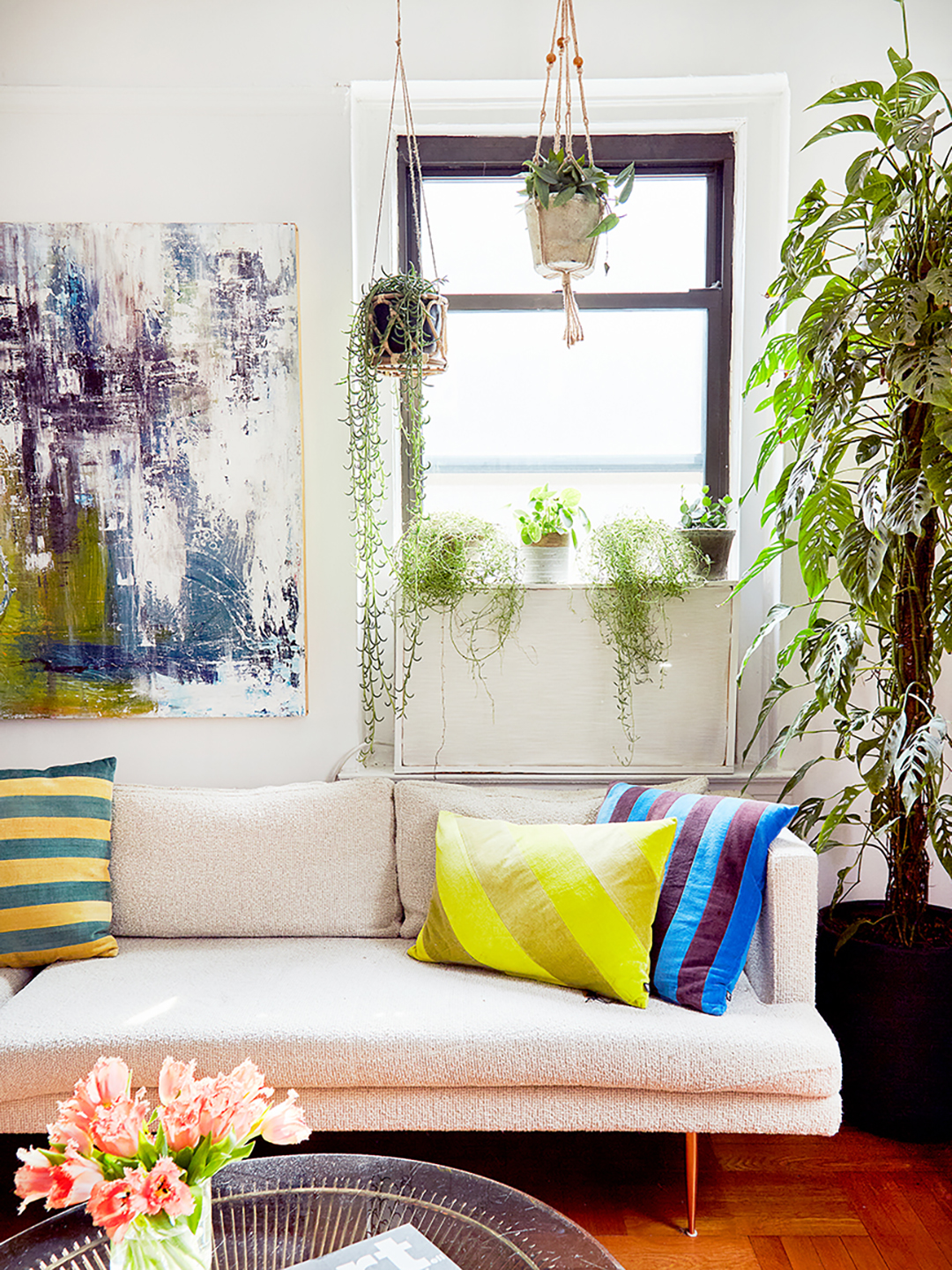
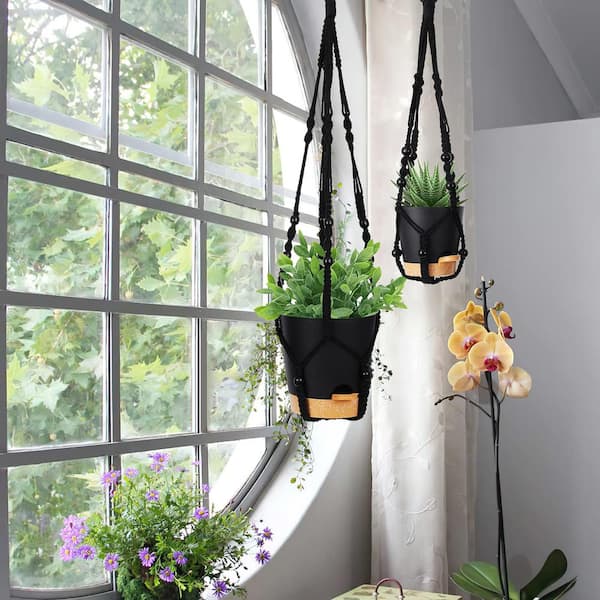
Plants need sunlight to stay healthy. Hang your plants near windows where they get soft, natural light. East or west-facing windows work best for many plants. Avoid direct sunlight that can burn the leaves. Use sheer curtains to soften harsh light if needed. Rotate plants occasionally to make sure all sides get light.
Creating Focal Points
Hanging plants can become a room’s highlight. Choose a spot where they catch the eye right away. Hang plants in entryways or above tables to draw attention. Use pots with bright colors or unique shapes to make them stand out. Group several plants together for a lush, green display that feels fresh and lively.
Balancing Room Layout
Balance plants with your furniture and decor. Avoid crowding one corner with too many plants. Spread them evenly to keep the room feeling open and airy. Use hanging plants to fill empty spaces without cluttering the floor. Match plant sizes with the room’s scale for a natural look. This keeps the room calm and inviting.
Care And Maintenance
Hanging plants bring life to any indoor space. They need proper care to stay healthy and beautiful. Understanding the basics of maintenance helps your plants thrive. Small daily efforts make a big difference.
Watering Guidelines
Check soil moisture before watering. Most hanging plants prefer dry soil between watering. Use a watering can with a narrow spout to avoid spills. Water slowly until it drains from the bottom. Avoid overwatering to prevent root rot. Adjust watering frequency based on season and plant type.
Pruning And Grooming
Trim dead or yellow leaves regularly. This keeps the plant looking fresh and healthy. Use clean scissors to avoid infections. Pinch back long stems to encourage bushier growth. Remove old flowers to promote new blooms. Grooming improves air circulation around the plant.
Pest Control
Check plants often for pests like spider mites or aphids. Use a damp cloth to wipe leaves gently. Spray plants with mild soapy water to remove insects. Avoid harsh chemicals that may harm indoor air quality. Quarantine new plants before adding them to your collection. Early pest control prevents bigger problems.
Credit: www.homedepot.com
Creative Hanging Plant Ideas
Creative hanging plant ideas bring life to indoor spaces. They save floor space and add charm. You can use simple tools and plants to make your home green and fresh.
These ideas fit small homes and big rooms. They create a calm, natural feel that anyone can enjoy. Let’s explore some easy and fun ways to hang plants inside.
Vertical Gardens
Vertical gardens use walls to grow many plants. They create a green wall that looks beautiful. Choose small pots or pockets to hold the plants. Herbs, succulents, and ferns work well here. Vertical gardens improve air and brighten rooms.
Hanging Plant Walls
Hanging plant walls are a stylish way to display plants. Use shelves, ropes, or hooks to hang pots at different heights. Mix colors and shapes of plants for a lively look. These walls become a natural art piece in your home.
Diy Planter Projects
DIY planter projects let you create unique pots for hanging plants. Use materials like wood, glass jars, or old containers. Paint or decorate them to match your style. DIY planters add a personal touch and make plant care fun.
Frequently Asked Questions
What Are The Best Hanging Plants For Indoor Decor?
Popular indoor hanging plants include pothos, spider plants, and string of pearls. They thrive in indirect light and need minimal care. These plants add greenery and elegance to any room, improving air quality and enhancing decor aesthetics effectively.
How Do I Hang Plants Safely Indoors?
Use sturdy hooks or ceiling anchors designed for indoor use. Ensure the support can hold the pot’s weight when watered. Hang plants away from high-traffic areas to prevent accidents and choose appropriate pot sizes for stability.
How Often Should I Water Indoor Hanging Plants?
Watering frequency depends on the plant type and indoor climate. Generally, water once a week or when the top inch of soil feels dry. Avoid overwatering, which causes root rot. Use pots with drainage holes for healthy plant growth.
Can Hanging Plants Improve Indoor Air Quality?
Yes, hanging plants like English ivy and spider plants absorb toxins and increase oxygen. They reduce indoor pollutants and humidity, promoting a healthier living environment. Adding hanging plants is a natural way to enhance air quality indoors.
Conclusion
Hanging plants bring life and color to any indoor space. They save floor space and add a fresh look. Choosing the right plants and pots makes a big difference. Regular care helps them stay green and healthy. Small changes create a cozy and relaxing home.
Try different styles to fit your taste and room. Enjoy the beauty and calm that hanging plants provide. They make your indoor decor feel warm and inviting.
Leave a Reply