
Monstera and Mini Monstera are popular houseplants. Both add a tropical vibe to any space.
But, they have distinct differences worth noting. Understanding these differences helps you choose the right plant for your home. Monstera, often known as the Swiss cheese plant, is famous for its large, perforated leaves. It can grow quite big and needs space.
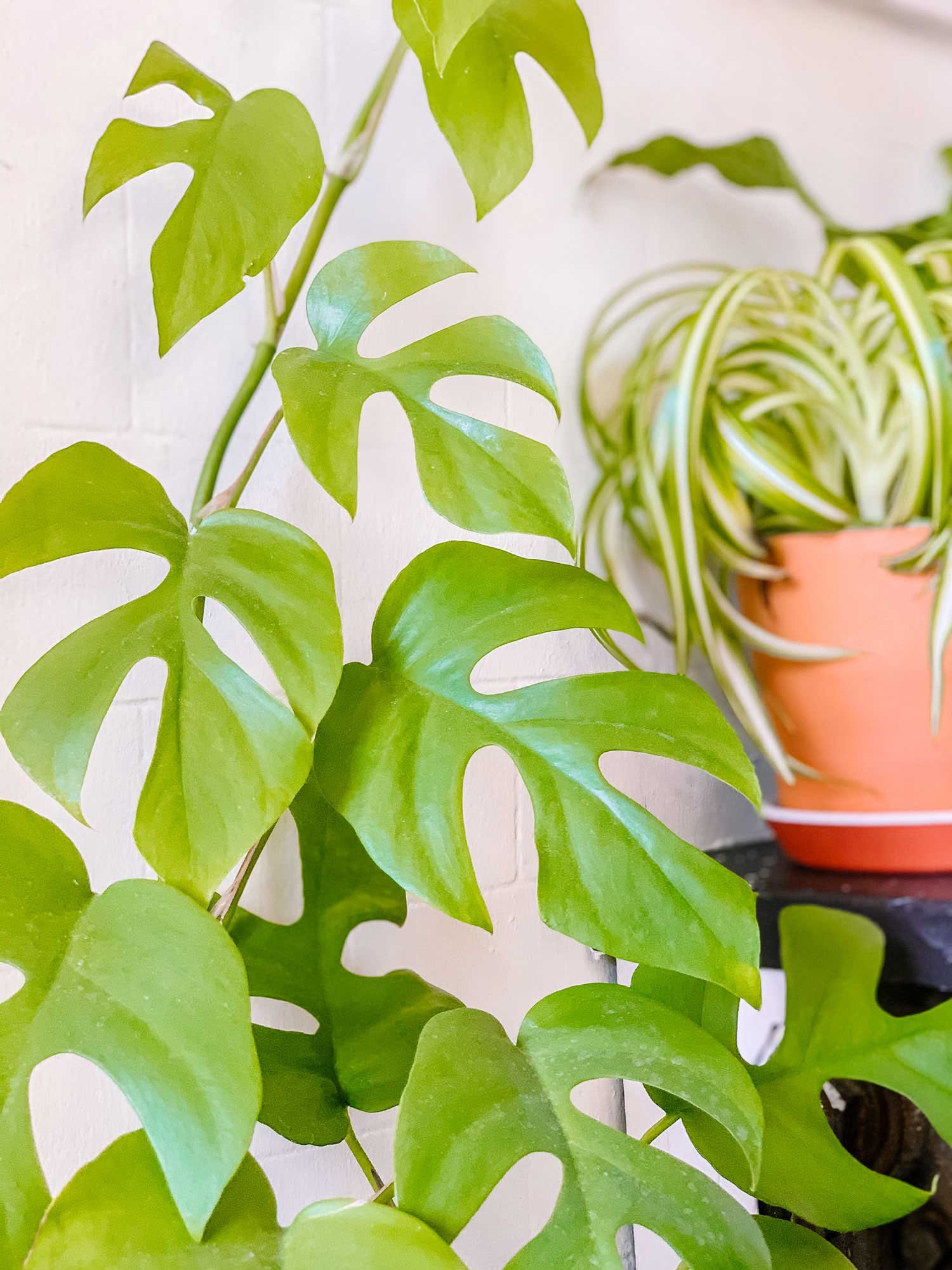
On the other hand, Mini Monstera, also called Rhaphidophora Tetrasperma, is smaller and more compact. It mimics the look of a Monstera but fits better in small apartments. Knowing these key differences can help you decide which plant suits your lifestyle and space. Let’s explore these differences in more detail.
Introduction To Monstera And Mini Monstera
Monstera and Mini Monstera are popular plants for home decor. They both add a touch of green and elegance to any space. While they may seem similar, they have distinct differences. This blog post will explore these differences.
Origins
Monstera, known as Monstera deliciosa, originates from the tropical forests of Central America. It thrives in humid environments with plenty of indirect sunlight. Its large, iconic leaves have natural holes, which help it adapt to its environment.
Mini Monstera, or Rhaphidophora tetrasperma, is not a true Monstera. It hails from Southeast Asia. It prefers similar conditions to Monstera but has smaller, split leaves. Despite the name, it belongs to a different plant family.
Popularity In Home Decor
Monstera has become a favorite in home decor. Its large, striking leaves make a bold statement. It works well in modern and bohemian interiors. Many people love its tropical vibe and easy care requirements.
Mini Monstera is gaining popularity too. Its smaller size makes it ideal for apartments and small spaces. It offers the same lush, tropical look without taking up much room. Its fast growth and unique appearance add to its appeal.
Physical Appearance
The physical appearance of Monstera and Mini Monstera plants can be quite distinct. Despite their similar names, they have unique characteristics that set them apart. This section will delve into two main aspects: leaf shape and plant size.
Leaf Shape
Monstera plants are famous for their large, heart-shaped leaves. These leaves often have deep splits and holes, creating a dramatic look. The splits and holes grow larger as the plant matures.
Mini Monstera, also known as Rhaphidophora tetrasperma, has smaller leaves. Their leaves are similar in shape but tend to have fewer splits and holes. This gives them a more compact and less dramatic appearance.
| Plant | Leaf Shape |
|---|---|
| Monstera | Large, heart-shaped, deep splits and holes |
| Mini Monstera | Smaller, similar shape, fewer splits and holes |
Plant Size
Monstera plants can grow very large. They often reach heights of up to 10 feet indoors. Their leaves can grow up to 3 feet wide.
Mini Monstera is much smaller. It typically grows to about 4 to 5 feet indoors. Its leaves are much smaller, usually not exceeding 12 inches in width.
- Monstera: Up to 10 feet tall, leaves up to 3 feet wide
- Mini Monstera: 4 to 5 feet tall, leaves up to 12 inches wide
Understanding the physical appearance differences can help in choosing the right plant for your space. Whether you prefer the bold look of a Monstera or the compact charm of a Mini Monstera, both add a touch of nature to your home.
Growth Patterns
Understanding the growth patterns of Monstera and Mini Monstera can help you care for these unique plants better. They differ in how they grow and develop over time.
Climbing Vs. Bushy
Monstera plants are known for their climbing nature. They use aerial roots to attach to supports. This helps them grow upwards, mimicking their natural rainforest habitat.
On the other hand, Mini Monstera, also known as Rhaphidophora Tetrasperma, tends to grow more bushy. It can climb if given support, but it often remains more compact and shrubby.
Growth Rate
The growth rate of Monstera and Mini Monstera also shows some differences. Monstera can grow quite fast, especially in ideal conditions. With proper care, it can grow several feet in a year.
Mini Monstera grows at a slightly slower rate. It still grows well but tends to be more manageable in size. This makes it a good choice for smaller spaces.
Here is a quick comparison:
| Feature | Monstera | Mini Monstera |
|---|---|---|
| Climbing Nature | Yes, with aerial roots | Yes, but more bushy |
| Growth Rate | Fast | Moderate |
Both plants are beautiful and can thrive with the right care. Understanding their growth patterns helps you choose the right one for your space.
Care Requirements
Monstera prefers bright, indirect light and high humidity. Mini Monstera thrives in low to medium light and moderate humidity. Both need well-draining soil and regular watering.
Both Monstera and Mini Monstera are popular houseplants. They have unique care needs. Understanding these needs helps them thrive in your home. Let’s dive into their specific care requirements.Watering Needs
Monstera plants need moderate watering. Water them once the top inch of soil dries out. Overwatering can cause root rot. Ensure the pot has good drainage. Mini Monstera needs less frequent watering. Allow the soil to dry more between waterings. Check the soil moisture regularly to avoid overwatering.Light Preferences
Monstera thrives in bright, indirect light. Too much direct sunlight can scorch the leaves. They can tolerate low light but may grow slower. Mini Monstera prefers bright, indirect light too. It can handle slightly lower light conditions. But, avoid placing it in direct sunlight. By understanding these care requirements, you ensure a healthy plant. Happy planting! “`Soil And Potting
Choosing the right soil and potting is crucial for the health of both Monstera and Mini Monstera. Understanding their needs can help these plants thrive in your home. Let’s dive into the specifics.
Soil Type
Monstera plants prefer well-draining soil. A mix of peat, perlite, and compost works best. This blend allows for good aeration and moisture retention. Aim for a slightly acidic to neutral pH.
Mini Monstera, also known as Rhaphidophora Tetrasperma, loves similar soil conditions. Opt for a mix that drains well but holds moisture. A blend of potting soil, orchid bark, and perlite is ideal.
Pot Size
Monstera plants need larger pots to accommodate their rapid growth. Choose a pot that is at least 2 inches wider than the root ball. Ensure it has drainage holes to prevent root rot.
Mini Monstera prefers smaller pots compared to their larger counterparts. Select a pot that is just slightly bigger than the plant’s current size. Good drainage is essential to avoid waterlogged soil.

Propagation Methods
Understanding the propagation methods for Monstera and Mini Monstera can help you grow more of these beautiful plants. Both have different ways to propagate, making it easy to increase your collection. Let’s explore the most common methods for each.
Stem Cuttings
Monstera plants can be propagated through stem cuttings. Follow these steps:
- Choose a healthy stem with at least one node.
- Cut the stem below the node using a clean, sharp knife.
- Place the cutting in water or directly in soil.
- Wait for roots to develop, which can take a few weeks.
For Mini Monstera, the process is similar:
- Select a stem with a node and a few leaves.
- Make a clean cut below the node.
- Place the cutting in water, ensuring the node is submerged.
- Once roots form, transplant the cutting into soil.
Root Division
Another effective method for propagating both Monstera and Mini Monstera is root division. This involves separating the roots to create new plants. Here’s how:
| Step | Monstera | Mini Monstera |
|---|---|---|
| 1 | Remove the plant from its pot. | Carefully take the plant out of the pot. |
| 2 | Gently separate the roots. | Divide the roots with a clean tool. |
| 3 | Ensure each new section has roots and leaves. | Make sure each section has roots and leaves. |
| 4 | Plant each section in a new pot with fresh soil. | Replant each section in separate pots. |
Both methods are reliable and can help you grow more Monstera and Mini Monstera plants with ease. Choose the method that works best for you and enjoy your growing plant collection!
Pests And Diseases
Monstera and Mini Monstera are popular houseplants known for their beauty. Yet, they can suffer from pests and diseases. Understanding these issues helps keep your plants healthy. Proper care and attention prevent many problems. Let’s explore the common pests and disease prevention for Monstera and Mini Monstera.
Common Pests
Monstera and Mini Monstera often attract pests. Spider mites, scale insects, and aphids are frequent visitors. Spider mites can be hard to see. They leave tiny webbing on leaves. Scale insects look like small brown or black bumps. They stick to stems and undersides of leaves. Aphids are small, soft-bodied insects. They gather on new growth and the undersides of leaves.
Pests weaken the plant and cause yellowing leaves. They also spread diseases. Regular inspection is key. Check your plants weekly. Look under leaves and along stems. If you find pests, act quickly. Use insecticidal soap or neem oil. Both are safe and effective. Remove heavily infested leaves to stop the spread.
Disease Prevention
Disease prevention starts with proper care. Overwatering is a common mistake. It leads to root rot. Ensure your pot has drainage holes. Water only when the top inch of soil is dry. Poor air circulation can also cause problems. Give your plant space to breathe. Avoid overcrowding with other plants.
Fungal infections are another concern. They cause spots on leaves and stem rot. Use a well-draining soil mix to prevent this. Clean your tools before use. Dirty tools spread disease. Remove any dead or yellowing leaves. They can harbor fungi and bacteria.
Healthy plants resist pests and diseases better. Give your Monstera or Mini Monstera the right environment. Regular care and attention make all the difference.

Frequently Asked Questions
What Is The Main Difference Between Monstera And Mini Monstera?
The main difference is their size. Monstera plants grow much larger than Mini Monstera. Mini Monstera, also known as Rhaphidophora Tetrasperma, stays compact.
Are Monstera And Mini Monstera Related?
No, they are not closely related. Monstera is from the Araceae family, while Mini Monstera belongs to the Araceae family but is a different genus.
How Do I Care For Monstera And Mini Monstera?
Both plants need similar care. Provide bright, indirect light, water when the soil is dry, and ensure proper humidity levels.
Can Monstera And Mini Monstera Be Grown Indoors?
Yes, both can be grown indoors. Monstera requires more space due to its size, while Mini Monstera is more compact and fits smaller spaces.
Conclusion
Monstera and Mini Monstera have distinct characteristics. Monstera has larger leaves, while Mini Monstera’s are smaller. Both plants add beauty to any space. Mini Monstera fits well in smaller areas. Monstera needs more room to grow. Each plant has unique care needs.
Choose based on your space and care preferences. Enjoy the green beauty they bring. Happy gardening!
Leave a Reply