
Yes, Monstera plants can live outside. They thrive in certain conditions.
Monstera plants, often known as Swiss Cheese plants, are popular for their unique, perforated leaves. While they are commonly grown indoors, many gardeners wonder if they can thrive outside. The answer lies in understanding their natural habitat. Monstera plants are native to tropical rainforests, where they enjoy warm temperatures and high humidity.
This means they can live outside, but only in climates that mimic these conditions. Proper care, such as providing shade and ensuring the right soil moisture, is crucial. In this blog, we will explore the factors that affect the outdoor success of Monstera plants and offer tips for optimal growth.
Ideal Climate For Monstera Plants
Monstera plants, with their striking leaves and lush appearance, are a favorite among plant enthusiasts. To ensure they thrive, it’s important to understand the ideal climate for Monstera plants. This involves knowing the right temperature range and humidity levels.
Temperature Range
Monstera plants prefer warm temperatures. They thrive between 65°F and 85°F. Below 60°F, they may suffer. Cold temperatures can damage their leaves and stunt growth. In extreme cases, frost can kill the plant.
Humidity Levels
Monstera plants love high humidity. Ideal humidity levels range from 60% to 80%. Dry air can cause the leaves to turn brown. Regular misting helps maintain the required humidity. Using a humidifier can also be beneficial, especially in dry climates.
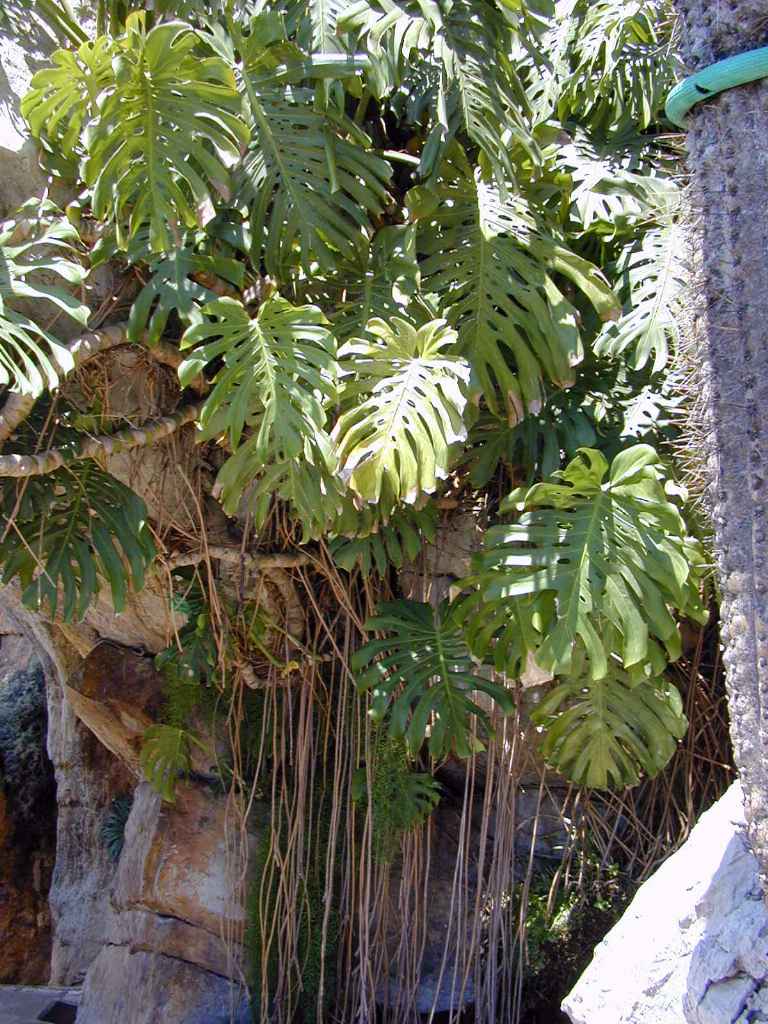
Choosing The Right Location
Choosing the right location for your Monstera plant is vital. It ensures the plant thrives and stays healthy. Monstera plants can live outside, but the environment must be suitable. Here’s what you need to know about selecting the perfect spot.
Sunlight Requirements
Monstera plants prefer bright, indirect sunlight. Direct sunlight can burn their leaves. Place them in a shaded area. Under a tree or near a shaded patio works well. They need some sunlight for photosynthesis. But too much can harm them.
Wind Protection
Strong winds can damage Monstera plants. Their large leaves are vulnerable. Choose a spot with good wind protection. A sheltered corner or against a wall is ideal. It keeps the plant safe from harsh gusts. Windbreaks like fences or hedges can also help.
Soil And Planting Tips
Monstera plants thrive indoors but can live outside with proper care. Soil and planting techniques play a vital role in the plant’s health. This section provides essential tips for growing Monstera plants outdoors successfully.
Soil Type
Monstera plants prefer well-draining soil. A mix of potting soil, peat, and perlite works best. This combination ensures the soil retains moisture without becoming waterlogged. Avoid heavy clay soils as they can suffocate the roots.
Choose soil with a slightly acidic to neutral pH. A range of 5.5 to 7.0 is ideal. Test the soil pH before planting to ensure optimal conditions. Adding compost can improve soil quality and provide essential nutrients.
Planting Techniques
Plant Monstera in a location with partial shade. Direct sunlight can scorch the leaves. Morning sun or filtered light works best. Ensure the planting site has good air circulation to prevent mold and fungal issues.
Dig a hole twice the size of the root ball. Gently place the plant in the hole, ensuring the roots are spread out. Fill the hole with soil and gently press down to remove air pockets. Water thoroughly after planting to help the plant settle.
Mulch around the base to retain moisture and regulate soil temperature. Avoid piling mulch against the stem to prevent rot. Regularly check soil moisture and water when the top inch feels dry.
Watering Guidelines
Caring for outdoor Monstera plants can be easy with the right watering guidelines. Proper watering ensures your Monstera stays healthy and lush. Here, we discuss the frequency and signs of overwatering to help you maintain your plant.
Frequency
Outdoor Monstera plants generally need water once a week. This frequency can vary based on climate. In hotter climates, you may need to water more often. Always check the soil before watering. The top inch of soil should be dry before adding more water.
Use a watering can with a gentle spout. This helps avoid disturbing the soil. Water thoroughly, ensuring the water reaches the roots. During rainy seasons, reduce the frequency. Natural rain can provide sufficient moisture.
Signs Of Overwatering
Overwatering is a common issue for outdoor Monstera plants. Look for these signs to avoid it:
- Yellowing leaves
- Wilting despite moist soil
- Moldy or smelly soil
- Root rot
If you notice any of these signs, reduce the amount of water. Ensure the pot or ground has good drainage. This helps excess water escape and prevents root rot. Proper watering keeps your Monstera thriving outdoors.
Feeding And Fertilization
Feeding and fertilization are crucial aspects of caring for Monstera plants. These beautiful plants thrive with the right nutrients, helping them grow lush and vibrant. Below, we discuss the type of fertilizer and the application schedule you should follow to ensure your Monstera plants flourish outside.
Type Of Fertilizer
Choosing the right fertilizer is essential for Monstera plants. A balanced fertilizer with an equal ratio of nitrogen, phosphorus, and potassium (N-P-K) works best. You can use a 20-20-20 fertilizer for optimal growth. Organic options like compost or fish emulsion are also beneficial.
| Fertilizer Type | Benefits |
|---|---|
| 20-20-20 Balanced Fertilizer | Provides equal nutrients for overall growth |
| Compost | Improves soil structure and fertility |
| Fish Emulsion | Rich in organic nutrients and promotes healthy foliage |
Application Schedule
Applying fertilizer at the right time is key. During the growing season, feed your Monstera every 4-6 weeks. This ensures they receive a steady supply of nutrients. Reduce feeding during the dormant winter months.
- Spring: Every 4 weeks
- Summer: Every 4-6 weeks
- Fall: Every 6 weeks
- Winter: Minimal or no fertilization
Always follow the instructions on the fertilizer package. Over-fertilizing can harm your plants. Dilute liquid fertilizers to half strength to prevent nutrient burn. This helps in maintaining the health and vitality of your Monstera plants.

Pest And Disease Management
Monstera plants can thrive outside in warm climates. They need protection from direct sunlight and strong winds. Regularly check for pests and diseases to keep them healthy.
Monstera plants can thrive outside with proper care. But they are prone to pests and diseases. Managing these issues is vital for healthy plants.Common Pests
Monstera plants attract various pests. Spider mites are tiny but harmful. They suck sap from the leaves. This causes yellowing and spots. Aphids also feed on plant sap. They can weaken your Monstera. Scale insects are another threat. They look like small bumps on stems and leaves.Preventive Measures
Inspect your plants regularly. Early detection helps control pests. Use neem oil to deter insects. It’s a natural pesticide. Keep the area around your Monstera clean. Remove fallen leaves and debris. This reduces hiding spots for pests. Water your plant properly. Overwatering can lead to root rot. This makes the plant weak and more susceptible to pests. Prune damaged leaves. They can attract insects. Healthy plants are less likely to suffer pest infestations. “`Seasonal Care Tips
Monstera plants can live outside with the right seasonal care. Understanding how to protect them in winter and maintain them in summer is key. Let’s explore some tips for each season to ensure your Monstera thrives outdoors.
Winter Protection
Winter can be harsh on Monstera plants. Cold temperatures can damage their leaves and roots. Cover the plant with a frost cloth or burlap. This helps trap heat and protect it from frost. Move potted Monsteras inside during very cold spells. Ensure they are in a bright spot, away from drafts.
Water less frequently during winter. The plant’s growth slows down, so it needs less water. Check the soil before watering. It should be dry to the touch. Too much water can lead to root rot.
Summer Maintenance
Summer offers great conditions for Monstera plants. They love the warm temperatures and humidity. Place them in a spot with indirect sunlight. Direct sunlight can scorch their leaves. Water the plant regularly, but do not overwater. The soil should be kept moist, not soggy.
Mist the leaves to increase humidity. This keeps the plant happy and healthy. Fertilize the Monstera every two to four weeks. Use a balanced, water-soluble fertilizer. Prune any dead or damaged leaves to encourage new growth.

Benefits Of Growing Monstera Outside
Monstera plants are popular for their large, unique leaves. They thrive indoors but can also flourish outside. Growing Monstera outside offers numerous benefits.
Healthier Growth
Monstera plants often grow healthier outside. They receive natural sunlight, which is essential for photosynthesis. This helps them produce more energy and grow stronger. Fresh air circulation outside reduces the risk of mold and pests. Outdoor environments also provide more space for roots to spread.
Aesthetic Appeal
Monsteras add a tropical touch to any garden. Their large, glossy leaves stand out and attract attention. They can enhance the look of patios and outdoor spaces. Planting them outside creates a natural, green environment. This can make your outdoor area more inviting and relaxing.
Frequently Asked Questions
Can Monstera Plants Survive Outside?
Yes, Monstera plants can survive outside in suitable climates. They thrive in USDA zones 10-12. Ensure they have partial shade and protection from harsh winds.
What Temperature Is Best For Outdoor Monstera?
Monstera plants prefer temperatures between 65-85°F (18-29°C). Avoid exposing them to temperatures below 50°F (10°C).
How Much Sunlight Do Outdoor Monstera Need?
Monstera plants need bright, indirect sunlight when outdoors. Direct sunlight can scorch their leaves. Place them in dappled shade.
Can Monstera Plants Handle Outdoor Pests?
Yes, but they can attract pests like aphids and spider mites. Regularly inspect leaves and treat infestations promptly.
Conclusion
Monstera plants can thrive outdoors under the right conditions. Ensure they get indirect sunlight and are protected from harsh weather. Regularly monitor their water needs. Consider bringing them indoors during extreme temperatures. With proper care, your Monstera will flourish beautifully.
Enjoy the lush, green addition to your outdoor space. Happy gardening!