
Yes, Monstera plants can cause allergies. Some people may experience skin irritation or respiratory issues due to the plant’s sap or airborne particles.
Monstera plants, with their distinctive leaves, are popular in many homes. But, for some, these plants might bring unexpected troubles. The plant’s sap can cause skin irritation if touched. Similarly, tiny particles released into the air might trigger respiratory issues in sensitive individuals.
Understanding the potential allergic reactions is crucial, especially for plant enthusiasts with known sensitivities. In this post, we will delve into the details of Monstera plant allergies, how they manifest, and ways to minimize risks. Stay informed to enjoy your greenery safely.
Introduction To Monstera Plants
Monstera plants, commonly known as Swiss Cheese Plants, have gained significant popularity. Their unique, perforated leaves make them a favorite among houseplant enthusiasts. But while these plants are visually appealing, some individuals may wonder if Monstera plants can cause allergies. This section will explore the basics of Monstera plants.
Popular Houseplant
Monstera plants have become a staple in many homes. They are easy to care for, making them ideal for beginners. These plants thrive in various indoor environments. Their adaptability adds to their appeal. Many people choose Monstera plants for their low maintenance.
Visual Appeal
The most striking feature of Monstera plants is their large, split leaves. These leaves create a tropical vibe, adding a touch of nature to any room. The unique leaf patterns draw attention and admiration. Monstera plants also come in different varieties. Each variety offers a distinct visual charm. Their aesthetic value makes them a popular choice.
Common Allergic Reactions
Common allergic reactions to Monstera plants can be uncomfortable. Understanding these reactions can help you manage symptoms better. Here, we explore two main types of reactions.
Skin Irritations
Touching Monstera leaves can cause skin irritations. This happens due to the plant’s sap. The sap contains calcium oxalate crystals. These crystals can irritate the skin. Symptoms include redness, itching, and swelling. Washing the area with soap and water can help. Avoid touching your face after handling the plant.
Respiratory Issues
Monstera plants can also affect your respiratory system. Breathing in the plant’s particles may lead to issues. Some people experience sneezing and coughing. Others might have a runny or stuffy nose. In some cases, you may feel short of breath. Keeping the plant in a well-ventilated area can reduce these symptoms. Using an air purifier may also help.
Understanding Plant Allergens
Understanding plant allergens is essential for those with sensitivities or allergies. Plants can release allergens into the air, which may trigger allergic reactions in some people. Knowing which plants are potential allergens helps in managing symptoms and maintaining a healthy living environment.
What Are Allergens?
Allergens are substances that can cause allergic reactions. They can come from various sources, including plants. When the immune system reacts to these substances, symptoms like sneezing, itching, or even respiratory issues can occur.
Monstera’s Role
The Monstera plant, known for its large, beautiful leaves, can be an indoor allergen source. It releases pollen and other particles that might trigger allergies in sensitive individuals. While not as common as other plant allergens, Monstera’s potential should not be ignored.
If you experience allergy symptoms around Monstera plants, consider limiting your exposure. Regular cleaning and proper ventilation can also help reduce allergen levels in your home.

Symptoms Of Monstera Allergies
Monstera plants are popular for their unique, large leaves. But they can cause allergies. Knowing the symptoms helps you take action quickly. Let’s explore the mild and severe reactions.
Mild Symptoms
Mild symptoms of Monstera allergies are usually manageable. They often include:
- Itchy skin: You may feel an itch after touching the plant.
- Redness: Your skin might turn red where it made contact.
- Sneezing: You could start sneezing near the plant.
- Runny nose: Your nose might run as a reaction.
- Watery eyes: Your eyes could tear up.
These symptoms are common and usually not serious. Avoiding the plant often helps.
Severe Reactions
Severe reactions are less common but more serious. They require immediate attention. Watch for these signs:
- Swelling: Your face, lips, or throat might swell.
- Difficulty breathing: You may find it hard to breathe.
- Chest pain: You could feel pain in your chest.
- Dizziness: You might feel lightheaded or dizzy.
- Hives: Raised, red, itchy bumps can appear on your skin.
These symptoms need urgent medical care. Call a doctor or visit the hospital if you experience them.
Preventing Allergic Reactions
Monstera plants are a trendy addition to many homes. Yet, some people may experience allergic reactions. Preventing these reactions is crucial for a safe and pleasant indoor environment. Below are some practical tips to help avoid allergies when dealing with Monstera plants.
Handling With Care
Always handle the Monstera plant with care. Its sap can irritate the skin. Avoid touching your face after handling the plant. Wash your hands thoroughly to remove any residue. Using gentle movements can also reduce the risk of sap exposure.
Wearing Protective Gear
Consider wearing protective gear when working with Monstera plants. Gloves can protect your hands from direct contact. Long sleeves and goggles add an extra layer of protection. This gear helps minimize the risk of skin and eye irritation.
First Aid For Plant Allergies
Experiencing an allergic reaction to a Monstera plant can be unsettling. Knowing the correct first aid steps can help you manage symptoms quickly. This guide will help you understand what to do if you have a plant allergy.
Immediate Steps
If you touch a Monstera plant and feel itchy, wash the area. Use soap and water to clean your hands or skin. This helps remove the plant’s sap, which can cause irritation.
If your eyes itch or swell, rinse them with cool water. Do this gently to avoid more irritation. You may use over-the-counter eye drops to soothe your eyes.
If you start sneezing or have a runny nose, take an antihistamine. These medicines can help reduce allergic symptoms. Always follow the dosage instructions on the package.
When To See A Doctor
Seek medical help if symptoms get worse or do not improve. Look out for trouble breathing, swelling in the throat, or a severe rash. These can be signs of a serious allergic reaction.
Consult a doctor if you experience dizziness or feel faint. These symptoms can indicate a more severe reaction that needs medical attention. Always err on the side of caution.
Alternatives To Monstera
Many plant lovers adore the Monstera plant for its unique look. But some may experience allergies. If that’s the case, you might want to explore other plant options. These alternatives can offer beauty without the allergic reactions.
Hypoallergenic Plants
For those with allergies, hypoallergenic plants are a safe bet. These plants are less likely to cause reactions. Consider adding these to your home:
- Spider Plant: It’s easy to care for and cleans the air.
- Pothos: Known for its air-purifying qualities and low maintenance.
- Peperomia: Small, decorative, and allergy-friendly.
Similar Aesthetic Choices
If you love the look of the Monstera, there are other plants with a similar vibe. They can bring that lush, tropical feel to your space:
- Philodendron: It has large leaves that can mimic the Monstera.
- Fiddle Leaf Fig: Offers large, glossy leaves for a bold statement.
- Swiss Cheese Plant: Another name for a type of Monstera, but with less allergenic potential.
Below is a table for a quick comparison of these alternatives:
| Plant | Hypoallergenic | Similar Aesthetic |
|---|---|---|
| Spider Plant | Yes | No |
| Pothos | Yes | No |
| Peperomia | Yes | No |
| Philodendron | No | Yes |
| Fiddle Leaf Fig | No | Yes |
| Swiss Cheese Plant | Yes | Yes |
Choosing the right plant can enhance your home without causing discomfort. Whether you need a hypoallergenic option or a similar aesthetic, there are plenty of beautiful choices available.

Frequently Asked Questions
Can Monstera Plants Cause Allergies?
Yes, Monstera plants can cause mild to moderate allergies. Some people may experience skin irritation or respiratory issues due to the sap.
What Symptoms Do Monstera Allergies Cause?
Monstera allergies may cause symptoms like itching, redness, and swelling. Respiratory symptoms can include sneezing, runny nose, and coughing.
How To Treat Monstera Plant Allergies?
To treat Monstera plant allergies, avoid direct contact with the plant. Use antihistamines and consult a doctor if symptoms persist.
Are Monstera Plants Safe For Pets?
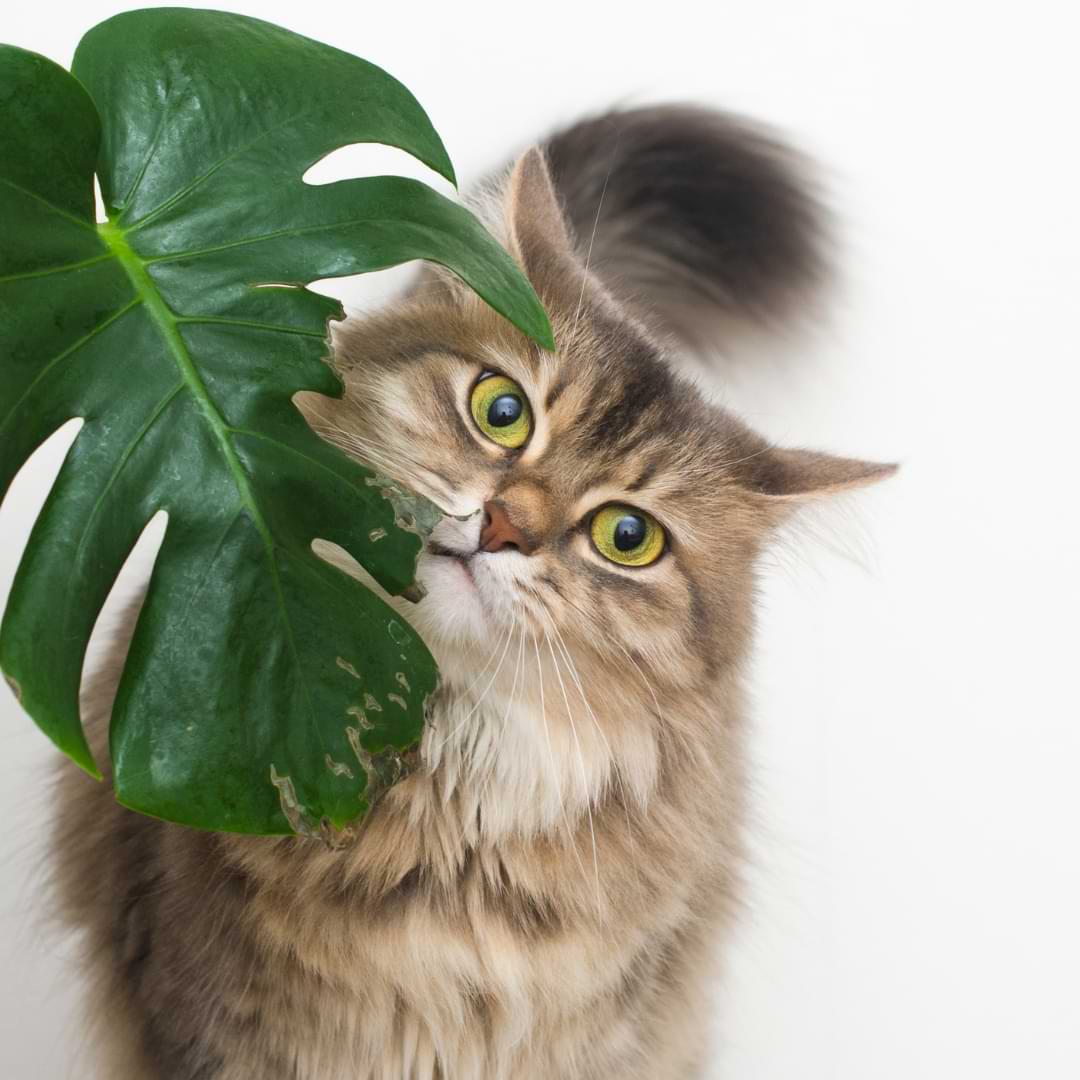
No, Monstera plants are toxic to pets. Ingestion can cause drooling, vomiting, and difficulty swallowing in pets.
Conclusion
Monstera plants can cause allergies in some people. Sensitive individuals might experience skin irritation or respiratory issues. Always handle with care. Wash hands after touching the plant. Monitor any allergic reactions closely. If symptoms appear, consult a doctor. Choose plants wisely for your home.
Consider potential allergies before bringing new plants inside. Your health is important. Enjoy your Monstera plant responsibly.