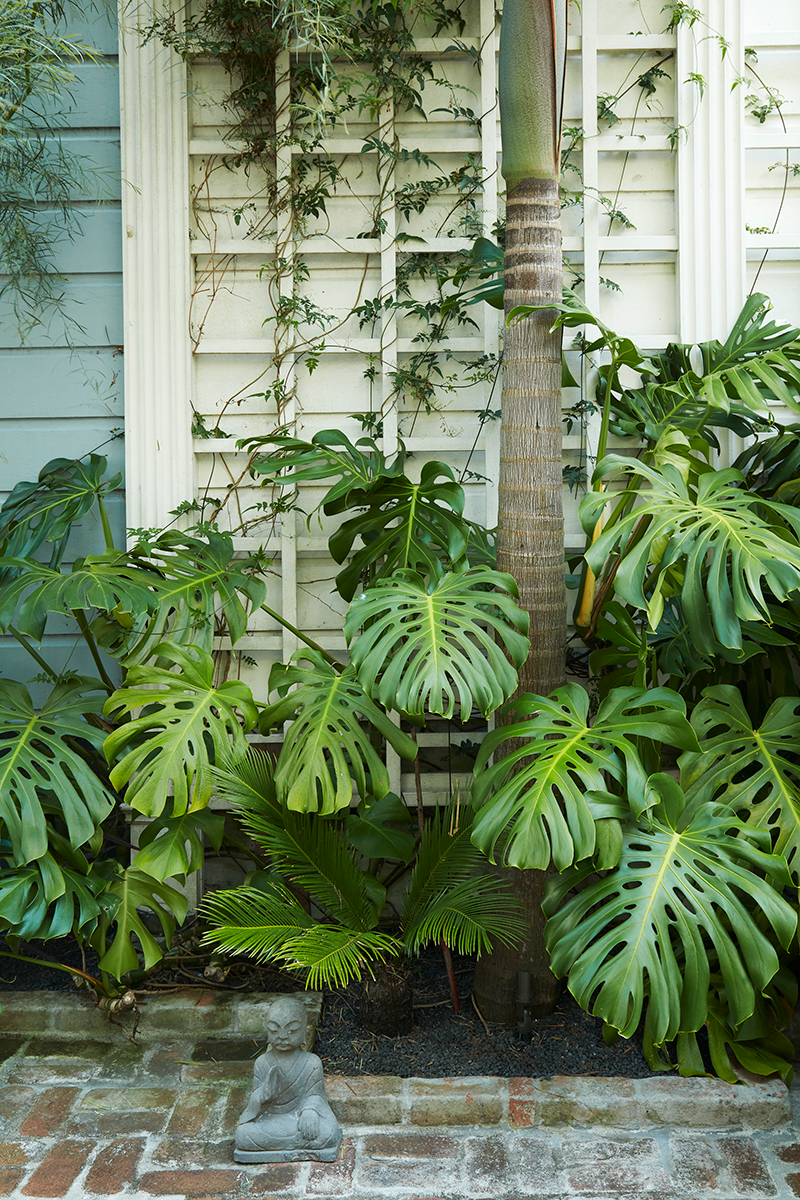
Yes, Monstera can grow outside under the right conditions. These tropical plants thrive in warm, humid environments.
They need some shade and protection from extreme weather. Monstera plants are native to the jungles of Central and South America. They love the outdoors, but only if the climate is suitable. In areas with mild winters and warm summers, they can flourish outside.
It is important to consider the plant’s needs, such as indirect sunlight and a well-draining soil. With the right care, Monstera can grow beautifully in your garden, adding a touch of the tropics to your outdoor space. Let’s explore how you can create the perfect outdoor environment for your Monstera plant.
Choosing The Right Climate
Can Monstera grow outside? Yes, but it needs the right climate. Understanding the ideal conditions is crucial for healthy growth. Let’s explore the essential factors like temperature and humidity.
Ideal Temperature Range
Monstera thrives in warm weather. The ideal temperature is between 65°F and 85°F. This range mimics its native tropical environment. Avoid exposing it to temperatures below 50°F. Cold weather can damage the plant.
Humidity Requirements
High humidity is essential for Monstera. It prefers humidity levels between 60% and 80%. Low humidity can lead to dry leaves. Using a humidifier or misting the leaves helps maintain the right moisture level.

Selecting The Perfect Location
Finding the right spot for your Monstera is crucial for its health. This plant thrives in specific conditions. Let’s explore how to select the perfect location for your Monstera to grow outside.
Sunlight Exposure
Monstera plants need the right amount of sunlight to flourish. They prefer bright, indirect light. Direct sunlight can harm the leaves. Too little light can stunt their growth.
Here are some tips to ensure your Monstera gets the right light:
- Place it under a tree for dappled sunlight.
- A shaded patio can also work well.
- Avoid placing it in full shade.
Wind Protection
Monstera plants are sensitive to strong winds. They can damage the leaves and stems. Provide a wind-protected spot for better growth.
Consider these options for wind protection:
- Place near a wall or fence.
- Use other plants as a windbreak.
- Consider planting in a corner of the garden.
These steps can help safeguard your Monstera from harsh winds.
Soil And Nutrient Needs
Monstera plants, also known as Swiss Cheese plants, are popular indoor plants. But they can thrive outside too. To ensure their success, you must understand their soil and nutrient needs. This section covers the essential aspects of soil composition and fertilizing tips to help your Monstera flourish outside.
Soil Composition
Monstera plants prefer well-draining soil. Good drainage is vital to prevent root rot. A mix of peat, perlite, and pine bark works well. This combination keeps the soil moist but not soggy. The ideal soil pH for Monstera is between 5.5 and 7.0. Slightly acidic to neutral soil helps the plant absorb nutrients effectively.
Consider adding organic matter to the soil. Compost or leaf mold can improve soil structure. These additions also provide essential nutrients. Ensure the soil is loose and not compacted. Loose soil allows roots to grow freely and access oxygen.
Fertilizing Tips
Fertilizing Monstera plants is crucial for healthy growth. Use a balanced, water-soluble fertilizer during the growing season. A 20-20-20 or 10-10-10 fertilizer is ideal. Apply the fertilizer every 4-6 weeks from spring to early autumn.
Follow these tips for effective fertilizing:
- Dilute the fertilizer: Mix it with water to avoid burning the roots.
- Apply to moist soil: Fertilize after watering the plant.
- Reduce frequency in winter: Fertilize less often during the plant’s dormant period.
Organic fertilizers are another option. Compost tea or fish emulsion can provide nutrients without chemicals. These options are eco-friendly and support soil health.
By understanding the soil and nutrient needs of Monstera plants, you can help them thrive outside. Proper soil composition and regular fertilizing ensure your plant grows strong and healthy.
Watering Guidelines
Watering Monstera plants outdoors requires careful attention. Proper hydration is key to healthy growth. Follow these guidelines to ensure your Monstera thrives outside.
Frequency Of Watering
Outdoor Monstera plants need consistent watering. Check the soil moisture regularly. Water the plant when the top inch feels dry. In summer, water more frequently. In cooler months, reduce watering. Avoid overwatering to prevent root rot.
Drainage Considerations
Proper drainage is crucial for Monstera plants. Ensure the soil drains well. Use a pot with drainage holes if planting in a container. Avoid waterlogged soil. Good drainage keeps the roots healthy and prevents disease.
Pruning And Maintenance
Monstera can thrive outdoors with proper pruning and maintenance. Regular trimming ensures healthy growth and prevents overcrowding. Keep an eye on pests and provide adequate sunlight for optimal growth.
Proper pruning and maintenance are crucial for healthy outdoor Monstera plants. Regular pruning helps in managing growth and keeping the plant healthy. It also encourages new growth and keeps the plant looking tidy.Trimming Techniques
Prune the Monstera using clean, sharp shears. Cut just above a leaf node or stem junction. This promotes new growth. Remove yellow or damaged leaves. These can drain energy from the plant. Trim long aerial roots if they become unruly. Keep the plant’s shape balanced by cutting overgrown sections.Dealing With Pests
Outdoor Monstera plants can attract pests like aphids and spider mites. Regularly inspect the leaves for signs of infestation. Use a gentle insecticidal soap or neem oil to treat affected areas. Ensure the plant has good air circulation to prevent pest buildup. Remove heavily infested leaves to stop the spread. Consistent monitoring helps maintain a healthy Monstera. “`
Seasonal Care
Seasonal Care is crucial for Monstera plants grown outdoors. Each season brings different challenges and requirements. Proper care ensures your plant thrives throughout the year.
Winter Protection
During winter, Monstera plants need extra protection from the cold. Temperatures below 50°F can harm them.
- Move the plant to a sheltered location.
- Use frost cloths to cover it on cold nights.
- Insulate the soil with mulch to retain warmth.
Check the plant for frost damage. Prune any affected leaves to prevent further issues.
Summer Care
Summer brings heat and strong sunlight. Monstera plants need proper hydration and sun protection.
- Water the plant regularly. Ensure the soil remains moist.
- Place the plant in partial shade to avoid direct sunlight.
- Mist the leaves to increase humidity around the plant.
Fertilize the plant during its growing season for optimal growth. Use a balanced fertilizer.
Common Issues And Solutions
Growing Monstera outside can be rewarding, but it comes with challenges. This section explores common issues and their solutions to help your Monstera thrive outdoors.
Yellowing Leaves
Yellowing leaves are a common problem for outdoor Monstera plants. This issue often arises due to overwatering, poor drainage, or nutrient deficiencies.
- Overwatering: Ensure the soil is well-draining. Allow the top inch of soil to dry before watering again.
- Poor Drainage: Use pots with drainage holes. Adding gravel at the bottom can also help.
- Nutrient Deficiencies: Fertilize monthly with a balanced, water-soluble fertilizer. Monitor for signs of improvement.
Root Rot Prevention
Root rot is a serious issue for Monstera plants. It often occurs due to prolonged exposure to waterlogged soil.
- Proper Watering: Water only when the top inch of soil is dry.
- Soil Choice: Use a well-draining potting mix. A mix of peat moss, perlite, and orchid bark is ideal.
- Pot Selection: Choose pots with good drainage. Avoid decorative pots without drainage holes.
If root rot is detected, remove the plant from the soil. Cut away affected roots and repot in fresh, dry soil.
| Issue | Solution |
|---|---|
| Yellowing Leaves | Adjust watering, improve drainage, and fertilize regularly. |
| Root Rot | Ensure proper watering, use well-draining soil, and repot if needed. |
Benefits Of Outdoor Growth
Growing a Monstera plant outside can bring many benefits. The plant thrives in the right outdoor conditions. This allows it to grow larger and healthier. Let’s explore some key benefits of outdoor growth for Monstera plants.
Enhanced Growth
Outdoor environments provide more space for Monstera plants. This helps them to spread their roots and grow bigger leaves. Natural sunlight is more abundant outside. This helps the plant produce more energy through photosynthesis. As a result, the plant grows faster and stronger.
Improved Air Quality
Monstera plants help to clean the air. They absorb pollutants and release oxygen. When grown outside, they can improve the air quality in your garden or patio. This makes the outdoor space healthier and more enjoyable. Fresh air and green surroundings can boost your mood and well-being.
Frequently Asked Questions
Can Monstera Grow Outdoors?
Yes, Monstera can grow outdoors in warm climates. Ensure it is in a shaded area with indirect sunlight.
What Climate Is Best For Outdoor Monstera?
Monstera thrives in tropical climates. It prefers temperatures between 65-85°F with high humidity.
How Much Light Does Outdoor Monstera Need?
Outdoor Monstera needs indirect sunlight. Direct sunlight can scorch its leaves, so provide partial shade.
Can Monstera Survive Winter Outside?
Monstera cannot survive freezing temperatures. Bring it indoors if temperatures drop below 50°F.
Conclusion
Monstera can thrive outdoors with proper care. Choose the right climate. Provide adequate shade and water. Protect from extreme conditions. Watch for pests and diseases. Healthy Monstera plants reward you with lush, beautiful leaves. Enjoy your outdoor garden!
Leave a Reply