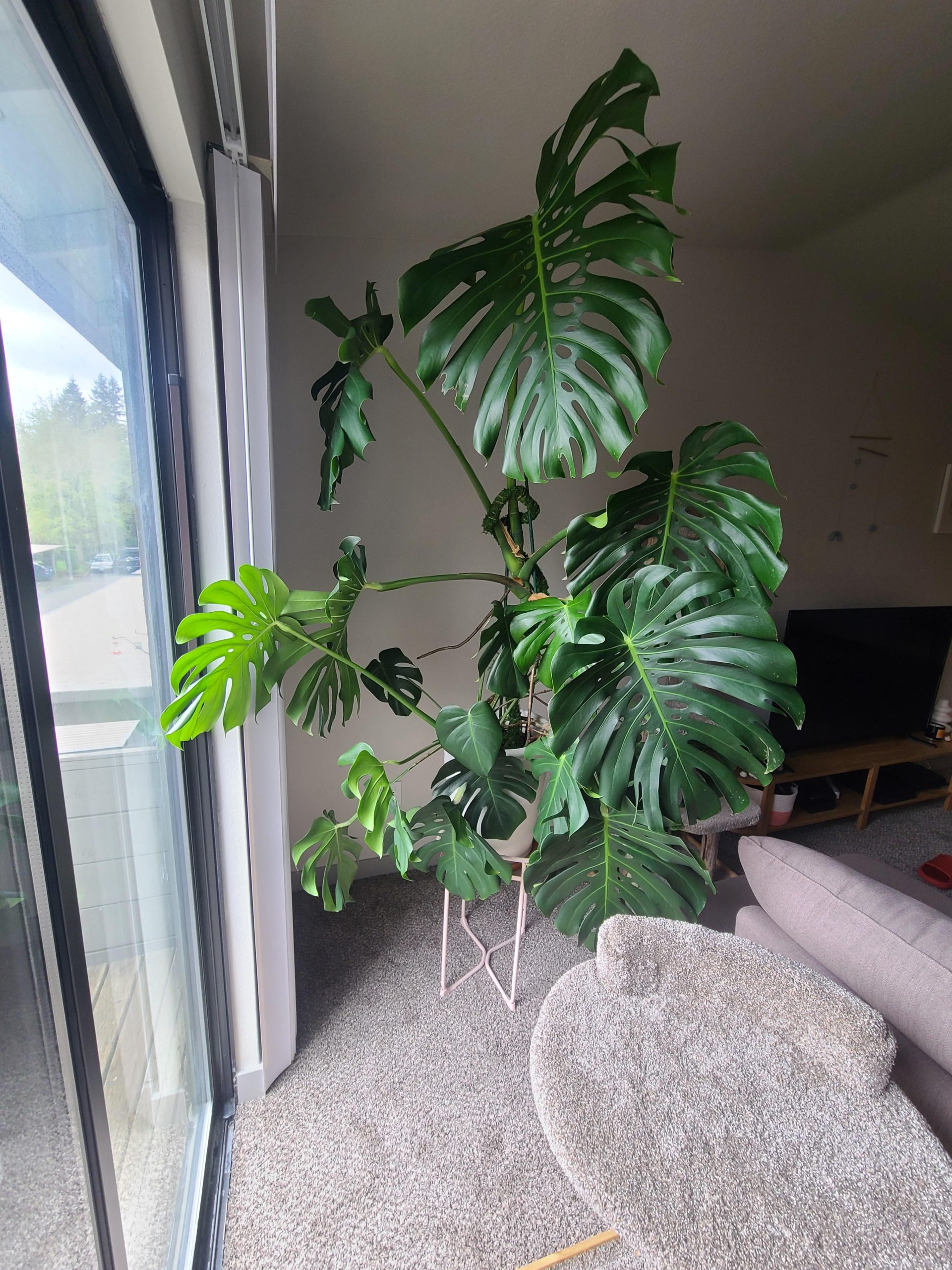
Yes, Monstera can grow in low light. But, it won’t thrive as it does in bright light.
This tropical plant adapts well to less-than-ideal conditions. Monstera plants, known for their large, unique leaves, are often found in homes. Many plant lovers wonder if these beauties can survive in low light. While Monstera can live in dim areas, their growth will be slower.
They may not develop the characteristic splits and holes in their leaves. Understanding the light needs of Monstera is essential. It helps in making the right choice for your indoor plant setup. In this blog, we will explore how Monstera copes with low light. We will also share tips to keep your plant healthy and happy in such conditions. Let’s dive in!
Monstera Plant Basics
The Monstera plant is a favorite among houseplant enthusiasts. Its unique, split leaves make it a standout addition to any home. But can Monstera grow in low light? Let’s start with the basics of this fascinating plant.
Origins And Characteristics
Monstera plants originate from the tropical rainforests of Central and South America. These plants thrive in warm, humid environments. They often grow under the canopy of larger trees. This means they are accustomed to low light conditions.
Monsteras are known for their large, glossy leaves. These leaves often have natural holes or splits, giving them a unique appearance. The plant can grow quite large, with leaves reaching up to 3 feet in width. Monsteras also have aerial roots, which help them climb trees in their native habitat.
Common Varieties
Several varieties of Monstera are popular among plant lovers. Below are some common types:
- Monstera Deliciosa: This is the most common variety. It has large, split leaves and can grow very large.
- Monstera Adansonii: Also known as the Swiss Cheese Plant. It has smaller leaves with more holes.
- Monstera Obliqua: This variety is rare and has very thin leaves with large holes.
Each variety has its unique charm, making Monstera a versatile plant for any indoor garden.
In the next sections, we will explore how these varieties fare in low light conditions. Stay tuned to learn more about caring for your Monstera in different light environments.

Light Requirements For Monstera
The Monstera plant, known for its unique split leaves, is a favorite among indoor gardeners. Understanding its light needs ensures your plant thrives.
Ideal Light Conditions
Monsteras flourish in bright, indirect light. They mimic their natural habitat, under the forest canopy. Direct sunlight can scorch their leaves. So, place them near windows with filtered light.
They can also do well with artificial light. Consider using LED grow lights for optimal growth. Ensure they get about 10-12 hours of light daily.
Can They Survive Low Light?
Monsteras can survive in low light. But, their growth may slow. Their leaves might become smaller and less split.
For a low light environment, place them in rooms with north-facing windows. Or, rooms without direct sunlight. They will adapt, but they won’t thrive as much.
Consider rotating the plant occasionally. This ensures all parts get some light.
Here’s a quick overview:
| Light Condition | Effect on Monstera |
|---|---|
| Bright, Indirect Light | Optimal growth, large leaves, more splits |
| Low Light | Slower growth, smaller leaves, fewer splits |
Regularly check your Monstera for signs of light stress. This helps maintain its health and beauty.
Adapting To Low Light
Monstera plants are known for their large, unique leaves. They thrive in bright, indirect sunlight. But can they adapt to low light conditions? The answer is yes. Monsteras can survive in low light, but they need special care.
Signs Of Low Light Stress
First, you need to recognize signs of low light stress. Your Monstera may show yellowing leaves. The leaves may also become smaller and have fewer splits. Slow growth is another indicator. If your plant looks leggy, it might be struggling with light.
Adjusting Light Levels
To help your Monstera, adjust its light levels gradually. Move the plant closer to a light source. If direct sunlight is too harsh, use sheer curtains. This will filter the light. Artificial lights can also help. Place a grow light near the plant. This will simulate natural sunlight.

Tips For Thriving In Low Light
Monstera plants are popular for their stunning leaves and low-maintenance nature. But can they thrive in low light? Yes, with the right care, Monstera can survive and even thrive in low light conditions. Here are some tips to help your Monstera flourish in low light environments.
Choosing The Right Spot
Place your Monstera near a north or east-facing window. These spots get indirect light, which is less intense. Avoid direct sunlight, as it can scorch the leaves. If your room lacks windows, put the plant near a source of ambient light. Ensure the spot is away from drafts and heaters.
Supplemental Lighting Options
Consider using grow lights to provide extra light. LED grow lights are energy-efficient and mimic natural sunlight. Position the light 12-18 inches above the plant. Use a timer to give your Monstera 12-14 hours of light daily. Fluorescent lights can also work well. They are affordable and provide adequate light for growth.
Watering And Humidity
Monstera plants are popular for their striking leaves and easy care. Yet, proper watering and humidity are crucial for their growth, especially in low light conditions. Ensuring the right balance of moisture can make a big difference in the health of your plant.
Proper Watering Techniques
Monstera plants need consistent watering but do not like soggy soil. Water your Monstera once the top inch of soil feels dry. Stick your finger in the soil to check. If it’s dry, water thoroughly until it drains out the bottom. Avoid letting the plant sit in water. This can cause root rot.
Using room temperature water is best. Cold water can shock the roots. Ensure your pot has good drainage to prevent waterlogging. An important tip is to water less frequently in low light. The soil will dry out slower without direct sunlight.
Maintaining Humidity
Monstera plants love humidity. Aim for 60% humidity or higher. In a dry room, use a humidifier to increase moisture. Placing a tray of water near the plant can also help. Grouping plants together can create a mini humid environment. Misting the leaves with water can add temporary moisture.
Avoid placing your Monstera near heating vents or air conditioners. These can dry the air quickly. Keeping the plant in a bathroom or kitchen, where humidity is naturally higher, can be beneficial. Regularly check the humidity levels using a hygrometer.
Soil And Fertilization
Proper soil and fertilization are crucial for Monstera plants, especially in low light. The right soil mix and fertilizers ensure healthy growth. Let’s explore the best options for soil and fertilization.
Best Soil Mixes
A well-draining soil mix is essential for Monstera. This plant prefers a balance of moisture and aeration. Here are some suitable soil mixes:
- Peat-based mix: Retains moisture without waterlogging.
- Perlite: Enhances drainage and aeration.
- Bark: Provides structure and helps aerate roots.
A good soil mix can be made by combining:
- One part peat moss.
- One part perlite.
- One part orchid bark.
Fertilizer Recommendations
Fertilization supports Monstera’s growth in low light. Use a balanced, water-soluble fertilizer. Here are some recommendations:
- 10-10-10 formula: Equal parts nitrogen, phosphorus, and potassium.
- Liquid fertilizer: Easy to apply and absorb.
- Slow-release granules: Provide steady nutrients over time.
Fertilize your Monstera every 4-6 weeks during the growing season. Reduce frequency in winter when growth slows.
Pruning And Maintenance
Pruning and maintaining a Monstera plant is essential for its health. Although Monstera can grow in low light, it needs regular care. Pruning helps control its size and shape. Regular maintenance keeps the plant happy and thriving.
Pruning Techniques
Prune Monstera with clean, sharp shears. Cut just above a leaf node. Remove yellow or damaged leaves. Trim any leggy growth to encourage bushier growth. Always sterilize tools before and after use. This prevents disease spread. Follow these steps to keep your Monstera healthy.
Routine Care Tips
Water your Monstera when the top inch of soil is dry. Avoid overwatering. It can cause root rot. Wipe the leaves with a damp cloth. This removes dust and allows the plant to breathe. Rotate the plant every few weeks. This ensures even growth. Check for pests regularly. Early detection keeps your plant safe.
Common Problems And Solutions
Growing a Monstera plant in low light can be challenging. The plant may encounter several issues. Below are some common problems and solutions to help you keep your Monstera healthy.
Pest Control
Pests can be a big problem for Monstera plants. Spider mites and mealybugs are common. To control pests, follow these steps:
- Inspect your plant regularly. Look for small insects on leaves and stems.
- Use a damp cloth to wipe leaves. This removes visible pests.
- Apply insecticidal soap. Spray it on the affected areas.
- Introduce natural predators. Ladybugs can help control pests.
- Keep the plant clean. Remove dead leaves and debris.
Maintaining a clean environment reduces pest problems. Make sure to isolate affected plants to prevent spreading.
Dealing With Yellow Leaves
Yellow leaves are a common issue in low light. They can indicate several problems:
| Problem | Solution |
|---|---|
| Overwatering | Water less frequently. Allow soil to dry out between waterings. |
| Underwatering | Water the plant thoroughly. Check soil moisture regularly. |
| Low light | Move plant to a brighter spot. Use grow lights if necessary. |
| Nutrient deficiency | Fertilize the plant. Use a balanced, water-soluble fertilizer. |
Check the plant’s environment and adjust care routines. This helps prevent yellow leaves.
Frequently Asked Questions
Can Monstera Survive In Low Light?
Yes, Monstera can survive in low light conditions. However, it may grow slower and produce smaller leaves. Providing indirect light will help it thrive.
How Often Should I Water Monstera In Low Light?
Water Monstera every 1-2 weeks in low light. Ensure the soil is dry before watering. Overwatering can cause root rot.
Does Monstera Need Sunlight?
Monstera prefers indirect sunlight but can tolerate low light. Avoid direct sunlight as it can burn the leaves.
What Are The Signs Of Low Light Stress In Monstera?
Signs of low light stress include yellowing leaves, slow growth, and leggy stems. Move the plant to a brighter spot if these occur.
Conclusion
Monstera can thrive in low light with some care. Keep the soil moist. Rotate the plant for even light exposure. Prune yellow leaves to encourage growth. Use a well-draining pot. Consider artificial light in very dark spaces. Your Monstera can survive and grow with patience and attention.
Happy gardening!
Leave a Reply