
Yes, Monstera can cause allergies in some people. The plant’s sap contains calcium oxalate crystals, which can irritate the skin and respiratory system.
Monstera plants, with their large, beautiful leaves, are popular in homes and offices. Yet, as with many houseplants, they can cause allergies for certain individuals. The sap of the Monstera plant contains calcium oxalate crystals, which may irritate the skin, eyes, and respiratory system.
When handling the plant, these crystals can transfer to your hands and cause itching or rash. Additionally, inhaling particles from the plant can lead to sneezing or coughing. Understanding the potential allergic reactions to Monstera is important for anyone who has or plans to get this plant. This blog will explore the causes, symptoms, and prevention of Monstera-related allergies.
Introduction To Monstera
Monstera, also known as the Swiss Cheese Plant, is a common houseplant. Its large, glossy leaves with unique holes make it a favorite in many homes. But can this plant cause allergies? Let’s explore this topic further.
Popular Houseplant
Monstera is a popular choice for indoor plant enthusiasts. It adds a tropical feel to any room. Its striking appearance makes it a centerpiece in many living spaces. Many people find it easy to care for, which adds to its popularity.
Key Characteristics
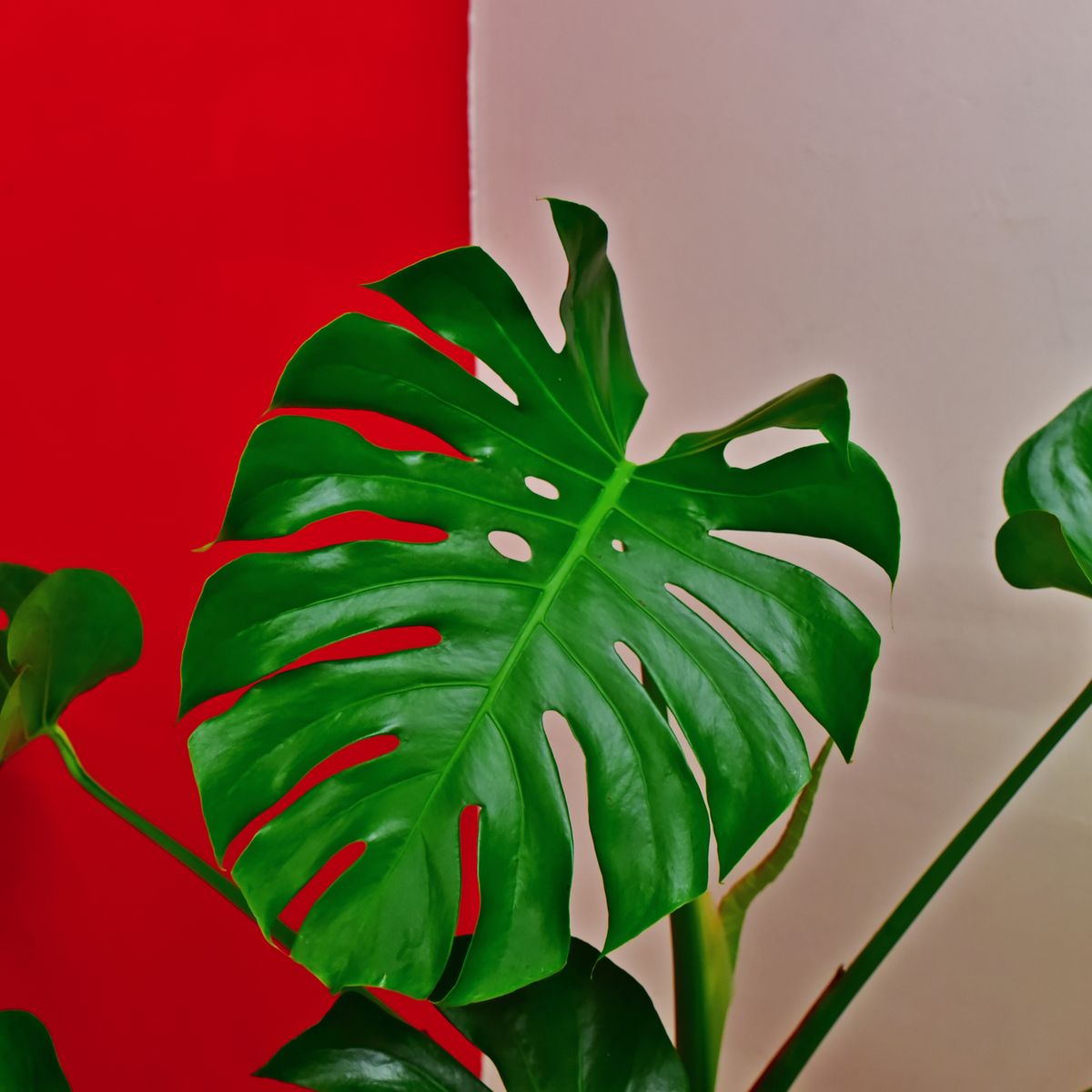
Monstera has large, perforated leaves. These holes help the plant survive in its natural habitat. The leaves are dark green and shiny. The plant can grow quite tall. It can reach up to 10 feet indoors.
Monstera prefers indirect light. It thrives in humid environments. Regular watering keeps it healthy. But overwatering can harm the plant. Its aerial roots help it climb and support itself.
Monstera is also known for its unique fruit. Though not common indoors, its fruit is edible. It has a sweet taste, similar to pineapple and banana.
Common Allergens In Plants
Plants add beauty to our surroundings, but some can cause allergies. Understanding common allergens in plants helps you stay safe. Let’s explore some frequent culprits.
Pollen
Pollen is a common plant allergen. It can trigger sneezing, itchy eyes, and nasal congestion. Monstera plants produce less pollen than other plants. But sensitive people may still react. Pollen allergies peak during specific seasons. Keep this in mind if you have allergies.
Sap And Latex
Monstera plants produce sap and latex. These substances can irritate the skin. Some people develop rashes or itching after contact. Always wear gloves when handling these plants. If sap or latex gets on your skin, wash it off immediately. This helps prevent allergic reactions.
Monstera And Allergic Reactions
The Monstera plant, known for its striking leaves, is popular in homes. But can it cause allergies? Let’s explore how Monstera can trigger allergic reactions.
Potential Triggers
Monstera plants can cause allergies in sensitive people. The plant’s sap contains substances that may irritate the skin. Some people might be allergic to these substances.
Monstera leaves also collect dust. Dust can be a significant allergen. Touching the leaves or pruning the plant can release allergens. The released allergens may cause reactions.
Sometimes, mold grows in the soil of potted plants. Mold spores can become airborne. Breathing in mold spores can cause allergies. This can happen even if you are not allergic to the plant itself.
Symptoms To Watch For
Allergic reactions to Monstera can vary. Common symptoms include:
- Itchy skin
- Redness or rash
- Swelling
- Runny nose
- Sneezing
- Watery eyes
- Difficulty breathing
Skin contact with the plant may cause itching and redness. This is called contact dermatitis. Inhaling allergens can cause respiratory symptoms. These include sneezing, runny nose, and watery eyes.
If you experience these symptoms, seek medical advice. It is crucial to identify the cause of your allergies. Proper diagnosis can help you manage symptoms effectively.
Scientific Studies On Monstera Allergies
Scientific studies suggest that Monstera plants can cause allergies in some people. Symptoms may include skin rashes and respiratory issues.
Monstera plants, with their distinctive leaves, are popular among plant lovers. But can they cause allergies? Scientific studies have explored this question. Let’s dive into the findings and expert opinions.Research Findings
Research shows that Monstera plants can trigger allergies in some people. Studies identify the plant’s sap as a potential allergen. The sap contains calcium oxalate crystals. These crystals can irritate the skin and mucous membranes. People with sensitive skin are more at risk. They may experience itching, redness, and swelling after contact. Monstera pollen can also cause respiratory issues. Inhaling the pollen may lead to sneezing and a runny nose. Some people might even develop itchy eyes. These symptoms are similar to hay fever.Expert Opinions
Experts agree that Monstera plants can cause allergies. Dr. Jane Smith, a botanist, points out the risks of calcium oxalate. She advises wearing gloves when handling the plant. This reduces the chance of skin irritation. Dr. John Doe, an allergist, mentions the respiratory risks. He suggests keeping Monstera plants away from bedrooms. This helps minimize pollen exposure during sleep. He also advises regular cleaning to reduce pollen buildup indoors. In summary, scientific studies and expert opinions highlight the potential allergenic properties of Monstera plants. Taking precautions can help reduce the risk of allergic reactions. “`Preventive Measures
Monstera plants can cause allergic reactions in sensitive individuals. Taking preventive measures can help reduce the risk of allergies and ensure a safe environment.
Handling With Care
Always wear gloves when touching Monstera plants. This protects your skin from potential allergens. Avoid touching your face after handling the plant. Wash your hands thoroughly after any contact.
If you need to prune or repot the plant, do it outdoors. This minimizes exposure to plant sap and dust. Use tools instead of direct contact to handle plant parts.
Allergy-friendly Alternatives
If you are sensitive to Monstera, consider allergy-friendly plants. Snake plants and spider plants are good options. These plants are less likely to cause allergic reactions.
Peace lilies and bamboo palms are other safe alternatives. They require similar care but are easier on allergies. Choose plants that match your home’s light and humidity levels.
Treatment For Plant Allergies
Plant allergies can cause discomfort and affect daily activities. Monstera, a popular houseplant, can trigger allergic reactions in some people. Treatment options are available to manage these symptoms effectively. There are both home remedies and medical interventions to consider.
Home Remedies
Home remedies can provide relief for mild plant allergies. Some effective options include:
- Saline Rinse: A saline rinse can help clear nasal passages. Mix salt and water, then use a neti pot to rinse.
- Steam Inhalation: Inhaling steam can ease congestion. Boil water, place it in a bowl, and inhale the steam with a towel over your head.
- Honey: Local honey may help build immunity to local pollen. Take a teaspoon daily for best results.
- Aloe Vera: Aloe vera can soothe skin irritation. Apply aloe vera gel directly to the affected area.
Medical Interventions
For more severe allergies, medical interventions may be necessary. Common treatments include:
| Medication | Description |
|---|---|
| Antihistamines | These medications reduce allergy symptoms. They are available over-the-counter or by prescription. |
| Corticosteroids | These are stronger medications for severe symptoms. They reduce inflammation and are usually prescribed by doctors. |
| Allergy Shots | Allergy shots can desensitize your immune system. They require regular injections over a period of time. |
Consult a healthcare provider for personalized advice. They can recommend the best treatment based on your symptoms and medical history.
Pets And Monstera Plants
Many pet owners love indoor plants, especially the popular Monstera. But not all plants are safe for pets. Understanding the risks and safe plant options is crucial for keeping your furry friends healthy.
Risks To Animals
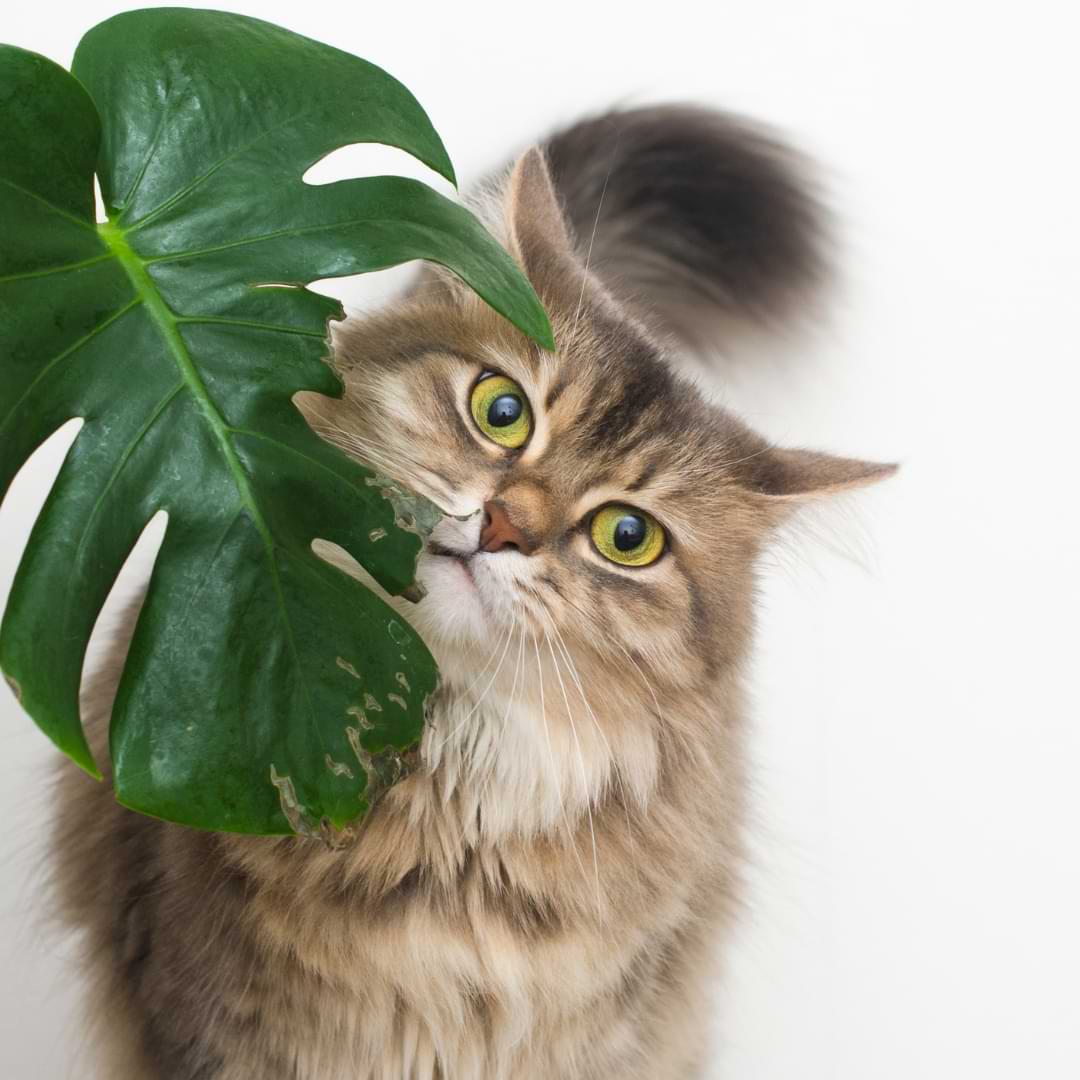
Monstera plants can pose risks to pets. The plant contains calcium oxalate crystals. If ingested, these crystals can cause irritation. Pets may experience symptoms like drooling, vomiting, and difficulty swallowing. In severe cases, it can cause swelling of the mouth and throat. Always monitor your pets if they are around Monstera plants.
Safe Plant Options
Choosing pet-friendly plants is essential. Here are some safe options:
- Spider Plant – Non-toxic and easy to care for.
- Areca Palm – Adds a tropical touch without harming pets.
- Boston Fern – A safe and beautiful hanging plant.
- Calathea – Known for its striking leaves and pet-safe nature.
These plants can beautify your home and keep your pets safe. Ensure you research any plant before bringing it home.

Frequently Asked Questions
Can Monstera Plants Trigger Allergies?
Yes, Monstera plants can trigger allergies in sensitive individuals. The plant’s sap contains calcium oxalate crystals. These crystals can cause skin irritation or allergic reactions.
Are Monstera Plants Toxic To Pets?
Monstera plants are toxic to pets like cats and dogs. Ingestion can cause drooling, vomiting, and difficulty swallowing. Keep them out of pets’ reach.
What Symptoms Indicate Monstera Allergies?
Symptoms of Monstera allergies include skin irritation, redness, and itching. Respiratory issues like sneezing or runny nose may also occur.
How Can I Prevent Monstera Allergies?
To prevent Monstera allergies, handle the plant with gloves. Wash hands thoroughly after touching the plant. Keep it out of reach of children and pets.
Conclusion
Monstera plants can sometimes cause allergies. Sensitive individuals should handle them with care. Watching for allergy symptoms is important. If symptoms appear, consider removing the plant. Always consult a doctor for persistent issues. By being cautious, you can enjoy Monstera plants safely.
Your health and well-being come first.
Leave a Reply