Yes, Monstera plants can be propagated. This means you can grow new plants from a part of an existing Monstera.
It’s a rewarding process that many plant lovers enjoy. Monstera, also known as the Swiss cheese plant, is a popular houseplant. It’s loved for its beautiful, unique leaves. Propagating Monstera is not only a great way to expand your plant collection, but it’s also a fun and easy project.
Whether you’re a beginner or an experienced gardener, you can successfully propagate this plant. In this blog post, we will explore the steps and methods to propagate Monstera. By the end, you’ll be ready to try it yourself and enjoy the satisfaction of growing new plants from cuttings.
Introduction To Monstera Propagation
Monstera plants, with their unique leaves, are a favorite among plant lovers. Propagating Monstera is a rewarding way to expand your collection. This process is simple and allows you to enjoy more of these lush plants in your home.
Benefits Of Propagation
Propagating Monstera offers several advantages. Firstly, it saves money. You can grow new plants without buying them. Secondly, it’s a fun and educational activity. Watching new roots and leaves develop is exciting.
Lastly, propagated plants make great gifts. Friends and family will love a new plant grown by you. It’s a thoughtful and personal present.
Ideal Conditions
For successful Monstera propagation, create the right environment. Start with a healthy parent plant. Good lighting is essential. Place the plant in a spot with bright, indirect light.
Temperature also matters. Monstera plants thrive in warmth. Keep the temperature between 65 and 85 degrees Fahrenheit. Humidity helps, too. Aim for a humidity level of 60% or higher.
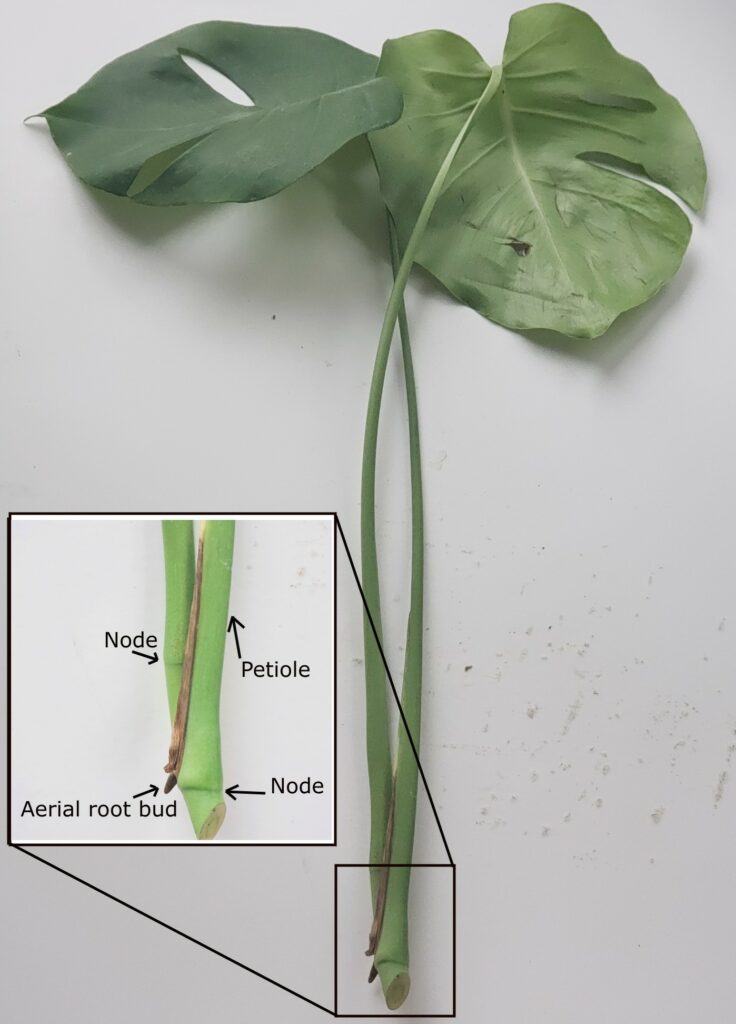
Use clean tools to take cuttings. This prevents disease. A sharp knife or shears works well. Ensure the cutting has a node. This is where new roots will form.
Place the cutting in water or soil. Both methods work. If using water, change it regularly. This keeps it fresh and oxygenated. If planting in soil, use well-draining potting mix.
With proper care, your Monstera cutting will root and grow. Soon, you’ll have a thriving new plant.

Necessary Tools And Materials
Propagating a Monstera plant can be a rewarding experience. To get started, gather the right tools and materials. This ensures a successful propagation process.
Gathering Supplies
First, collect a pair of clean scissors or pruning shears. These tools help you make precise cuts. Clean blades prevent infections.
Next, you’ll need a glass or jar for water. This container holds the cuttings. Ensure it is transparent to monitor root growth.
Have a small amount of rooting hormone ready. This aids in faster root development. Not essential, but beneficial.
Prepare a pot with fresh potting mix. This is for planting rooted cuttings later. Make sure the pot has drainage holes.
Choosing Healthy Cuttings
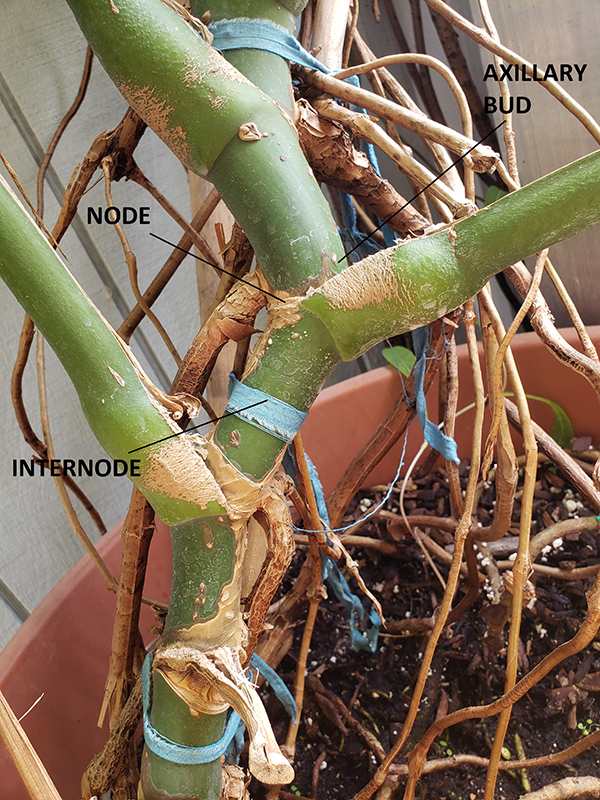
Pick a healthy Monstera plant. Look for a stem with at least one node. A node is where roots will grow.
Choose a cutting with a few leaves. Avoid damaged or yellow leaves. Healthy leaves indicate a strong cutting.
Ensure the cutting is 4-6 inches long. This length allows for better growth. Shorter cuttings might struggle.
Check for pests. Ensure the cutting is pest-free. Pests can hinder propagation success.
Preparing The Cuttings
Monstera can be propagated by preparing cuttings properly. Cut a stem with a node and one or two leaves. Place it in water or soil to encourage root growth.
Propagating Monstera can be a fun and rewarding process. Start with preparing the cuttings properly. Ensuring healthy cuttings is crucial for successful propagation.Selecting The Node
First, find a healthy Monstera plant. Look for a stem with at least one node. Nodes are small bumps on the stem. They are where leaves and roots grow. A good cutting will have at least one node. Choose a stem with a few leaves. This helps the new plant get energy from sunlight. Avoid damaged or diseased stems. Healthy stems increase the chances of successful propagation.Making The Cut
Use clean, sharp scissors or a knife. This prevents damaging the plant. Make a clean cut just below the node. Ensure the cutting is about 4-6 inches long. This length is ideal for rooting. Remove any leaves near the bottom of the cutting. This helps the cutting focus on root growth. Place the cutting in water or soil. Both methods can work for Monstera propagation. Keep the cutting in a warm, bright spot. Avoid direct sunlight. Change the water every few days if using the water method. In soil, keep the soil moist but not soggy. Watch for roots to start growing. These steps help ensure your Monstera cuttings grow strong and healthy. “`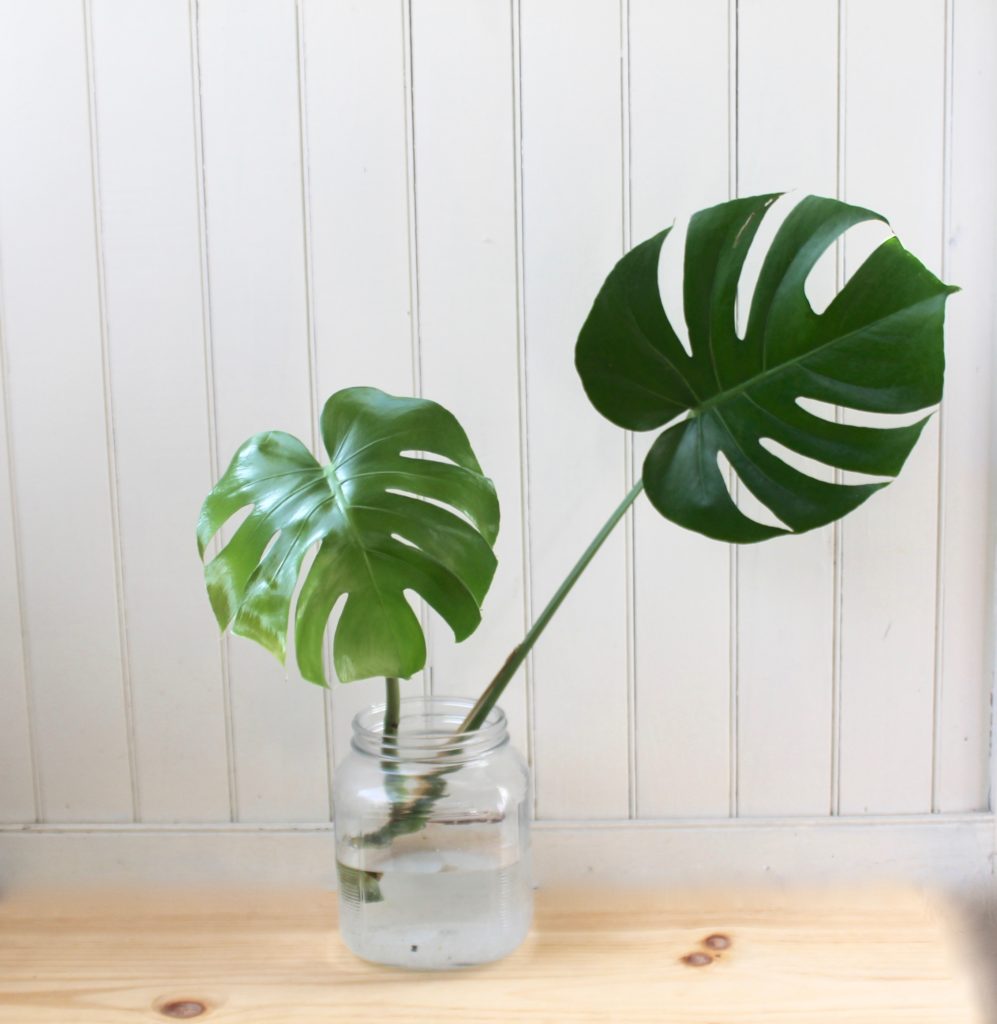
Rooting In Water
Rooting Monstera cuttings in water is a simple and effective method. This approach allows you to watch the roots develop before planting. It’s also a great way to ensure the cuttings are healthy and viable.
Setting Up The Container
Start with a clean glass or jar. Fill it with room temperature water. Ensure the container is tall enough to support the cutting. The cutting should remain upright and stable.
Next, take a Monstera cutting with at least one node. Place the node in the water. Make sure the leaves are not submerged. Only the node and lower stem should be in the water.
Position the container in a spot with indirect sunlight. Direct sunlight can be too harsh. The right amount of light encourages healthy root growth.
Monitoring Root Development
Check the water level regularly. Add water as needed to keep the node submerged. Change the water every few days to prevent bacteria build-up.
Watch the cutting for signs of root growth. Roots typically appear within a few weeks. They start as small, white nubs. These will grow longer and thicker over time.
Once the roots are about 2-4 inches long, the cutting is ready to plant. Healthy roots should be white and firm. If the roots appear brown or mushy, discard the cutting.
Rooting In Soil
Monstera plants are popular for their unique and beautiful leaves. Propagating them can be a rewarding experience. Rooting Monstera cuttings in soil is a straightforward method. This method ensures strong and healthy root development. Follow these steps to root your Monstera cutting in soil.
Preparing The Soil Mix
Start with a well-draining soil mix. Monstera plants do not like sitting in water. Too much moisture can lead to root rot. A good mix includes peat, perlite, and orchid bark. This combination provides proper aeration and drainage. You can find ready-made mixes in garden stores.
Moisten the soil mix before use. It should be damp but not soggy. Fill a pot with the prepared soil, leaving space for the cutting. A pot with drainage holes is ideal. It helps excess water escape.
Planting The Cutting
Choose a healthy Monstera cutting. It should have at least one node and a few leaves. Nodes are the points where roots will grow. Cut below a node using clean, sharp scissors.
Make a small hole in the soil with your finger. Insert the cutting into the hole. Ensure the node is buried in the soil. Gently press the soil around the cutting to secure it.
Water the cutting lightly to settle the soil. Place the pot in a warm, bright area. Avoid direct sunlight, as it can harm the cutting. Keep the soil moist but not wet. Roots should develop in a few weeks.
Caring For New Plants
Once you have successfully propagated your Monstera plant, the next step is to ensure proper care for your new plants. This involves providing the right amount of water, light, and addressing any common issues that may arise. Let’s dive into the essential care tips for your new Monstera plants.
Watering And Light Requirements
Monstera plants thrive in environments that mimic their natural habitat. Here are some key points to consider:
- Watering: Keep the soil consistently moist but not waterlogged. Water once the top inch of soil feels dry. Avoid letting the plant sit in water.
- Light: Place your Monstera in bright, indirect light. Direct sunlight can scorch the leaves. Low light can slow down growth.
Using a well-draining potting mix can help regulate moisture levels. Ensure your pot has drainage holes to prevent root rot.
Common Issues And Solutions
Even with the best care, Monstera plants can face some common issues. Here’s a table to help you identify and solve these problems:
| Issue | Symptoms | Solution |
|---|---|---|
| Yellow Leaves | Overwatering or insufficient light | Check soil moisture. Adjust watering and light levels. |
| Brown Leaf Tips | Low humidity or underwatering | Increase humidity. Water more frequently. |
| Pests | Presence of insects like spider mites | Wipe leaves with soapy water. Use insecticidal soap. |
By keeping an eye on these common issues, you can ensure your new Monstera plants remain healthy and vibrant.
Transplanting And Potting
Transplanting and potting your Monstera is a crucial step in propagation. It ensures your plant has the right environment to grow. Proper potting techniques can greatly impact the health of your Monstera. This section will guide you through choosing the right pot and effective transplanting techniques.
Choosing The Right Pot
Choosing the right pot is essential for your Monstera’s growth. Size matters. A pot that is too small can restrict root growth. A pot that is too large can lead to overwatering. Aim for a pot that is 2-4 inches larger in diameter than the root ball.
Material also matters. Terra cotta pots are breathable and prevent root rot. Plastic pots retain moisture longer and are lighter. Choose based on your watering habits. Ensure the pot has drainage holes to prevent waterlogging.
Here’s a comparison table for quick reference:
| Pot Type | Benefits | Drawbacks |
|---|---|---|
| Terra Cotta | Breathable, prevents root rot | Heavier, can dry out quickly |
| Plastic | Retains moisture, lighter | Less breathable, potential for root rot |
Transplanting Techniques
Prepare your Monstera. Water it a day before transplanting. This makes the roots more pliable. Gently remove the plant from its current pot. If it resists, tap the pot’s sides to loosen the soil.
Inspect the roots. Trim any dead or rotting roots with clean scissors. This encourages healthy growth. Place the plant in the new pot. Fill the pot with fresh soil, ensuring the root ball is covered.
Water thoroughly. After transplanting, water the Monstera thoroughly. This helps settle the soil and eliminate air pockets. Place the pot in a spot with indirect sunlight.
Monitor the plant. Keep an eye on your Monstera for the first few weeks. Ensure it is adjusting well to its new home.
- Water regularly but avoid overwatering.
- Check for signs of stress like yellowing leaves.
- Adjust light exposure if needed.
Transplanting and potting your Monstera properly will set it up for healthy growth. Happy planting!
Long-term Maintenance
Long-term maintenance is crucial for the health and beauty of your Monstera. Proper care ensures your plant thrives for years. This includes regular pruning, training, and feeding.
Pruning And Training
Pruning helps Monstera maintain its shape and promotes healthy growth. Use clean, sharp scissors to cut away any dead or yellowing leaves. Trim long stems to keep the plant compact and tidy.
Training involves guiding the plant’s growth. Use stakes or trellises to support its climbing habit. Tie the stems gently to these supports, encouraging upward growth. This keeps the plant from sprawling and makes it look neat.
Fertilizing And Feeding
Monstera plants benefit from regular feeding. Use a balanced, water-soluble fertilizer every month during the growing season. Dilute the fertilizer to half strength to avoid burning the roots.
In winter, reduce feeding to once every two months. This matches the plant’s slower growth rate. Always water the plant well before and after feeding to help the nutrients spread evenly.
Frequently Asked Questions
What Is Monstera Propagation?
Monstera propagation is the process of growing new plants from a mother plant. It can be done using stem cuttings or air layering.
Can You Propagate Monstera In Water?
Yes, you can propagate Monstera in water. Simply place a stem cutting with a node into water. Roots will develop in a few weeks.
How Long Does Monstera Take To Root?
Monstera cuttings usually take 2-4 weeks to develop roots. The rooting time depends on the environment and care.
Do You Need Rooting Hormone For Monstera?
Rooting hormone is not necessary for Monstera propagation. However, it can speed up the rooting process and increase success rates.
Conclusion
Propagating Monstera is simple and rewarding. Start with a healthy stem cutting. Ensure it has at least one node. Place it in water or soil. Keep it in bright, indirect light. Patience is key; roots will develop in weeks. Once rooted, transfer to a pot.
Enjoy your new plant! Monstera propagation is a great way to expand your collection. Happy gardening!
Leave a Reply