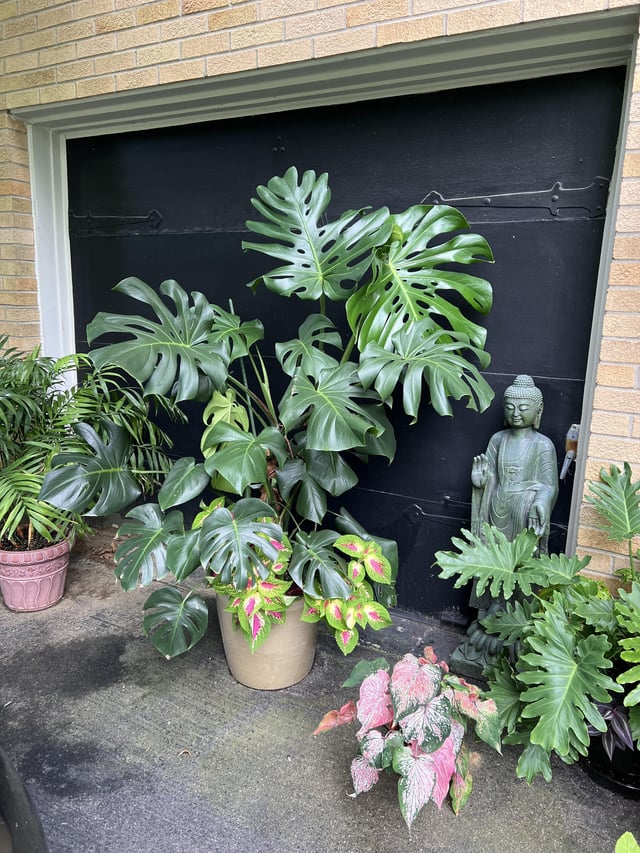
Yes, Monsteras can be outside in summer. They thrive in warm weather.
However, there are specific conditions to consider. Monstera plants, also known as Swiss Cheese Plants, are popular for their unique leaves. These tropical beauties often grace our indoor spaces with their lush, vibrant foliage. But as the warm summer months approach, plant owners may wonder if these indoor plants can enjoy some time outside.
Placing your Monstera outside can benefit the plant by providing fresh air, natural light, and increased humidity. But, there are important factors to keep in mind to ensure your Monstera stays healthy and happy. From the right amount of sunlight to protection from pests, the following tips will help you make the most of summer for your Monstera.
Introduction To Monstera Plants
Monstera plants are a favorite among plant lovers. Known for their stunning, split leaves, they make a bold statement in any space. Many wonder if these tropical beauties can thrive outside during summer. Before exploring that, let’s first understand what makes Monstera plants so special.
Origins And Characteristics
Monstera plants come from the tropical rainforests of Central and South America. They thrive in humid and warm climates. The unique, split leaves help the plant survive in dense forests. These leaves allow light to pass through to lower leaves.
Monstera plants are part of the Araceae family. They are known for their climbing nature. With aerial roots, they can attach to trees and other structures. This helps them reach sunlight.
Popular Varieties
There are several popular Monstera varieties. Each has its own charm. The Monstera Deliciosa is the most common. It is famous for its large, hole-filled leaves. This variety can grow quite large and is ideal for spacious areas.
The Monstera Adansonii, also known as the Swiss Cheese Plant, is another favorite. It has smaller leaves with more holes. This variety is great for smaller spaces.
Monstera Variegata is a rare and sought-after variety. It has striking white patterns on its leaves. These patterns make each leaf unique.
Benefits Of Keeping Monstera Outdoors
Monstera plants are known for their large, beautiful leaves. During summer, placing them outside can offer many benefits. Let’s explore why your Monstera could thrive outdoors.
Enhanced Growth
Monstera plants often grow faster outdoors. The natural elements provide a more stimulating environment.
Consider how rainwater and fresh air contribute to growth:
- Rainwater: Contains essential nutrients.
- Fresh Air: Helps with oxygen exchange and overall health.
Outdoors, Monsteras can spread their roots more freely. This leads to stronger and healthier plants.
Natural Light Exposure
Natural light is crucial for Monstera plants. Indoor lighting can’t match the sun’s intensity.
Benefits of natural light exposure include:
- Improved Photosynthesis: Plants make more food.
- Better Leaf Development: Larger and more vibrant leaves.
Place your Monstera in a shaded area. Direct sunlight can burn the leaves. Morning sun or filtered light works best.
Outdoor light helps Monstera plants grow more evenly. They become lush and full.
Overall, keeping your Monstera outside during summer can lead to enhanced growth and healthier leaves. Give it a try and see the difference!
Ideal Outdoor Conditions
Monsteras are beautiful indoor plants. Many people wonder if they can thrive outside in summer. Understanding the ideal outdoor conditions helps ensure their health and growth.
Temperature Requirements
Monsteras prefer warm temperatures. The ideal range is 65-85°F (18-29°C). Avoid exposing them to temperatures below 50°F (10°C). Sudden temperature drops can harm the plant. Place them in a shaded or partially shaded area. This helps prevent sunburn.
Humidity Levels
Monsteras thrive in high humidity. Aim for a humidity level of 60% or higher. Outdoor air can be dry. Use a humidity gauge to monitor levels. You can mist the plant occasionally. This helps maintain moisture. Grouping plants together can also increase humidity. Ensure proper air circulation to prevent mold.
Choosing The Right Location
Choosing the right location for your Monstera outside is crucial. The plant thrives when placed in an ideal spot. Below are some key considerations to help ensure your Monstera flourishes.
Shady Vs. Sunny Spots
Monstera plants prefer indirect sunlight. Direct sunlight can scorch their leaves. A shady spot with filtered light is ideal. Under a tree or on a covered patio are good options.
Here’s a quick comparison:
| Location | Benefits | Drawbacks |
|---|---|---|
| Shady Spot |
|
|
| Sunny Spot |
|
|
Wind Protection
Monstera plants have large leaves that can be damaged by strong winds. It’s important to provide wind protection to prevent this.
Consider these tips for wind protection:
- Place the plant near a wall or fence.
- Use other plants as windbreaks.
- Consider potted Monstera for easy relocation.
Strong winds can cause leaf tears. Shelter your plant to keep it healthy.
Watering And Feeding
Proper watering and feeding are essential for your Monstera plants during summer. This ensures they stay healthy and vibrant. Let’s break down the key aspects of irrigation and fertilization.
Irrigation Tips
Watering your Monstera correctly can make a big difference. Here are some tips:
- Water your Monstera deeply once a week.
- Check the soil moisture before watering.
- Ensure the pot has good drainage.
- Avoid water logging, which can cause root rot.
- Mist leaves daily to maintain humidity.
Use a moisture meter to check soil dampness. This ensures you don’t overwater or underwater your plant. Remember, too much water can be as harmful as too little.
Fertilization Schedule
Feeding your Monstera is crucial for its growth, especially during summer. Here is a simple fertilization schedule:
| Month | Fertilizer Type | Frequency |
|---|---|---|
| June | Liquid fertilizer | Every 2 weeks |
| July | Slow-release granules | Once a month |
| August | Balanced fertilizer | Every 2 weeks |
Use a balanced fertilizer with equal parts nitrogen, phosphorus, and potassium. This promotes overall plant health. Always follow the instructions on the fertilizer package. Avoid over-fertilizing, which can burn the roots.
Preventing Pests And Diseases
Preventing Pests and Diseases is crucial for keeping your Monstera healthy during summer. When placed outside, your plant may face new threats from insects and fungi. Regular checks and timely actions can help keep these issues at bay.
Common Issues
Spider mites, aphids, and mealybugs are common pests that attack Monsteras. These pests suck the plant’s sap, weakening it over time. They often hide under leaves, making them hard to spot.
Fungal infections can cause leaf spots and root rot. These diseases thrive in humid conditions, which are typical in summer. Overwatering and poor air circulation can exacerbate these problems.
Natural Remedies
Using natural remedies can effectively control pests and diseases without harming your Monstera or the environment.
Neem oil is a popular choice. Mix 2 teaspoons of neem oil with 1 liter of water. Spray this solution on the affected areas every week.
Soap and water can also work. Mix a few drops of mild liquid soap with water. Spray this mixture on the pests to suffocate them.
For fungal infections, use a baking soda spray. Mix 1 teaspoon of baking soda with 1 liter of water. Spray on affected leaves to inhibit fungal growth.
Seasonal Care Tips
Keeping a Monstera plant healthy during the summer requires some extra care. The warm weather can be beneficial, but it also brings challenges. Here are some seasonal care tips to ensure your Monstera thrives outdoors.
Adjusting For Temperature Changes
Monstera plants love warmth but not direct sunlight. Place them in a shaded area where they can get indirect light. Morning sun is fine, but avoid the harsh afternoon rays. If the temperature drops below 60°F at night, bring the plant indoors. Sudden temperature changes can stress the plant.
Preparing For Rain
Summer rains can be both a blessing and a problem. Ensure your Monstera is in a pot with good drainage. Standing water can cause root rot. If heavy rain is expected, move the plant to a sheltered area. Excess water can damage the leaves and roots. A good rule is to check the soil moisture before watering.

Bringing Monstera Back Indoors
As summer ends, it’s time to bring your Monstera back indoors. This transition needs careful handling to ensure the plant stays healthy. Moving it inside without preparation can shock the plant. Let’s explore how to do this smoothly.
Transitioning Process
Start by placing your Monstera in a shaded outdoor area. This helps the plant adjust to lower light levels. Keep it there for about a week. Gradually increase the time it stays in the shade. This reduces the shock when it comes indoors.
Before moving the plant inside, inspect it for pests. Look at the leaves and soil closely. Remove any pests you find. This prevents infestations indoors. Also, prune any dead or damaged leaves. This encourages healthy growth.
Indoor Care Post-summer
Once inside, place your Monstera in a well-lit spot. Avoid direct sunlight. Indirect light is best for this plant. Maintain a consistent temperature. Monstera prefers temperatures between 60-75°F.
Check the soil moisture regularly. Water the plant when the top inch of soil is dry. Overwatering can lead to root rot. Ensure the plant has proper drainage. Use a pot with drainage holes.
Humidity is also important. Monstera thrives in 60% humidity levels. Use a humidifier or mist the leaves to increase humidity. Keep the plant away from heaters and air conditioners. These can dry out the air.
Fertilize your Monstera once a month during the growing season. Use a balanced, water-soluble fertilizer. Follow the instructions on the package. This provides the nutrients it needs to grow strong and healthy.

Frequently Asked Questions
Can Monstera Thrive Outdoors In Summer?
Yes, Monstera can thrive outdoors in summer. Ensure the plant is in a shaded area. Direct sunlight can damage its leaves.
What Is The Ideal Temperature For Outdoor Monstera?
Monstera prefers temperatures between 65°F and 85°F. Avoid exposing it to temperatures below 50°F.
How Often Should I Water Outdoor Monstera?
Water Monstera once the top inch of soil is dry. Overwatering can cause root rot.
Should I Fertilize Monstera During Summer?
Yes, fertilize Monstera every 4-6 weeks in summer. Use a balanced, water-soluble fertilizer for best results.
Conclusion
Monstera can thrive outside in summer with proper care. Ensure it has partial shade. Water it regularly to keep the soil moist. Protect it from strong winds and extreme heat. Monitor for pests and diseases. Enjoy the vibrant growth and lush leaves.
With these simple steps, your Monstera can flourish outdoors. Remember, happy plants make happy gardeners!
Leave a Reply