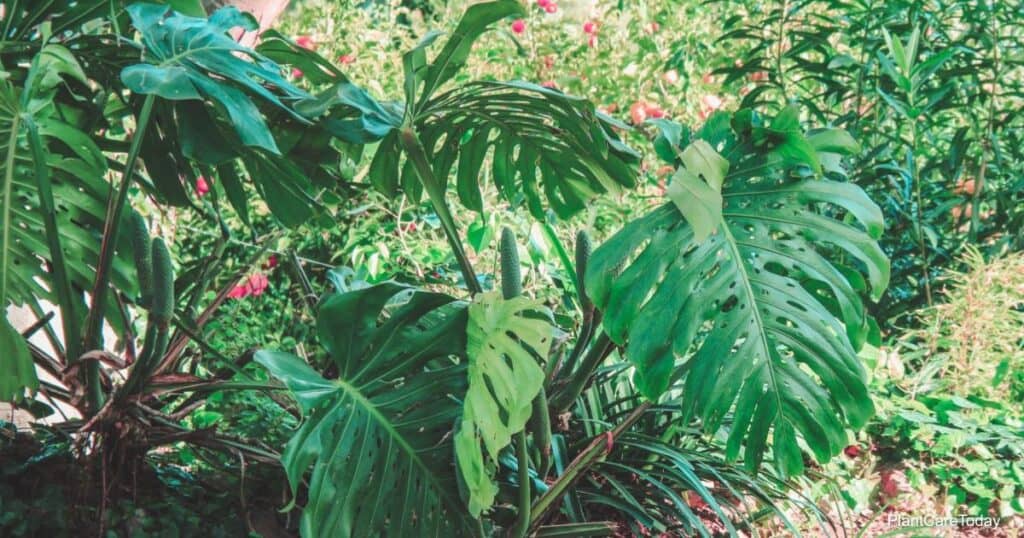
Yes, Monstera plants can be outside. But there are things to know.
Monstera, a beloved houseplant, can thrive outdoors under the right conditions. These tropical plants, known for their striking leaves, need specific care to flourish outside. Understanding their needs can help you decide if your Monstera will be happy and healthy in your garden or patio.
In this post, we will explore what you need to consider before placing your Monstera outside, including climate, light, and other key factors. This will help ensure your plant enjoys the great outdoors while maintaining its lush beauty. Ready to give your Monstera a breath of fresh air? Let’s dive into the details!
Benefits Of Growing Monstera Outdoors
Monsteras are beloved for their striking leaves and tropical charm. Growing them outdoors can offer significant benefits. The natural environment can enhance their growth and overall health. Let’s dive into the advantages of raising these beauties outside.
Enhanced Growth
Outdoor conditions can greatly benefit the growth of Monstera plants. Natural sunlight and fresh air provide essential elements that indoor environments often lack.
- Sunlight: Outdoor light helps Monstera develop larger, more vibrant leaves.
- Fresh Air: Improved air circulation reduces the risk of fungal diseases.
- Natural Rain: Rainwater can be more beneficial than tap water due to its purity.
These factors work together to create an optimal growing environment. Your Monstera will thrive with minimal effort on your part.
Natural Environment
Placing your Monstera outside mimics its natural habitat. This can lead to healthier and more robust plants.
| Aspect | Indoors | Outdoors |
|---|---|---|
| Light | Limited | Abundant |
| Air Circulation | Restricted | Free-flowing |
| Humidity | Controlled | Natural Levels |
Outdoor growth can make Monsteras more resilient. They adapt better to changes and stress. The interaction with insects and other plants can also promote natural defenses. This leads to stronger plants with a better chance of long-term survival.
Ideal Climate For Monstera
Monstera plants thrive best in warm, humid climates with indirect sunlight. Suitable for outdoor growth in USDA zones 10-12. Ensure protection from direct sun and frost.
Monstera plants are native to tropical regions. They thrive in warm, humid environments. Understanding the ideal climate can help your Monstera flourish outdoors.Temperature Requirements
Monstera prefers temperatures between 65°F and 85°F. Consistent warmth is crucial. Avoid exposing the plant to temperatures below 50°F. Cold can damage the leaves and stunt growth.Humidity Levels
Monstera enjoys high humidity. Aim for 60% to 80% humidity. Dry air can cause leaf edges to brown. Use a humidifier or mist the plant regularly. This keeps it healthy and vibrant. “`Choosing The Right Location
Choosing the right location for your Monstera plant is crucial for its growth. It needs a spot that mimics its natural environment. This section will guide you on how to select the best place for your Monstera outdoors.
Sunlight Needs
Monsteras thrive in bright, indirect sunlight. Direct sunlight can scorch their leaves. Place them under a tree or in a shaded patio. They prefer morning sun and afternoon shade. Monitor their leaves for signs of too much or too little light.
Protection From Wind
Wind can damage Monstera’s large leaves. Choose a sheltered spot to protect them. A location near a wall or fence is ideal. You can also use windbreaks like shrubs or garden screens.
Soil And Potting Needs
Monstera plants thrive indoors, but they can also flourish outside. To ensure healthy growth, understanding the soil and potting needs is essential. This section will guide you through the best soil composition and proper drainage practices for your outdoor Monstera.
Soil Composition
Monstera plants require well-draining soil. The ideal mix includes:
- 60% potting soil
- 20% orchid bark
- 10% perlite
- 10% compost
This combination retains moisture without becoming waterlogged. Potting soil provides the base, while orchid bark enhances aeration. Perlite helps with drainage, and compost offers vital nutrients.
Proper Drainage
Proper drainage is crucial for Monstera plants. Waterlogged soil can lead to root rot. Ensure your pot has drainage holes. Use a saucer to catch excess water.
Consider the following tips for drainage:
- Use a pot with multiple drainage holes.
- Place a layer of gravel at the pot’s bottom.
- Check soil moisture before watering.
Avoid overwatering by sticking to a schedule. Allow the top inch of soil to dry out before watering again. Good drainage and soil composition will keep your Monstera healthy and strong.
Watering Practices
Proper watering is crucial for keeping your outdoor Monstera healthy. Knowing how much and how often to water can make a big difference. Let’s dive into the best watering practices for your outdoor Monstera.
Frequency
Outdoor Monstera plants need consistent watering. But, not too much. Aim to water them once a week. In hotter climates, you might need to water more often.
Check the soil before watering. Stick your finger into the soil about an inch deep. If it feels dry, it’s time to water. If it’s still moist, wait a few more days.
Signs Of Overwatering
Overwatering can harm your Monstera. Look out for these signs:
- Yellowing leaves
- Mushy stems
- Foul smell from the soil
If you notice these signs, reduce watering. Ensure your pot has good drainage. Let the soil dry out a bit before watering again.
Proper watering helps your Monstera thrive outside. Monitor the plant closely and adjust as needed.

Fertilizing Monstera
Fertilizing Monstera is essential for its growth and health. Monstera plants thrive on nutrients, and regular feeding keeps them vibrant and strong. This section will guide you on the best fertilizers and the right application schedule for your Monstera.
Best Fertilizers
Choosing the right fertilizer for your Monstera is crucial. Use a balanced liquid fertilizer with equal parts of nitrogen, phosphorus, and potassium. A 20-20-20 fertilizer works well. Organic options like compost or worm castings also provide excellent nutrients.
Another good option is slow-release pellets. They gradually release nutrients into the soil over time. This helps avoid overfeeding and ensures a steady supply of nutrients.
Application Schedule
Feed your Monstera every two weeks during the growing season. This period is typically from spring to early autumn. During winter, reduce feeding to once a month or stop altogether. The plant’s growth slows down in cooler months.
Always follow the instructions on the fertilizer package. Over-fertilizing can harm your Monstera. Water the plant before applying fertilizer to avoid root burn. Regular feeding promotes healthy leaves and strong stems.
Pest And Disease Management
Growing Monstera outside can expose it to various pests and diseases. Managing these effectively ensures your Monstera thrives. This section will guide you through common pests and preventive measures.
Common Pests
Monstera plants can attract a variety of pests. The most common include:
- Aphids: Small, green insects that suck plant sap.
- Spider Mites: Tiny, red or brown insects that create webs.
- Mealybugs: White, cotton-like insects found on leaves and stems.
- Scale: Brown, shell-like insects that cling to stems and leaves.
These pests can cause leaf damage, yellowing, and stunted growth. Regular monitoring helps catch infestations early.
Preventive Measures
Keeping your Monstera healthy is the best defense against pests. Follow these preventive measures:
- Inspect Regularly: Check leaves and stems for signs of pests.
- Clean Leaves: Wipe leaves with a damp cloth to remove dust and pests.
- Use Neem Oil: Spray neem oil solution to deter pests.
- Promote Air Circulation: Place plants with enough space to avoid overcrowding.
- Avoid Overwatering: Water the plant only when the topsoil is dry.
These measures can significantly reduce the risk of pest infestations. Keeping your Monstera healthy and pest-free ensures it thrives outdoors.
Seasonal Care Tips
Monstera plants can thrive outdoors, but they need proper seasonal care. This guide will help you keep your Monstera healthy throughout the year.
Winter Protection
Monstera plants are sensitive to cold weather. Bring them indoors if temperatures drop below 50°F. Place them near a window with indirect sunlight. Reduce watering during winter. Overwatering can harm the roots. Use a humidifier to maintain humidity levels. Dry air can stress the plant.
Summer Care
During summer, Monstera plants enjoy warm temperatures. Place them in a shaded area outside. Direct sunlight can scorch their leaves. Water the plant more frequently in summer. The soil should stay moist but not soggy. Mist the leaves to increase humidity. This helps the plant stay healthy and vibrant.

Frequently Asked Questions
Can Monstera Thrive Outdoors?
Yes, Monstera can thrive outdoors in the right conditions. They prefer warm, humid climates with indirect sunlight. Protect them from frost.
What Temperature Is Best For Outdoor Monstera?
Monstera prefers temperatures between 65-85°F (18-29°C). Ensure they are protected from frost and extreme heat.
How Much Sunlight Does Outdoor Monstera Need?
Outdoor Monstera plants need bright, indirect sunlight. Direct sunlight can scorch their leaves, so provide some shade.
Can Monstera Survive Winter Outside?
Monstera cannot survive freezing temperatures. Bring them indoors or provide protection during winter months.
Conclusion
Monstera plants can thrive outside with the right conditions. Ensure they get indirect sunlight and protection from strong winds. Regular watering and well-drained soil are essential. Keep an eye on temperature changes, as extreme cold can harm them. With proper care, your Monstera can flourish outdoors, adding beauty to your garden.
Always observe your plant’s needs and adjust care accordingly. Happy gardening!
Leave a Reply