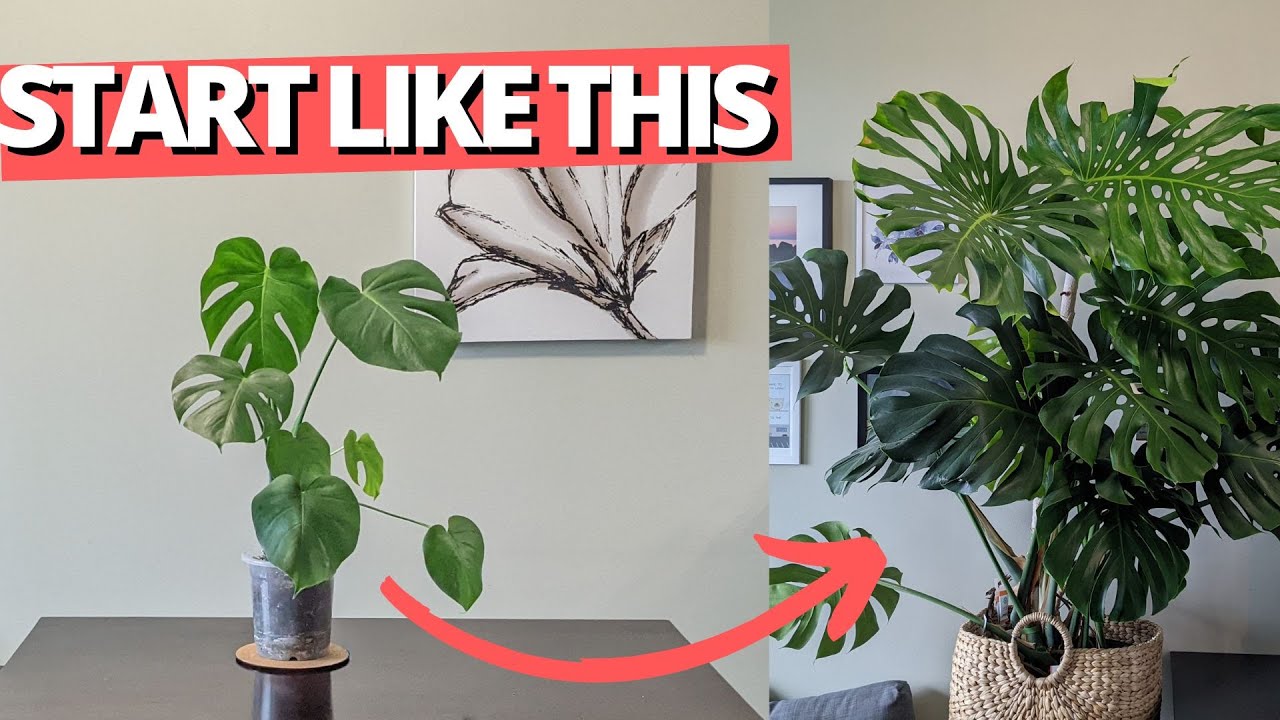
Monstera plants are popular indoor plants known for their unique leaves. Growing them can be fun and rewarding.
Are you looking to add some lush green beauty to your home? Monstera plants, with their striking leaves and easy care, are the perfect choice. They bring a touch of the tropics indoors and are great for beginners. In this guide, we will explore the best ways to grow Monstera successfully.
You’ll learn about the ideal conditions, watering habits, and how to keep your plant thriving. Whether you are a seasoned gardener or just starting, this guide will help you grow a healthy and happy Monstera. Let’s dive into the world of Monstera and discover how to make your plant flourish!
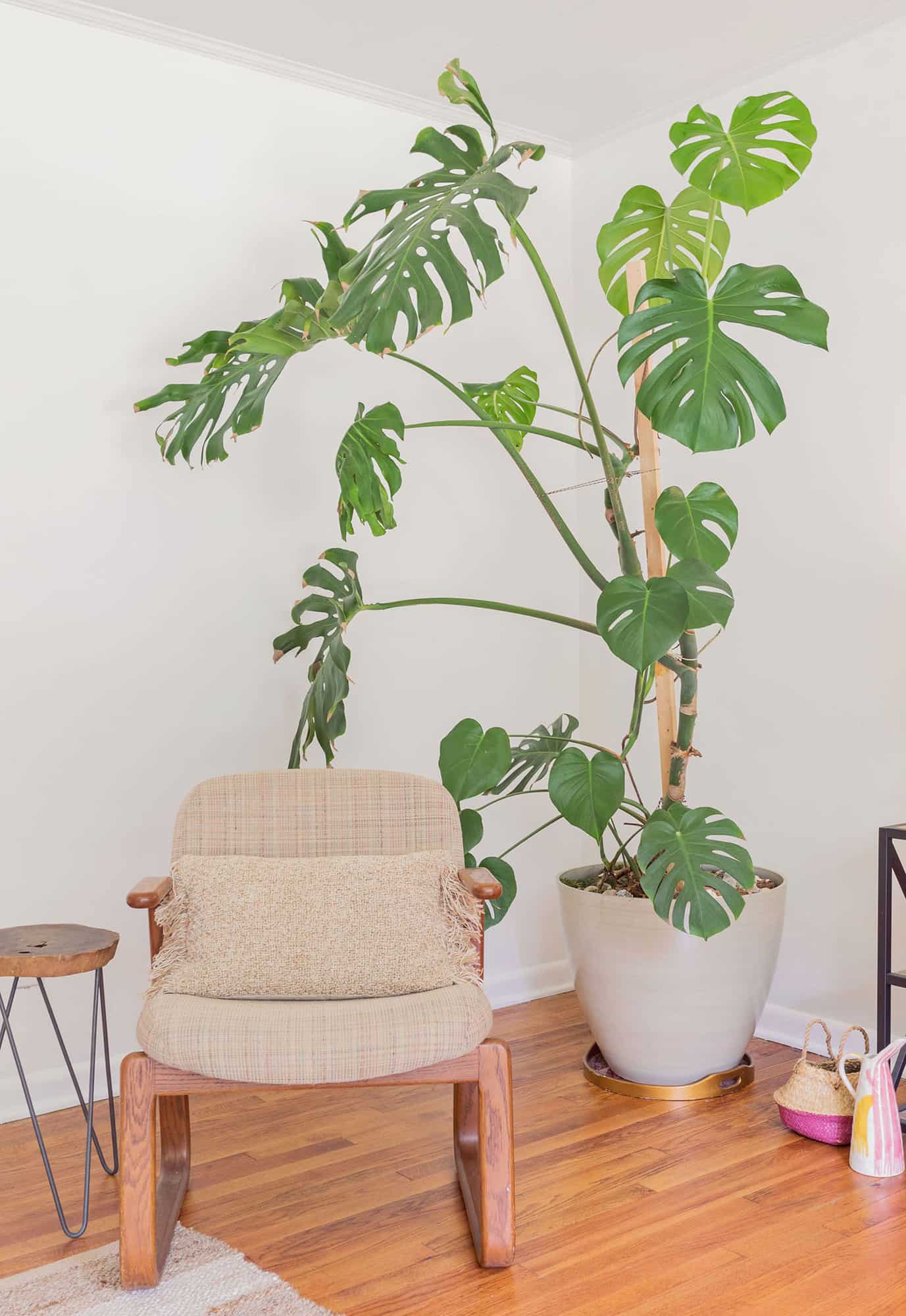
Choosing The Right Monstera
Monstera plants are popular for their unique leaves and easy care. Choosing the right Monstera is the first step in ensuring a healthy and beautiful plant. This guide will help you pick the best Monstera for your home.
Selecting Healthy Plants
Look for plants with vibrant green leaves. Avoid those with yellowing or brown spots. Check the soil. It should be moist but not waterlogged. Inspect the roots. Healthy roots are white and firm. Avoid plants with mushy or black roots.
Ideal Varieties For Beginners
Monstera deliciosa is a great choice for beginners. It is hardy and adapts well to indoor conditions. Monstera adansonii, also known as the Swiss Cheese Plant, is another good option. Its smaller size makes it suitable for compact spaces. Both varieties are easy to care for and can thrive with minimal attention.
Optimal Soil And Potting
Growing a Monstera plant successfully hinges on understanding the importance of optimal soil and potting. A good soil mix and the right pot can make a significant difference. Below, we’ll discuss the best choices for both.
Best Soil Mix
For a thriving Monstera, choose a well-draining soil mix. This prevents root rot.
- Mix peat moss, pine bark, and perlite in equal parts.
- Add some orchid bark for extra aeration.
This combination ensures the soil is airy and retains enough moisture.
Proper Pot Selection
The right pot is crucial for Monstera’s health. Choose a pot with drainage holes.
Ensure the pot is sturdy and slightly larger than the plant’s root ball.
- Terracotta pots are ideal as they allow excess moisture to evaporate.
- Avoid pots without drainage holes.
Repot every two years to provide fresh soil and more space for growth.
Watering Techniques
Watering techniques are crucial for the health of your Monstera plant. Proper watering ensures that the plant thrives without issues. Understanding the right balance is key to prevent overwatering or underwatering.
Watering Frequency
Water your Monstera once every 1-2 weeks. Check the soil first. The top inch should be dry before watering. During the growing season, spring and summer, you might need to water more often. In fall and winter, reduce the frequency.
Signs Of Overwatering
Overwatering can harm your Monstera. Look for yellowing leaves. This is a common sign. Mushy stems are another indicator. Root rot might set in if the soil stays too wet. Always let the soil dry out between waterings.
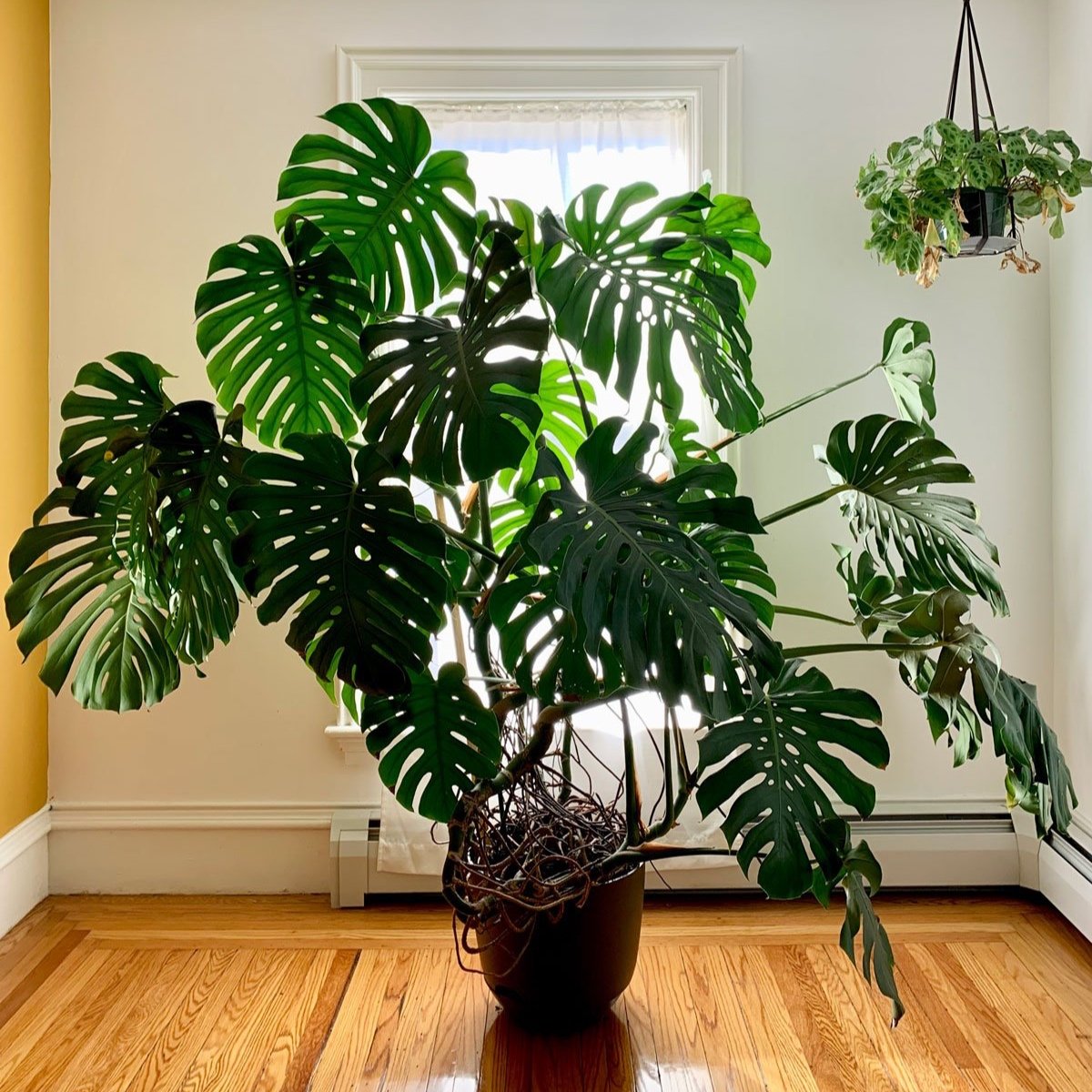
Light Requirements
Light is crucial for the healthy growth of Monstera plants. These plants thrive in well-lit environments. Proper light ensures lush, vibrant leaves. Let’s dive into the specifics of their light requirements.
Natural Light Needs
Monstera plants love bright, indirect sunlight. They naturally grow under the canopy of larger trees. Direct sunlight can scorch their leaves. Place them near a window with filtered light. East or west-facing windows are ideal. Avoid placing them in low-light areas.
Using Grow Lights
Not all homes have perfect natural light. Grow lights can be a great alternative. Use fluorescent or LED grow lights. Position the light 12-18 inches above the plant. Ensure the light is on for about 12 hours a day. This mimics their natural light cycle. Regularly check the plant for any signs of light stress.
Fertilizing Schedule
Providing the right nutrients is essential for your Monstera plant’s growth. A well-planned fertilizing schedule ensures that your plant gets everything it needs to thrive. Here, we will discuss the types of fertilizers and the best times to fertilize your Monstera.
Types Of Fertilizers
Choosing the right type of fertilizer is crucial. Here are some common options:
- Balanced Fertilizers: These contain equal parts of Nitrogen (N), Phosphorus (P), and Potassium (K). Look for a 10-10-10 or 20-20-20 formula.
- Liquid Fertilizers: Easy to apply and quickly absorbed by the plant. Perfect for houseplants.
- Slow-Release Fertilizers: Provide nutrients over a longer period. Ideal for those who prefer less frequent fertilizing.
- Organic Fertilizers: Made from natural sources. They improve soil health while feeding the plant.
When To Fertilize
Timing is important for effective fertilization. Follow this schedule for best results:
- Spring: Start fertilizing as soon as new growth appears. Use a balanced fertilizer every 4-6 weeks.
- Summer: Continue the same schedule as in spring. This is the peak growing season.
- Fall: Reduce frequency to every 8 weeks. The plant’s growth slows down.
- Winter: Pause fertilization. The plant rests during this time.
By following this fertilizing schedule, your Monstera will grow healthy and strong. Ensure you choose the right fertilizer and apply it at the right times for optimal growth.

Pruning And Maintenance
Pruning and maintenance are essential for a healthy Monstera plant. Regular care helps your plant grow strong and beautiful. Let’s dive into the best practices for pruning and dealing with pests.
How To Prune
Pruning your Monstera keeps it looking neat. Use clean, sharp scissors. Trim any yellow or brown leaves. Cut just above a node, where leaves meet the stem. This encourages new growth. Remove any damaged or unhealthy parts. This keeps the plant’s energy focused on strong, healthy growth.
Prune in the spring or summer. This is the best time for new growth. Avoid pruning in winter. The plant is in a resting phase then. Regular pruning helps control the size of your Monstera. It also improves air circulation around the leaves.
Dealing With Pests
Monstera plants can attract pests. Common pests include spider mites, mealybugs, and scale insects. Regularly inspect your plant. Look under the leaves and along the stems. Early detection is key.
If you find pests, act quickly. Use a mild insecticidal soap. Spray the affected areas thoroughly. Wipe the leaves gently with a damp cloth. Repeat the treatment every few days until the pests are gone. Keep the plant clean and dust-free. This helps prevent pest infestations.
Maintain proper humidity levels. Dry air can attract pests. Use a humidifier or mist the plant regularly. Healthy plants resist pests better. Keep your Monstera well-watered and fertilized.
Propagation Methods
Growing a Monstera plant can be exciting and rewarding. One essential step is propagation. Here, we will explore two popular methods: stem cuttings and air layering. Both methods are effective and straightforward, helping you multiply your Monstera collection with ease.
Stem Cuttings
Propagating Monstera through stem cuttings is a simple process. You can do it with a few basic steps:
- Choose a healthy stem with at least one node.
- Make a clean cut below the node using a sharp knife.
- Place the cutting in water or moist soil.
- Keep it in a warm, bright area but avoid direct sunlight.
- Wait for roots to develop, usually in a few weeks.
Stem cuttings are easy and effective. They are perfect for beginners. This method also allows you to monitor root growth closely.
Air Layering
Another popular method is air layering. This technique involves creating roots on the plant while it is still attached. Here are the steps:
- Choose a healthy stem and make a small cut.
- Wrap the cut area with moist sphagnum moss.
- Cover the moss with plastic wrap to keep moisture in.
- Secure the plastic with ties but allow some air circulation.
- Wait for roots to develop within a few months.
- Once roots form, cut below the new root ball and plant it.
Air layering is ideal for larger plants. It is a bit more advanced but results in a strong, healthy plant.
Both stem cuttings and air layering can help you grow beautiful Monstera plants. Choose the method that suits your needs and enjoy propagating your Monstera.
Common Problems And Solutions
Growing Monstera plants can be very rewarding, but they come with their own set of challenges. Here, we will discuss some common problems that Monstera owners face and provide practical solutions to help you keep your plant healthy and thriving.
Yellowing Leaves
Yellowing leaves are a common issue for Monstera plants. This can be caused by several factors, including overwatering, underwatering, or nutrient deficiencies.
- Overwatering: Ensure the soil is well-draining. Water only when the top inch of soil is dry.
- Underwatering: Water the plant regularly. Check the soil moisture before watering.
- Nutrient Deficiencies: Use a balanced fertilizer. Follow the recommended dosage.
Root Rot
Root rot occurs due to excessive moisture in the soil. It can severely damage the plant’s roots and hinder its growth.
- Check Drainage: Ensure the pot has proper drainage holes.
- Soil Mix: Use a well-draining soil mix. Add perlite or sand.
- Watering Routine: Allow the soil to dry out between waterings. Avoid letting the plant sit in water.
By addressing these common issues, you can ensure your Monstera plant remains healthy and beautiful.
Frequently Asked Questions
How Often Should I Water My Monstera?
Water your Monstera when the top inch of soil feels dry. Overwatering can lead to root rot. Ensure the pot has proper drainage.
What Light Conditions Are Best For Monstera?
Monstera plants thrive in bright, indirect light. Avoid direct sunlight, as it can scorch the leaves. Low light may slow growth.
How Do I Propagate Monstera?
To propagate Monstera, cut a stem below a node with aerial roots. Place the cutting in water or soil. Keep it moist until roots develop.
Why Are My Monstera’s Leaves Turning Yellow?
Yellow leaves can indicate overwatering or poor drainage. Ensure the soil dries out between waterings. Also, check for pests or nutrient deficiencies.
Conclusion
Growing Monstera plants can be simple and rewarding. Follow the basic steps. Water it properly and give it enough light. Use good soil and fertilize it occasionally. Watch for pests and treat them early. With care, your Monstera will thrive.
Enjoy the beauty and lush greenery in your home. Happy gardening!
Leave a Reply