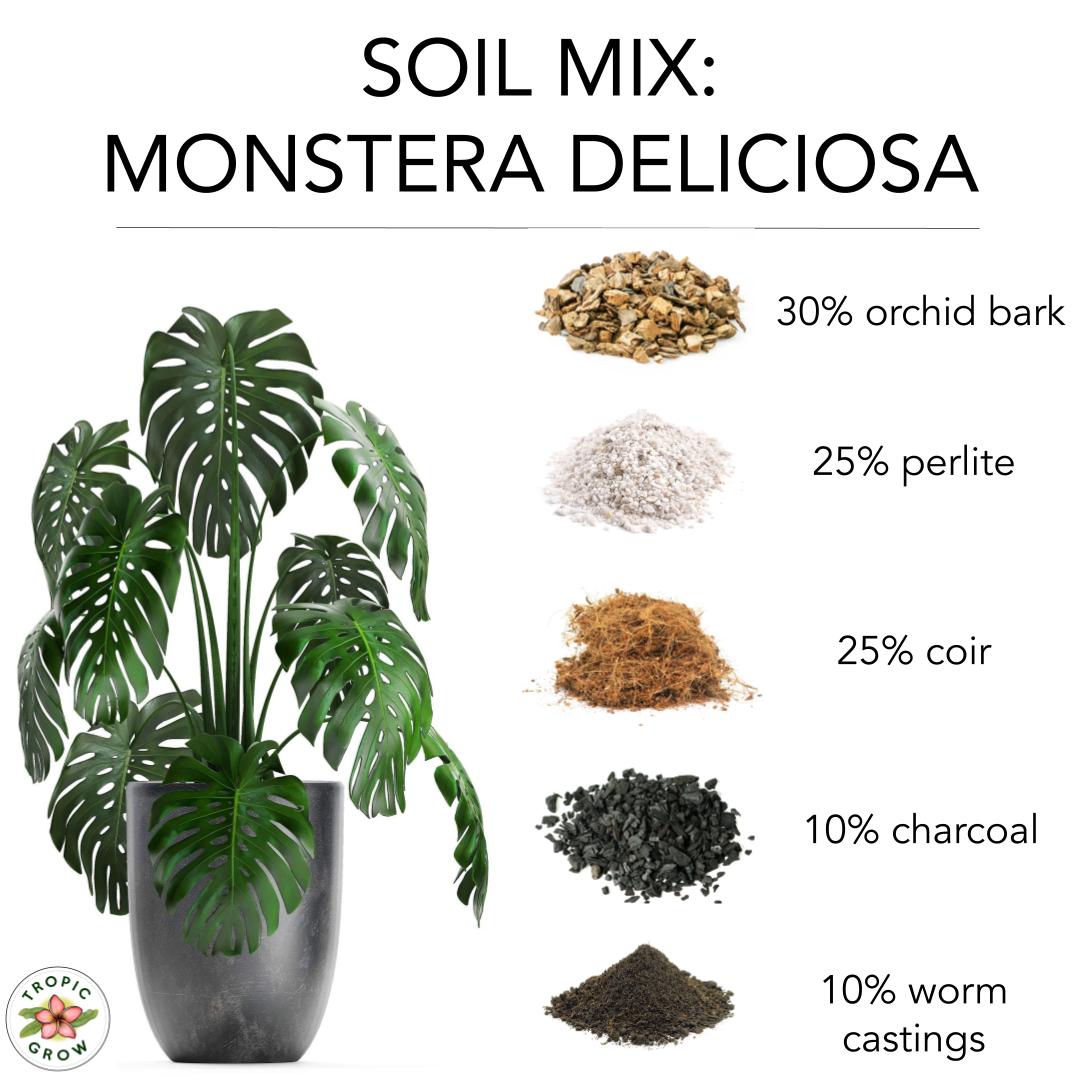
Finding the best soil mix for your Monstera is crucial. The right blend can help your plant thrive.
Monsteras are tropical plants. They need specific soil to grow well indoors. The right soil mix can make a big difference in their health. It should provide proper drainage, nutrients, and support. With so many options available, picking the right one can be tricky.
This guide will help you understand what makes an ideal soil mix for Monstera plants. We will look at the factors to consider and share some of the best options available. Let’s dive in and ensure your Monstera gets the best soil for optimal growth.

Introduction To Monstera Plants
Monstera plants thrive best in well-draining soil. A mix of peat moss, perlite, and orchid bark works well. This blend provides essential nutrients and proper aeration for healthy growth.
Monstera plants have captured the hearts of many plant lovers. Their striking leaves and easy care make them a popular choice. Originating from the tropical forests of Central America, these plants thrive in indoor environments. Monstera plants are known for their unique leaf patterns. Their lush green foliage adds a touch of nature to any space.Popular Varieties
Several Monstera varieties are available. The Monstera Deliciosa is the most common. Its large, split leaves are iconic. Monstera Adansonii, also known as the Swiss Cheese Plant, is another favorite. This variety features smaller leaves with many holes. Monstera Obliqua is rarer but sought after. Its delicate leaves have more holes than solid parts.Unique Characteristics
Monstera plants have several unique features. Their aerial roots help them climb and anchor. These roots absorb moisture and nutrients from the air. The leaves develop splits and holes as they mature. This adaptation helps the plant withstand strong winds and rain. Monstera plants are also known for their rapid growth. With proper care, they can become large and lush quickly. “`Importance Of Soil Mix
The right soil mix is crucial for the health of your Monstera plant. It affects nutrient uptake, water retention, and overall plant health. Using the best soil mix can make your Monstera thrive.
Nutrient Supply
Providing the right nutrients is essential for Monstera growth. The soil mix should contain organic matter to supply nutrients. This can include compost, worm castings, or peat moss. These materials release nutrients slowly, ensuring a steady supply.
A balanced soil mix should also contain key minerals. These include nitrogen, phosphorus, and potassium. Each plays a vital role in plant health. Nitrogen promotes leaf growth. Phosphorus supports root and flower development. Potassium helps with overall plant vigor.
Root Health
Root health is critical for Monstera plants. A good soil mix should be well-draining. This prevents waterlogged roots and root rot. Perlite and pine bark can be added for better drainage.
Proper aeration is also important. Roots need oxygen to function well. A mix with chunky elements like orchid bark can improve aeration. This helps roots breathe and grow stronger.
The soil should also maintain some moisture. Coir or peat moss can help retain moisture without waterlogging. This balance is crucial for healthy roots.
| Component | Benefit |
|---|---|
| Compost | Provides slow-release nutrients |
| Perlite | Improves drainage |
| Orchid Bark | Enhances aeration |
| Coir | Retains moisture |
Choosing the best soil mix for Monstera is essential. It ensures proper nutrient supply and root health. This leads to a thriving, healthy plant.
Key Components Of Monstera Soil
Choosing the right soil mix for your Monstera plant is vital. The right mix ensures your plant grows healthy and strong. Let’s explore the key components that make up the best Monstera soil mix.
Organic Matter
Organic matter is essential for your Monstera soil mix. It provides nutrients and helps retain moisture. Common types of organic matter include:
- Compost
- Peat moss
- Coconut coir
Compost is rich in nutrients. It improves soil fertility. Peat moss helps retain water, which is important for Monstera plants. Coconut coir is another great option. It provides excellent water retention and is eco-friendly.
Aeration Elements
Aeration elements are crucial. They ensure your soil does not become compacted. This allows roots to breathe. Common aeration elements include:
- Perlite
- Pumice
- Bark chips
Perlite is a lightweight material. It improves drainage. Pumice is similar to perlite but heavier. It lasts longer in the soil. Bark chips add structure to the soil. They help prevent compaction.
Using a mix of these components will create the perfect soil for your Monstera plant. Remember to adjust the mix based on your plant’s needs. Happy planting!
Ideal Soil Ph Levels
Monstera plants thrive in soil with the right pH level. The ideal pH range for Monstera soil is between 5.5 and 7.0. This slightly acidic to neutral range ensures the plant absorbs nutrients efficiently. When soil pH is off, the plant can struggle to grow and may show signs of nutrient deficiencies.
Testing Soil Ph
Testing your soil’s pH is easy and important. You can use a soil pH test kit or a digital pH meter. Follow these steps:
- Collect a soil sample from around the plant’s root zone.
- Mix the soil with distilled water in a clean container.
- Insert the pH test strip or meter into the mixture.
- Wait for the reading and compare it to the ideal range (5.5-7.0).
Adjusting Ph Levels
If your soil pH is too high or too low, you can adjust it. Here are some tips:
| pH Condition | Solution |
|---|---|
| Too Acidic (<5.5) | Add lime to the soil to raise pH. |
| Too Alkaline (>7.0) | Add sulfur or peat moss to lower pH. |
Important: Always re-test the soil pH after making adjustments. This ensures you have reached the desired pH level for your Monstera plant.
Creating Your Own Soil Mix
Creating your own soil mix for Monstera plants can be rewarding. Customizing the soil helps ensure your plant gets the best nutrients. It’s also a fun way to understand your plant’s needs better.
Basic Recipe
Start with a basic recipe for Monstera soil mix. You’ll need three main ingredients: peat moss, perlite, and pine bark.
Mix equal parts peat moss and perlite. These two components help with drainage and aeration. They keep the roots healthy by preventing waterlogging.
Add some pine bark to the mix. Pine bark provides structure and helps with water retention. It also adds a natural element to the soil.
This basic recipe works well for most Monstera plants. It’s easy to make and provides a good balance of nutrients.
Customizing For Your Plant
Each Monstera plant may have different needs. You can customize the basic recipe to suit your specific plant.
If your Monstera needs more drainage, add extra perlite. This will help prevent root rot by allowing more air to reach the roots.
For plants in low humidity, add more peat moss. Peat moss helps retain moisture, which is essential in drier environments.
If your plant needs more nutrients, mix in compost. Compost adds organic matter that enriches the soil.
Experimenting with different mixes can help you find the perfect balance. Pay attention to how your plant responds and adjust as needed.

Pre-made Soil Options
Choosing the right soil mix is crucial for the health of your Monstera plant. Pre-made soil options are convenient and often specially formulated to meet the needs of these tropical plants. Here, we will look at some of the best pre-made soil mixes available in the market.
Top Brands
Several brands offer high-quality pre-made soil mixes for Monstera plants. Let’s explore some of the top brands:
| Brand | Features |
|---|---|
| FoxFarm Ocean Forest | Rich in nutrients, pH balanced, contains earthworm castings and bat guano |
| Miracle-Gro Indoor Potting Mix | Specially formulated for indoor plants, contains coconut coir |
| Espoma Organic Potting Mix | Organic, contains Myco-tone for root growth, well-draining |
Pros And Cons
Each pre-made soil mix has its own advantages and disadvantages. Here, we break down the pros and cons of these popular brands:
- FoxFarm Ocean Forest
- Pros: Nutrient-rich, well-draining, promotes strong root growth.
- Cons: Can be too rich for young plants, higher price point.
- Miracle-Gro Indoor Potting Mix
- Pros: Widely available, affordable, designed for indoor use.
- Cons: May retain too much moisture, risk of fungus gnats.
- Espoma Organic Potting Mix
- Pros: Organic, promotes healthy root growth, well-draining.
- Cons: May require additional nutrients, higher price point.
Watering And Drainage
Watering and drainage are essential for a thriving Monstera plant. Proper techniques ensure healthy growth and prevent root rot. Choosing the best soil mix also plays a crucial role. Let’s dive into the details.
Proper Watering Techniques
Watering your Monstera correctly is vital. Too much water can cause root rot. Too little water can dry out the plant. Always check the top inch of soil. If it feels dry, it’s time to water. Use lukewarm water to avoid shocking the roots. Water slowly and evenly. Ensure the soil is moist but not soggy. Drain any excess water from the saucer.
Ensuring Good Drainage
Good drainage is key for Monstera soil mix. It prevents water from sitting at the roots. Use a well-draining soil mix. This typically includes perlite, orchid bark, and peat moss. These components allow air to reach the roots. Ensure your pot has drainage holes. These holes let excess water escape. Elevate the pot slightly to improve airflow. Adding a layer of rocks at the bottom can help too.
Common Soil Problems
Monstera plants are popular for their beautiful leaves. But they need the right soil mix to thrive. Common soil problems can harm their growth. Recognizing these issues is key to keeping your plant healthy.
Identifying Issues
Knowing how to spot soil problems is crucial. Here are some common signs:
- Yellowing Leaves: This could mean poor drainage.
- Wilting: Your soil might be too dry.
- Foul Smell: Indicates root rot from overwatering.
- Stunted Growth: Nutrient-deficient soil could be the cause.
- Mold Growth: Often a sign of too much moisture.
These signs help you identify soil problems early.
Solutions And Remedies
Once you identify the problem, you can find a solution. Here are some remedies:
| Problem | Solution |
|---|---|
| Poor Drainage | Add perlite or orchid bark for better aeration. |
| Dry Soil | Water your plant more frequently but avoid overwatering. |
| Root Rot | Repot in fresh soil and trim affected roots. |
| Nutrient Deficiency | Use a balanced fertilizer to enrich the soil. |
| Excess Moisture | Improve drainage and reduce watering frequency. |
Using these solutions can help ensure your Monstera’s soil remains healthy.
Maintaining Soil Health
Maintaining soil health is key to growing a healthy Monstera plant. The right soil mix provides the nutrients and aeration needed for vibrant growth. Regular care ensures the soil remains rich and supportive for your Monstera. Here’s how to keep your soil in top condition.
Periodic Soil Checks
Regularly inspect your soil to ensure it stays in optimal condition. Check for compacted soil, which can hinder root growth. Loosen the soil gently if it feels too dense. Look for signs of overwatering, such as mold or a sour smell. Address these issues promptly to prevent root rot.
Replenishing Nutrients
Over time, the nutrients in the soil deplete. Replenish them to keep your Monstera thriving. Use a balanced fertilizer every few months. Organic compost is another excellent option. It enriches the soil naturally and promotes healthy growth.
| Nutrient | Source |
|---|---|
| Nitrogen | Compost, Manure |
| Phosphorus | Bone Meal, Rock Phosphate |
| Potassium | Wood Ash, Kelp Meal |
- Nitrogen: Promotes leafy growth.
- Phosphorus: Supports root and flower development.
- Potassium: Enhances overall plant health.
Remember to mix the nutrients well with the soil. This ensures even distribution and better absorption by the roots.
Frequently Asked Questions
What Is The Best Soil Mix For Monstera?
The best soil mix for Monstera is well-draining and rich in organic matter. A mix of peat moss, perlite, and pine bark works well. This combination retains moisture while preventing root rot.
Can I Use Regular Potting Soil For Monstera?
Regular potting soil can be used, but it’s not ideal. Adding perlite or orchid bark improves drainage and aeration. This helps prevent root rot and allows the plant to thrive.
How Often Should I Change Monstera Soil?
Change Monstera soil every 1-2 years. This refreshes nutrients and prevents soil compaction. Repotting also allows you to check for root health and growth.
Is Cactus Soil Good For Monstera?
Cactus soil alone is too well-draining for Monstera. Mixing it with peat moss or compost balances drainage and moisture retention. This ensures the plant gets the right amount of water.
Conclusion
Choosing the best soil mix for your Monstera is essential. The right soil will help your plant thrive. Look for a mix that drains well and provides nutrients. Your Monstera will thank you with lush, healthy leaves. Happy planting!
Leave a Reply