Monstera plants are trendy and stunning. They thrive with the right care.
Monstera, with its unique leaves, has captured the hearts of many plant lovers. This tropical beauty can flourish indoors, creating a green oasis in your home. But to keep your Monstera looking its best, it needs specific care. In this guide, we will explore the best tips to help you nurture your Monstera.
From watering to light needs, we will cover all essentials. With these tips, your Monstera will remain healthy and vibrant. Keep reading to learn how to give your Monstera the care it deserves.
Introduction To Monstera Care
Monstera plants, often called Swiss cheese plants, have become a beloved choice for houseplant enthusiasts. Their unique, perforated leaves add a touch of the tropics to any home. Understanding the basics of Monstera care ensures your plant thrives and remains a beautiful part of your indoor garden.
Why Monstera Plants Are Popular
Monstera plants have striking, large leaves with natural holes. This unique feature makes them stand out. They grow quickly and adapt well to indoor environments. Their vibrant green leaves can brighten any room. Monstera plants also improve air quality. They are relatively easy to care for, making them perfect for beginners.
Basic Care Principles
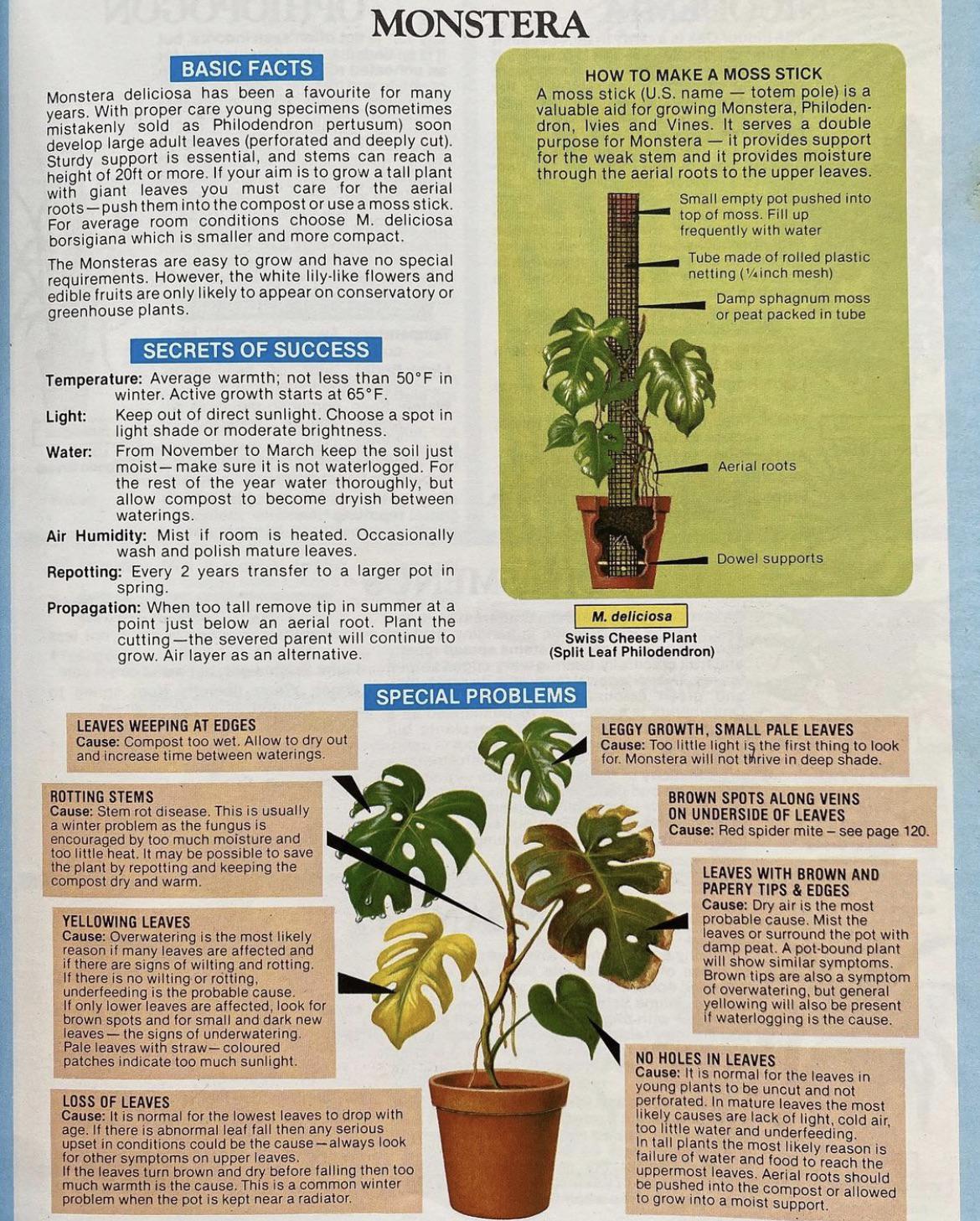
Monstera plants need bright, indirect light. Direct sunlight can burn their leaves. Water your Monstera when the top inch of soil feels dry. Overwatering can cause root rot. Ensure the pot has drainage holes to prevent water accumulation. Use a well-draining potting mix for best results.
Monstera plants thrive in high humidity. Mist the leaves regularly or use a humidifier. Keep the temperature between 65-85°F. Avoid placing the plant near cold drafts or heating vents. Fertilize your Monstera once a month during the growing season. Use a balanced, water-soluble fertilizer. Prune yellow or damaged leaves to maintain plant health.
Choosing The Right Environment
Choosing the right environment for your Monstera plant is crucial. This beautiful tropical plant thrives best under specific conditions. Let’s break down these requirements.
Ideal Light Conditions
Monstera plants love bright, indirect light. Direct sunlight can scorch their leaves. Place them near an east or west-facing window for optimal light.
If direct sunlight is unavoidable, use sheer curtains to diffuse the light. This will protect the leaves from damage.
In lower light conditions, Monstera can survive but may grow slowly. For best growth, ensure the plant receives plenty of bright, indirect light.
Temperature And Humidity Needs
Monstera plants prefer warm temperatures. Keep the indoor temperature between 65°F and 85°F. Avoid cold drafts and sudden temperature changes.
High humidity levels are essential for Monstera plants. Aim for 60% humidity or higher. If your home is dry, use a humidifier or place the plant on a humidity tray.
For an easy humidity tray, place pebbles in a tray and add water. Place the pot on top, ensuring it doesn’t sit directly in the water.
| Requirement | Optimal Conditions |
|---|---|
| Light | Bright, indirect light |
| Temperature | 65°F – 85°F |
| Humidity | 60% or higher |
By providing the ideal light, temperature, and humidity, your Monstera will thrive. These conditions replicate their natural habitat, ensuring healthy growth and beautiful leaves.
Watering Techniques
Monstera plants, known for their stunning, split leaves, thrive with proper watering. Understanding the right techniques ensures your plant stays healthy and vibrant. Below, we dive into the key aspects of watering your Monstera.
How Often To Water
Monstera plants prefer their soil to be consistently moist but not waterlogged. The frequency of watering can depend on various factors such as the climate, season, and the size of the plant.
- Summer: Water every 1-2 weeks.
- Winter: Water every 2-4 weeks.
- Indoor environment: Check the soil moisture weekly.
To determine the right time to water, stick your finger about 2 inches into the soil. If it feels dry, it’s time to water.
Signs Of Overwatering And Underwatering
Understanding the signs of overwatering and underwatering can help you adjust your watering routine effectively.
| Condition | Signs |
|---|---|
| Overwatering |
|
| Underwatering |
|
If you notice any of these signs, adjust your watering schedule accordingly to restore your Monstera’s health.
Soil And Potting Mix
Growing a healthy Monstera starts with the right soil and potting mix. Proper soil provides nutrients and ensures good drainage. This section covers the best soil types and repotting guidelines for your Monstera.
Best Soil Types
Monstera plants thrive in well-draining soil. The best soil mix includes a combination of potting soil, perlite, and orchid bark. This mix helps in proper aeration and prevents waterlogging.
| Soil Component | Benefits |
|---|---|
| Potting Soil | Provides essential nutrients |
| Perlite | Improves drainage |
| Orchid Bark | Enhances aeration |
Repotting Guidelines
Repotting your Monstera every 1-2 years is crucial. This allows the roots to expand and prevents root rot. Follow these simple steps for repotting:
- Choose a pot 2 inches larger than the current one.
- Fill the bottom with a layer of fresh soil mix.
- Gently remove the Monstera from its old pot.
- Place the plant in the new pot, centered.
- Fill the sides with more soil mix, pressing lightly.
- Water thoroughly and let excess drain out.
Repotting ensures your Monstera has room to grow. It also refreshes the soil, providing new nutrients. Keep an eye on the roots, and never let them become pot-bound.
Fertilization Tips
Monstera plants thrive with the right care and nourishment. Fertilization is a key aspect of their growth. Proper fertilization helps the plant develop strong roots and lush leaves. It also enhances their overall health and appearance.
When To Fertilize
Fertilize Monstera plants during their growing season. This usually falls between spring and early fall. Avoid fertilizing in winter. The plant’s growth slows down during this time. Over-fertilizing can harm the plant. It can cause leaf burn and nutrient imbalance.
Recommended Fertilizers
Use a balanced, water-soluble fertilizer for Monstera plants. A 20-20-20 or 10-10-10 formula works well. This ensures the plant receives equal parts of nitrogen, phosphorus, and potassium. Organic options like fish emulsion or worm castings are also beneficial.
Apply the fertilizer every two to four weeks during the growing season. Dilute the fertilizer to half the recommended strength. This prevents the risk of over-fertilization.
Pruning And Maintenance
Monstera plants thrive with proper care and attention. Regular pruning and maintenance are crucial for a healthy and attractive plant. This section covers essential tips for pruning and keeping your Monstera free from pests and diseases.
How To Prune Properly
Pruning helps Monstera plants stay healthy and grow well. Follow these steps to prune your plant properly:
- Use clean, sharp scissors or pruning shears.
- Identify yellow or damaged leaves and cut them at the base.
- Trim any long, leggy stems to encourage bushier growth.
- Remove any aerial roots that are growing out of control.
- Prune regularly to maintain the desired shape and size.
Managing Pests And Diseases
Pests and diseases can affect the health of your Monstera. Keep an eye on your plant and follow these tips to manage common issues:
- Inspect regularly: Check your plant for pests like spider mites, aphids, and scale.
- Clean leaves: Wipe leaves with a damp cloth to remove dust and pests.
- Use neem oil: Apply neem oil spray to deter pests naturally.
- Isolate infected plants: If you spot an infestation, isolate the affected plant.
- Watch for signs of disease: Look for yellowing leaves, mold, or rot. Treat promptly.
With proper care, your Monstera will remain healthy and beautiful.
Propagation Methods
Monstera plants are popular for their lush, tropical foliage. Propagating these plants can be rewarding and simple. There are a few effective methods to propagate Monstera plants. This guide will cover two primary techniques: Stem Cuttings and Air Layering.
Stem Cuttings
Propagating Monstera through stem cuttings is straightforward. Follow these steps:
- Choose a healthy stem with at least one node and aerial root.
- Using a clean, sharp knife or scissors, cut the stem below the node.
- Place the cutting in water or soil. Ensure the node is submerged or buried.
- Keep the cutting in a warm, bright spot but out of direct sunlight.
- Change the water every few days if propagating in water. Ensure the soil stays moist if propagating in soil.
- Roots should develop within a few weeks. Once established, transplant to a pot with fresh soil.
Air Layering Techniques
Air layering is another effective way to propagate Monstera plants. This method involves encouraging roots to grow on a stem before cutting it from the parent plant. Here’s how:
- Select a healthy stem with a node and aerial root.
- Make a small cut below the node. The cut should be about one-third of the stem’s diameter.
- Apply rooting hormone to the cut for better results.
- Wrap the cut area with moist sphagnum moss. Ensure the moss covers the node and aerial root.
- Cover the moss with plastic wrap. Secure it with twist ties or string, ensuring it’s snug but not too tight.
- Check the moss regularly. Keep it moist by misting if it dries out.
- After a few weeks, roots should form in the moss. Once well-rooted, cut the stem below the new roots.
- Plant the new cutting in a pot with fresh soil and care for it as you would a mature Monstera.
Common Problems And Solutions
Monstera plants are popular for their stunning foliage. But, they can face common problems. Knowing how to solve these issues will help keep your Monstera thriving.
Yellowing Leaves
Yellowing leaves can be a sign of several problems. Overwatering is a frequent cause. Ensure the soil dries out between waterings. Too much sunlight can also cause yellow leaves. Place your Monstera in a spot with indirect light.
Lack of nutrients may lead to yellowing. Use a balanced fertilizer once a month. If the yellowing is widespread, check for pests. Spider mites and scale insects can harm the plant. Treat infestations with insecticidal soap.
Root Rot Prevention
Root rot is a serious issue. It often stems from poor drainage. Ensure your pot has drainage holes. Use well-draining soil to prevent water buildup. Water your Monstera only when the top inch of soil feels dry.
To avoid root rot, do not let the plant sit in water. Remove excess water from the saucer after watering. If root rot occurs, trim the affected roots. Repot the plant in fresh soil. These steps can save your Monstera from further damage.
Seasonal Care Tips
Monstera plants are loved for their unique, beautiful leaves. Ensuring they thrive requires attention to seasonal changes. With the right care, your Monstera will flourish year-round. Understanding seasonal care tips is essential for maintaining a healthy plant.
Winter Care
During winter, Monstera plants need special attention. Keep them away from drafts and cold windows. Maintain indoor temperatures between 65-75°F. Reduce watering frequency, as overwatering can lead to root rot. Ensure the soil dries out between waterings. Increase humidity by using a humidifier or placing a water tray near the plant. Clean the leaves regularly to remove dust and improve light absorption.
Summer Care
In summer, Monstera plants grow actively. Increase watering frequency, ensuring the soil stays moist. Avoid waterlogging by allowing proper drainage. Place your Monstera in bright, indirect light. Direct sunlight can scorch the leaves. Rotate the plant occasionally for even growth. Fertilize monthly with a balanced, liquid fertilizer. Keep an eye out for pests like spider mites and aphids. Treat infestations promptly to prevent damage.

Frequently Asked Questions
How Often Should I Water My Monstera?
Water your Monstera every 1-2 weeks, allowing the soil to dry out between waterings. Monitor humidity levels and adjust as needed.
What Kind Of Light Does Monstera Need?
Monstera plants thrive in bright, indirect light. Avoid direct sunlight, as it can scorch the leaves.
How Do I Increase Humidity For My Monstera?
Increase humidity by misting the leaves, using a humidifier, or placing a tray of water nearby.
Why Are Monstera Leaves Turning Yellow?
Yellow leaves can be due to overwatering, poor drainage, or low light. Adjust care routines accordingly.
Conclusion
Caring for your Monstera plant is quite simple. Water it regularly. Ensure good light, but avoid direct sunlight. Use well-draining soil and consider occasional fertilizing. Monitor humidity levels and maintain a comfortable temperature. Prune it occasionally to manage growth. Keep an eye out for pests.
With these tips, your Monstera will thrive. Happy gardening!
Leave a Reply