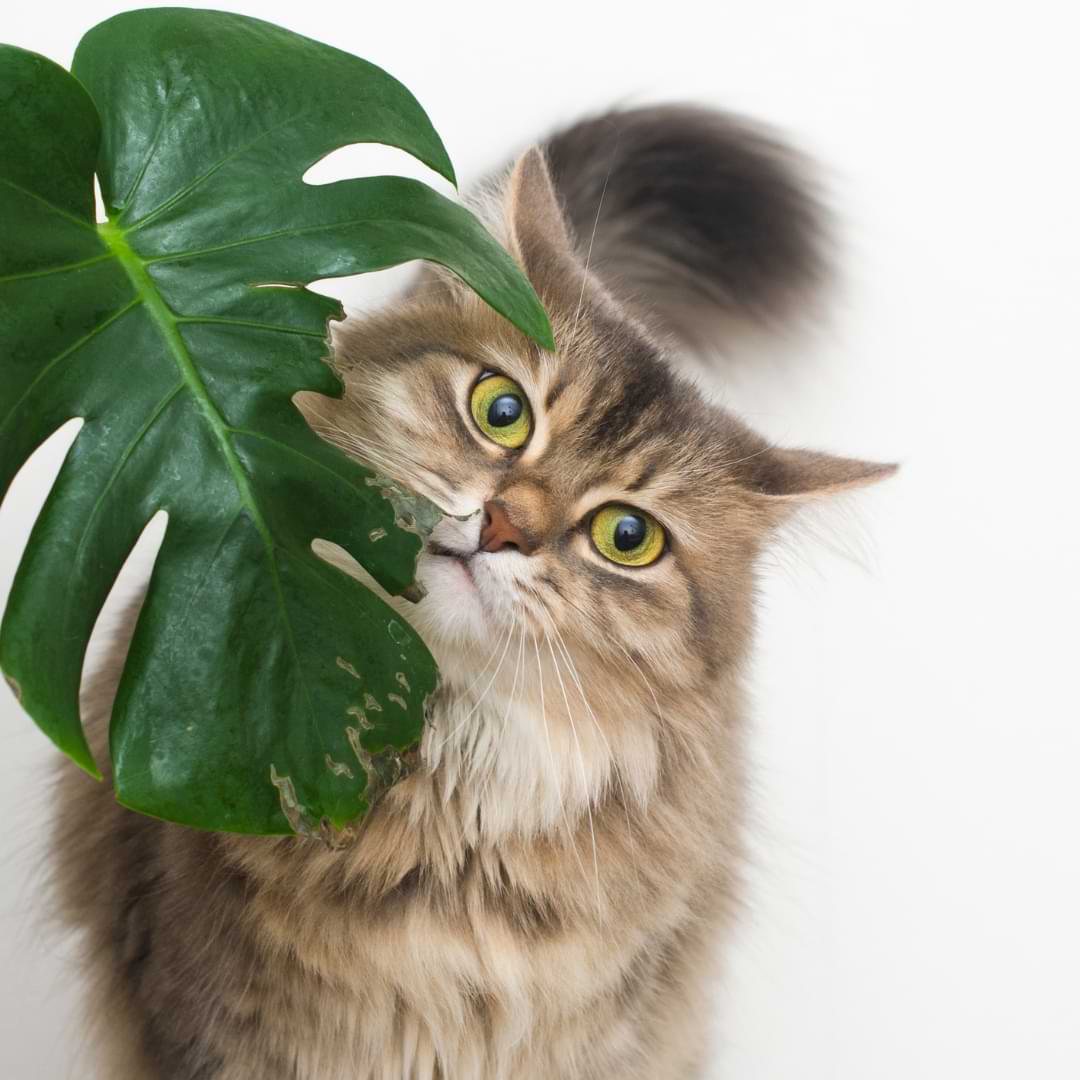
Yes, Monstera plants are toxic to cats. They contain calcium oxalates which cause irritation.
Many cat owners love the beauty of Monstera plants. But, it’s important to know if they are safe for your feline friends. Cats often explore plants out of curiosity. If you have a Monstera, understanding the risks is crucial. This article will explain how Monstera plants affect cats and what symptoms to watch for.
We will also offer tips on keeping your cat safe from plant toxicity. Stay informed to ensure your home is both beautiful and safe for your pets.
Introduction To Monstera
The Monstera plant, often known as the “Swiss cheese plant,” is popular in many homes. Its striking leaves and easy care make it a favorite. But, do you know if it is safe for your pets? Let’s explore more about this beautiful plant.
Popular Houseplant
The Monstera is a popular houseplant for many reasons. Its large, glossy leaves with unique cuts and holes make it stand out. These plants also have a tropical vibe, adding a touch of nature to any room. They thrive in both low and bright light conditions, making them versatile for different home settings.
Many people enjoy having Monsteras because they are low maintenance. They require watering only once a week. Their ability to adapt to various environments makes them an ideal choice for busy individuals.
Features And Benefits
Monstera plants have several unique features that contribute to their popularity. Here are some key points:
- Distinctive Leaves: The leaves have natural holes, giving them a unique appearance.
- Low Maintenance: They do not need frequent watering or special soil.
- Air Purification: These plants help clean the air by removing toxins.
- Adaptability: They can grow in various light conditions, from low to bright indirect light.
The benefits of having a Monstera in your home extend beyond aesthetics. Their air-purifying qualities contribute to a healthier living environment. Additionally, their adaptability makes them suitable for different indoor spaces, enhancing your home decor effortlessly.
By understanding these features and benefits, you can appreciate why Monsteras are a top choice for many plant enthusiasts.
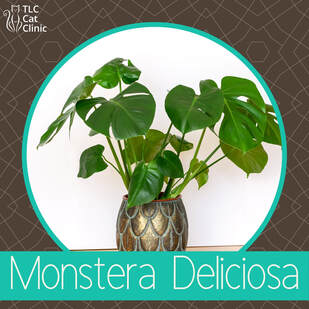
Monstera And Pet Safety
Monstera plants are toxic to cats. Chewing on their leaves can cause vomiting and mouth irritation. Keep these plants out of reach.
Monstera plants are popular for their large, beautiful leaves. Many people love having them in their homes. But, pet owners often worry about their furry friends. Are Monstera plants safe for cats? Let’s explore the common concerns and risks to cats.
Common Concerns
Cat owners want to keep their pets safe. They often worry about houseplants. Monstera plants are a favorite choice for many. But, are they safe for cats? This question comes up often. People love the look of Monstera plants. Yet, they also care about their pets’ health.
Many wonder if Monstera plants are toxic. They hear mixed information. Some say Monstera plants are dangerous. Others think they are safe. This confusion can be stressful. Understanding the risks helps in making informed decisions.
Risks To Cats
Monstera plants contain calcium oxalate crystals. These crystals can harm cats. If a cat chews on the leaves, it may experience pain. The mouth, tongue, and throat can get irritated. Your cat might drool or have trouble swallowing.
Ingesting Monstera can lead to more severe symptoms. Vomiting and difficulty breathing are possible. Cats might paw at their mouths due to discomfort. These signs indicate a problem.
The risk is real. If you have a Monstera plant, keep it out of reach. Consider placing it in a spot your cat can’t access. This step can prevent accidents. Always watch for any signs of distress in your pet.
Understanding these risks helps keep your cat safe. It’s important to know what plants are in your home. Ensure your living space is pet-friendly.
“`
Toxic Components
The Monstera plant, also known as the Swiss Cheese Plant, is a popular houseplant. However, it contains substances that can be harmful to cats. Understanding these toxic components is crucial for any pet owner.
Calcium Oxalates
Monstera plants contain calcium oxalates. These are needle-like crystals found in the leaves and stems. When a cat chews on the plant, these crystals can cause irritation.
Calcium oxalates can irritate the mouth, throat, and stomach. This irritation can lead to a range of symptoms in cats. It is important to keep these plants out of reach.
| Part of Plant | Presence of Calcium Oxalates |
|---|---|
| Leaves | Yes |
| Stems | Yes |
| Flowers | No |
Symptoms In Cats
When a cat ingests parts of the Monstera plant, they may show various symptoms. Some of the common symptoms include:
- Excessive drooling
- Swelling of the mouth
- Difficulty swallowing
- Vomiting
- Pawing at the mouth
If you notice these symptoms in your cat, contact a vet immediately. Early treatment can prevent severe complications.
Remember, keeping Monstera plants away from cats is the best prevention. Always ensure your home is a safe environment for your pets.

Signs Of Poisoning
Monstera plants can be a beautiful addition to any home. But they are toxic to cats. If ingested, they can cause a range of symptoms. Recognizing the signs of poisoning is crucial for your pet’s safety.
Mild Symptoms
Even a small nibble can cause mild symptoms. Your cat might drool excessively. They could also show signs of irritation in their mouth. Watch for pawing at the mouth or face. This often indicates discomfort. Vomiting or a loss of appetite may also occur.
Severe Reactions
Severe reactions can be alarming. These may include swelling of the mouth, tongue, or throat. Difficulty breathing is a serious sign. Immediate veterinary care is necessary. Tremors or seizures can also occur. These symptoms require urgent attention.
Immediate Actions
Monstera plants are popular houseplants, but they can be toxic to cats. If your cat has ingested parts of a Monstera, immediate actions are crucial. Here’s what you need to know and do to ensure your cat’s safety.
First Aid Steps
If you suspect your cat has eaten Monstera, act quickly. Follow these steps:
- Remove any plant material from your cat’s mouth.
- Rinse the mouth with water to clear any residue.
- Offer fresh water to help flush the toxins.
- Observe your cat for symptoms like drooling, vomiting, or difficulty swallowing.
Keep your cat calm and avoid inducing vomiting unless a vet advises.
When To See A Vet
Monitor your cat closely. If you notice any of these symptoms, see a vet immediately:
- Persistent vomiting
- Excessive drooling
- Swelling of the mouth or throat
- Difficulty breathing
- Lethargy or unusual behavior
Time is critical. Quick action can save your cat’s life. Always have your vet’s contact details handy. They can provide specific advice based on your cat’s condition.

Preventing Exposure
Monstera plants are beautiful but toxic to cats. To keep your feline friends safe, you must prevent their exposure to these plants. There are several ways to do this effectively. Let’s explore some practical tips.
Placement Of Plants
Place Monstera plants out of your cat’s reach. High shelves or hanging planters work best. Ensure there is no furniture nearby that your cat can use to climb up. Be mindful of any potential access points your cat might use. Secure the area around the plant to prevent curious cats from getting too close.
Alternative Safe Plants
Consider using cat-friendly plants in your home. Spider plants, Boston ferns, and Areca palms are safe for cats. These plants can add beauty to your space without posing a risk. Research pet-safe plants before bringing them home. This way, you ensure your cat’s safety while enjoying greenery indoors.
Creating A Pet-safe Home
Creating a pet-safe home is essential for the well-being of your furry friends. Cats are curious creatures and may nibble on plants. It is crucial to know which plants can be toxic to them. One such plant is the Monstera. While beautiful, it poses a risk to cats. Here, we will discuss how to create a safe environment for your pets.
Pet-friendly Spaces
Designing pet-friendly spaces is the first step in ensuring your home is safe. Keep toxic plants like Monstera out of reach. Place them on high shelves or use hanging planters. Consider creating a dedicated pet zone.
- Use pet-safe plants like spider plants or Boston ferns.
- Ensure all cleaning products are stored securely.
- Provide plenty of toys to keep your cat engaged.
Ensure your cat has safe spaces to explore and play. Use barriers to restrict access to certain areas.
Training Tips
Training your cat helps in maintaining a safe home. Start with basic commands. Use positive reinforcement techniques.
- Teach your cat to avoid plants.
- Use treats to reward good behavior.
- Be consistent with training sessions.
Training can take time, but it is worth the effort. Keep your sessions short and fun. Make sure to be patient and understanding.
In summary, creating a pet-safe home involves careful planning and training. By following these tips, you can ensure your furry friend stays happy and healthy.
Consulting Experts
Are Monstera plants toxic to cats? This is a common concern for pet owners. Consulting experts can provide valuable insights. This section will help you understand what the professionals say about the safety of Monstera plants for your feline friends.
Veterinarian Advice
Veterinarians are the best source for pet health information. They have the knowledge and experience to provide accurate advice. If you suspect your cat has ingested a toxic plant, consult a veterinarian immediately. They can guide you on the necessary steps to take.
According to veterinarians, Monstera plants contain calcium oxalate crystals. These crystals can cause irritation and swelling in a cat’s mouth, throat, and stomach. Symptoms include drooling, vomiting, and difficulty swallowing. A veterinarian can provide treatments to ease these symptoms.
Toxic Plant Lists
Several organizations maintain lists of toxic plants. These lists are useful for pet owners. The ASPCA (American Society for the Prevention of Cruelty to Animals) has a comprehensive list of toxic and non-toxic plants. Monstera is listed as toxic to cats on their website.
Another useful resource is the Pet Poison Helpline. They offer a detailed list of plants that can harm pets. Monstera is included in their toxic plant list as well.
Here is a table summarizing the information:
| Source | Monstera Toxicity |
|---|---|
| ASPCA | Toxic |
| Pet Poison Helpline | Toxic |
Refer to these lists when choosing plants for your home. Ensure the safety of your pets by avoiding toxic plants.
Frequently Asked Questions
Are Monsteras Poisonous To Cats?
Yes, Monsteras are toxic to cats. They contain calcium oxalates, which can cause irritation. Keep them out of reach.
What Happens If A Cat Eats Monstera?
If a cat eats Monstera, it may experience drooling, vomiting, and difficulty swallowing. Consult a vet immediately.
How Do I Keep My Cat Away From Monstera?
Place the plant in an inaccessible area. Use deterrents like citrus sprays or physical barriers to protect your cat.
Are All Parts Of Monstera Toxic To Cats?
Yes, all parts of the Monstera plant are toxic to cats. Leaves, stems, and roots contain harmful substances.
Conclusion
Monstera plants can be toxic to cats. It’s important to keep them apart. Symptoms include drooling, vomiting, and difficulty swallowing. Contact a vet if your cat shows these signs. Safe alternatives include spider plants and Boston ferns. Your pet’s health matters.
Ensure your home is pet-friendly. Being informed helps you make better choices. Stay cautious and keep your cat safe.
Leave a Reply