
Yes, Monstera plants are toxic. They contain calcium oxalate crystals that can cause irritation.
This affects both humans and pets. Monstera plants, often admired for their large, glossy leaves, are common in many homes. But their beauty hides a danger. The plant’s toxicity can lead to painful symptoms if ingested. Curious pets and children are at risk.
Even touching the plant can cause skin irritation. Knowing the risks helps you keep your home safe. This blog will explore why Monstera plants are toxic and what symptoms to watch for. By understanding this, you can enjoy your greenery while protecting your family and pets.
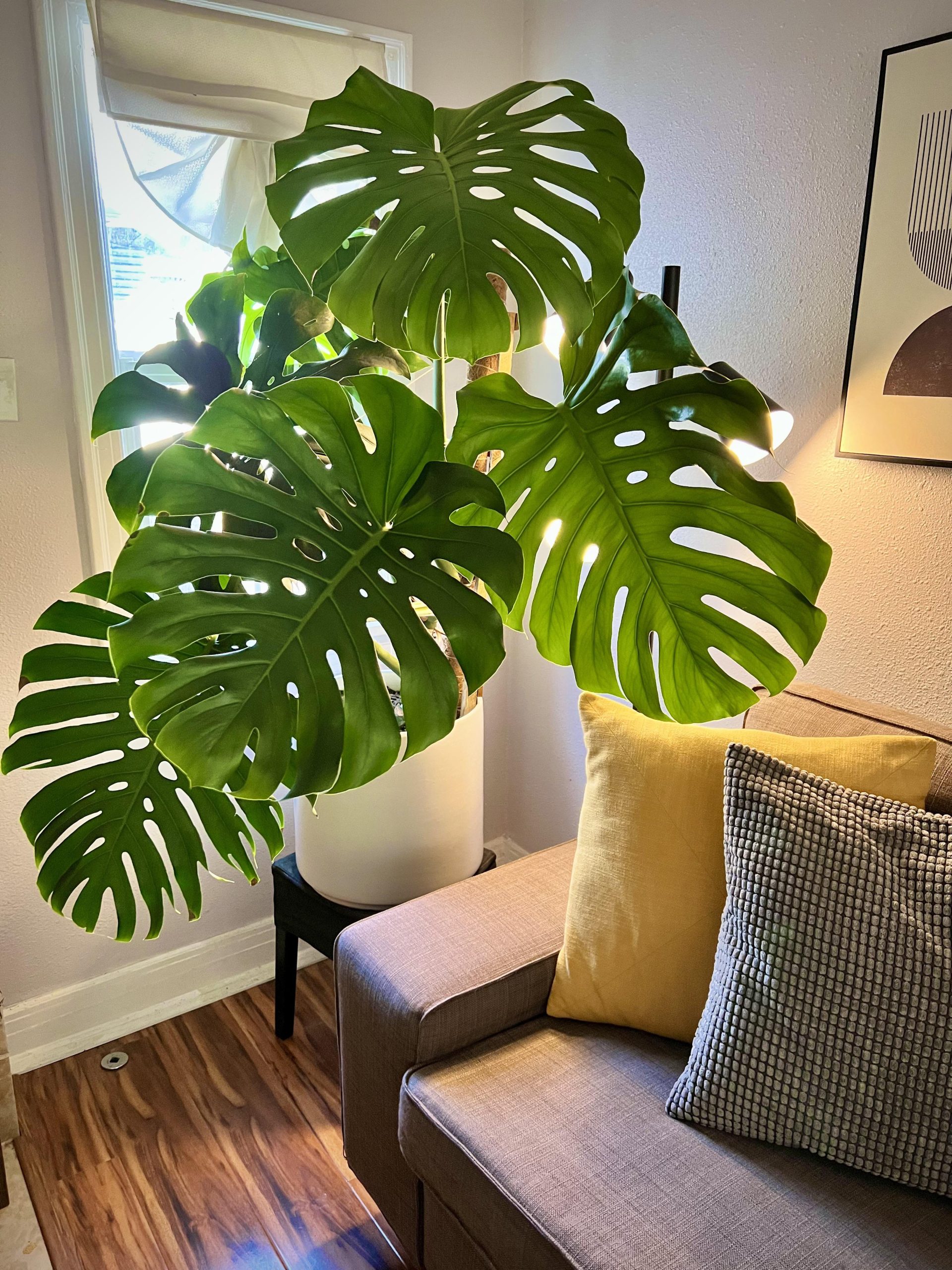
Monstera Plant Overview
The Monstera plant, known for its unique and striking appearance, has become a favorite among indoor plant enthusiasts. This tropical plant is native to the rainforests of Central America, where it thrives under the canopy of tall trees. With its large, glossy leaves and distinctive holes, the Monstera adds a touch of exotic beauty to any space.
Characteristics
Monstera plants are known for their large, heart-shaped leaves. These leaves develop natural splits and holes, which give the plant its signature look. The Monstera can grow quite tall, often reaching heights of 10 feet or more in the right conditions.
Here are some key characteristics:
- Leaf Shape: Heart-shaped with holes
- Growth Habit: Climbing vine
- Light Needs: Indirect light
- Watering: Moderate, let soil dry between waterings
Popular Varieties
There are several popular varieties of Monstera, each with its unique features. Here are some of the most common types:
| Variety | Characteristics |
|---|---|
| Monstera Deliciosa | Large leaves, classic splits and holes |
| Monstera Adansonii | Smaller leaves, many holes |
| Monstera Borsigiana | Similar to Deliciosa, but smaller and faster growing |
Choosing the right Monstera variety depends on your space and care preferences. Each type offers its unique charm and beauty.
Toxicity Of Monstera
Monstera plants are known for their beautiful, large leaves. They add a tropical feel to any room. But, they also pose a risk. Monstera plants are toxic to both humans and pets. Understanding the toxicity of Monstera is crucial to ensure safety at home.
Toxic Components
Monstera plants contain a toxic substance called calcium oxalate. These are tiny, needle-like crystals. They are found in all parts of the plant. When ingested or touched, these crystals can cause irritation.
| Plant Part | Contains Calcium Oxalate |
|---|---|
| Leaves | Yes |
| Stems | Yes |
| Roots | Yes |
| Fruits | Yes |
These crystals can cause pain and swelling. They are especially harmful if ingested. Pets and young children are at higher risk. They might be curious and try to chew on the leaves.
Effects On Humans
Touching the plant can cause skin irritation. If the sap gets on your skin, you might feel a burning sensation. It can cause redness and itching.
- Mouth irritation
- Swelling of lips, tongue, and throat
- Difficulty swallowing
- Vomiting
These symptoms can be very uncomfortable. In rare cases, they can be severe. Immediate medical attention is advised if symptoms worsen.
To avoid these effects, wear gloves when handling the plant. Keep the plant out of reach of children and pets. This will help ensure everyone’s safety.
Symptoms Of Monstera Poisoning
Monstera plants can cause irritation if ingested. Symptoms include mouth swelling, burning sensation, and difficulty swallowing. Pets may also experience drooling and vomiting.
Monstera plants are beautiful and popular houseplants. But they can be toxic. If someone ingests parts of the plant, it can cause poisoning. It’s essential to recognize the symptoms early. This helps in taking timely action.Common Symptoms
Common symptoms include mouth irritation. The affected person may feel a burning sensation. Swelling of the lips, tongue, and mouth is frequent. Drooling or difficulty swallowing can also happen. Some people experience nausea or vomiting. These symptoms can appear quickly after ingestion.Severity Levels
Severity levels can vary. Mild cases show minor irritation and discomfort. Severe cases can cause more intense pain. Extreme swelling might lead to breathing difficulties. Immediate medical attention is crucial in severe cases. Pets, especially cats and dogs, can also be at risk. They may exhibit similar symptoms if they chew on the plant. Recognizing these symptoms can prevent further complications. Always keep Monstera plants out of reach of children and pets. Safety measures can help in avoiding accidental poisoning. “`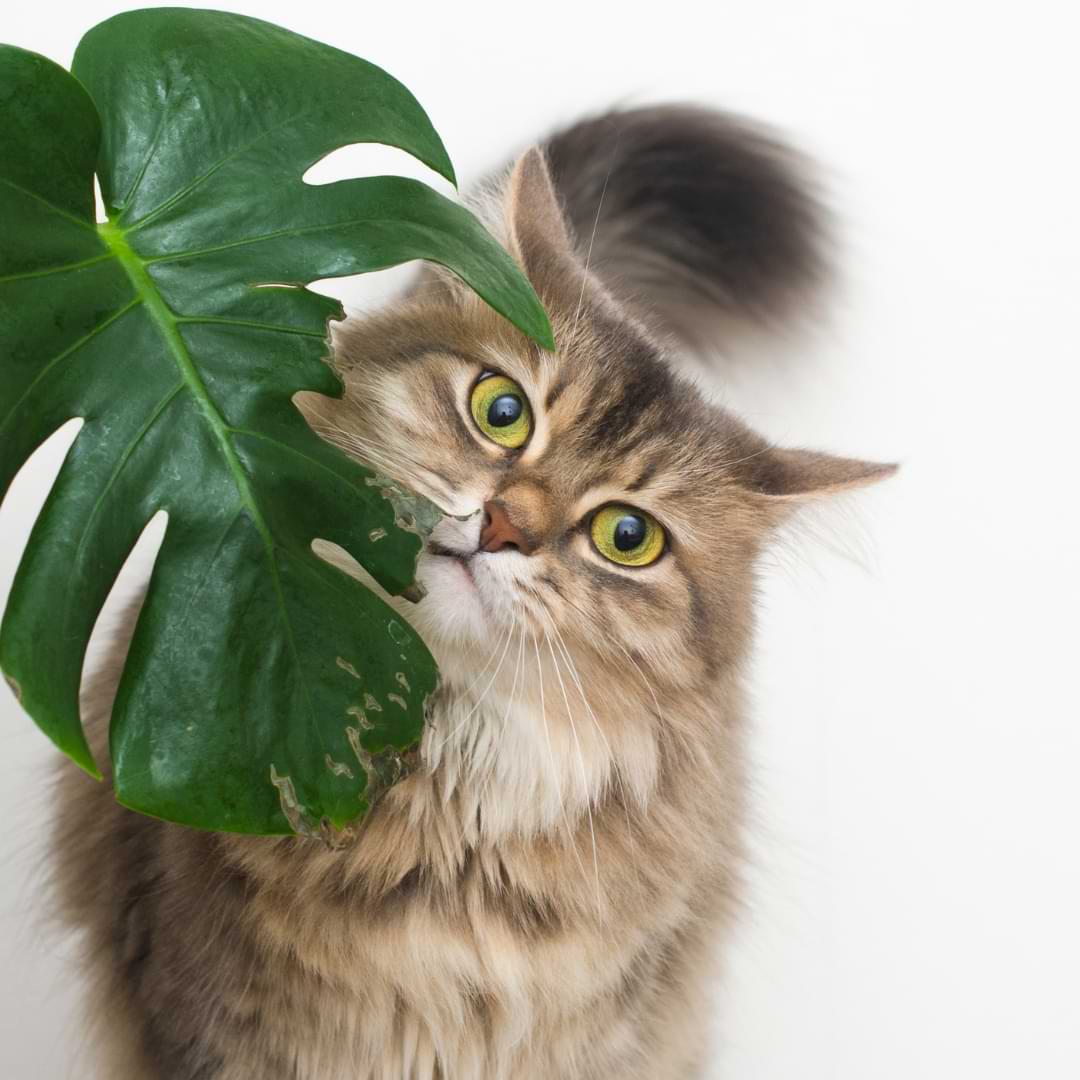
First Aid For Monstera Exposure
Monstera plants are popular for their unique leaves. But they can be harmful if touched or eaten. It’s important to know what to do if exposed. Here is a guide on first aid for Monstera exposure.
Immediate Actions
First, rinse the affected area with cold water. This helps remove the plant’s toxins. Do this for at least 10 minutes. If the eyes are affected, gently rinse them with water. Avoid rubbing the eyes, as this can worsen the irritation.
If someone has eaten part of the plant, make them rinse their mouth. Offer a small amount of milk or water to drink. Do not induce vomiting, as it can cause more harm.
Medical Assistance
If the symptoms persist, seek medical help. Call your local poison control center for advice. They can guide you on what to do next. It’s important to act quickly to avoid serious complications.
If the person experiences difficulty breathing, call emergency services. This is a sign of a severe reaction. Professional medical care is necessary in such cases.
Monstera And Pets
Monstera plants, also known as Swiss cheese plants, are popular for their unique appearance. But, if you have pets, you might wonder if they are safe to have around. Monstera plants can be toxic to pets and it’s crucial to understand the risks involved.
Risks To Cats
Cats are naturally curious and may chew on houseplants. Monstera plants contain calcium oxalate crystals. When ingested, these crystals can cause severe irritation to a cat’s mouth and digestive tract.
Symptoms in cats include:
- Drooling
- Vomiting
- Pawing at the mouth
- Swelling of the mouth and throat
If your cat exhibits these symptoms after chewing a Monstera, contact your vet immediately. Early treatment can prevent more serious health issues.
Risks To Dogs
Dogs are also at risk if they chew on Monstera plants. Like cats, dogs can suffer from the irritating effects of calcium oxalate crystals.
Common symptoms in dogs include:
- Excessive drooling
- Vomiting
- Difficulty swallowing
- Swelling of the mouth, tongue, and lips
In severe cases, dogs may experience breathing difficulties due to throat swelling. Immediate veterinary care is essential to manage symptoms and ensure your dog’s safety.
| Symptom | Cats | Dogs |
|---|---|---|
| Drooling | Yes | Yes |
| Vomiting | Yes | Yes |
| Pawing at mouth | Yes | No |
| Difficulty swallowing | No | Yes |
| Swelling | Yes | Yes |
To protect your pets, consider placing Monstera plants out of their reach or opting for pet-safe plants. Your pets’ health is worth the extra precaution.
Preventing Accidental Ingestion
Monstera plants are popular, but they are toxic if ingested. Keeping pets and children safe is crucial. Here are some tips to prevent accidental ingestion.
Safe Placement
Place Monstera plants out of reach. High shelves or hanging pots work well. Ensure plants are not accessible from furniture.
| Location | Accessibility |
|---|---|
| High shelves | Out of reach for kids and pets |
| Hanging pots | Inaccessible from furniture |
Choose rooms where pets and children do not go often. Bedrooms and home offices can be good choices.
Supervision Tips
Always supervise pets and children around plants. Teach children not to touch or eat plant parts. Educate them on the dangers of Monstera.
- Keep an eye on pets during playtime.
- Instruct children about plant safety.
- Remove fallen leaves promptly.
Consider using a baby gate to block access to rooms with Monstera. Make sure to check plants regularly for fallen leaves or debris.
Non-toxic Alternatives
Monstera plants are popular for their striking appearance. But they are toxic to pets and children. Fortunately, there are many non-toxic alternatives. These plants are safe and just as beautiful.
Pet-friendly Plants
If you have pets, safety is a priority. Here are some pet-friendly options:
- Spider Plant: Easy to care for and non-toxic to pets.
- Areca Palm: Adds a tropical feel and is pet-safe.
- Boston Fern: A lush, green plant that is safe for pets.
These plants ensure your pets stay safe while your home stays green.
Aesthetic Options
Non-toxic plants can also be beautiful. Consider these aesthetic options:
| Plant | Description |
|---|---|
| Parlor Palm | Elegant fronds, perfect for adding height and texture. |
| Calathea | Known for its vibrant and patterned leaves. |
| Baby Rubber Plant | Compact and glossy leaves, great for small spaces. |
These plants are not only safe but also enhance your home decor.
Maintaining A Safe Home
Having plants like Monstera in your home can enhance its beauty. However, it’s crucial to ensure that these plants don’t pose risks to your family. Monstera plants are toxic if ingested, making it essential to take precautions. This section provides tips on childproofing and ensuring pet safety when you have Monstera in your home.
Childproofing Tips
Young children are naturally curious. They might touch or even taste plants. Here are some childproofing tips to keep them safe:
- Place Monstera plants out of reach. Use high shelves or hang them.
- Teach children not to touch or eat plants.
- Use barriers like baby gates to keep them away from plant areas.
Pet Safety Measures
Pets, especially cats and dogs, might chew on plants. To keep them safe, follow these pet safety measures:
- Keep Monstera plants in rooms your pets can’t access.
- Train pets to avoid plants. Use commands or sprays if needed.
- Provide safe chew toys to distract them from plants.
| Precaution | Details |
|---|---|
| High Shelves | Place plants where children and pets can’t reach. |
| Barriers | Use baby gates or other barriers. |
| Training | Teach children and pets to avoid plants. |
By following these tips, you can enjoy your Monstera plants without worrying about safety risks. Keeping your home safe is crucial. Make these small changes today to protect your loved ones.

Frequently Asked Questions
Are Monstera Plants Toxic To Pets?
Yes, Monstera plants are toxic to pets. They contain calcium oxalates. If ingested, they can cause irritation, drooling, and difficulty swallowing in cats and dogs.
What Part Of Monstera Is Toxic?
All parts of the Monstera plant are toxic. This includes the leaves, stems, and roots. Consuming any part can cause harmful effects.
How To Keep Pets Safe From Monstera?
Place Monstera plants out of reach of pets. Consider hanging baskets or high shelves. Regularly monitor pets to ensure they avoid the plant.
What Symptoms Do Pets Show If Poisoned?
Pets may show symptoms like drooling, vomiting, and mouth irritation. In severe cases, difficulty swallowing and breathing issues may occur.
Conclusion
Monstera plants are beautiful but can be toxic to pets and humans. Always keep them out of reach. Wash hands after handling. Consider pet-friendly plants if you have animals. Monstera’s beauty comes with responsibility. Proper care ensures safety and enjoyment.
Stay informed about your plants. Happy gardening!