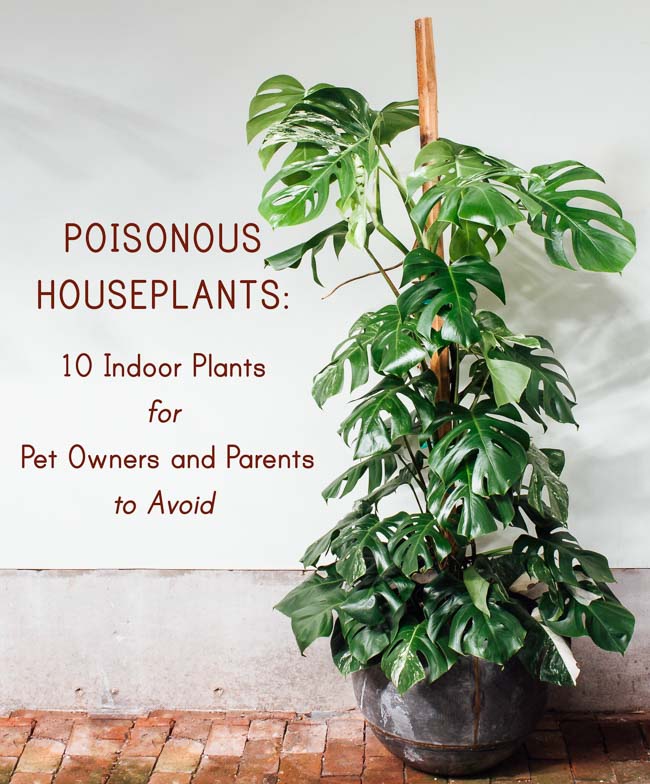
Yes, Monstera plants are toxic to babies. They contain calcium oxalate crystals, which can cause irritation.
Monstera plants, popular for their unique, split leaves, are a favorite among indoor plant enthusiasts. These vibrant green plants add a touch of nature to any home. But, if you have a baby, it is essential to know about the safety of these plants.
While Monstera plants are beautiful, they can pose a risk to your little one. Their leaves contain substances that may cause discomfort or harm if ingested or touched. Understanding the potential risks can help you make informed decisions about keeping Monstera plants in your home. Let’s explore the details and ensure your baby’s safety around these lovely yet potentially hazardous plants.

Introduction To Monstera Plants
Monstera plants add beauty to any home but can be toxic to babies. Keep them out of children’s reach.
Monstera plants are famous for their striking appearance. They have large, glossy leaves with unique holes. These holes give the plant a distinct, eye-catching look. Many people find them attractive and exotic. This plant type belongs to the Araceae family. They are native to tropical forests in Central America. Monstera plants need little care. They thrive in indoor environments. This makes them a popular choice for homes and offices. Their lush, green foliage adds life to any space.Popularity In Households
Monstera plants are very popular in households. Their beauty and easy care make them a favorite. They fit well in various home decor styles. From modern to rustic, they blend seamlessly. Many people love having them in their living rooms. They also look great in bedrooms and even bathrooms. Because they need little light, they are versatile in placement.Unique Characteristics
Monstera plants have unique characteristics. One of the most notable is their leaf pattern. The holes in the leaves are called fenestrations. These holes help the plant survive in the wild. They allow light to reach the lower leaves. Another unique trait is their aerial roots. These roots grow out of the stem. They help the plant climb and support itself. Aerial roots also absorb moisture from the air. Monstera plants can grow very large. In the wild, they can reach up to 70 feet. Indoors, they can still grow several feet tall. This makes them a dramatic addition to any space. “`Toxicity Concerns
Monstera plants, known for their stunning leaves, are popular in many homes. But are they safe for babies? The main concern revolves around their toxicity. Understanding these concerns is crucial for parents. Let’s dive into the specifics.
Chemical Composition
Monstera plants contain calcium oxalate crystals. These crystals are sharp and can cause irritation. When ingested, they can lead to pain and swelling in the mouth. The crystals are found in all parts of the plant. This includes the leaves, stems, and roots.
Calcium oxalate is not unique to Monstera. Many other houseplants contain it too. But its presence in Monstera makes it a concern for households with babies. Babies are curious and often put things in their mouths. This increases the risk of exposure.
Potential Risks
The most immediate risk is oral irritation. If a baby chews on a Monstera leaf, they may experience pain. Symptoms can include drooling and difficulty swallowing. In rare cases, it can cause breathing problems.
Here’s a quick overview of the potential risks:
- Mouth pain and swelling
- Drooling
- Difficulty swallowing
- Rarely, breathing issues
Contact with the skin can also cause irritation. This is less common but still possible. Keeping Monstera plants out of reach is the best precaution. Teaching older children about the risks is also helpful.
Symptoms Of Toxicity In Babies
Monstera plants are popular indoor plants known for their large, glossy leaves. But they can be toxic to babies if ingested. Recognizing symptoms of toxicity can help you act quickly. Here are the key symptoms to watch for.
Physical Reactions
When babies ingest parts of a Monstera plant, their bodies react in several ways. Look out for the following physical symptoms:
- Swelling: Lips, mouth, and tongue may swell.
- Skin Irritation: Redness and itching on the skin.
- Vomiting: Frequent vomiting due to ingestion.
- Diarrhea: Watery stools could occur.
Monitor these signs closely. If symptoms worsen, seek medical help.
Behavioral Signs
Babies may show changes in behavior if they ingest toxic plants. Here are some behavioral signs to be aware of:
- Restlessness: Baby may be unusually fussy or irritable.
- Loss of Appetite: Refusal to eat or drink.
- Excessive Drooling: More drooling than usual.
- Trouble Breathing: Shortness of breath or wheezing.
Behavioral changes can be subtle. Pay close attention to any unusual actions.
Immediate Actions If Ingested
Monstera plants are popular for their unique leaves and easy care. But they can be toxic if ingested. Babies are curious and might try to taste the leaves. So, it’s crucial to know what to do if this happens. Taking immediate action can prevent serious health issues.
First Aid Steps
If your baby eats a Monstera plant, act quickly. First, remove any plant pieces from their mouth. Use a clean cloth to wipe their mouth. Rinse their mouth with cool water. This helps to remove any remaining plant residue.
Next, give your baby some milk or water. This can help to dilute the toxins. But avoid forcing them to drink if they resist. Comfort your baby and keep them calm. Panicking can make the situation worse.
When To Seek Medical Help
Watch for symptoms like drooling, swelling, or difficulty swallowing. These signs mean you need to seek medical help. Call your local poison control center for advice. They can guide you on the next steps.
If your baby shows severe symptoms, go to the emergency room. Symptoms like difficulty breathing or severe swelling need urgent care. Bring a piece of the plant to show the doctors. This helps them to identify the toxin and provide proper treatment.
Always keep Monstera plants out of reach of children. Prevention is the best way to avoid these situations.
Preventive Measures
Monstera plants are beautiful but can be toxic to babies. Therefore, taking the right preventive measures is crucial to ensure safety. Below, we explore effective strategies for safe placement and childproofing your home.
Safe Placement Of Plants
One of the easiest ways to keep your baby safe is by placing Monstera plants out of reach. Consider the following options:
- High shelves or wall-mounted planters
- Hanging baskets or ceiling hooks
- Plant stands that are tall and sturdy
Using these methods, you can enjoy your Monstera without worrying about your baby getting too close. Make sure the placement is secure and stable to prevent any accidents.
Childproofing Tips
Childproofing your home involves more than just placing plants out of reach. Here are some additional tips to keep your baby safe:
- Use baby gates to block access to rooms with plants.
- Install cabinet locks if you store plants or plant supplies inside.
- Keep soil and plant food out of reach, as they can also be harmful.
- Regularly check for fallen leaves and clean them up promptly.
By following these childproofing tips, you can create a safe environment for your baby while still enjoying your Monstera plants. Remember, the key is to stay vigilant and make adjustments as needed.
Alternative Safe Plants
Monstera plants are beautiful, but they can be toxic to babies. If you have a little one crawling around, you might want to consider safer alternatives. There are many non-toxic houseplants that can add greenery to your home without the worry. Let’s explore some safe plants and their benefits.
Non-toxic Houseplants
Choosing non-toxic houseplants can give you peace of mind. Here are a few options that are safe for babies:
- Spider Plant: Easy to care for and safe.
- Boston Fern: Adds a touch of green and is non-toxic.
- Areca Palm: A beautiful plant that is also safe.
These plants are safe and can thrive in various home environments. They do not require much attention, making them ideal for busy parents.
Benefits Of Safe Plants
Safe plants offer more than just beauty. They have several benefits:
- Air Purification: Many safe plants can clean the air.
- Stress Relief: Greenery can reduce stress levels.
- Educational: Kids can learn about plants safely.
Having these plants around can create a healthy environment. They can improve the air quality and add to the home’s aesthetics. Plus, they are safe for your curious baby.
Consulting With Experts
If you have babies or young children, you might be worried about plant safety. Monstera plants are popular, but they can be toxic. To ensure your baby’s safety, it’s essential to consult with experts. Experts can provide accurate advice and peace of mind.
Pediatrician Advice
A pediatrician is your best resource for baby safety. They can tell you if a Monstera plant is safe around your baby. They may also advise on other safe plants for your home. If your baby eats any plant, call your pediatrician right away.
Poison Control Resources
Poison Control Centers are available to help in emergencies. If your baby eats a Monstera plant, call them immediately. They can tell you what steps to take next. It’s wise to keep their number handy. Here are some key contacts:
| Resource | Contact Information |
|---|---|
| National Poison Control Center | 1-800-222-1222 |
| Local Poison Control Center | Check your local directory |
Remember, safety is your priority. Keep toxic plants out of reach. Consult experts for any concerns.

Frequently Asked Questions
Are Monstera Plants Toxic To Babies?
Yes, Monstera plants are toxic to babies. Ingesting parts of the plant can cause irritation, vomiting, and difficulty swallowing.
What Happens If A Baby Eats Monstera?
If a baby eats Monstera, it can cause mouth irritation, swelling, and pain. Seek medical advice immediately.
How Can I Keep My Baby Safe Around Monstera?
Keep Monstera plants out of reach of babies. Use hanging planters or place them on high shelves.
Are Monstera Leaves Dangerous For Babies?
Yes, Monstera leaves are dangerous for babies if ingested. They contain calcium oxalate crystals that cause irritation.
Conclusion
Monstera plants add beauty to your home. But they can be harmful to babies. Keep these plants out of reach. Always supervise children around indoor plants. Safety comes first in every family home. Choose non-toxic plants if you have small kids.
Stay informed and protect your loved ones.
Leave a Reply