
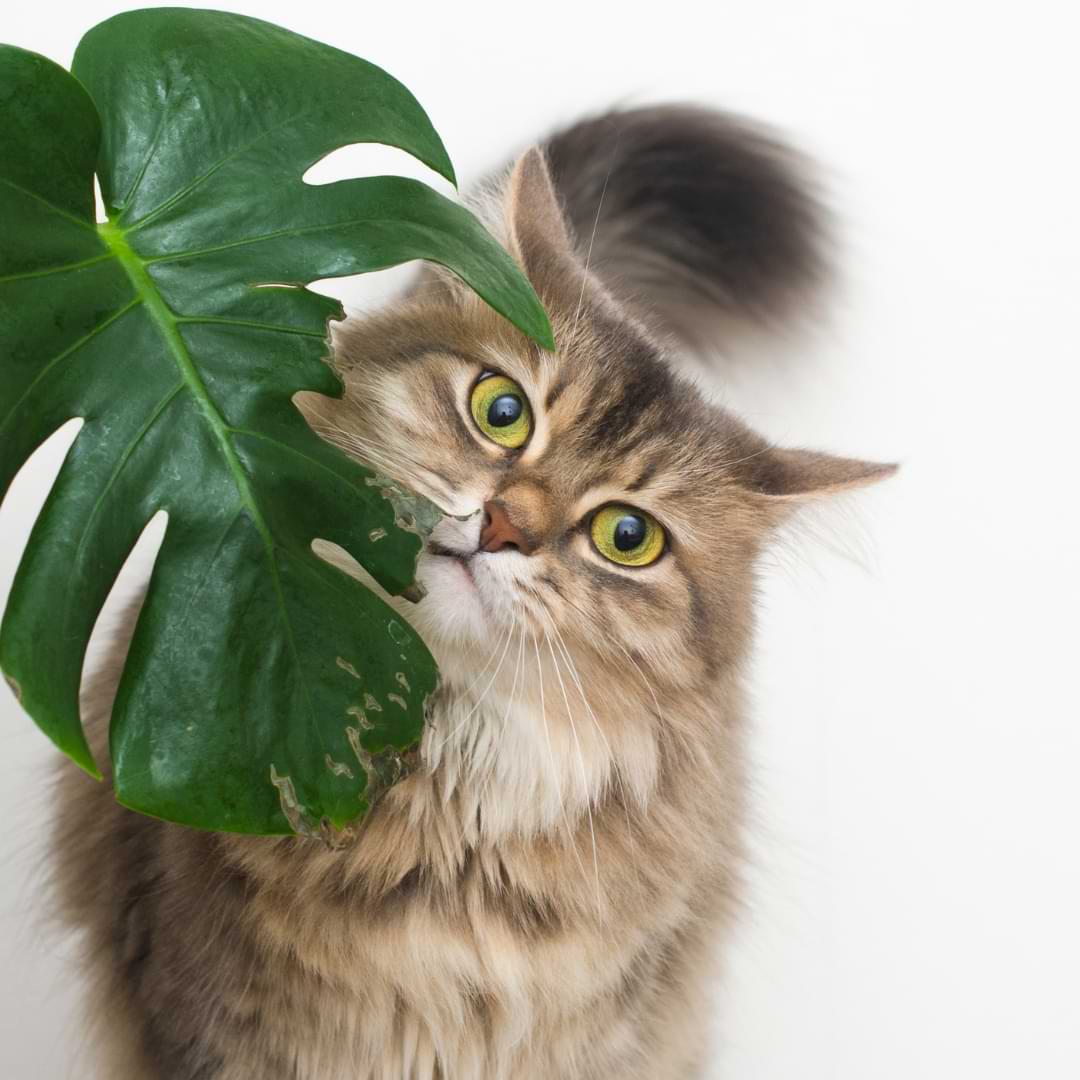
Yes, Monstera plants are toxic to pets and humans if ingested. The plant contains calcium oxalate crystals, which can cause irritation and swelling.
Monstera plants are popular for their stunning, split leaves. But, their beauty hides a dangerous side. Many plant lovers wonder about the safety of having Monstera in their homes. Specifically, they ask if these plants are toxic to pets and humans.
Understanding the risks is crucial for those with curious pets or young children. Knowing the potential hazards can help ensure a safe and beautiful home. In this post, we will explore the toxicity of Monstera plants. We will discuss symptoms of poisoning, and offer tips to prevent any mishaps. Stay informed and keep your loved ones safe while enjoying the charm of Monstera plants.
Introduction To Monstera Plants
The Monstera plant is a favorite among indoor plant lovers. Its large, unique leaves make it a striking addition to any home. But what do you need to know about these plants?
Popularity Of Monstera
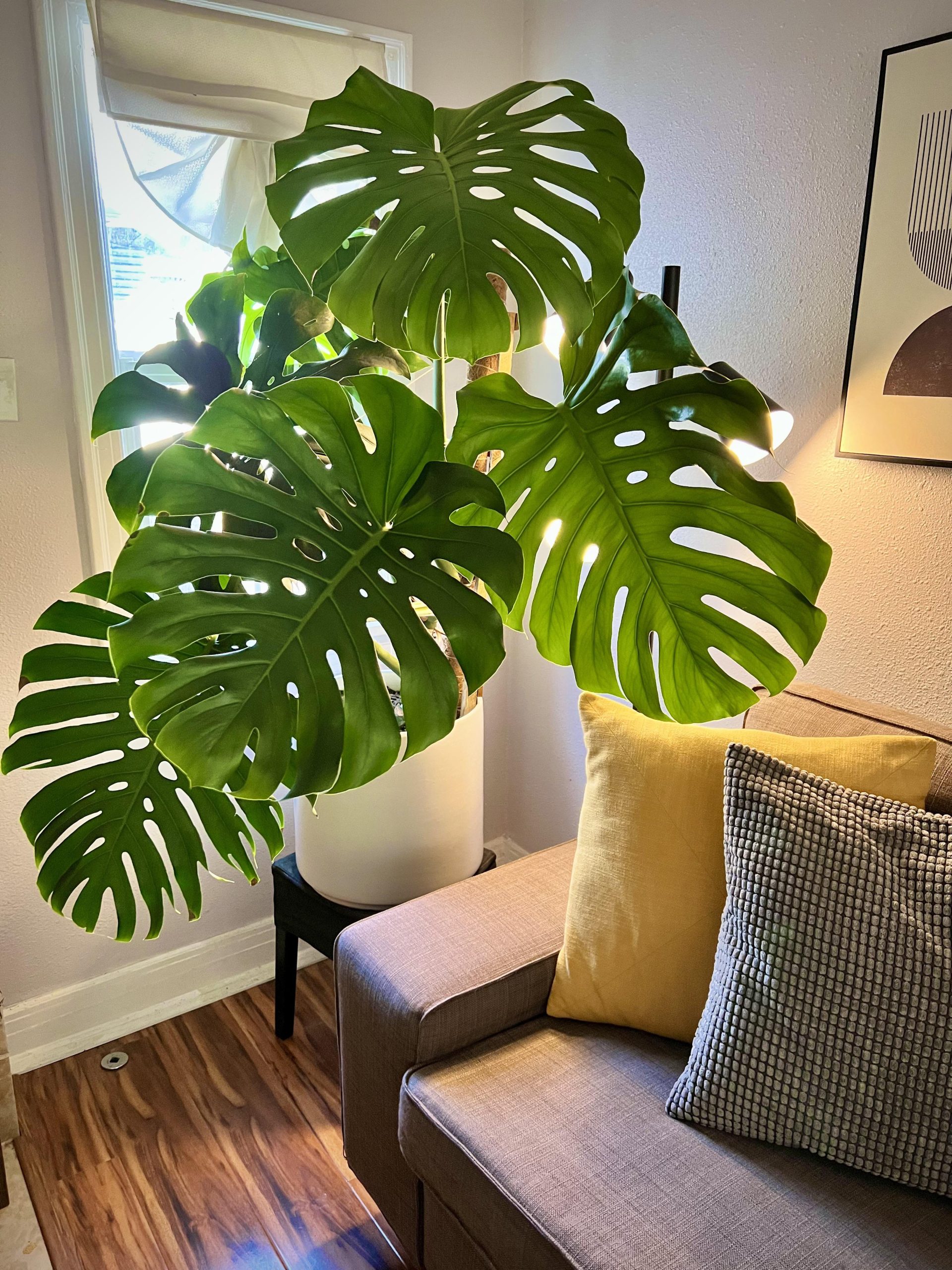
The Monstera plant, especially the Monstera Deliciosa, is very popular. This is due to its beautiful, large leaves with natural holes. These holes give it a tropical look. Many people love it for its easy care. It thrives in low light and needs minimal watering. This makes it perfect for busy people.
Origins And Types
Monstera plants come from the tropical forests of Central and South America. There are many types of Monstera plants. Here are a few popular ones:
- Monstera Deliciosa: Known for its large, holey leaves.
- Monstera Adansonii: Smaller leaves with many holes.
- Monstera Obliqua: Very rare with delicate, holey leaves.
Each type has its own unique look. They all add beauty and a touch of nature to your home.
Chemical Composition
Monstera plants are popular for their beautiful, unique leaves. But are they safe? Understanding the chemical composition of Monstera plants helps answer this question. These plants contain certain chemicals that can be harmful.
Calcium Oxalate Crystals
The main concern with Monstera plants is the presence of calcium oxalate crystals. These tiny, needle-like crystals are found throughout the plant. They are responsible for its toxicity. When ingested, they can cause irritation and discomfort.
Here is a table showing the parts of the plant and the presence of calcium oxalate crystals:
| Part of the Plant | Contains Calcium Oxalate Crystals |
|---|---|
| Leaves | Yes |
| Stems | Yes |
| Roots | Yes |
Impact On Humans And Pets
The impact on humans and pets can be severe. If a person or pet chews on a Monstera leaf, they may experience:
- Mouth pain
- Swelling
- Difficulty swallowing
- Nausea
Pets are especially vulnerable. Cats and dogs may show symptoms like:
- Drooling
- Pawing at the mouth
- Vomiting
- Loss of appetite
Ingesting large amounts can lead to more serious health issues. Always keep Monstera plants out of reach of children and pets.
Symptoms Of Toxicity
Monstera plants, while beautiful, can be toxic to both humans and pets. It’s crucial to recognize the symptoms of toxicity to act promptly. Understanding these signs can help prevent serious health issues.
Human Reactions
When humans come into contact with a Monstera plant, they may experience various symptoms. Here are the common reactions:
- Skin Irritation: Direct contact can cause redness, itching, or a rash.
- Mouth and Throat Irritation: Ingesting parts of the plant can lead to burning sensations in the mouth, throat, and lips.
- Swelling: Some people may notice swelling of the lips, tongue, and mouth.
- Digestive Issues: Ingesting Monstera can cause stomach pain, nausea, vomiting, and diarrhea.
In severe cases, symptoms may escalate, requiring medical attention.
Pet Reactions
Pets, especially cats and dogs, are curious and might chew on Monstera plants. Here are the signs of toxicity in pets:
- Drooling: Excessive drooling is a common first sign.
- Vomiting: Pets may vomit after ingesting the plant.
- Oral Pain: They may paw at their mouths due to pain or irritation.
- Difficulty Swallowing: Swelling in the mouth and throat can make swallowing difficult.
- Lethargy: Affected pets might appear unusually tired or weak.
If you observe any of these symptoms, contact your veterinarian immediately.
First Aid Measures
Monstera plants are popular for their beautiful leaves. Unfortunately, they are toxic. Knowing first aid measures is crucial if someone ingests or touches them. This section will guide you through the immediate steps and when to seek medical help.
Immediate Steps
If someone ingests Monstera plant parts, follow these steps:
- Remove any plant material from the mouth and rinse with water.
- Encourage the person to drink a small amount of milk or water to dilute the toxins.
- Do not induce vomiting unless instructed by a medical professional.
For skin contact, follow these steps:
- Wash the affected area with soap and water to remove any plant residue.
- Apply a cold compress to reduce itching or swelling.
When To Seek Medical Help
Seek medical help if the following symptoms occur:
| Symptom | Description |
|---|---|
| Severe Pain or Swelling | Unmanageable pain or swelling in the mouth, throat, or skin. |
| Breathing Difficulties | Shortness of breath or wheezing. |
| Allergic Reaction | Hives, rash, or difficulty swallowing. |
If you notice any of these symptoms, call your local poison control center or go to the emergency room immediately.
Preventive Measures
Monstera plants, known for their beautiful split leaves, can be toxic. It’s important to take preventive measures to keep yourself and your pets safe. Below are some tips on how to handle and place your Monstera plants safely.
Handling Tips
- Always wear gloves when touching the plant. Monstera sap can irritate your skin.
- Wash your hands thoroughly after handling the plant. This helps remove any sap residue.
- Keep Monstera plants out of reach of children and pets. They might chew on the leaves.
If you accidentally touch the sap, rinse your skin immediately. Use soap and water to clean the area well.
Safe Placement In Homes
Choosing the right spot for your Monstera plant is crucial. It can keep your household safe.
- Place the plant on high shelves. This keeps it away from kids and pets.
- Avoid placing it near doorways or busy areas. This reduces accidental contact.
- Use plant stands with stable bases. This prevents the plant from tipping over.
Consider placing the plant in rooms not frequented by children or pets. For example, use bedrooms or home offices. Make sure the plant gets indirect sunlight. This helps it grow well without being in the way.
Following these preventive measures ensures a safe environment for everyone. Enjoy the beauty of your Monstera plant without worry.

Monstera Care Tips
Monstera plants, known for their striking foliage, are popular indoor plants. Though they are easy to care for, proper attention is crucial to keep them thriving. Below are essential care tips to help your Monstera flourish.
Watering And Light
Monstera plants prefer moderate watering. Allow the top inch of soil to dry out before the next watering. Overwatering can cause root rot. Ensure the pot has drainage holes to prevent water from sitting at the bottom.
These plants thrive in bright, indirect light. Direct sunlight can scorch their leaves. If the light is too low, growth may slow down, and the leaves may not develop their characteristic splits.
| Watering | Light |
|---|---|
| Moderate, when top inch is dry | Bright, indirect light |
| Ensure good drainage | Avoid direct sunlight |
Pruning And Repotting
Regular pruning helps maintain the shape and size of your Monstera. Use clean, sharp scissors to remove dead or yellowing leaves. This encourages new growth and keeps the plant healthy.
Repotting is necessary when the plant outgrows its current pot. A larger pot gives the roots more room to grow. Repot your Monstera every 1-2 years, preferably in spring. Use a well-draining potting mix suitable for tropical plants.
- Remove dead or yellowing leaves
- Repot every 1-2 years
- Use a well-draining potting mix
Alternatives To Monstera
Are you concerned about the toxicity of Monstera plants? If you have pets or small children, you might seek safer options. Fortunately, many beautiful and non-toxic alternatives exist for your home.
Non-toxic Houseplants
Some houseplants are both beautiful and safe for your family and pets. Here are a few:
- Spider Plant: A resilient plant with long, arching leaves. It thrives in indirect light.
- Boston Fern: Known for its lush, feather-like fronds. It prefers a humid environment.
- Areca Palm: A graceful plant with feathery, arching fronds. It is easy to maintain.
- Parlor Palm: Compact and elegant, perfect for tabletops. It adapts to low light.
Decorative Options
Consider these alternatives to Monstera for a stunning and safe home decor:
| Plant | Description |
|---|---|
| Calathea | Vibrant leaves with striking patterns. Requires indirect light. |
| Peperomia | Compact and colorful. Perfect for small spaces. |
| Fittonia | Also known as the nerve plant. It has beautiful, veined leaves. |
| Hoya | Waxy, star-shaped flowers. It is a trailing plant. |
These plants are not just non-toxic but also stunning. They can brighten up any room and provide a safe environment for everyone in your home.
Frequently Asked Questions
Are Monstera Plants Toxic To Pets?
Yes, Monstera plants are toxic to pets. Ingesting parts of the plant can cause irritation, drooling, and vomiting in cats and dogs.
Can Monstera Plants Cause Skin Irritation?
Yes, Monstera plants can cause skin irritation. The sap of the plant may cause mild irritation and itchiness upon contact with skin.
What Part Of Monstera Is Toxic?
All parts of the Monstera plant are toxic. This includes leaves, stems, and roots. Ingesting any part can cause adverse reactions.
How To Keep Monstera Away From Pets?
Place Monstera plants out of reach of pets. Use plant stands, shelves, or hanging planters to keep them inaccessible.
Conclusion
Monstera plants are beautiful but can be toxic. Keep them out of reach. Pets and children may suffer if they ingest parts. Always wash hands after handling. Consider alternatives if you have curious pets. With care, you can enjoy these stunning plants safely.
Research and caution ensure a healthy home. Happy planting!