
Putting a Monstera in water is easy and fun. It can help your plant grow better.
Monstera plants are popular for their big, beautiful leaves. Many people love them because they are easy to care for. One way to help your Monstera thrive is to grow it in water. This method can be helpful, especially if you want to see the roots grow.
It also makes it easier to keep an eye on the plant’s health. In this blog post, we will explain how to put your Monstera in water. We’ll give you simple steps and tips to make sure your plant stays happy and healthy. So, let’s get started!
Introduction To Monstera In Water
Monstera plants, known for their stunning leaves, can thrive in water. This method of growing Monstera is called water propagation. It is simple and rewarding. Anyone can do it, even beginners.
Benefits Of Water Propagation
Water propagation offers several benefits. It’s a great way to observe root growth closely. You can spot any issues early. It also saves space. No soil means no mess.
Another advantage is the ease of care. Water propagation needs less attention. Just change the water every week. You can also use glass containers. These add an aesthetic touch to your home.
Ideal Conditions
Monstera plants need the right conditions to thrive. First, use clean, non-chlorinated water. Tap water can be used if left out for 24 hours. This allows chemicals to evaporate.
Next, choose a clear container. Glass jars or vases work well. These let you see root development. Place the container in indirect sunlight. Direct sunlight can harm the plant. The ideal temperature is between 65°F and 75°F (18°C to 24°C).
| Condition | Requirement |
|---|---|
| Water | Clean, non-chlorinated |
| Container | Clear glass |
| Sunlight | Indirect |
| Temperature | 65°F to 75°F (18°C to 24°C) |
Ensure the cutting has at least one node. Nodes are where roots will form. Place the cutting in water, covering the node. Change the water weekly. This prevents algae and bacteria growth.
With these conditions, your Monstera will thrive. Enjoy the beauty of your growing plant. Happy propagating!
Selecting The Right Monstera
Selecting the right Monstera for propagation in water is essential. A healthy Monstera will ensure successful growth and vibrant foliage. This section will guide you on how to choose the best Monstera cuttings and the ideal time for propagation.
Choosing Healthy Cuttings
Start with a mature Monstera plant. Look for cuttings with several leaves. Ensure the cutting includes a node. The node is where roots will develop. Avoid cuttings with yellow or brown leaves. Healthy leaves should be green and firm. Inspect the stem for any signs of disease or pests. Clean, strong stems are ideal for water propagation.
Best Time For Propagation
Spring and summer are the best seasons for propagation. During these times, Monstera plants are in their growing phase. They have more energy to develop roots. Avoid propagating in winter. Monstera growth slows down in cold weather. Warm temperatures and bright light help new roots grow faster. Ensure your Monstera gets indirect sunlight during propagation.
Preparing Monstera Cuttings
Getting your Monstera ready for water propagation is easy. It starts with preparing the cuttings. This step-by-step guide will help you. Follow along to ensure success.
Tools And Supplies Needed
Before you start, gather all necessary tools and supplies. You will need sharp scissors or pruning shears. Have a clean jar or vase ready. Make sure it is clear so you can see the roots grow. Fill it with filtered water. This helps avoid any chemicals that might harm the plant. You also need a clean cloth and rubbing alcohol. These are to clean your tools.
Trimming The Cutting
Next, select a healthy Monstera stem. It should have at least one node. Nodes are small bumps on the stem. They are crucial for root growth. Cut below the node using sharp scissors. Make sure the cut is clean. Remove any leaves near the cut end. This prevents them from rotting in the water. Trim any damaged or yellow leaves as well. Your cutting is now ready for water propagation.
Setting Up The Water Container
Setting up the water container for your Monstera is crucial. A good setup helps the plant thrive and grow strong roots. Let’s dive into the details of how to do this right.
Choosing The Right Container
Start by choosing the right container. It should be clear so you can see root growth. A glass jar or vase works well. Ensure the container is clean and free from chemicals. The size of the container should be appropriate for the plant’s size. The container must hold the stem without tipping over.
Water Quality And Temperature
Water quality is important for your Monstera. Use distilled or filtered water. Tap water can contain harmful chemicals. If you must use tap water, let it sit for 24 hours. This allows chlorine to evaporate.
Temperature is another key factor. Monstera prefers water at room temperature. Cold water can shock the roots. Warm water can promote bacterial growth. Aim for water between 65°F and 75°F.
Placing Monstera In Water
Placing Monstera in water is a great way to propagate this popular houseplant. It’s an easy process that can yield rewarding results. By following a few simple steps, you can watch your Monstera thrive in water. Proper placement ensures successful rooting and healthy growth.
Positioning The Cutting
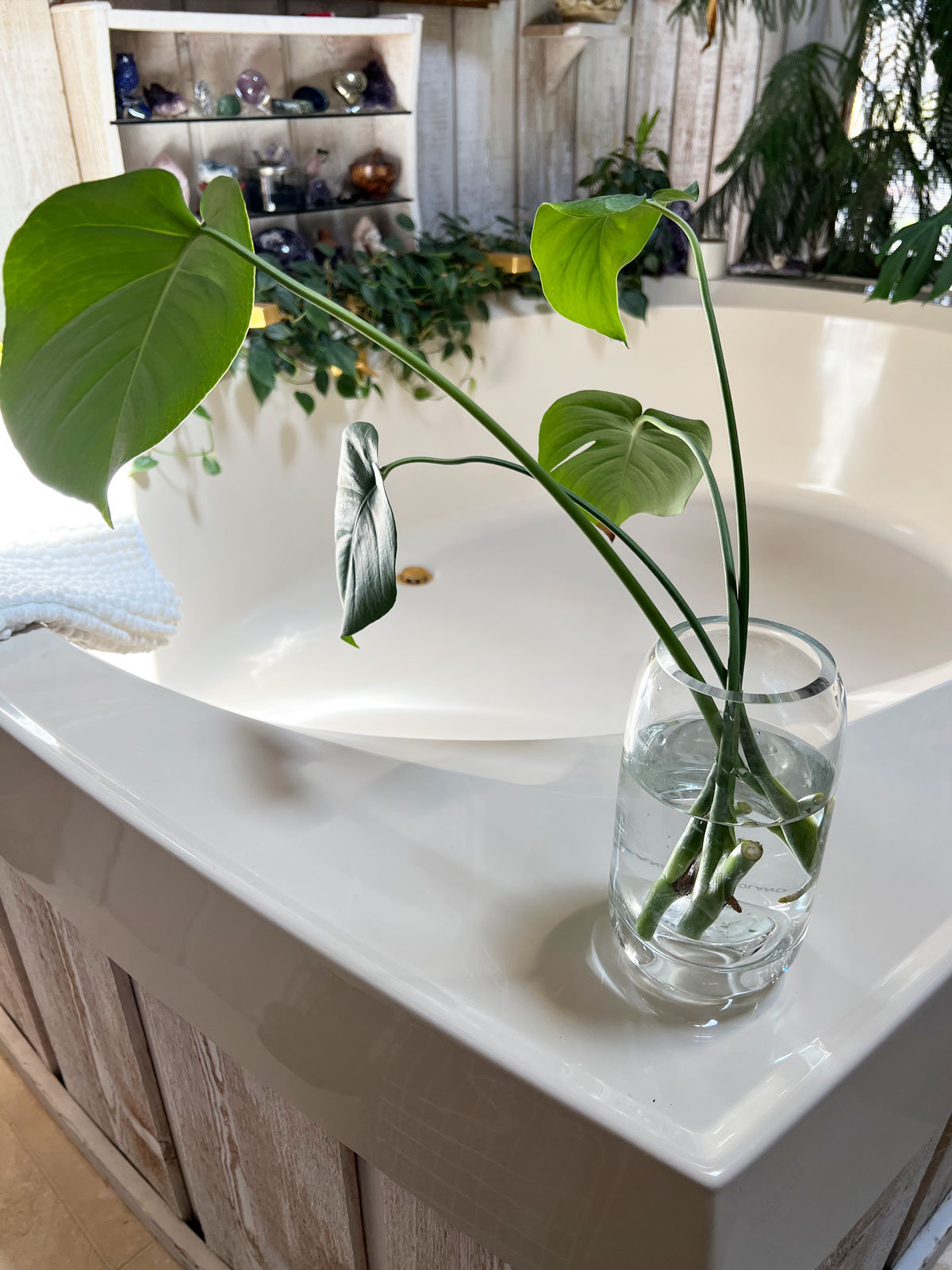
First, take a Monstera cutting with at least one node. The node is where roots will develop. Trim off any lower leaves to prevent rot. Place the cutting in a clear container filled with water. Make sure the node is submerged.
Ensuring Proper Submersion
Ensure the node remains fully submerged in the water. Only the node should be underwater, not the leaves. Change the water every week to keep it fresh. This prevents bacteria buildup and encourages root growth.
Place the container in a spot with bright, indirect light. Avoid direct sunlight, which can harm the cutting. Within a few weeks, you should see roots forming. Once the roots are a few inches long, you can transfer the cutting to soil if desired.
Caring For Monstera In Water
Place Monstera roots in a clear container filled with water. Ensure the water level covers the roots. Change the water weekly to keep it fresh.
Caring for a Monstera plant in water is simple and rewarding. This method lets you observe the roots grow and thrive. It also makes a beautiful display in your home.Changing Water Regularly
Change the water every one to two weeks. This keeps the water fresh and oxygenated. Stagnant water can harm your Monstera. Rinse the container to remove any algae or dirt build-up. Clean water helps prevent root rot. Always use room temperature water to avoid shocking the plant.Monitoring Root Growth
Check the roots every few days. Healthy roots are white and firm. Brown or slimy roots indicate a problem. Trim any damaged roots with clean scissors. This helps the plant stay healthy. Watch for new root growth as a sign of a thriving plant. “`Common Problems And Solutions
Monstera plants often face root rot when placed in water. Ensure clean water and change it weekly to prevent issues. Trim damaged roots regularly for healthy growth.
Growing Monstera in water can be rewarding. But sometimes, problems arise. Here, we address common issues and how to fix them. Follow these tips to keep your Monstera healthy.Yellowing Leaves
Yellow leaves on your Monstera could indicate several issues. Often, it’s due to too much light. Place the plant in indirect sunlight. If light isn’t the problem, check the water quality. Tap water with chlorine can harm the plant. Use filtered or distilled water instead. Over-fertilizing can also cause yellow leaves. Monstera in water need fewer nutrients. Dilute the fertilizer or reduce feeding frequency. Ensure the plant gets enough fresh air. Stagnant air can stress the plant.Root Rot Prevention
Root rot is a serious issue for Monstera in water. It occurs when roots stay wet for too long. Change the water every week to prevent this. Clean the container to remove any algae or debris. Use a clear container to monitor root health. Ensure proper air circulation. Roots need oxygen to stay healthy. Place the Monstera in a well-ventilated area. If you see brown or mushy roots, trim them immediately. Use sterilized scissors to avoid spreading disease. By addressing these problems, your Monstera can thrive in water. Follow these simple steps for a healthy and beautiful plant. “`
Transferring To Soil
Transferring your Monstera from water to soil is a crucial step. It ensures the plant continues to thrive. The process requires patience and care. Proper timing and method are key for a smooth transition.
When To Transfer
Knowing the right time is essential. Look for these signs:
- Roots are around 3 inches long.
- New growth appears healthy and vibrant.
- The plant outgrows its container.
If these conditions are met, it’s time to transfer.
Steps For Smooth Transition
Follow these steps for a successful transfer:
- Prepare the soil: Choose a well-draining potting mix. Mix in perlite or sand for better drainage.
- Select a pot: Use a pot with drainage holes. This prevents waterlogging.
- Remove the plant: Gently take the Monstera out of the water. Be careful not to damage the roots.
- Plant the Monstera: Place the roots in the pot. Cover them with soil, leaving the stem and leaves exposed.
- Water the plant: Give it a good drink. Ensure the soil is moist but not soggy.
- Adjust light: Place the pot in indirect sunlight. Avoid direct sun to prevent leaf burn.
Monitor the plant closely. Adjust care as needed to support healthy growth.
Frequently Asked Questions
How Do You Grow Monstera In Water?
To grow Monstera in water, cut a healthy stem below a node. Place the stem in a jar of water. Ensure the node is submerged. Change the water weekly to prevent bacteria buildup. Keep the jar in indirect sunlight.
Can Monstera Survive In Water Only?
Yes, Monstera can survive in water only. However, it requires regular water changes. Ensure the water is clean and fresh. Providing occasional nutrients helps the plant thrive.
How Often Should I Change Water For Monstera?
Change the water for Monstera weekly. Clean water prevents bacteria and algae growth. Fresh water also provides necessary oxygen. Regular water changes ensure healthy growth.
What Type Of Water Is Best For Monstera?
Use room temperature, filtered water for Monstera. Avoid using chlorinated tap water. Chlorine can harm the plant. If using tap water, let it sit out for 24 hours before use.
Conclusion
Putting your Monstera in water is easy and rewarding. Follow the steps carefully. Choose a healthy plant, trim, and place it in a jar. Change the water weekly to keep it fresh. Watch for root growth and overall health. This method not only looks beautiful but also keeps your Monstera thriving.
Happy plant parenting!
Leave a Reply