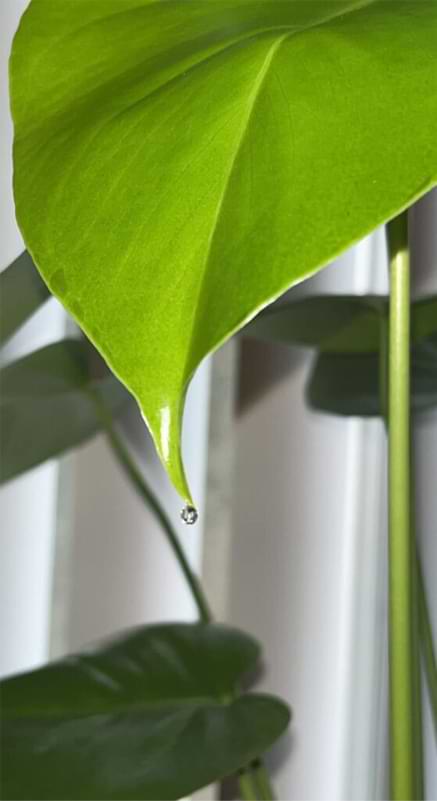
Monstera plants are known for their unique, holey leaves. But why do they drip water?
This is a common question among plant enthusiasts. Monstera plants drip due to a process called guttation. This happens when the plant excretes excess water from its leaves. It’s a natural process and usually nothing to worry about. Guttation occurs when the soil is moist, and the plant absorbs more water than it needs.
The excess water then escapes through small openings on the edges of the leaves. Understanding why your Monstera drips can help you care for it better. This guide will explain the reasons and what you can do to ensure your Monstera stays healthy. Keep reading to learn more about this fascinating plant behavior.
Monstera Plant Basics
The Monstera plant is popular among indoor gardeners. Its unique, split leaves add a tropical vibe to any space. Many people love its easy care and striking appearance.
Origins And Varieties
Monstera plants come from Central and South America. They thrive in tropical rainforests. There are several varieties, each with its own charm. The Monstera Deliciosa is the most common type. It has large, glossy leaves with natural holes. Another popular variety is the Monstera Adansonii. This type has smaller leaves, but they still have the distinctive holes.
Growth Habits
Monstera plants grow quickly. In the wild, they climb trees using aerial roots. These roots help them reach sunlight. Indoors, they can grow several feet tall. Provide a support, like a moss pole, for best growth.
Monstera plants like bright, indirect light. They need well-draining soil and regular watering. Overwatering can cause problems. Let the top inch of soil dry out between waterings. These plants also enjoy high humidity.

Understanding Guttation
Many Monstera owners notice small droplets on the edges of their plant’s leaves. This phenomenon, known as guttation, often raises questions. It’s essential to understand what guttation is and what causes it. This knowledge helps maintain the health of your Monstera.
What Is Guttation?
Guttation is the process where a plant exudes water droplets from its leaves. These droplets form at the leaf margins or tips. Unlike dew, guttation occurs due to internal plant processes. It usually happens at night or early morning.
Causes Of Guttation
Several factors cause guttation in Monstera plants. The primary cause is high soil moisture. When the soil is very wet, the plant absorbs more water than it needs. The excess water is then expelled through leaf tips.
Another cause is high humidity. In humid environments, plants absorb moisture from the air. This can lead to an excess of water inside the plant. As a result, the plant releases this water through guttation.
Lastly, guttation can occur due to root pressure. During the night, when transpiration slows down, root pressure builds up. This pressure forces water out of the leaf margins.
Monstera Dripping Phenomenon
The Monstera plant is known for its unique leaves and tropical charm. Yet, many plant enthusiasts notice something unusual. Their Monstera drips water from its leaves. This phenomenon may seem puzzling but has a simple explanation. Understanding why Monstera drips can help you better care for your plant.
Why Monstera Drips
Monstera plants drip due to a process called guttation. Guttation happens when the plant takes up more water than it needs. Excess water exits through small openings called hydathodes. This usually occurs at night or in the early morning. High humidity levels and overwatering can also trigger guttation.
Signs Of Guttation
Look for droplets of water on the leaf edges. These droplets are clear and often mistaken for dew. You may also notice water stains on the floor or plant stand. If the conditions are right, guttation will be more frequent.
Environmental Factors
Monstera plants, often referred to as “Swiss Cheese Plants,” are beautiful additions to any home. They are known for their large, glossy leaves with unique perforations. But sometimes, these plants start to drip water from their leaves, which can be concerning. Understanding the environmental factors that contribute to this phenomenon can help you take better care of your Monstera.
Humidity Levels
Humidity plays a significant role in the health of your Monstera. These tropical plants thrive in high humidity environments. When the air is too dry, Monstera may release excess water through their leaves. This process is called guttation.
To maintain ideal humidity levels, consider the following tips:
- Use a humidifier in the room where your Monstera is placed.
- Mist the leaves with water regularly.
- Place the plant on a tray filled with pebbles and water.
By ensuring the humidity is high enough, you can reduce the occurrence of dripping.
Soil Moisture
Another critical factor is soil moisture. Overwatering your Monstera can lead to excess water being expelled from the leaves. This is another form of guttation.
To maintain proper soil moisture, follow these guidelines:
- Ensure the pot has proper drainage to prevent waterlogging.
- Allow the top inch of soil to dry out before watering again.
- Use a well-draining soil mix.
Monitoring and adjusting your watering habits can help keep your Monstera healthy and reduce dripping.
Watering Practices
Monstera plants are beloved for their unique leaves and tropical charm. Yet, many plant owners notice their Monstera dripping water. This dripping usually links back to watering practices. Understanding the right way to water your Monstera can keep it healthy and vibrant.
Proper Watering Techniques
Water your Monstera deeply but not too often. Allow the top 2 inches of soil to dry out before watering again. This mimics the plant’s natural environment. Always use room temperature water. Cold water can shock the roots.
Ensure your pot has drainage holes. Excess water should escape to prevent root rot. Use a saucer under the pot to catch drained water. Empty the saucer after watering to avoid waterlogged roots.
Effects Of Overwatering
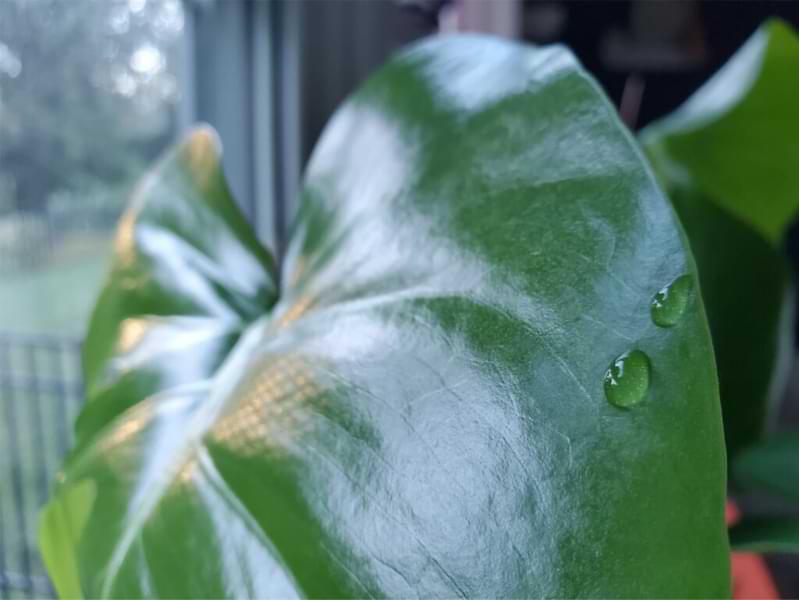
Overwatering is a common mistake. It causes the plant to drip water from its leaves. This is called guttation. It occurs when the plant cannot absorb all the water in the soil. The excess water is pushed out through tiny holes in the leaves.
Overwatering can also lead to root rot. This is a serious condition. It weakens the plant and can be fatal. Symptoms of root rot include yellow leaves and a foul smell from the soil. Water less frequently and ensure proper drainage to prevent this.
Nutrient Management
Understanding why your Monstera drips can be puzzling. One key aspect is nutrient management. This involves ensuring your plant receives the correct balance of nutrients. Proper nutrient management keeps your Monstera healthy and minimizes dripping.
Fertilizer Use
Using the right fertilizer is crucial. Monstera plants need balanced nutrients to thrive. A balanced fertilizer contains nitrogen, phosphorus, and potassium. These nutrients help with growth and health. Over-fertilizing can cause issues. Too much fertilizer can lead to salt build-up. This build-up causes the plant to release excess water. This is one reason for dripping.
Consider using a slow-release fertilizer. This type of fertilizer releases nutrients over time. It prevents nutrient overload and keeps your Monstera healthy.
- Use a balanced fertilizer with equal parts nitrogen, phosphorus, and potassium.
- Follow the recommended dosage on the fertilizer package.
- Opt for slow-release fertilizers to avoid nutrient overload.
Nutrient Imbalance
Nutrient imbalance can also cause your Monstera to drip. This happens when the plant gets too much or too little of certain nutrients. For example, too much nitrogen can lead to excessive water intake. The plant then releases this extra water through its leaves.
Ensuring a balanced diet for your Monstera is key. Regularly check the soil’s nutrient levels. This helps you adjust your fertilization routine accordingly.
| Nutrient | Role | Signs of Imbalance |
|---|---|---|
| Nitrogen | Growth | Yellowing leaves, stunted growth |
| Phosphorus | Root development | Dark green leaves, weak stems |
| Potassium | Overall health | Brown leaf edges, weak roots |
By managing the nutrients properly, you can reduce the risk of your Monstera dripping. This keeps your plant healthy and vibrant.
Health Implications
Monstera plants often drip water from their leaves. This is a natural process called guttation. It is important to understand the health implications of this process. Knowing more can help you take better care of your Monstera plant.
Is Guttation Harmful?
Guttation is not harmful to your Monstera plant. It is a sign of good health. The plant releases excess water through leaf tips. This usually happens during the night. When water pressure builds up, the plant releases it. This is a normal and healthy process.
Common Plant Health Issues
While guttation is normal, other signs may indicate health issues. Watch for yellowing leaves. This can be a sign of overwatering. Dry, crispy leaf edges may mean the plant is too dry. Check the soil moisture regularly.
Fungal growth on the soil or leaves is another issue. It often results from excessive moisture. Ensure good air circulation around the plant. Remove any dead leaves to prevent mold growth.
| Sign | Possible Issue |
|---|---|
| Yellow Leaves | Overwatering |
| Dry, Crispy Edges | Underwatering |
| Fungal Growth | Excessive Moisture |
Keep an eye on your plant’s overall health. Balance water and light for the best results. Remember, each sign can have multiple causes. Monitor your plant and adjust care as needed.
Preventing Excessive Dripping
Preventing excessive dripping in your Monstera plant is crucial for its health. Excessive dripping can lead to root rot and other issues. Here are some effective ways to manage and reduce dripping.
Adjusting Watering Schedule
Check your plant’s soil before watering. Ensure it’s dry to touch. Overwatering is a common cause of dripping. Water your Monstera less frequently. Use a moisture meter to be precise. Avoid watering during humid weather. This helps maintain proper soil moisture.
Improving Air Circulation
Good air circulation is vital for Monstera plants. Place your plant in a well-ventilated area. Use a fan to increase airflow around the plant. Ensure the plant isn’t too close to other plants. This prevents moisture buildup. Open windows or use a dehumidifier if the room is too humid.
Frequently Asked Questions
Why Does My Monstera Drip Water?
Monstera drips water due to a process called guttation. This happens when the plant excretes excess water through tiny openings in its leaves. It’s a natural process and usually indicates good health.
Is Monstera Dripping Normal?
Yes, Monstera dripping is normal. It occurs through guttation, where the plant releases excess water. This is a sign of healthy hydration and is common in many houseplants.
How Can I Stop My Monstera From Dripping?
You can reduce Monstera dripping by adjusting its watering schedule. Ensure the soil isn’t overly saturated. Water your Monstera when the top inch of soil feels dry.
Does Monstera Dripping Mean Overwatering?
Not necessarily. Monstera dripping can indicate high humidity or natural water release. Check soil moisture to ensure you’re not overwatering. Adjust watering frequency if the soil remains too wet.
Conclusion
Monstera plants drip due to excess moisture and humidity. This natural process, called guttation, helps release extra water. Proper care ensures a healthy plant. Adjust watering routines to prevent overwatering. Monitor humidity levels in your home. Use a well-draining soil mix.
Healthy Monsteras show fewer dripping issues. Understanding these factors keeps your plant thriving. Enjoy the unique beauty of your Monstera. Happy gardening!
Leave a Reply