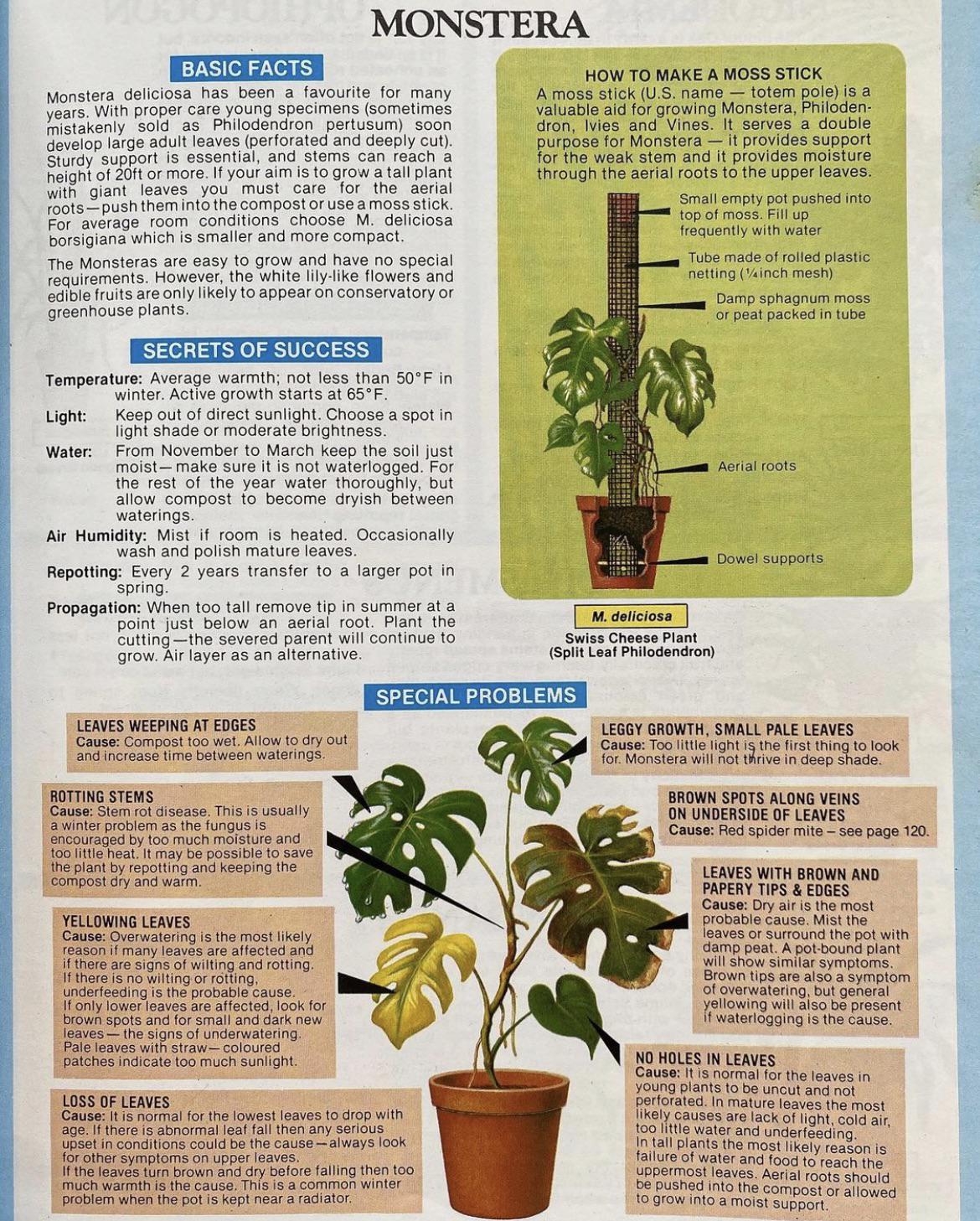
Monstera plants are popular for their unique, split leaves. They add a touch of the tropics to any home.
Caring for a Monstera might seem daunting at first. With the right tips and tricks, it becomes much easier. This blog will share valuable insights for Monstera care. Whether you’re a seasoned plant parent or just starting, these practical suggestions will help.
Learn how to keep your Monstera healthy and thriving. From light needs to watering schedules, we cover it all. Let’s dive into the world of Monstera care and make your plant journey enjoyable and successful.

Choosing The Right Monstera
Choosing the right Monstera can be a delightful journey. With many varieties available, understanding what suits your space and care routine is key. Here are some tips to help you select the perfect Monstera for your home.
Varieties To Consider
Monsteras come in several varieties, each with unique characteristics. The most common type is Monstera deliciosa, known for its large, split leaves. This variety can grow quite big, making it perfect for spacious areas.
If you have less space, consider Monstera adansonii. This variety has smaller, more perforated leaves. It’s great for hanging baskets or smaller pots. Another option is Monstera siltepecana. This variety starts with silver leaves that develop holes as they mature.
Each variety offers a different aesthetic. Choose one that fits your decor and space requirements.
Selecting Healthy Plants
When picking a Monstera, look for vibrant, green leaves. Avoid plants with yellowing or browning foliage. These can indicate poor health or disease. Check the soil and roots. Healthy roots are white or light tan, not mushy or dark.
Inspect the plant for pests. Small, white insects or sticky residue can be signs of infestation. Choose plants from reputable nurseries or sellers. This ensures better care practices and healthier plants.
Healthy Monsteras will adapt better to new environments and thrive in your home. Taking the time to select a healthy plant will pay off in the long run.
Ideal Growing Conditions
Creating the perfect environment for your Monstera plant is crucial. This ensures healthy growth and vibrant leaves. Let’s dive into the ideal growing conditions for your Monstera, focusing on light, temperature, and humidity.
Light Requirements
Monstera plants thrive in bright, indirect light. Avoid direct sunlight as it can scorch the leaves. Place your Monstera near a window with filtered light. If natural light is limited, consider using grow lights.
Temperature And Humidity
Monstera plants prefer warm temperatures. The ideal range is between 65°F and 85°F. Keep your plant away from cold drafts and sudden temperature changes.
Humidity is also important for Monsteras. Aim for a humidity level of 60% or higher. Use a humidifier or place a tray of water near the plant to increase humidity.
Planting And Repotting
Planting and repotting your Monstera are crucial steps for healthy growth. This section covers essential tips and tricks to make the process smooth and successful.
Soil Mix
Choosing the right soil mix is vital for your Monstera. A well-draining mix helps prevent root rot.
Use a blend of:
- 1 part potting soil
- 1 part perlite or pumice
- 1 part orchid bark
This mix keeps the soil airy and helps water drain quickly.
Ensure the pot has drainage holes to avoid water accumulation.
When To Repot
Repotting is necessary when your Monstera outgrows its current pot. Look for these signs:
- Roots are growing out of the drainage holes.
- The plant looks top-heavy and unstable.
- The soil dries out too quickly after watering.
Repotting is best done in spring or early summer. The plant is more resilient during this growing period.
Choose a pot that is 2-4 inches larger in diameter than the current one. This gives the roots ample space to expand.
During repotting, carefully remove the plant from its old pot. Shake off excess soil and trim any damaged roots. Place the Monstera in the new pot, fill with fresh soil mix, and water thoroughly.
Repotting every 1-2 years keeps your Monstera healthy and encourages growth.
Watering Your Monstera
Watering your Monstera properly is key to its health and growth. These plants need the right balance of water to thrive. Too much or too little can cause problems.
Watering Schedule
Set a regular watering schedule for your Monstera. Typically, watering every 1-2 weeks works well. This depends on your home’s humidity and temperature. Check the soil before watering.
- Stick your finger into the soil.
- If the top 2 inches are dry, it’s time to water.
Using a moisture meter can help determine soil moisture. This tool provides more accurate readings.
Signs Of Overwatering
Overwatering can harm your Monstera. Look for these signs:
- Yellowing leaves
- Wilting
- Root rot
If you notice these signs, reduce watering. Allow the soil to dry out more between waterings. Ensure the pot has proper drainage to prevent root rot.
Fertilizing For Growth
Monstera plants need the right nutrients to thrive. Fertilizing helps promote healthy growth. It also ensures your plant stays vibrant and strong. Here, we will discuss the best fertilizers and how often to use them.
Best Fertilizers
Choosing the right fertilizer is key. Monstera plants benefit from a balanced, water-soluble fertilizer. Look for a fertilizer with equal parts nitrogen (N), phosphorus (P), and potassium (K). A 20-20-20 formula works well.
| Fertilizer Type | Benefits |
|---|---|
| Balanced 20-20-20 | Promotes overall growth and health |
| Organic Fertilizers | Improves soil quality and provides slow-release nutrients |
Organic options are also great. They improve soil health over time. Compost, worm castings, and fish emulsion are excellent choices. They provide a steady release of nutrients.
Application Frequency
How often you fertilize matters. For Monstera plants, fertilize every 4-6 weeks during the growing season. This period is typically from spring to early fall.
- Spring to Early Fall: Fertilize every 4-6 weeks
- Winter: Reduce to once every 8-10 weeks
In winter, reduce the frequency. The plant’s growth slows down. Fertilize once every 8-10 weeks to avoid overfeeding.
Always follow the instructions on the fertilizer package. Over-fertilizing can harm your plant. Less is often more when it comes to feeding Monstera.
In summary, choosing the right fertilizer and applying it correctly helps your Monstera grow strong and healthy. Happy growing!
Pruning And Maintenance
Pruning and maintenance are essential for keeping your Monstera healthy. Trim dead leaves and stems to encourage growth. Regularly check for pests and dust off the leaves for better photosynthesis.
Keeping your Monstera plant healthy requires regular pruning and maintenance. Pruning helps the plant stay in shape and encourages new growth. It also prevents the plant from becoming too dense. Proper maintenance ensures your Monstera thrives and remains a beautiful centerpiece in your home.Trimming Techniques
To trim your Monstera, use clean, sharp scissors or pruning shears. Cut just above a leaf node to remove unwanted stems. This helps maintain the plant’s shape. Remove yellow or damaged leaves to promote overall plant health. Make sure to cut at an angle. This prevents water from pooling on the cut surface.Encouraging New Growth
Pruning can encourage new growth in your Monstera. Trim back the longest stems to encourage bushier growth. Cutting back stems stimulates the plant to produce new shoots. This results in a fuller, healthier plant. Also, remove any aerial roots that may look unsightly. This keeps your Monstera looking neat and tidy. “`Common Pests And Diseases
The stunning Monstera plant is a favorite among indoor gardeners. Yet, it can face pests and diseases. Recognizing these issues early is crucial. It helps keep your Monstera healthy and vibrant.
Identifying Issues
Spotting problems early is key. Here are some common pests and diseases that affect Monstera plants:
- Spider Mites: Tiny, web-spinning pests that cause yellow spots on leaves.
- Mealybugs: White, cotton-like insects that cluster on stems and leaves.
- Scale Insects: Small, brown or black bumps on stems and leaves.
- Aphids: Small, green insects that suck sap and cause curling leaves.
- Root Rot: Fungal disease caused by overwatering, leading to mushy roots.
- Leaf Spot: Fungal or bacterial spots that appear brown or black on leaves.
Treatment Options
Effective treatment methods can save your Monstera. Here are some solutions for the common pests and diseases:
| Issue | Treatment |
|---|---|
| Spider Mites | Spray with a mixture of water and mild soap. Wipe leaves clean. |
| Mealybugs | Remove with a cotton swab dipped in rubbing alcohol. Repeat weekly. |
| Scale Insects | Use horticultural oil or insecticidal soap. Apply every 7-10 days. |
| Aphids | Spray with neem oil or insecticidal soap. Ensure thorough coverage. |
| Root Rot | Remove affected roots. Repot in fresh, well-draining soil. Reduce watering. |
| Leaf Spot | Prune affected leaves. Use a fungicide. Improve air circulation around the plant. |
Propagation Methods
Monstera plants are beloved for their stunning, perforated leaves and easy care. Propagating Monstera is a rewarding way to expand your collection. There are a few effective methods to propagate these beautiful plants. This guide covers two popular methods: stem cuttings and air layering.
Stem Cuttings
Stem cuttings are a simple and popular way to propagate Monstera. Begin by choosing a healthy stem with at least one node. Nodes are the small bumps on the stem where leaves and roots grow.
Using a clean, sharp knife or scissors, cut below the node. Remove any leaves near the cut to expose the node. Place the cutting in a jar of water, ensuring the node is submerged. Change the water every few days to keep it fresh.
In a few weeks, roots will begin to form. Once the roots are a few inches long, plant the cutting in soil. Keep the soil moist, but not waterlogged. Soon, you will see new growth, signaling your new Monstera plant is thriving.
Air Layering
Air layering is another effective method for propagating Monstera. This technique involves encouraging roots to grow while the stem is still attached to the parent plant. Select a healthy stem and locate a node. Make a small cut below the node, about halfway through the stem.
Wrap moist sphagnum moss around the cut area. Secure the moss with plastic wrap, making sure it stays moist. You can use a twist tie or string to keep the plastic wrap in place.
After a few weeks, roots will start to grow into the moss. Once a good root system has developed, cut the stem below the new roots. Carefully remove the plastic wrap and plant the rooted section in soil. Keep the soil consistently moist until the plant establishes itself.
Both stem cuttings and air layering are effective ways to propagate Monstera. Choose the method that best suits your needs and enjoy growing new plants from your existing Monstera.
Decorating With Monstera
Monstera plants are a popular choice for indoor decorating. Their large, unique leaves add a tropical touch to any space. Learn how to place your Monstera indoors and pair it with other plants for a stunning effect.
Indoor Placement Ideas
Where you place your Monstera can change the look of your room. Here are some ideas:
- Living Room: Place a Monstera in a bright corner.
- Bedroom: Use a Monstera as a bedside plant.
- Office: Brighten your workspace with a Monstera on your desk.
Monstera plants thrive in bright, indirect light. Avoid placing them in direct sunlight. They also enjoy a humid environment.
Pairing With Other Plants
Monstera plants look great with other plants. Here are some pairing ideas:
- Fiddle Leaf Fig: Both have large, bold leaves.
- Snake Plant: The upright leaves contrast nicely with Monstera’s shape.
- Philodendron: Similar care needs make them a good match.
When pairing plants, consider their light and water needs. Grouping plants with similar needs makes care easier.

Frequently Asked Questions
How Do I Care For My Monstera Plant?
To care for a Monstera, provide bright, indirect light. Water when the top inch of soil is dry. Maintain humidity and avoid direct sunlight.
Why Are My Monstera Leaves Turning Yellow?
Yellow leaves on a Monstera can indicate overwatering or poor drainage. Ensure the soil dries out between waterings and check for root rot.
How Often Should I Water My Monstera?
Water your Monstera when the top inch of soil is dry. Typically, this means watering every 1-2 weeks, depending on humidity and temperature.
Can Monstera Grow In Low Light?
Monstera can tolerate low light but prefers bright, indirect light. In low light, growth may slow, and leaves might become smaller.
Conclusion
Caring for your Monstera can be simple and rewarding. Follow these tips to keep your plant healthy. Water it properly, provide enough light, and use the right soil. Prune your Monstera to manage its growth. Monitor it for pests regularly.
With attention and care, your Monstera will thrive and beautify your space. Enjoy your journey with this unique plant. Happy growing!
Leave a Reply