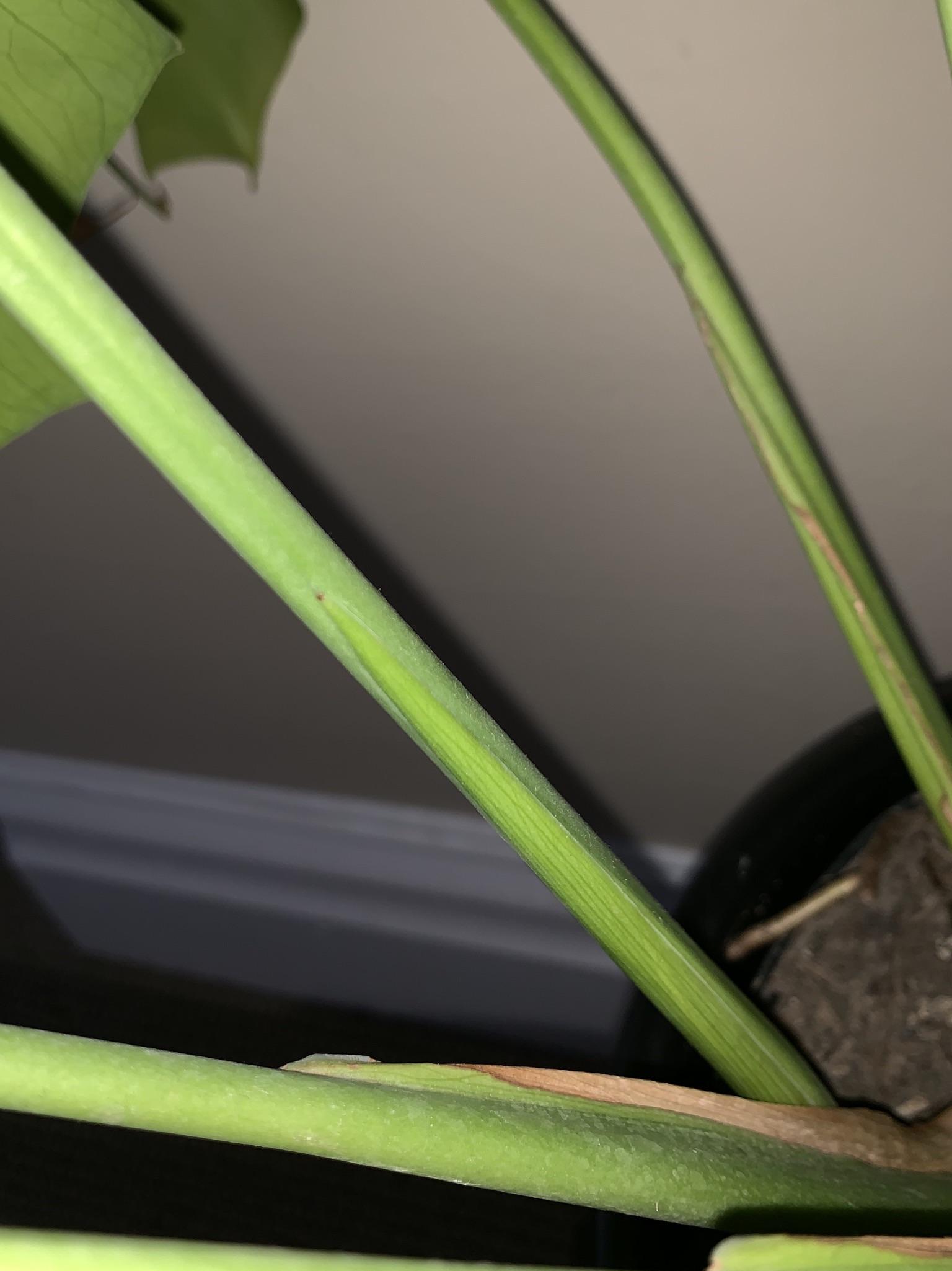
Is your Monstera plant not growing new leaves? You’re not alone.
This common issue can be frustrating for plant owners. Monstera plants are loved for their lush, unique foliage. When they stop producing new leaves, it can be a sign of underlying problems. Factors like light, water, and nutrients play crucial roles in their growth.
Understanding these needs is essential for keeping your Monstera healthy. In this blog, we will explore the reasons why your Monstera might not be growing new leaves. We will also provide simple solutions to help your plant thrive. Let’s get your Monstera back to its leafy glory!

Common Causes Of Stunted Growth
Monstera plants are known for their large, beautiful leaves. But sometimes, they stop growing new leaves. This can be frustrating for plant lovers. Understanding the reasons behind this can help you fix the problem.
Inadequate Light
Monstera plants need bright, indirect light. They do not thrive in low light conditions. If your plant is not getting enough light, it will not grow new leaves. Place your Monstera near a window where it can get plenty of light, but not direct sun. Direct sunlight can burn the leaves.
Improper Watering
Watering is crucial for Monstera growth. Too much water can cause root rot. Too little water can dry out the plant. Water your Monstera when the top inch of soil feels dry. Make sure the pot has drainage holes to prevent water from sitting at the bottom.
Finding the right balance is key. Overwatering and underwatering both stunt growth. Check the soil regularly. Adjust your watering routine based on the plant’s needs and the season.
Ensuring Proper Lighting
For your Monstera to thrive and grow new leaves, it needs the right light. Light is crucial for photosynthesis, which helps the plant produce energy. Without enough light, your Monstera may struggle to grow new leaves. Below, we will discuss the ideal light conditions and the use of grow lights.
Ideal Light Conditions
Monsteras love bright, indirect light. Direct sunlight can scorch their leaves. Place your Monstera near a window with filtered light. East or south-facing windows are ideal. If the light is too harsh, use sheer curtains to diffuse it.
On the other hand, low light can slow down growth. If your Monstera isn’t getting enough light, it may not produce new leaves. Check the light conditions regularly and adjust as needed.
Using Grow Lights
Sometimes, natural light may not be enough, especially in winter. This is where grow lights come in handy. Grow lights mimic natural sunlight and provide the necessary light spectrum for your Monstera.
| Type of Grow Light | Benefits |
|---|---|
| LED Grow Lights | Energy-efficient, long-lasting, and customizable light spectrum |
| Fluorescent Grow Lights | Affordable, effective for small spaces, and easy to find |
When using grow lights, place them 12 to 18 inches above your Monstera. Ensure they are on for 12 to 14 hours daily. Too much light can be harmful, so monitor your plant’s response.
Proper lighting is key to a healthy Monstera. With the right light conditions, your Monstera will flourish and produce beautiful new leaves.
Watering Techniques
Getting the watering right is crucial for a healthy Monstera plant. Many problems, including the lack of new leaves, often arise from improper watering. Let’s dive into the best watering techniques to help your Monstera thrive.
Consistent Watering Schedule
A consistent watering schedule is key. Monsteras need regular watering to grow well. Water your Monstera every 1-2 weeks. Adjust the frequency based on the season. In summer, your plant might need more water. In winter, it may need less.
Use your finger to check the soil’s moisture. Insert it about an inch deep. If the soil feels dry, it’s time to water. This method helps in maintaining a balanced moisture level.
Avoiding Overwatering
Overwatering is a common mistake. It can cause root rot and other issues. Ensure the pot has drainage holes. Excess water must drain out to avoid waterlogging.
Let the top inch of the soil dry out before watering again. Use a well-draining soil mix. This helps in preventing water from sitting in the pot.
Signs of overwatering include yellowing leaves and a soggy base. If you notice these signs, reduce the watering frequency.
| Watering Tip | Description |
|---|---|
| Check Soil Moisture | Use your finger to check the soil’s moisture level. |
| Drainage Holes | Ensure the pot has proper drainage to avoid waterlogging. |
| Balanced Soil | Use well-draining soil to prevent overwatering issues. |
Soil And Potting Mix
Monstera plants need the right soil and potting mix to grow new leaves. The right mix helps provide essential nutrients and proper drainage. Let’s explore the best soil types and the importance of drainage.
Best Soil Types
Monstera plants thrive in well-draining soil. Choose a mix that is airy and loose. The ideal soil mix should contain:
- Peat moss
- Perlite
- Pine bark
These components ensure the soil stays moist but not soggy. They also provide essential nutrients for your Monstera.
Importance Of Drainage
Proper drainage is crucial for Monstera plants. Poor drainage can lead to root rot. This can prevent new leaves from growing. To ensure good drainage:
- Use a pot with drainage holes.
- Place gravel or small stones at the bottom of the pot.
- Avoid compacted soil that retains too much water.
These steps help excess water escape, keeping roots healthy.
Remember, a healthy Monstera needs the right soil mix and proper drainage. This helps the plant grow new leaves and thrive in your home.
Nutrient Deficiencies
Monstera plants may stop growing new leaves due to nutrient deficiencies. Ensure they get enough nitrogen, potassium, and magnesium for healthy growth. Regularly check and adjust soil nutrients to encourage leaf development.
Your Monstera plant may stop growing new leaves due to nutrient deficiencies. Plants need certain nutrients to thrive. Without them, growth slows down or stops. Healthy growth relies on proper nutrients.Fertilizing Tips
Fertilize your Monstera plant regularly. Use a balanced liquid fertilizer. Apply it every 2-4 weeks during the growing season. Follow the instructions on the fertilizer package. Too much fertilizer can harm the plant. Always use the recommended amount.Signs Of Nutrient Deficiency
Yellowing leaves are a sign of nutrient deficiency. Slow or stunted growth also indicates a problem. Brown leaf edges may appear. Weak stems can be another symptom. These signs show the need for more nutrients. Regular fertilizing helps prevent these issues. “`
Temperature And Humidity
Temperature and humidity play a vital role in the growth of Monstera plants. Without the right conditions, your Monstera may struggle to produce new leaves. Understanding and maintaining the ideal temperature and humidity levels can help ensure your plant thrives.
Optimal Temperature Range
Monstera plants grow best in warm temperatures. The ideal range is between 65°F and 85°F. Temperatures below 60°F can slow down growth. Extremely high temperatures, above 90°F, can stress the plant. Always keep your Monstera in a controlled environment. Avoid placing it near cold drafts or heating vents.
Maintaining Humidity Levels
Monsteras love high humidity. Aim for a humidity level of 60% to 80%. Low humidity can cause brown leaf edges. To increase humidity, use a humidifier. You can also mist the leaves regularly. Placing a tray of water near the plant helps too. Grouping plants together can create a more humid microenvironment.
Pruning And Repotting
Pruning and repotting are vital steps for a healthy Monstera. These practices help stimulate growth and keep the plant looking its best. Proper pruning removes old leaves, while repotting provides fresh soil and more space for roots.
When To Prune
Prune your Monstera during the growing season. Spring and summer are ideal. Look for yellow or damaged leaves. Use sharp, clean scissors. Cut close to the base of the stem. Avoid pruning more than 20% of the plant at once.
Repotting Guidelines
Repot your Monstera every two years. Choose a pot that is 2 inches larger in diameter. Use well-draining soil. Gently remove the plant from its old pot. Trim any damaged roots. Place the Monstera in the new pot and fill with soil. Water thoroughly after repotting.
Pest And Disease Management
Monstera plants, like all plants, can face challenges from pests and diseases. These issues can prevent new leaves from growing. Proper pest and disease management is crucial for healthy plant growth. Below, we discuss common pests and how to treat diseases.
Common Pests
Several pests can attack Monstera plants. Spider mites are tiny and hard to see. They create small webs on leaves. Aphids are small, green insects that suck sap from the plant. Mealybugs look like small cotton balls and attach to stems and leaves. Scale insects are brown or black bumps on the leaves. They suck the plant’s sap, weakening it.
Inspect your Monstera regularly. Look under leaves and on stems. Early detection is key to preventing serious damage.
Treating Diseases
Monstera plants can also suffer from diseases. Fungal infections are common. They cause brown or black spots on leaves. Bacterial infections may create yellow halos around brown spots. Root rot occurs when roots stay too wet. It causes yellowing leaves and a foul smell.
To treat diseases, remove affected leaves immediately. Use fungicides or bactericides if needed. Ensure proper watering and drainage to prevent root rot. Keep humidity levels in check to avoid fungal growth.
By managing pests and diseases, you can encourage your Monstera to grow new leaves. Regular care and observation are key to a healthy plant.

Frequently Asked Questions
Why Is My Monstera Not Growing New Leaves?
Your Monstera may lack light, water, or nutrients. Ensure it’s getting bright, indirect sunlight. Water when the top inch of soil is dry. Fertilize monthly during the growing season.
How Can I Encourage New Monstera Leaves?
To encourage new leaves, place your Monstera in bright, indirect light. Water consistently and use a balanced fertilizer. Ensure proper humidity.
What Is The Best Soil For Monstera Growth?
Monstera thrives in well-draining soil. Use a mix of potting soil, perlite, and orchid bark. This combination ensures good aeration and prevents root rot.
How Often Should I Water My Monstera?
Water your Monstera when the top inch of soil feels dry. Overwatering can lead to root rot. Adjust frequency based on season.
Conclusion
Caring for your Monstera can be rewarding. Ensure it gets enough light. Water it properly and avoid soggy soil. Check for pests and use the right fertilizer. Regularly wipe its leaves to keep them clean. Patience is key. Your Monstera will grow new leaves in time.
Enjoy the process and watch your plant thrive. Happy gardening!
Leave a Reply