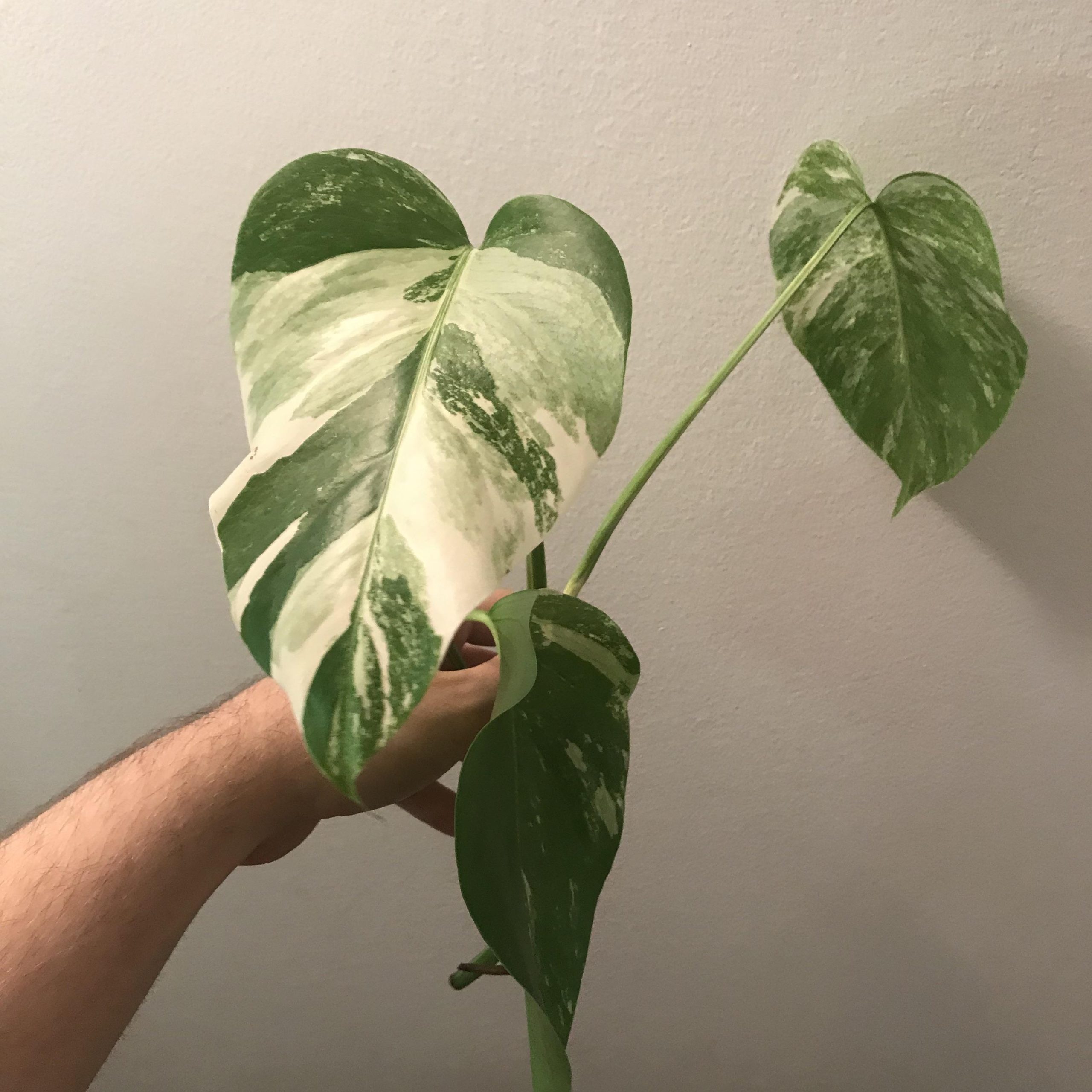
Monstera and Pothos are two popular houseplants. Both have unique features and benefits.
Choosing the right plant for your home can be a fun journey. Monstera, known for its dramatic leaves, adds a bold touch. Pothos, on the other hand, is loved for its easy care and trailing vines. Each plant has its own charm and requirements.
Understanding their differences helps you decide which fits your space and lifestyle better. In this blog, we’ll explore the key distinctions between Monstera and Pothos. From care tips to growth patterns, you’ll learn everything you need to know to make an informed choice. Let’s dive into the world of Monstera and Pothos!
Appearance
The Monstera and Pothos are two popular houseplants. They are known for their unique appearance. Each has distinct features that set them apart. Let’s explore their differences under the subheadings Leaf Shape and Color Variations.
Leaf Shape
Monstera leaves are large and fenestrated. This means they have natural holes and splits. These holes give the leaves a unique and exotic look. They are often referred to as “Swiss cheese” plants because of this.
Pothos leaves are heart-shaped and smooth. They do not have holes or splits. The shape is simple yet elegant. It makes them perfect for hanging baskets and climbing poles.
Color Variations
Monstera leaves are usually a solid green. Some varieties, like the Monstera Variegata, have white or yellow streaks. These streaks add a touch of elegance to the plant.
Pothos leaves come in various colors. They can be green, yellow, or even white. Varieties like Golden Pothos have beautiful gold streaks. This variety adds a splash of color to any space.

Growth Patterns
Understanding the growth patterns of Monstera and Pothos can help you choose the right plant. Each has unique traits that cater to different preferences and spaces. Let’s dive into the specifics.
Size Potential
Monstera plants can grow quite large. They can reach up to 10 feet indoors. Their leaves can span up to 18 inches. This makes them a bold statement piece in any room.
Pothos, on the other hand, are smaller. They typically grow to about 6 to 10 feet. Their leaves are also smaller, usually around 4 inches wide. This makes Pothos great for smaller spaces or hanging baskets.
| Plant | Height | Leaf Size |
|---|---|---|
| Monstera | Up to 10 feet | Up to 18 inches |
| Pothos | 6 to 10 feet | Up to 4 inches |
Growth Speed
Monstera plants grow at a moderate rate. They need time to develop their large leaves. With proper care, you might see noticeable growth within a few months.
Pothos grow faster compared to Monstera. They can grow several feet in a single growing season. This makes them ideal for quick greenery.
- Monstera: Moderate growth, noticeable changes in a few months.
- Pothos: Fast growth, several feet in one season.
Care Requirements
Both Monstera and Pothos are popular houseplants. They are known for their attractive foliage and easy care. Yet, understanding their specific care requirements can help them thrive. Let’s delve into the care requirements for each plant.
Watering Needs
Monstera plants prefer evenly moist soil. Water them when the top inch of soil feels dry. Avoid overwatering to prevent root rot. In the winter, reduce watering frequency.
Pothos are more drought-tolerant. Allow the soil to dry out completely between waterings. Water when the leaves start to droop slightly. This ensures proper hydration without overwatering.
Light Preferences
Monstera thrives in bright, indirect light. Direct sunlight can scorch the leaves. Place them near a window with filtered light. In low light, they grow slower.
Pothos can tolerate low light conditions. They also do well in bright, indirect light. Avoid direct sunlight as it can burn the leaves. They are versatile and adapt to different light levels.
In summary, while both Monstera and Pothos are easy to care for, understanding their unique water and light needs ensures they stay healthy and vibrant.
Soil And Potting
Choosing the right soil and potting method is crucial for the health of your Monstera and Pothos plants. Both plants have different needs. This section will guide you through the ideal soil type and pot choice for each plant.
Soil Type
Monstera plants thrive in well-draining soil. A mix of peat moss, perlite, and compost works best. This mixture provides aeration and retains moisture without waterlogging.
Pothos plants prefer a lighter mix. A blend of potting soil with perlite or sand is ideal. This ensures quick drainage, preventing root rot.
Pot Choice
For Monstera, choose a pot with drainage holes. This prevents excess water from sitting at the bottom. Use a larger pot as Monstera roots grow quickly and need space.
Pothos plants also need pots with drainage holes. A medium-sized pot works well. Ensure it has enough room for root expansion but is not too large.
Propagation
Propagation is a popular method to create new plants from existing ones. It allows plant enthusiasts to expand their collection with minimal cost. Monstera and Pothos are two commonly propagated houseplants. Let’s explore the best ways to propagate them.
Monstera Propagation
Monstera propagation is quite simple. Start by choosing a healthy stem with at least one node. Cut the stem below the node using clean scissors. Place the cutting in water or soil. Ensure the node is submerged in water or buried in soil. Change the water regularly if using the water method. Roots typically appear within a few weeks. Transfer the cutting to a pot when roots are a few inches long.
Pothos Propagation
Pothos propagation is also straightforward. Select a healthy vine with several leaves. Cut the vine just below a node. Remove the lower leaves to expose the nodes. Place the cutting in a jar of water. Make sure the nodes are submerged. Change the water every few days to keep it fresh. Roots should develop within a couple of weeks. Once the roots are a few inches long, plant the cutting in soil.
Common Issues
Monstera and Pothos often face common issues like overwatering, which can cause root rot. Additionally, both plants may suffer from yellowing leaves due to nutrient deficiencies.
Monstera and Pothos are popular houseplants. They are easy to care for. Yet, they can face problems. Common issues include pests and diseases. Understanding these can keep your plants healthy.Pests
Monstera and Pothos can attract pests. Common pests include spider mites and aphids. Spider mites are tiny and hard to see. They leave webs on the leaves. Aphids are small and green. They suck the sap from the plant. Both pests weaken the plant. Check your plants often. Look under the leaves. Use insecticidal soap to treat infestations.Diseases
Both Monstera and Pothos can suffer from diseases. Root rot is a major issue. It happens due to overwatering. The roots turn black and mushy. The plant starts to wilt. Avoid overwatering to prevent root rot. Leaf spot is another problem. It shows as brown or black spots on leaves. This is often due to bacteria or fungi. Remove affected leaves. Keep the plant dry. Ensure good air circulation around the plant. “`Decorative Uses
Monstera and Pothos are popular indoor plants. They offer unique decorative uses. Each plant brings distinct beauty to your space. Choosing the right one can enhance your home’s aesthetics.
Indoor Placement
Monstera thrives in bright, indirect light. Place it near windows but avoid direct sunlight. It grows large, so ensure enough space for its wide leaves.
Pothos is more adaptable. It tolerates low light conditions. You can place it in dim corners. It can also hang from shelves or ceilings.
Aesthetic Appeal
Monstera is known for its large, split leaves. These leaves add a tropical feel to any room. Its striking appearance makes it a focal point.
Pothos has smaller, heart-shaped leaves. These leaves can be variegated with white or yellow. Its trailing vines create a soft, elegant look.


Frequently Asked Questions
What Are The Main Differences Between Monstera And Pothos?
Monstera has larger, split leaves, while Pothos has smaller, heart-shaped leaves. Monstera requires more light and space, whereas Pothos is low-maintenance and adaptable to various light conditions.
Which Plant Grows Faster, Monstera Or Pothos?
Pothos grows faster than Monstera. Pothos is known for its rapid growth and trailing vines. Monstera takes longer to develop its iconic split leaves.
Are Monstera And Pothos Easy To Care For?
Both Monstera and Pothos are easy to care for. Monstera needs more light, but Pothos adapts well to low-light conditions. Regular watering and occasional fertilizing keep both plants healthy.
Can Monstera And Pothos Be Grown Indoors?
Yes, both Monstera and Pothos can be grown indoors. Monstera needs bright, indirect light, while Pothos tolerates low light. Both thrive in average indoor temperatures and humidity levels.
Conclusion
Choosing between Monstera and Pothos depends on your needs. Monstera adds a tropical touch with its large leaves. Pothos is low-maintenance and perfect for beginners. Both plants improve indoor air quality and brighten spaces. Consider your space and care habits.
Either choice will enhance your home with greenery. Enjoy the beauty they bring. Happy planting!
Leave a Reply