Monstera plants are famous for their striking leaves. They thrive in many homes.
Curious about how Monstera plants grow? These tropical beauties, native to Central America, are easy to care for and add a touch of the jungle to your space. With their large, perforated leaves, they make a statement in any room.
Monstera plants grow best in bright, indirect light and need a moderate watering schedule. Their growth involves both vertical climbing and horizontal spreading, thanks to their aerial roots. Understanding their growth pattern can help you care for them better and enjoy their lush, green beauty. Ready to learn more about these fascinating plants? Let’s dive in!

Introduction To Monstera Plants
Monstera plants have become a favorite among houseplant enthusiasts. They are known for their stunning, large, and perforated leaves. These plants are not only beautiful but also easy to care for. Their unique appearance adds a touch of the tropics to any home.
Origin And History
Monstera plants originate from the tropical forests of Central and South America. They thrive in warm, humid environments. These plants can be found climbing trees or spreading across the forest floor. They are part of the Araceae family, which includes other popular houseplants like philodendrons and peace lilies.
Monstera plants were first documented by European botanists in the 18th century. Their unique leaves and adaptability made them popular in European greenhouses. Today, they are widely grown as ornamental plants worldwide.
Popular Varieties
There are several popular varieties of Monstera plants. Monstera deliciosa is the most well-known. It is famous for its large, split leaves. Another popular variety is Monstera adansonii. This type has smaller, more delicate leaves with numerous holes.
Monstera obliqua is another interesting variety. It has very thin leaves with large perforations. This plant is rare and often sought after by collectors. Each variety has its own unique charm and can add beauty to any indoor space.
Ideal Growing Conditions
Monstera plants, with their unique split leaves, are popular among houseplant enthusiasts. To help your Monstera thrive, you must provide ideal growing conditions. These conditions include light, temperature, and humidity.
Light Requirements
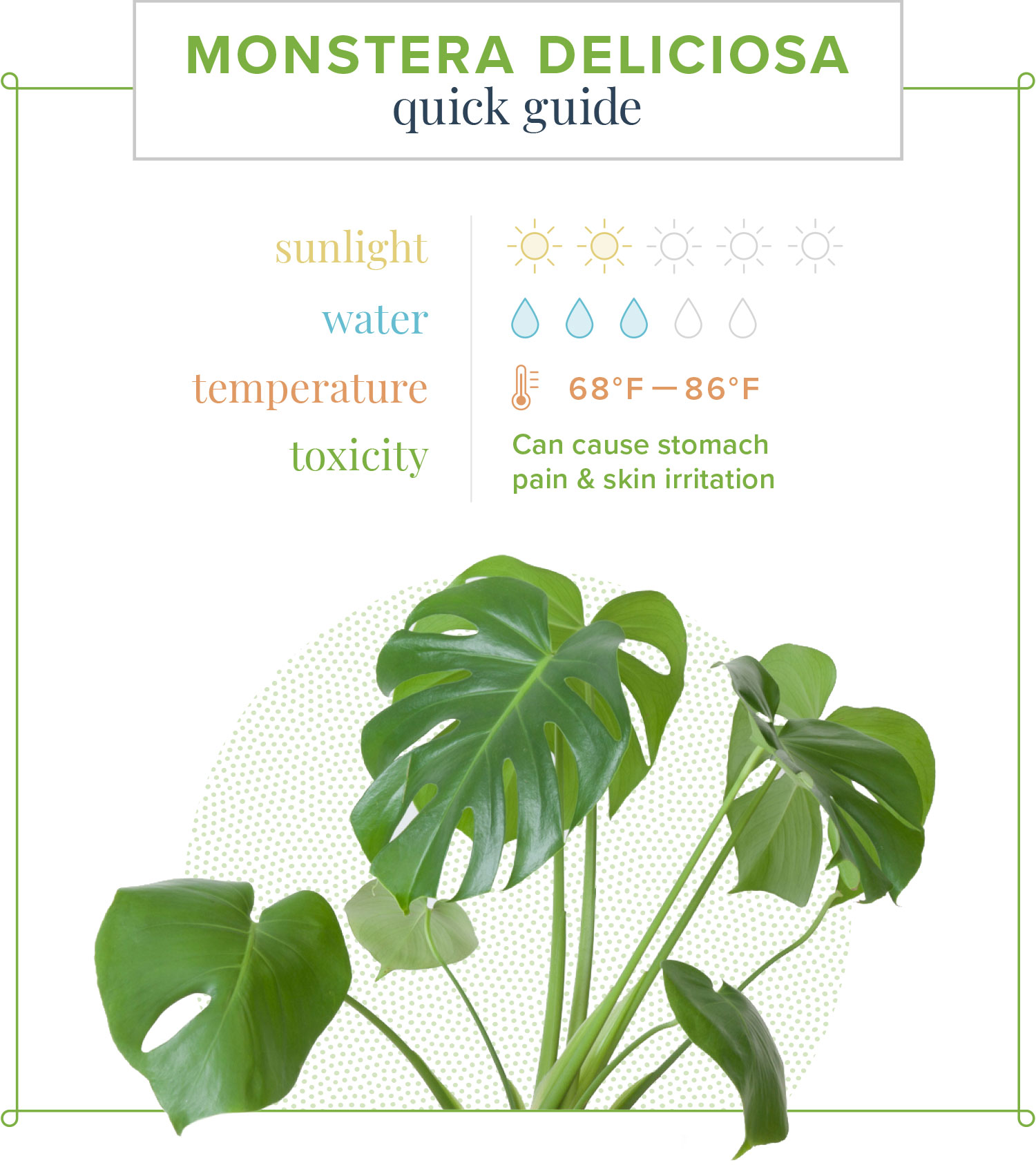
Monstera plants need bright, indirect light. Direct sunlight can scorch their leaves. Place them near a window with filtered light. East or west-facing windows work well. If natural light is limited, use a grow light. This helps ensure they get enough light.
Temperature And Humidity
These plants prefer warm temperatures. Keep your Monstera in a room between 65°F and 85°F. Avoid placing them near cold drafts or heaters.
High humidity levels are essential. Monstera plants thrive in humidity levels of 60% or higher. Use a humidifier or a pebble tray with water. This helps maintain the necessary humidity.
Soil And Potting Needs
Monstera plants are tropical beauties that require specific care to thrive. One of the most critical aspects of their care is understanding their soil and potting needs. Let’s explore the best soil mix and the right pot for your Monstera plant.
Best Soil Mix
Monstera plants prefer a well-draining soil mix. This ensures their roots stay healthy and do not rot. A good mix includes:
- Peat moss
- Pine bark
- Perlite
Peat moss retains moisture, while pine bark provides structure. Perlite ensures good drainage. A balanced mix can look like this:
| Ingredient | Percentage |
|---|---|
| Peat moss | 40% |
| Pine bark | 30% |
| Perlite | 30% |
Choosing The Right Pot
The right pot is essential for Monstera plants. It should have drainage holes to prevent water from sitting at the bottom. This helps avoid root rot.
When choosing a pot, consider the following:
- Size: The pot should be slightly larger than the root ball.
- Material: Terra cotta pots are breathable, while plastic pots retain moisture.
Ensure the pot is sturdy enough to support the plant’s growth. A Monstera can grow quite large, so stability is key.
Here’s a quick comparison:
| Pot Type | Benefits | Drawbacks |
|---|---|---|
| Terra cotta | Breathable, prevents overwatering | Heavy, can dry out quickly |
| Plastic | Lightweight, retains moisture | Less breathable, can cause root rot |
Choose a pot that meets your plant’s needs and fits your space. Proper soil and potting ensure your Monstera thrives.
Watering Guidelines
Monstera plants are popular for their beautiful, split leaves. Proper watering is crucial for their healthy growth. Here are some watering guidelines to keep your Monstera thriving.
Frequency And Amount
Watering frequency depends on the environment. Typically, water your Monstera every 1-2 weeks. Ensure the top inch of soil is dry before watering again. In warmer months, you may need to water more often. In cooler months, less frequent watering is required.
- Check soil moisture regularly.
- Water when the top inch is dry.
- Adjust frequency based on seasons.
Avoiding Overwatering
Overwatering can harm your Monstera. It leads to root rot and yellow leaves. To avoid this, ensure proper drainage. Use a pot with drainage holes. This allows excess water to escape.
Signs of overwatering include:
- Yellowing leaves
- Mushy stems
- Wet, soggy soil
| Signs of Overwatering | Actions to Take |
|---|---|
| Yellowing Leaves | Reduce watering frequency |
| Mushy Stems | Check soil drainage |
| Wet Soil | Ensure pot has drainage holes |
Maintain a balance in watering. Your Monstera plant will thank you with lush, green leaves.
Fertilization Tips
Monstera plants, known for their unique split leaves, require proper fertilization for healthy growth. Providing the right nutrients helps them thrive and develop lush foliage. Here are some tips to ensure your Monstera gets the best care.
Types Of Fertilizers
Choosing the right fertilizer is crucial for Monstera plants. There are several options:
- Liquid Fertilizers: These are easy to mix with water and offer quick absorption.
- Granular Fertilizers: Sprinkle these on the soil for slow-release nutrients.
- Organic Fertilizers: Made from natural sources, they provide gentle nourishment.
Each type has its benefits. Liquid fertilizers are fast-acting, while granular and organic options release nutrients slowly, reducing the risk of over-fertilization.
Application Schedule
Applying fertilizer at the right time is essential. Follow this simple schedule:
| Season | Frequency | Type of Fertilizer |
|---|---|---|
| Spring | Every 2 weeks | Liquid or Granular |
| Summer | Every 2 weeks | Liquid or Granular |
| Fall | Once a month | Organic |
| Winter | Once every 6-8 weeks | Organic |
During spring and summer, Monstera plants grow actively. Fertilize them every two weeks with liquid or granular fertilizers. Reduce the frequency in fall and winter, as growth slows down.
Remember to always follow the instructions on the fertilizer package. Over-fertilizing can harm your Monstera, leading to yellow leaves and weak growth.
Pruning And Maintenance
Pruning and maintenance are crucial for keeping your Monstera plant healthy and looking its best. Regular care can help your plant grow strong, produce beautiful leaves, and thrive in your home environment.
When To Prune
Knowing the right time to prune your Monstera plant is essential. Generally, the best time to prune is during the spring and summer months. This is when the plant is actively growing. Pruning during this period encourages new growth and helps maintain the desired shape.
It’s important to avoid pruning during the fall and winter. The plant’s growth slows down during these seasons. Pruning at the wrong time can stress the plant and inhibit its growth.
Signs that your Monstera needs pruning:
- Overgrown or leggy appearance
- Yellowing or dead leaves
- Unwanted aerial roots
Tools And Techniques
Using the right tools and techniques is vital for effective pruning. The basic tools you will need include sharp pruning shears, clean scissors, and gloves. Sharp tools ensure clean cuts and reduce the risk of damaging the plant.
Before you begin, make sure your tools are clean. This helps prevent the spread of diseases. Sterilize the blades with rubbing alcohol or a bleach solution.
Pruning steps:
- Identify the parts of the plant that need to be pruned.
- Make clean cuts close to the main stem or just above a leaf node.
- Remove any yellow, brown, or damaged leaves.
- Cut back any overgrown or unwanted stems to maintain the shape.
Avoid removing more than one-third of the plant’s foliage at once. This can stress the plant. Prune regularly to encourage healthy growth and maintain an attractive shape.
With proper pruning and maintenance, your Monstera plant will continue to thrive and bring beauty to your home.
Common Pests And Diseases
Monstera plants are generally hardy, but they can still fall prey to various pests and diseases. These problems can hinder their growth and leave them looking unhealthy. Recognizing and managing these issues can help keep your Monstera thriving.
Identification
Common pests that affect Monstera plants include spider mites, mealybugs, and scale insects. Spider mites are tiny and create webbing on the leaves. Mealybugs appear as white, cotton-like clusters on the plant. Scale insects look like small, brown bumps on stems and leaves. Knowing these signs is the first step in protecting your plant.
Diseases such as root rot and leaf spot can also affect Monsteras. Root rot occurs from overwatering and poorly drained soil. It causes the roots to turn brown and mushy. Leaf spot appears as brown or black spots on the leaves, often with yellow halos. Both diseases can significantly damage the plant if not addressed promptly.
Treatment Solutions
For pests, use a mix of treatments to ensure effectiveness. Here’s a simple table to guide you:
| Pest | Treatment |
|---|---|
| Spider Mites | Spray with water, use neem oil |
| Mealybugs | Wipe with alcohol, apply insecticidal soap |
| Scale Insects | Remove manually, use horticultural oil |
For diseases, follow these steps:
- Reduce watering to prevent root rot. Ensure proper drainage.
- Remove affected leaves to control leaf spot.
- Use fungicides if necessary to treat severe infections.
Regularly inspect your Monstera for signs of pests and diseases. Early detection and treatment can save your plant from severe damage.
Propagation Methods
Propagation methods for Monstera plants are essential for enthusiasts. These methods allow you to expand your collection or share with friends. Two popular methods are stem cuttings and air layering. Both techniques are simple and effective.
Stem Cuttings
Stem cuttings are a common way to propagate Monstera plants. First, select a healthy stem with a node. The node is where new roots will develop. Use clean, sharp scissors to cut below the node.
Place the cutting in water or soil. Ensure the node is submerged if using water. Roots will begin to grow in a few weeks. Keep the cutting in bright, indirect light. Change the water regularly to keep it fresh.
Once roots are established, transfer the cutting to a pot. Use well-draining soil. Water the plant well and place it in a warm spot. Over time, new leaves will emerge, and your Monstera will thrive.
Air Layering
Air layering is another effective propagation method. Choose a healthy, mature stem. Make a small cut or remove a section of the stem bark. Wrap moist sphagnum moss around the cut area.
Cover the moss with plastic wrap to retain moisture. Secure it with ties or tape. Check the moss regularly to ensure it stays moist. Roots will begin to develop in a few weeks.
Once roots are visible through the moss, cut the stem below the new root ball. Plant the new section in a pot with well-draining soil. Water it well and place it in a bright, indirect light. Watch as your new Monstera grows and flourishes.
Troubleshooting Growth Issues
Monstera plants are beloved for their unique, split leaves and vigorous growth. Yet, they can sometimes face growth challenges. Let’s explore common growth issues and how to address them.
Yellowing Leaves
Yellowing leaves often indicate a problem with watering. Overwatering is a frequent cause. Ensure the soil dries out between waterings. Check the drainage of the pot. Poor drainage can lead to root rot, causing yellow leaves. On the other hand, underwatering can also result in yellow leaves. Regularly check the soil moisture.
Nutrient deficiencies can cause yellow leaves as well. Monstera plants need balanced fertilization. Use a balanced liquid fertilizer once a month during the growing season. Avoid over-fertilizing, as it can harm the plant.
Slow Growth
Slow growth in Monstera plants can be frustrating. Insufficient light is a common culprit. Monsteras thrive in bright, indirect light. Ensure they receive adequate sunlight. Too little light slows their growth.
Temperature can also affect growth. Monsteras prefer temperatures between 65-85°F. Cold drafts or sudden temperature changes can stunt growth. Keep the plant in a stable environment.
Another factor is the soil quality. Use well-draining, nutrient-rich soil. Repot the plant every 1-2 years to refresh the soil. This provides the necessary nutrients for healthy growth.
Lastly, check for pests. Pests like spider mites and aphids can hinder growth. Regularly inspect the leaves and stems for any signs of pests. Treat infestations promptly to keep the plant healthy.
Frequently Asked Questions
How Fast Do Monstera Plants Grow?
Monstera plants typically grow at a moderate pace. In ideal conditions, they can grow about 1-2 feet per year. Proper light, water, and care are essential for faster growth.
What Kind Of Light Do Monstera Plants Need?
Monstera plants thrive in bright, indirect light. Direct sunlight can scorch their leaves. Low light can slow their growth. For best results, place them near a north or east-facing window.
How Often Should I Water My Monstera?
Water your Monstera when the top inch of soil is dry. Overwatering can lead to root rot. Underwatering can cause leaves to droop. Aim to keep the soil consistently moist but not soggy.
Do Monstera Plants Need Fertilizer?
Yes, Monstera plants benefit from regular fertilization. Use a balanced, water-soluble fertilizer every 4-6 weeks during the growing season. This promotes healthy growth and vibrant leaves.
Conclusion
Monstera plants grow beautifully with proper care. They need light, water, and love. Keep their soil moist but not soggy. Place them in bright, indirect sunlight. Prune them to control their size and shape. Watch their unique leaves develop over time.
Enjoy the beauty and charm they bring to your space. Happy growing!
Leave a Reply