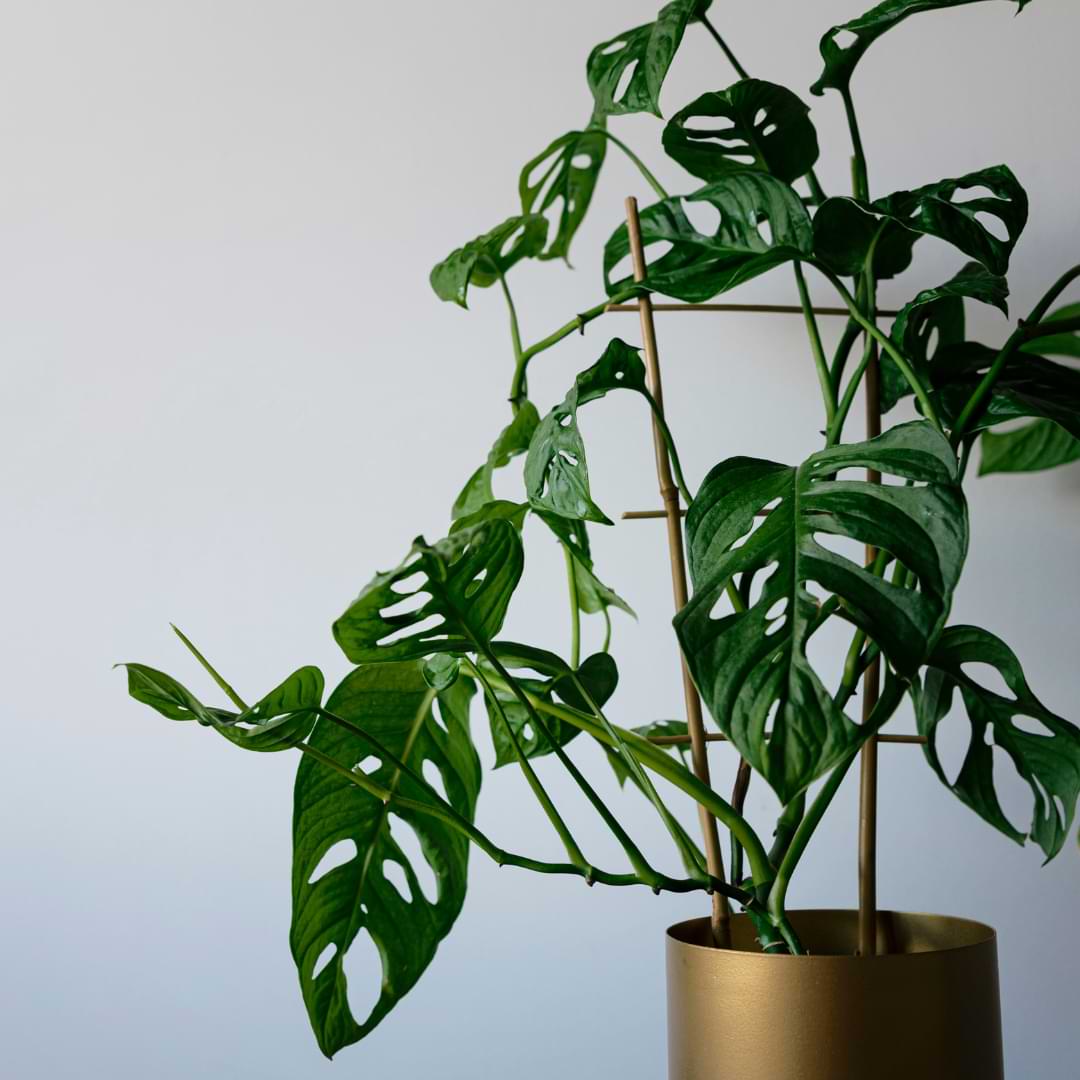
Yes, Monstera is toxic to dogs. If ingested, it can cause severe discomfort.
Symptoms include drooling, vomiting, and mouth irritation. Monstera plants are popular for their attractive, unique leaves. They add a touch of nature to any home. But as a dog owner, it’s crucial to know the risks. Many houseplants can be harmful to pets.
Monstera is one of them. This plant contains calcium oxalate crystals. These can cause pain and swelling when chewed. It’s important to recognize the symptoms of toxicity in your dog. Immediate action can prevent serious health issues. In this post, we will explore the dangers of Monstera to dogs. We’ll also discuss how to keep your furry friend safe. Stay informed to ensure a happy, healthy pet.
Toxicity Of Monstera
Monstera plants are popular for their beautiful leaves. But, pet owners need to be careful. These plants can be harmful to dogs.
Understanding the risks can help keep pets safe. Let’s explore the toxic components and their effects on dogs.
Toxic Components
Monstera plants contain calcium oxalate crystals. These crystals are the main toxic elements. They are found in all parts of the plant.
When chewed, the crystals get released. They cause irritation and pain. Dogs may suffer because of this.
Effects On Dogs
Calcium oxalate crystals can irritate a dog’s mouth. Symptoms include drooling, swelling, and difficulty swallowing.
Some dogs may vomit. Others may paw at their mouths. Severe reactions can lead to breathing problems. Immediate vet care is crucial.
Knowing these symptoms can help dog owners act quickly. Keep Monstera plants out of reach to ensure your dog’s safety.
Symptoms Of Poisoning
Monstera plants can be toxic to dogs. If a dog ingests any part of the Monstera plant, it may exhibit signs of poisoning. Recognizing the symptoms early can help in providing timely medical assistance. This section covers both mild and severe symptoms of Monstera poisoning in dogs.
Mild Symptoms
In many cases, dogs may show mild symptoms. These symptoms can be uncomfortable but are not life-threatening. You might notice your dog drooling excessively. They may also have a swollen mouth or lips. Sometimes, dogs will paw at their mouths due to irritation. Minor vomiting can also occur.
Severe Symptoms
Severe symptoms require immediate medical attention. Your dog might have difficulty breathing. This can be a serious sign of airway swelling. They may also experience severe vomiting. Another alarming symptom is intense abdominal pain. In such cases, contact a vet immediately. Quick action can prevent further complications.
Immediate Actions
If your dog has ingested any part of a Monstera plant, you need to act fast. This plant contains calcium oxalate crystals, which can cause severe irritation. You must know the steps for immediate care to ensure your pet’s safety.
First Aid At Home
First, remove any plant material from your dog’s mouth. Be gentle but thorough. Rinse their mouth with water to clear any residue. This can help reduce irritation and pain.
Next, offer your dog some milk or yogurt. These can help soothe the mouth and stomach. They might also bind to the toxins, reducing their effects.
Monitor your dog for signs of distress. Watch for drooling, vomiting, or difficulty breathing. These symptoms can indicate a more serious reaction.
When To See A Vet
Seek veterinary help if your dog shows severe symptoms. Signs include swelling of the mouth, excessive drooling, or difficulty swallowing. These can indicate a serious reaction requiring professional care.
If your dog vomits frequently or has diarrhea, consult your vet. Persistent gastrointestinal upset can lead to dehydration and other complications.
Keep the Monstera plant out of reach in the future. Prevention is the best way to protect your pet from harm.

Long-term Care
Caring for a dog that has ingested Monstera can be a long process. While immediate veterinary care is crucial, long-term care is also essential. It ensures your dog’s full recovery and helps prevent future incidents.
Monitoring Recovery
After the initial treatment, keep a close watch on your dog. Look for any signs of discomfort or unusual behavior. Make sure your dog is eating and drinking normally. Check for any swelling or irritation around the mouth.
Regular vet check-ups are important. Your vet can monitor your dog’s progress. They can also spot any complications early. Follow your vet’s advice on medications and care routines.
Preventing Future Incidents
To prevent future problems, remove all Monstera plants from your home. If this is not possible, place them in areas your dog cannot reach. Use barriers or hanging planters to keep the plants out of reach.
Educate everyone in your home about the dangers of Monstera. Make sure they know to keep the plants away from pets. Consider using pet-safe plants instead. Many beautiful plants are safe for dogs.
Always supervise your dog, especially in new environments. Be aware of the plants around you. Keep an eye on your dog to ensure they do not ingest any harmful plants.
Preventive Measures
Monstera plants, also known as Swiss cheese plants, are common houseplants. They add a touch of greenery to your home. But they are toxic to dogs. To keep your furry friend safe, follow these preventive measures. Here, we will discuss pet-friendly plants and the safe placement of Monstera.
Pet-friendly Plants
Choose pet-friendly plants to avoid health risks. Some safe options include spider plants, Boston ferns, and baby rubber plants. These plants add beauty without harming your dog. Pet-friendly plants can create a safe and attractive indoor garden.
Safe Placement Of Monstera
Place Monstera plants out of your dog’s reach. High shelves, hanging baskets, or closed rooms work well. Ensure your dog cannot access the plant. If you use hanging baskets, secure them properly.
Supervise your dog around plants. Remove fallen leaves and debris promptly. This reduces the risk of your dog ingesting toxic parts. Regularly check your plant’s location and adjust as needed.

Alternatives To Monstera
Monstera plants are beautiful but toxic to dogs. If you love greenery and have pets, you need safe alternatives. This section explores non-toxic plant options and how to create a safe environment for your furry friends.
Non-toxic Plant Options
Many plants are safe for dogs. You can still have a lush green home without risking your pet’s health. Here are some non-toxic plant options:
- Spider Plant: These are easy to grow and safe for pets. They thrive in indirect sunlight.
- Areca Palm: This plant adds a tropical feel and is non-toxic to dogs. It also helps purify the air.
- Boston Fern: Known for its lush foliage, it is safe for pets and prefers humid conditions.
- Calathea: These plants have beautiful leaves and are safe for dogs. They like low to medium light.
- Parlor Palm: A low maintenance plant that is non-toxic and suitable for indoor settings.
Creating A Safe Environment
Creating a safe environment for your pets involves more than just choosing non-toxic plants. Follow these steps to ensure your home is pet-friendly:
- Placement: Place plants out of reach from pets. Use hanging planters or high shelves.
- Training: Train your pets not to chew on plants. Use positive reinforcement techniques.
- Regular Check: Regularly check plants for signs of damage. Replace damaged plants to avoid health risks.
- Safe Soil: Use pet-safe soil and fertilizers. Avoid chemicals that can harm pets.
- Alternative Entertainment: Provide toys and distractions. This keeps pets away from plants.
By choosing non-toxic plants and creating a safe environment, you can enjoy a green home without endangering your pets. Simple changes make a big difference.

Frequently Asked Questions
Is Monstera Toxic To Dogs?
Yes, Monstera plants are toxic to dogs. Ingesting Monstera can cause oral irritation, drooling, vomiting, and difficulty swallowing. Keep Monstera plants out of reach of pets.
What Are Symptoms Of Monstera Poisoning In Dogs?
Symptoms include drooling, vomiting, difficulty swallowing, and oral irritation. Contact your vet immediately if your dog shows these signs after ingesting Monstera.
How To Treat Monstera Poisoning In Dogs?
If your dog ingests Monstera, rinse its mouth with water. Contact your vet for further instructions. They may recommend monitoring or additional treatment.
Can Dogs Recover From Monstera Poisoning?
Yes, dogs can recover with prompt treatment. Early veterinary intervention is crucial for a full recovery. Always seek professional advice if you suspect poisoning.
Conclusion
Monstera plants add beauty to your home. But they can be toxic to dogs. Keep them out of reach. Watch for signs of poisoning like drooling and vomiting. Take precautions to ensure your dog’s safety. Choose pet-friendly plants instead. Always consult your vet for advice.
Your furry friend’s health is important. Stay informed and keep your home safe.
Leave a Reply