Yes, Monstera can be planted outside in some regions. The plant thrives in warm, humid climates.
Monstera, also known as the Swiss cheese plant, is famous for its unique leaves. Many plant enthusiasts wonder about growing it outside. This tropical beauty can bring a touch of the jungle to your garden. But not all climates suit its needs.
Understanding how to care for Monstera outside is crucial. Factors like temperature, sunlight, and soil play a big role. In this post, we will explore the conditions necessary for planting Monstera outside. You will learn tips and tricks to ensure your Monstera flourishes. Keep reading to find out if your garden can become a Monstera paradise.

Benefits Of Planting Monstera Outdoors
Planting Monstera outdoors can bring numerous benefits to your garden. This stunning plant, known for its large, glossy leaves, can thrive outside in the right conditions. Let’s explore the key advantages of growing Monstera in your garden.
Improved Growth
When planted outside, Monstera can experience accelerated growth. Natural light and fresh air promote healthier development. Outdoor conditions often provide more consistent humidity levels. This is crucial for Monstera’s growth. Additionally, the roots have more space to spread and grow.
Aesthetic Appeal
Monstera can enhance the beauty of any garden. Its large, lush leaves add a tropical feel. This plant stands out and attracts attention. It pairs well with various other plants, creating a harmonious look. Plus, its unique leaf patterns offer visual interest.
Climate Requirements
Monstera plants are often seen indoors, but they can thrive outside too. Understanding their climate requirements is essential for their growth. Let’s explore the key factors.
Temperature Range
Monstera plants prefer warm temperatures. They grow best between 65°F and 85°F. Temperatures below 50°F can harm them. Frost can be fatal. In colder climates, bring them indoors during winter.
Humidity Levels
Monstera plants love humidity. Aim for 60% or higher. In dry areas, mist the leaves regularly. You can also place a humidifier nearby. Humidity helps the plant stay healthy and vibrant.
Ideal Soil Conditions
Planting Monstera outside can be a great idea if the conditions are right. One of the most important factors is the soil. Monstera plants need specific soil conditions to thrive. Let’s look at the ideal soil type and drainage needs for Monstera.
Soil Type
Monstera plants prefer rich, well-aerated soil. The soil should be high in organic matter. Use a mix of peat moss, pine bark, and perlite. This mix ensures the soil is both nutritious and airy.
Here is a simple soil mix recipe:
- 1 part peat moss
- 1 part pine bark
- 1 part perlite
This mix provides the right balance of nutrients and air. It helps the roots get enough oxygen. This is key for healthy growth.
Drainage Needs
Proper drainage is crucial for Monstera. The soil should not retain water for long. Standing water can cause root rot. Ensure the soil drains well after watering.
To improve drainage, consider the following tips:
- Use soil with coarse materials like perlite or pumice.
- Ensure the planting area has good drainage.
- Avoid heavy clay soils which retain water.
Another good practice is to check the soil moisture regularly. Stick your finger into the soil. If it feels dry, it’s time to water. If it feels damp, wait a few days and check again.
By providing the right soil conditions, your Monstera will grow strong and healthy outside.
Sunlight And Shade
Monstera plants are popular for their stunning leaves and adaptability. Planting them outside can enhance your garden’s beauty. Understanding the right sunlight and shade is crucial for their growth.
Optimal Light Exposure
Monstera plants thrive in bright, indirect sunlight. Direct sunlight can scorch their leaves. Ensure they get dappled sunlight during the day. This mimics their natural habitat under the forest canopy.
Shade Tolerance
Monstera plants can tolerate some shade. They do well in partial shade areas. Avoid deep shade as it can stunt their growth. A balance between light and shade is essential for their health.
Watering Guidelines
Watering your Monstera plants correctly is crucial for their health and growth. When planting Monstera outside, understanding the right watering guidelines helps ensure they thrive in your garden. Below, we will discuss the key aspects of watering your Monstera plants.
Frequency
Water your Monstera plants regularly, but not too often. Outdoor Monsteras need water once a week. Check the soil moisture before watering. The top inch of soil should be dry. If it’s still wet, wait a few more days.
Watering Techniques
Use the soak and dry method for best results. Water the soil deeply, ensuring moisture reaches the roots. Avoid watering the leaves directly. Use a watering can with a long spout to reach the base of the plant. Early morning is the best time to water. This prevents evaporation and allows plants to absorb water efficiently.
Fertilization Tips
Monstera plants flourish with the right nutrients. Proper fertilization ensures healthy growth and vibrant leaves. Outdoor Monstera plants can benefit from a careful fertilization routine. This guide will provide you with the best tips for fertilizing your Monstera.
Best Fertilizers
Choose a balanced fertilizer with equal parts of nitrogen, phosphorus, and potassium. Organic fertilizers like compost or worm castings are also great. Slow-release fertilizers can be very effective. They provide nutrients over time, reducing the risk of over-fertilizing.
Liquid fertilizers can be used as well. They are often diluted with water and applied during watering. Look for products specifically made for tropical plants.
Application Schedule
Fertilize Monstera plants during their growing season, usually spring and summer. Apply fertilizer every 4-6 weeks for optimal growth. Reduce the frequency in fall and winter, as the plant’s growth slows down.
Always follow the instructions on the fertilizer package. Over-fertilizing can harm the plant. Monitor the plant’s response to the fertilizer and adjust as needed.
Regular fertilization, combined with proper care, will help your Monstera thrive outdoors.
Pest And Disease Control
Planting Monstera outside can invite various pests and diseases. These issues can damage your plant. Proper pest and disease control is crucial. It keeps your Monstera healthy and thriving.
Common Pests
Monstera plants face several common pests. Here are the most frequent ones:
- Aphids: Small, sap-sucking insects. They cluster on stems and leaves.
- Spider Mites: Tiny, spider-like pests. They cause yellowing leaves.
- Mealybugs: White, cotton-like bugs. They hide in leaf joints.
- Scale Insects: Small, oval insects. They stick to stems and leaves.
Preventive Measures
Taking preventive measures is essential. Here are some steps to keep pests away:
- Inspect your Monstera plant regularly for pests.
- Use a mild insecticidal soap to treat affected areas.
- Keep the area around the plant clean and free of debris.
- Ensure proper air circulation to prevent mold and fungi.
- Water the plant at the base to avoid wetting the leaves.
If you spot any pests, act quickly. Remove them by hand or use a spray. Early detection and action are key.
Seasonal Care
Seasonal care is crucial for Monstera plants grown outdoors. Proper care ensures the health and growth of your plant throughout the year. Let’s explore the necessary steps for both winter and summer seasons.
Winter Protection
Monstera plants are sensitive to cold temperatures. During winter, protect your plant from frost. Cover it with a frost cloth or blanket. You can also use a makeshift greenhouse. Ensure the plant receives indirect light. Avoid direct exposure to cold winds. Reduce watering during winter. Water only when the soil feels dry. This helps prevent root rot. Mulching around the base can retain warmth. It also helps maintain soil moisture.
Summer Maintenance
Summer care involves keeping the Monstera hydrated. Water the plant regularly. Make sure the soil remains moist but not waterlogged. Monitor the plant for pests. Common pests include spider mites and aphids. Treat infestations with insecticidal soap. Prune yellow or dead leaves. This encourages new growth. Provide some shade during peak sunlight hours. Intense sunlight can scorch the leaves. Fertilize every month. Use a balanced, water-soluble fertilizer. This supports healthy growth during the growing season.
Landscaping Ideas
Monstera plants can be an excellent addition to your outdoor space. Their large, glossy leaves bring a tropical feel to any garden. When planning your landscape, consider how these plants can enhance your overall design. Let’s explore some landscaping ideas for Monstera plants.
Companion Plants
Choosing the right companion plants can improve the beauty of your garden. Ferns are a great match for Monstera. Their delicate fronds contrast beautifully with Monstera’s bold leaves. Hostas also pair well. Their lush foliage complements the Monstera, creating a vibrant green space.
Consider adding Caladiums. Their colorful leaves bring a pop of color to your garden. Together, these plants create a diverse and appealing landscape. They thrive in similar conditions, making them easy to care for.
Design Inspiration
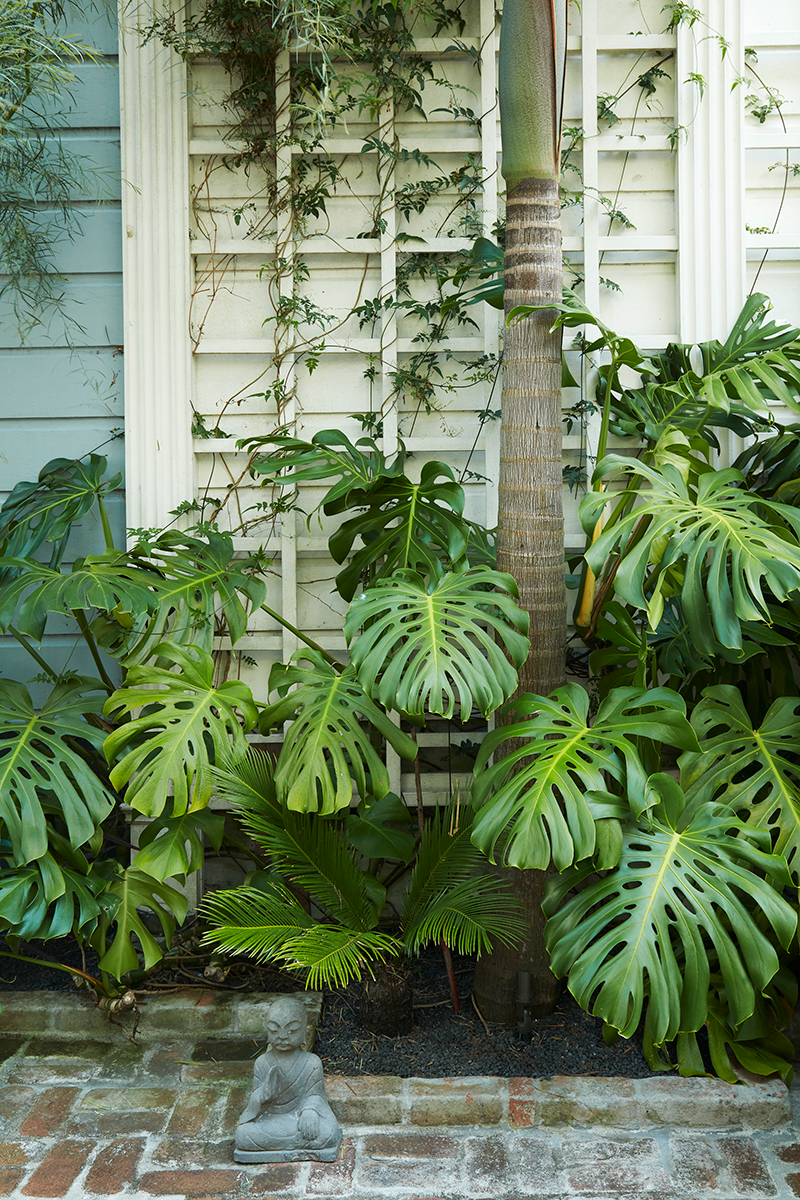
Incorporate Monstera into a tropical garden theme. Use large planters to make a statement. Place Monstera near seating areas for a lush, inviting feel. Create a focal point with a group of Monstera plants.
For a modern look, pair Monstera with sleek, minimalist furniture. Use stone or metal planters. This contrast highlights the plant’s natural beauty. Monstera can also be used in shaded pathways or as a backdrop for smaller plants.
Experiment with different layouts. Try vertical gardens or layered arrangements. Monstera’s unique leaves add depth and interest. Your garden will look vibrant and well-designed.
Frequently Asked Questions
Can Monstera Survive Outside?
Monstera can survive outside in warm, humid climates. Ensure they are protected from direct sunlight and frost.
What Temperatures Can Monstera Tolerate Outside?
Monstera thrives in temperatures between 65-85°F (18-29°C). Avoid exposing them to temperatures below 50°F (10°C).
How Much Sunlight Does Monstera Need Outdoors?
Monstera prefers bright, indirect sunlight. Too much direct sunlight can scorch its leaves.
Can Monstera Grow In Outdoor Pots?
Yes, Monstera can grow in outdoor pots. Ensure the pots have good drainage and suitable soil.
Conclusion
Planting Monstera outside is possible with the right conditions. Consider your climate. Ensure proper care and protection from harsh weather. Regular watering and shaded spots help Monstera thrive. Monitor for pests and diseases. With attention, outdoor Monstera can flourish beautifully.
Enjoy your lush, green garden.
Leave a Reply