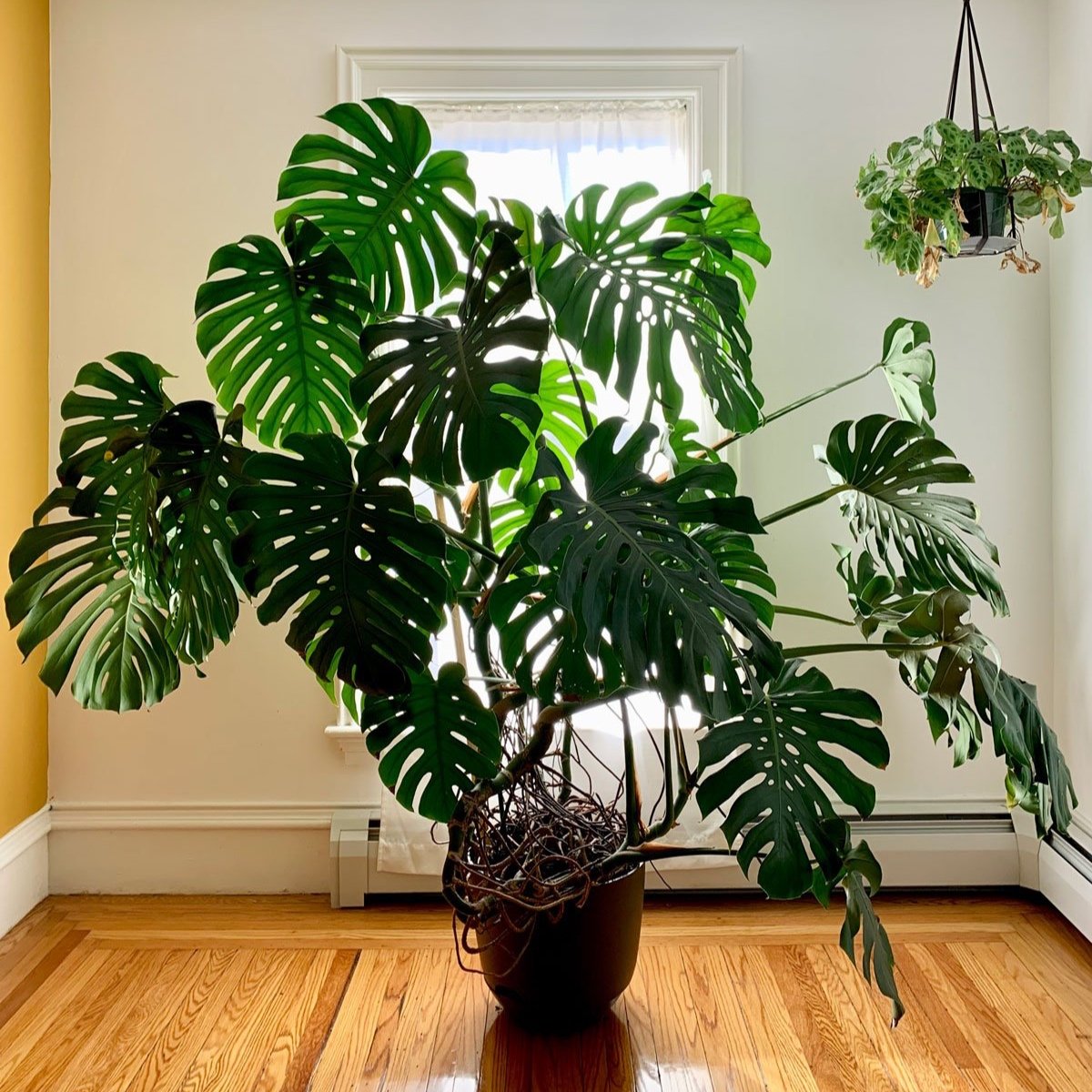
Monstera plants, known for their unique leaves, are popular among plant enthusiasts. They add a touch of the tropics to any home.
Caring for Monstera plants can be simple with the right tips. These plants thrive with the right amount of light, water, and care. Whether you’re a beginner or have a green thumb, understanding how to care for a Monstera can make a big difference.
The following tips will help you keep your Monstera healthy and vibrant. From ideal light conditions to proper watering techniques, you’ll learn what it takes to make your Monstera flourish. Let’s explore the best ways to care for this beautiful plant and enhance your indoor garden.
Choosing The Right Monstera
Choosing the right Monstera plant is crucial for a thriving indoor garden. Monsteras are popular for their beautiful leaves and easy care. But not all Monsteras are the same. Understanding the different varieties and knowing how to buy healthy plants can make a big difference.
Different Varieties
Monsteras come in various types, each with unique features. The most common variety is Monstera Deliciosa. It is known for its large, split leaves. Another popular type is Monstera Adansonii, which has smaller, more perforated leaves.
For a rare and unique look, consider Monstera Albo. This variety has stunning white variegation. Monstera Siltepecana offers silvery leaves when young, which turn dark green as the plant matures.
Here’s a quick overview:
| Variety | Leaf Description |
|---|---|
| Monstera Deliciosa | Large, split leaves |
| Monstera Adansonii | Small, perforated leaves |
| Monstera Albo | White variegation |
| Monstera Siltepecana | Silvery young leaves, dark green mature leaves |
Buying Healthy Plants
Buying a healthy Monstera is essential. Look for plants with vibrant, green leaves. Avoid plants with yellowing or brown spots. Check the soil. It should be moist but not soggy.
Inspect the roots. They should be white and firm, not brown or mushy. Healthy roots are a sign of a well-cared-for plant. Take note of the plant’s overall appearance. A healthy Monstera will look lush and full.
Here are some quick tips for buying a healthy Monstera:
- Check for vibrant green leaves
- Avoid yellowing or brown spots
- Ensure the soil is moist but not soggy
- Inspect roots for white, firm texture
- Look for a lush, full appearance
Choosing the right Monstera can set you on the path to a thriving indoor garden. Keep these tips in mind, and you’ll enjoy a beautiful, healthy plant.
Ideal Growing Conditions
Monstera plants, known for their unique and beautiful leaves, are popular houseplants. To ensure they thrive, it’s essential to provide the right growing conditions. Here are some tips on how to create the ideal environment for your Monstera plant.
Light Requirements
Monstera plants prefer bright, indirect light. Direct sunlight can scorch their leaves. A spot near a window with filtered light works well. If the light is too low, the plant may not grow well. Use sheer curtains to diffuse intense sunlight.
Temperature And Humidity
Monstera plants thrive in warm temperatures. They prefer a range between 65°F and 85°F. Avoid placing them near cold drafts or heat sources. High humidity is also crucial for Monstera plants. Aim for a humidity level above 60%.
If your home is dry, use a humidifier. Misting the leaves can also help. Grouping plants together can increase humidity naturally. Ensure good air circulation to prevent mold and pests.
Proper Watering Techniques
Ensuring your Monstera plant thrives requires understanding proper watering techniques. This includes knowing how often to water and recognizing the signs of overwatering. Let’s dive into the details to help you nurture a healthy Monstera plant.
Watering Frequency
Monstera plants prefer a moderate watering schedule. Water your Monstera once a week during the growing season, typically from spring to early fall. Reduce watering to once every two weeks in winter when growth slows down. Always check the soil moisture before watering. Insert your finger about an inch into the soil. If it feels dry, it’s time to water.
| Season | Watering Frequency |
|---|---|
| Spring to Early Fall | Once a week |
| Winter | Once every two weeks |
Signs Of Overwatering
Overwatering is a common issue that can harm your Monstera. Look out for these signs:
- Yellowing leaves
- Mushy stems
- Foul smell from the soil
- Roots turning brown or black
If you notice any of these signs, reduce the watering frequency. Ensure the pot has proper drainage to prevent water from sitting at the bottom. Consider repotting the plant if root rot is severe.
By following these tips, you can maintain the health and beauty of your Monstera plant. Happy gardening!

Soil And Potting Tips
Monstera plants are a popular choice for indoor gardening. To thrive, they need the right soil and potting conditions. Understanding the best soil mix and repotting techniques ensures your Monstera stays healthy and vibrant.
Best Soil Mix
Monstera plants need well-draining soil. A mix that allows air and water to reach the roots is ideal. Here is a recommended soil mix for Monstera:
| Ingredient | Proportion |
|---|---|
| Potting soil | 60% |
| Perlite | 20% |
| Bark | 10% |
| Coco coir | 10% |
Potting soil provides nutrients. Perlite improves drainage. Bark and coco coir help retain moisture.
Repotting Tips
Monstera plants grow quickly. They need repotting every 1-2 years. Follow these simple steps to repot your Monstera:
- Choose a pot with drainage holes. This prevents waterlogging.
- Fill the new pot with a fresh soil mix. Ensure it’s loose and airy.
- Gently remove the Monstera from its current pot. Be careful with the roots.
- Place the plant in the new pot. Center it well.
- Fill the remaining space with soil. Press gently to secure the plant.
- Water the plant thoroughly. Let the excess water drain out.
Repotting helps the plant grow. It also prevents root-bound issues. Always use fresh soil when repotting.
Fertilizing Your Monstera
Fertilizing your Monstera is crucial for its growth and health. The right nutrients help the plant develop lush, vibrant leaves. Proper fertilization can also boost its overall vigor.
Choosing The Right Fertilizer
Select a balanced fertilizer for your Monstera. A 20-20-20 formula works well. It should contain equal parts nitrogen, phosphorus, and potassium. Organic fertilizers are also a good option. They release nutrients slowly, promoting steady growth. Always read the label instructions before use.
Fertilization Schedule
Fertilize your Monstera every four to six weeks. Do this during the growing season, from spring to early autumn. Reduce fertilization in winter. The plant’s growth slows down, requiring fewer nutrients. Over-fertilizing can harm your Monstera. Stick to the recommended schedule for optimal results.
Pruning And Training
Pruning and training your Monstera plant are crucial for its health and appearance. These practices help manage the size, shape, and overall structure of your plant. Proper pruning and training ensure your Monstera thrives indoors.
Pruning Techniques
Pruning helps remove dead or yellowing leaves. Use clean, sharp scissors or pruning shears. Cut just above a leaf node to encourage new growth. Remove any damaged or diseased parts immediately. This prevents the spread of illness.
To control the size, prune back larger leaves. Focus on the older, outer leaves first. This keeps your plant looking neat. Avoid cutting more than 25% of the plant at once. Over-pruning can stress your Monstera.
Supporting Growth
Training your Monstera helps guide its growth. Use a moss pole or trellis for support. Secure the stems gently with plant ties. This prevents the plant from sagging or leaning.
Rotate the plant every few weeks. This ensures even light distribution. Your Monstera will grow more symmetrically. Regularly check the ties and supports. Adjust them as needed to avoid damage.
With proper pruning and training, your Monstera will flourish. Healthy, well-supported plants produce lush, vibrant leaves. Enjoy the beauty of your thriving Monstera.
Pest And Disease Management
Keeping your Monstera plant healthy involves more than just watering and sunlight. Pests and diseases can affect the plant’s growth and appearance. Knowing how to manage these issues is crucial. Below, we will discuss common pests and how to prevent diseases.
Common Pests
Monstera plants are prone to several pests. Spider mites, mealybugs, and aphids are frequent invaders. Spider mites are tiny and often cause yellow spots. Mealybugs look like white cotton and suck plant sap. Aphids are small and gather on new growth.
To manage these pests, inspect your plant regularly. Wipe leaves with a damp cloth. Use insecticidal soap for severe infestations. Neem oil also works well. Keep your plant in a clean area to reduce pest problems.
Preventing Diseases
Proper care helps prevent diseases. Overwatering can lead to root rot. Ensure the soil dries between waterings. Use a pot with drainage holes.
Fungal infections can occur in high humidity. Ensure proper air circulation around your plant. Remove dead or yellowing leaves promptly. This helps prevent the spread of diseases.
Using sterilized tools for pruning is essential. Dirty tools can introduce pathogens. Clean your tools with rubbing alcohol before use.
Propagation Methods
Growing new Monstera plants at home is simple and rewarding. You can use two main methods to propagate your Monstera. Both methods are effective and can help you grow healthy new plants. Let’s explore each method in detail.
Stem Cuttings
Stem cuttings are a popular way to propagate Monstera plants. Start by selecting a healthy stem with at least one node. The node is where roots will grow. Cut the stem below the node using clean, sharp scissors.
Next, place the cutting in water or moist soil. Ensure the node is submerged in water or buried in soil. Keep the cutting in a warm, bright spot, but out of direct sunlight. Roots will start to form within a few weeks. Once the roots are a few inches long, transfer the cutting to a pot with soil.
Air Layering
Air layering is another effective propagation method. This method encourages roots to grow while the stem is still attached to the mother plant. Choose a healthy stem and make a small cut below a node. Wrap moist sphagnum moss around the cut and cover it with plastic wrap.
Secure the plastic wrap with string or twist ties. Keep the moss moist but not soggy. Roots will start to form within a few weeks. Once the roots are visible through the moss, cut the stem below the new roots. Plant the new cutting in soil and care for it as you would a mature Monstera.
Frequently Asked Questions
How Often Should I Water My Monstera Plant?
Water your Monstera plant once a week. Ensure the top inch of soil is dry before watering again.
What Kind Of Light Does Monstera Need?
Monstera plants thrive in bright, indirect light. Avoid direct sunlight, which can scorch the leaves.
How Do I Propagate A Monstera Plant?
Propagate Monstera by stem cuttings. Place the cutting in water or soil and wait for roots to develop.
Why Are My Monstera Leaves Turning Yellow?
Yellow leaves can indicate overwatering or poor drainage. Ensure the soil is well-draining and adjust your watering schedule.
Conclusion
Caring for a Monstera plant is easy with these tips. Water it properly. Give it the right light. Dust its leaves often. Prune it to keep it healthy. Watch for pests. Your Monstera will thrive with love and care. Enjoy the beauty it brings to your space.
Happy gardening!
Leave a Reply