Monstera plants are popular for their unique, split leaves. But they can face issues.
Caring for a Monstera can be challenging. These plants, known for their beauty, often encounter problems. Yellowing leaves, drooping stems, and pests can be frustrating. But don’t worry. Many of these issues have simple solutions. Understanding the common problems and knowing how to fix them can keep your Monstera thriving.
In this post, we will explore typical Monstera problems and their solutions. By the end, you will feel more confident in caring for your plant. Let’s dive into the details and make your Monstera happy and healthy again.
Common Monstera Issues
Monstera plants are popular for their unique and beautiful leaves. But, they can face some common issues. Knowing these problems and their solutions can help keep your plant healthy.
Yellowing Leaves
Yellow leaves on a Monstera can be a sign of several issues. The most common causes are overwatering or underwatering. Check the soil. If it’s too wet or too dry, adjust your watering routine.
Another reason for yellow leaves can be a lack of nutrients. Ensure you are feeding your Monstera with a balanced fertilizer. Follow the instructions on the fertilizer package for the best results.
Sometimes, yellow leaves are due to low light conditions. Monstera plants need bright, indirect light. Move your plant closer to a window but avoid direct sunlight.
Brown Leaf Tips
Brown tips on Monstera leaves often indicate low humidity. These tropical plants thrive in humid environments. Increase humidity by misting the leaves regularly or using a humidifier.
Another cause of brown tips can be salt build-up in the soil. This happens when you use tap water. Flush the soil with distilled water every few months to remove excess salts.
Lastly, check for signs of pests like spider mites. These pests can cause damage to the leaves. Use insecticidal soap to treat any pest infestations.

Pest Infestations
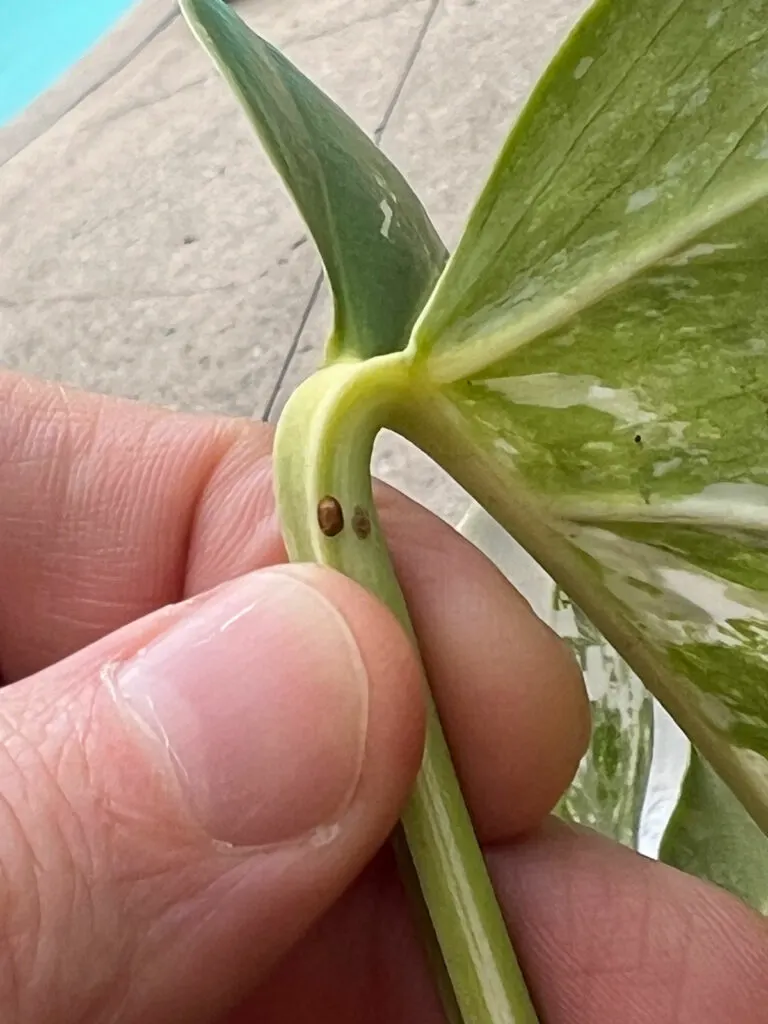
Pests are common problems for Monstera plants. These pests can damage leaves and stunt growth. Identifying and treating pest infestations early is crucial. Here, we will discuss common pests like spider mites and mealybugs.
Spider Mites
Spider mites are tiny pests that suck sap from Monstera leaves. They cause small, yellow spots on leaves. In severe cases, leaves may turn brown and fall off.
To identify spider mites, look for fine webbing on the undersides of leaves. Use a magnifying glass to see the mites. They are usually red or brown.
For treatment, wash the leaves with a strong stream of water. This removes mites and their webs. For larger infestations, use insecticidal soap or neem oil. Apply it to all parts of the plant, especially the undersides of leaves.
Mealybugs
Mealybugs are small, white insects that look like cotton. They feed on plant sap and weaken the Monstera. Affected leaves may turn yellow and drop.
To spot mealybugs, check the leaf joints and undersides. They often hide in these areas. Mealybugs excrete a sticky substance called honeydew, which can lead to sooty mold.
For treatment, wipe the bugs off with a cotton swab dipped in rubbing alcohol. For larger infestations, use insecticidal soap. Ensure thorough coverage of the plant.
Regularly inspecting your Monstera and keeping it clean can prevent pest infestations. Early detection and treatment are key to maintaining a healthy plant.
Watering Mistakes
Watering mistakes can cause serious issues for your Monstera plant. The plant’s health depends on proper watering practices. Both overwatering and underwatering can lead to problems. Let’s explore these issues in detail.
Overwatering
Overwatering is a common problem for Monstera plants. Too much water can lead to root rot. The roots become waterlogged and can’t absorb oxygen. This causes the plant to wilt and turn yellow. To prevent overwatering, check the soil before watering. The top inch should be dry. Use a well-draining potting mix. Ensure the pot has drainage holes. This allows excess water to escape.
Underwatering
Underwatering is another issue that can affect Monstera plants. When the plant doesn’t get enough water, the leaves will droop. They may also become crispy and brown at the edges. To avoid underwatering, establish a regular watering schedule. Water the plant when the top inch of soil is dry. Make sure the water reaches the root zone. Use a moisture meter for accurate readings. This ensures the plant gets the right amount of water.
Light Requirements
Monstera plants are popular for their unique, fenestrated leaves. However, they need proper light to thrive. Understanding the light requirements can prevent common problems.
Insufficient Light
Monstera plants need bright, indirect light. Insufficient light can lead to leggy growth and smaller leaves.
- Signs of insufficient light: Yellowing leaves, slow growth, and fewer splits in leaves.
- Solution: Move your plant closer to a window. Use a grow light if needed.
Keeping your Monstera in a well-lit spot helps maintain its health and beauty.
Excessive Light
Too much light can also harm your Monstera. Excessive light can cause leaf burn and browning edges.
- Signs of excessive light: Brown, crispy leaf edges and scorched spots.
- Solution: Move the plant to a spot with filtered light. Use sheer curtains to diffuse direct sunlight.
Protecting your Monstera from too much light ensures vibrant, healthy foliage.
Soil And Repotting
Repotting Monstera can solve many problems like root rot or yellowing leaves. Use well-draining soil to prevent waterlogging.
Monstera plants need the right soil and timely repotting to thrive. Understanding the best soil type and when to repot can solve many problems. Let’s dive into these aspects.Soil Type
Monstera plants prefer well-draining soil. A mix of peat moss, perlite, and pine bark works well. This mix ensures the roots get enough air and prevent waterlogging. Avoid heavy, clay-like soils that retain too much moisture. These soils can cause root rot. A good potting mix should be slightly acidic. Aim for a pH of 5.5 to 7. This range helps the plant absorb nutrients better. If unsure, you can buy pre-mixed soil for tropical plants.When To Repot
Repotting Monstera plants should be done every 1-2 years. Check if the roots are growing out of the drainage holes. This is a sign the plant needs more space. Another sign is if the soil dries out very quickly after watering. Choose a pot that is 1-2 inches larger in diameter than the current one. This gives the roots room to grow. Gently loosen the root ball before placing it in the new pot. Fill in with fresh soil around the root ball. Repotting in the spring is best. The plant is in its growth phase and can adapt better. After repotting, water the plant thoroughly to help it settle in its new home. “`Temperature And Humidity
Monstera plants thrive in specific temperature and humidity conditions. Without the right environment, they may suffer from various issues. Understanding and maintaining the ideal temperature and humidity can help your Monstera flourish.
Ideal Temperature
Monstera plants prefer warm temperatures. The ideal range is between 65°F and 85°F. Temperatures below 50°F can cause stress and damage. Keep your plant away from drafts and cold windows during winter.
Maintaining Humidity
Monstera plants enjoy high humidity. Aim for a humidity level of 60% or higher. Dry air can cause the leaves to brown and curl. Use a humidifier to increase the moisture in the air. You can also place a tray of water near the plant. Grouping plants together can also help maintain humidity.
Nutrient Deficiencies
Monstera plants are popular for their large, beautiful leaves. But they can suffer from nutrient deficiencies. These deficiencies can cause poor growth and discoloration. Understanding the signs and solutions can help keep your Monstera healthy.
Signs Of Deficiency
Monstera plants show clear signs when they lack nutrients. Below are some common signs to look out for:
- Yellowing Leaves: Often a sign of nitrogen deficiency.
- Brown Leaf Edges: Can indicate a lack of potassium.
- Pale New Growth: Suggests iron deficiency.
- Stunted Growth: May be due to phosphorus deficiency.
Fertilizer Tips
Using the right fertilizer can solve many nutrient problems. Consider these tips:
- Use a Balanced Fertilizer: Choose one with equal parts nitrogen, phosphorus, and potassium.
- Monthly Feeding: Fertilize your Monstera once a month during the growing season.
- Water Soluble Fertilizers: These are easy to use and quickly absorbed by the plant.
- Organic Options: Fish emulsion and compost can be great natural choices.
- Avoid Over-Fertilizing: Too much fertilizer can burn the roots and harm the plant.
Monitoring your Monstera and using the right fertilizer will help it thrive. Keep an eye on the signs of deficiencies and adjust your care routine accordingly.
Pruning And Maintenance
Keeping your Monstera plant healthy involves regular pruning and maintenance. This ensures the plant remains vibrant and grows in the right direction. Proper care can prevent many common Monstera problems.
When To Prune
Prune your Monstera plant during the growing season. This is typically in spring and summer. Avoid pruning in the winter when the plant’s growth slows down.
Look for dead or yellowing leaves. Remove these to keep the plant healthy. Also, prune any leggy stems to encourage bushier growth.
Use clean, sharp scissors or pruning shears. This helps avoid damaging the plant. Make cuts just above a node to promote new growth.
Cleaning Leaves
Monstera leaves can collect dust. This blocks light and reduces photosynthesis. Clean the leaves regularly to keep them shiny and healthy.
To clean, use a damp cloth. Gently wipe each leaf to remove dust and dirt. Avoid using harsh chemicals as they can damage the leaves.
For stubborn spots, use a solution of mild soap and water. Test it on a small area first to ensure it doesn’t harm the leaf.
Regular cleaning not only keeps the plant healthy but also makes it look more attractive. Clean leaves can also help you spot any pests or diseases early.
| Task | Frequency |
|---|---|
| Prune dead leaves | As needed |
| Prune leggy stems | During growing season |
| Clean leaves | Every 2-4 weeks |

Frequently Asked Questions
Why Are My Monstera Leaves Turning Yellow?
Yellow leaves on a Monstera can be due to overwatering, underwatering, or poor drainage. Check the soil moisture and adjust your watering routine. Ensure the pot has proper drainage to avoid root rot.
How Do I Treat Monstera Leaf Spots?
Leaf spots on Monstera are often caused by fungal infections. Remove affected leaves and improve air circulation. Avoid overhead watering and consider using a fungicide if necessary.
What Causes Monstera Leaves To Curl?
Monstera leaves curl due to underwatering, low humidity, or temperature stress. Ensure consistent watering, increase humidity, and keep the plant in a stable environment.
How Can I Revive A Drooping Monstera?
A drooping Monstera usually indicates underwatering or root issues. Water your plant thoroughly and check the roots for rot. Trim any damaged roots and repot if necessary.
Conclusion
Caring for a Monstera can be simple with the right knowledge. Identify common problems early. Use the solutions provided to keep your plant healthy. Regularly check for pests, water issues, and light requirements. Healthy Monsteras reward you with beautiful, lush leaves.
Enjoy the process and watch your Monstera thrive. Happy gardening!
Leave a Reply